Successful Elephant Range Expansion in the Eastern Cape

Successful Elephant Range Expansion in the Eastern Cape

Successful Elephant Range Expansion in the Eastern Cape

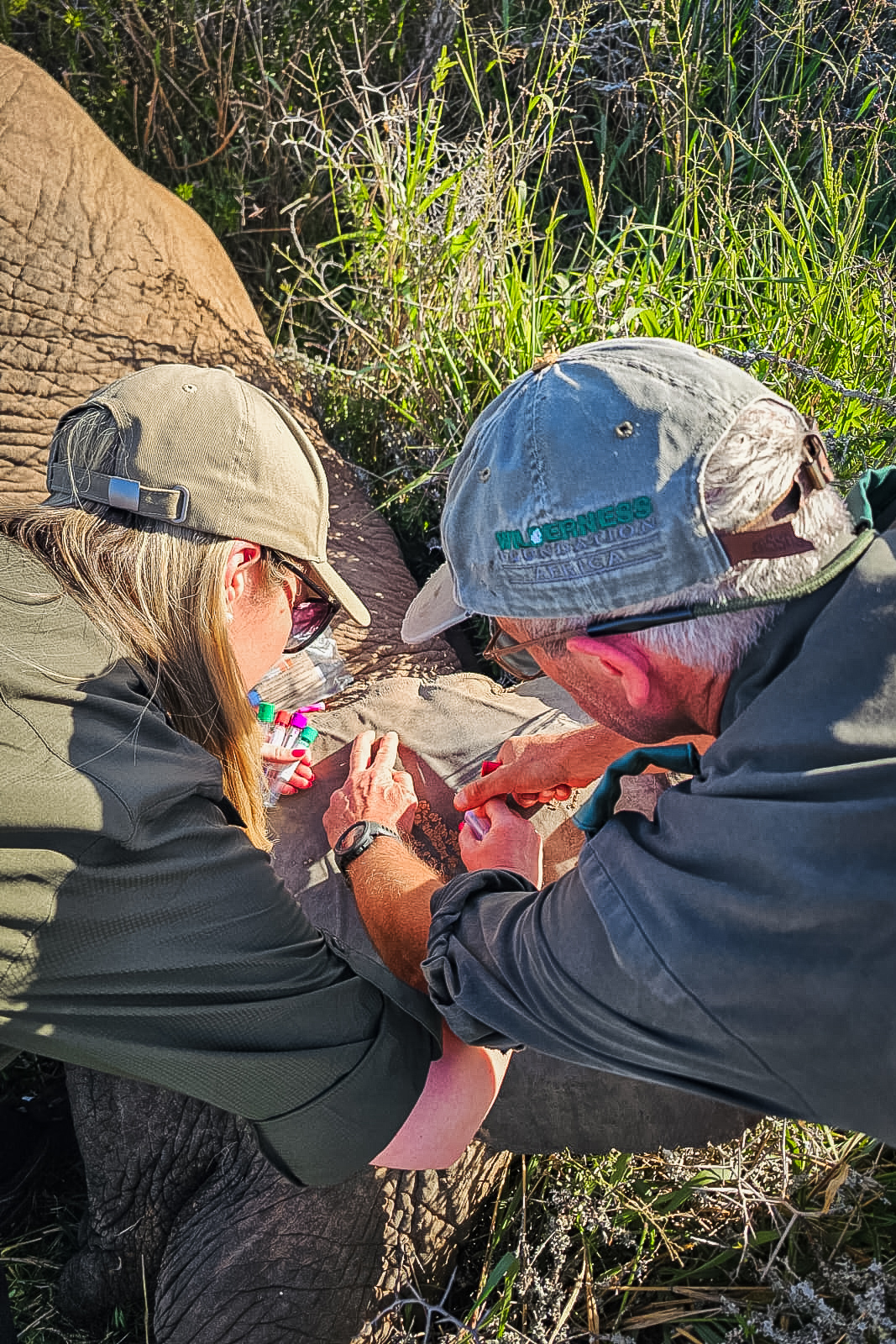
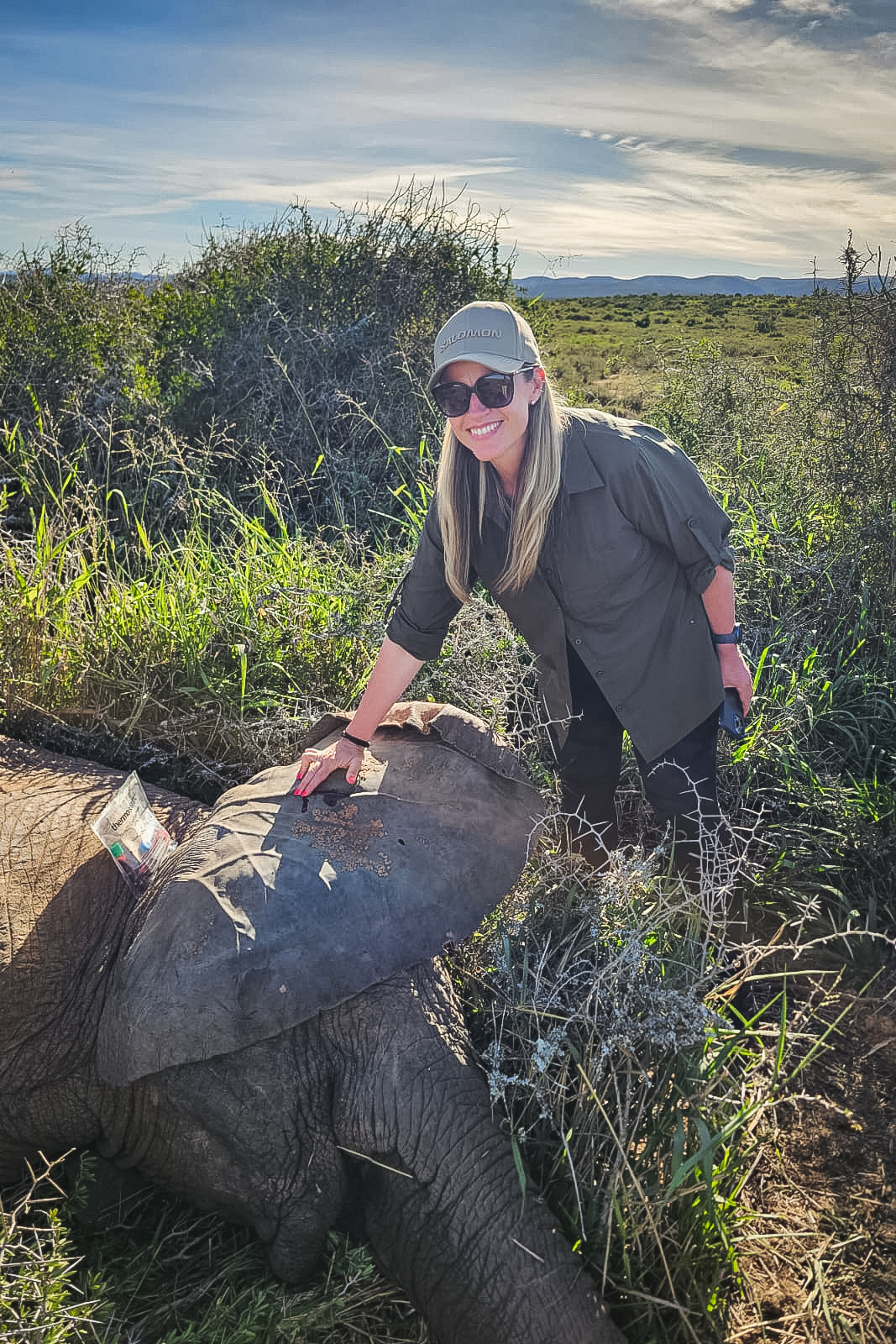
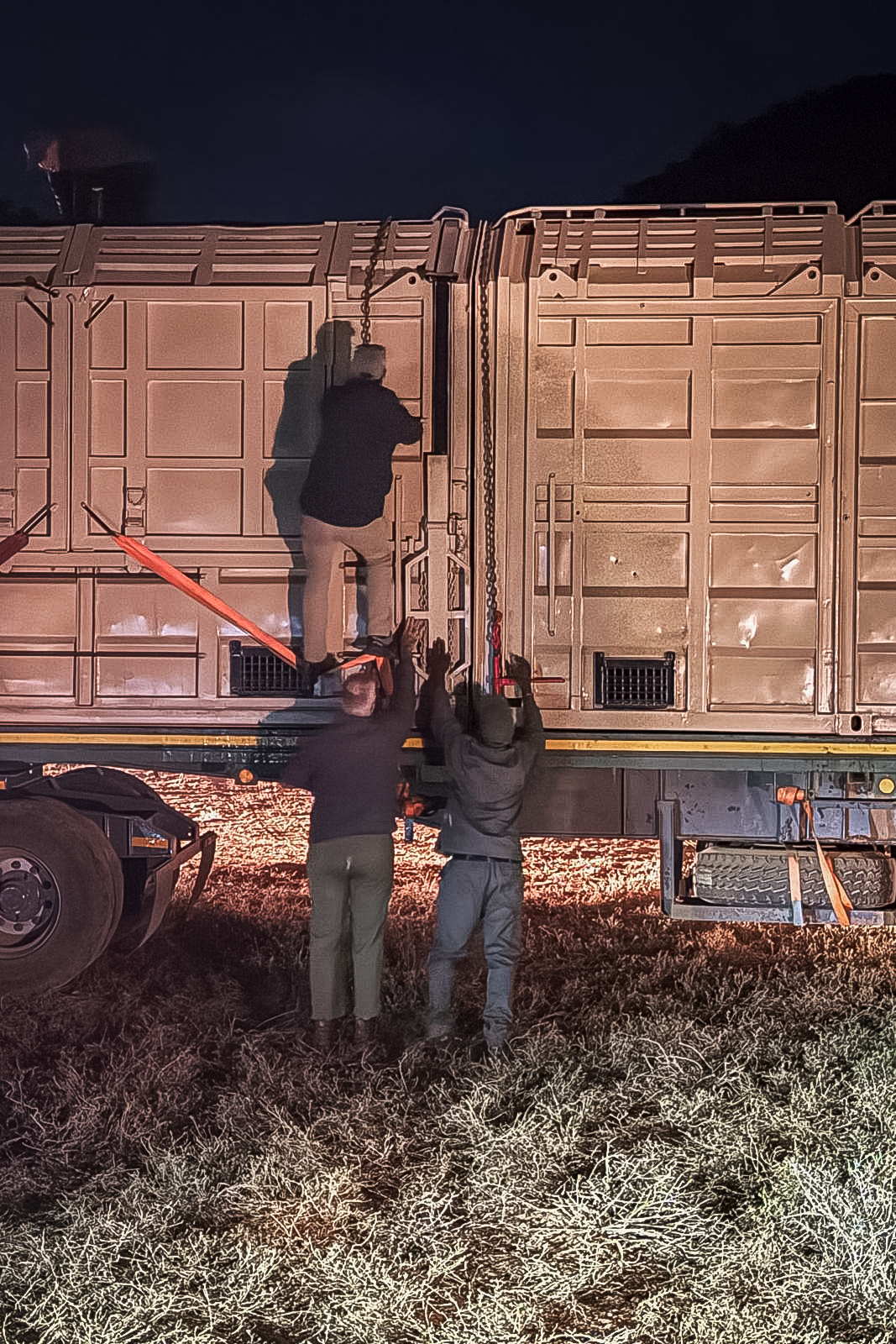
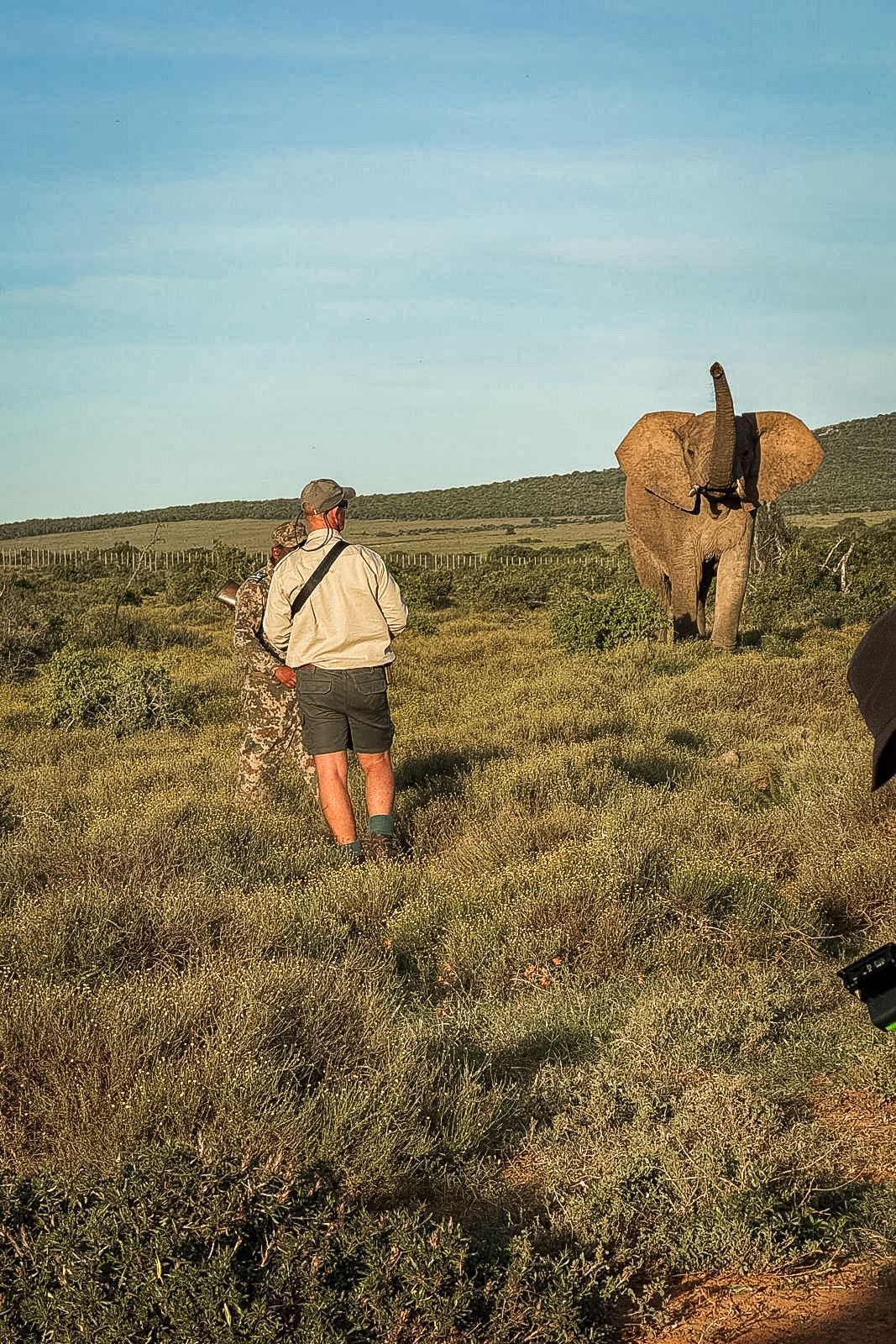
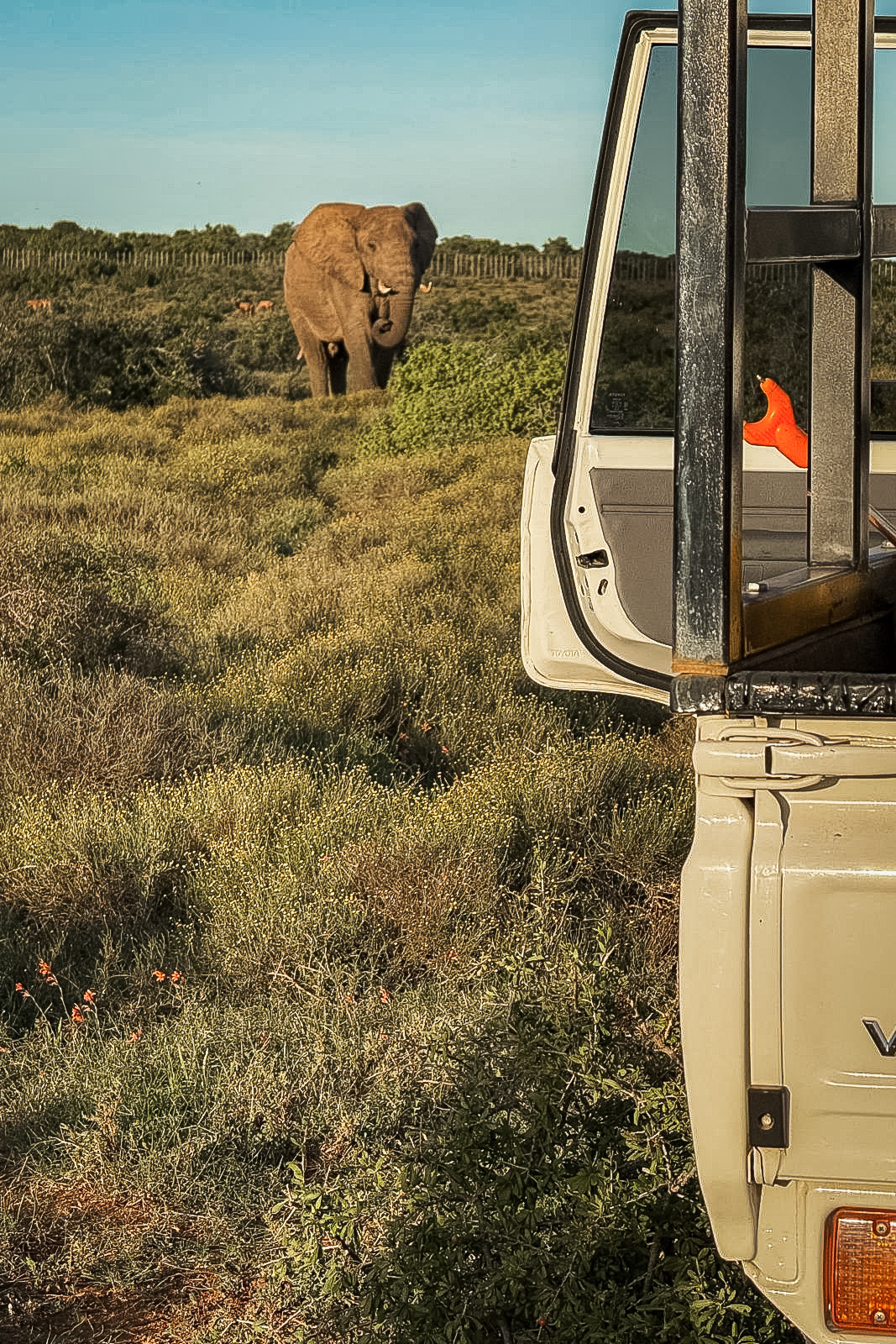
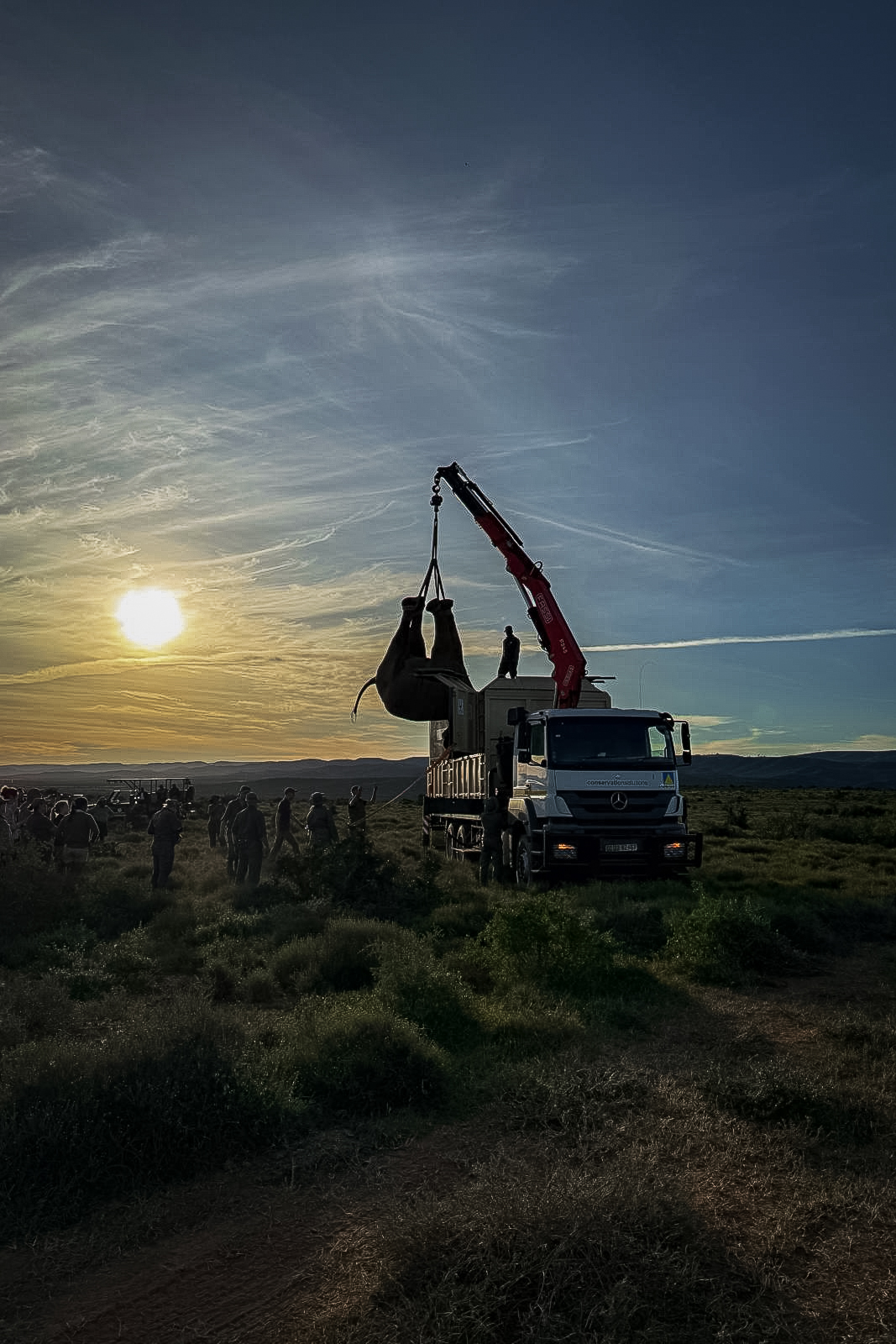
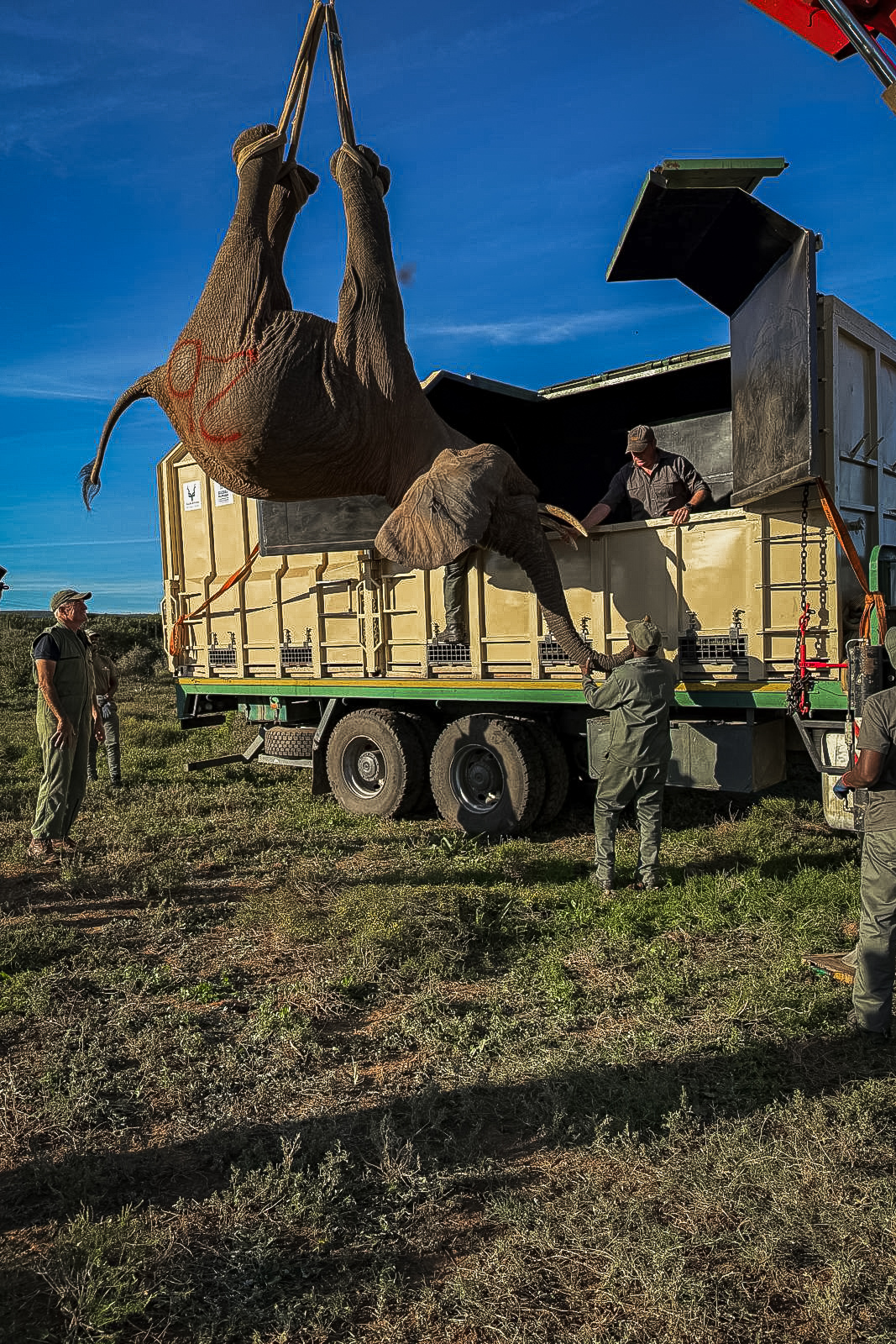
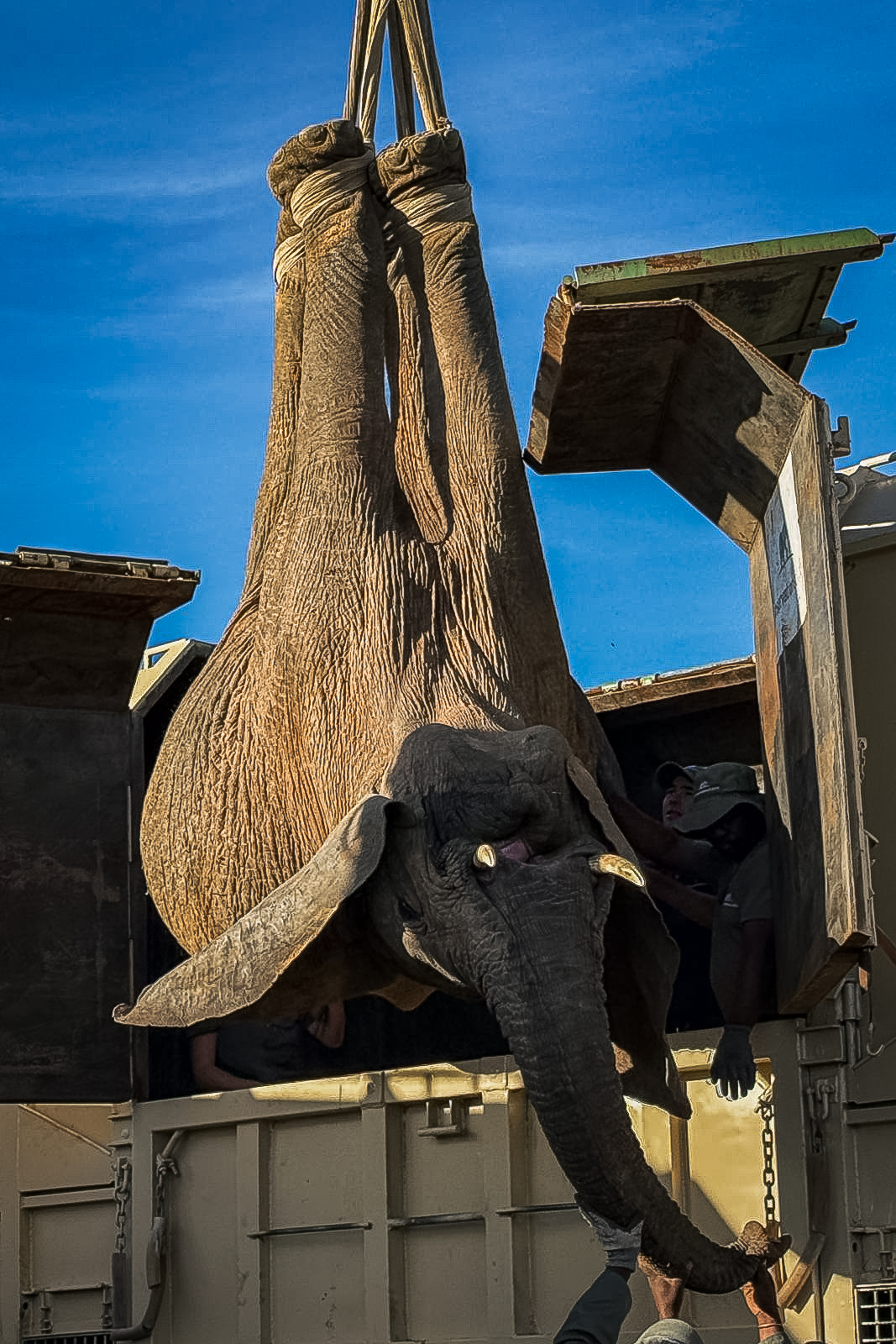
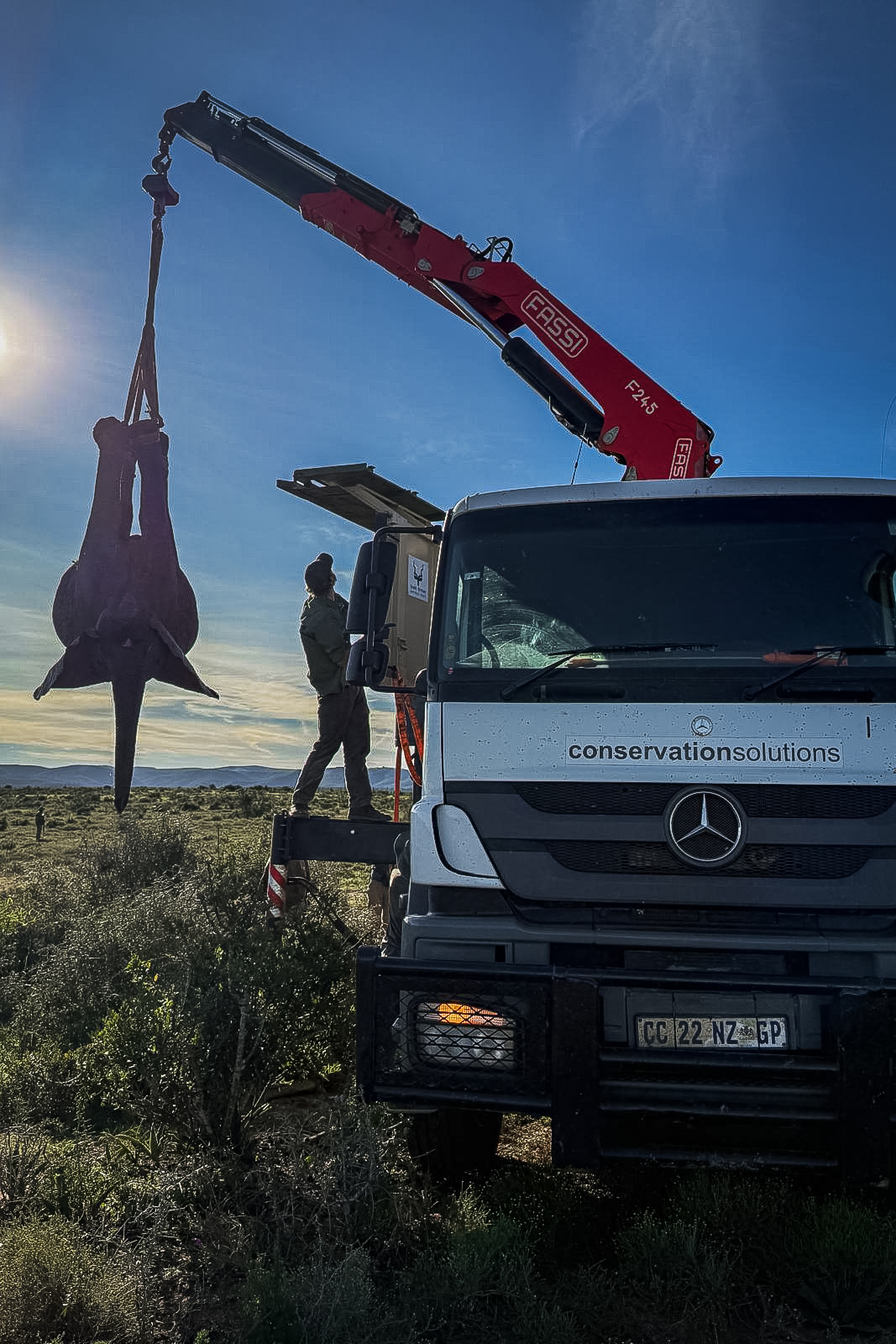
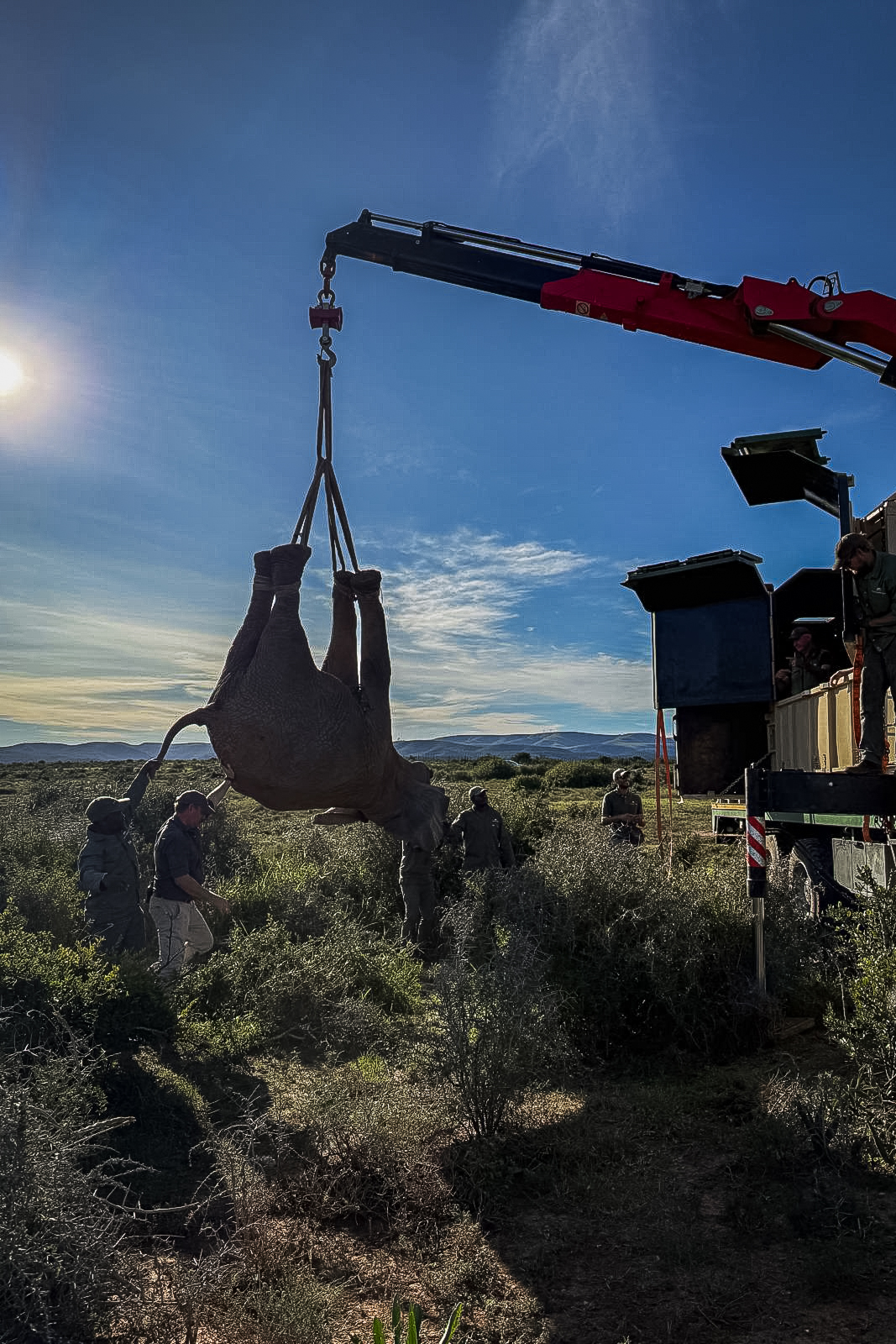
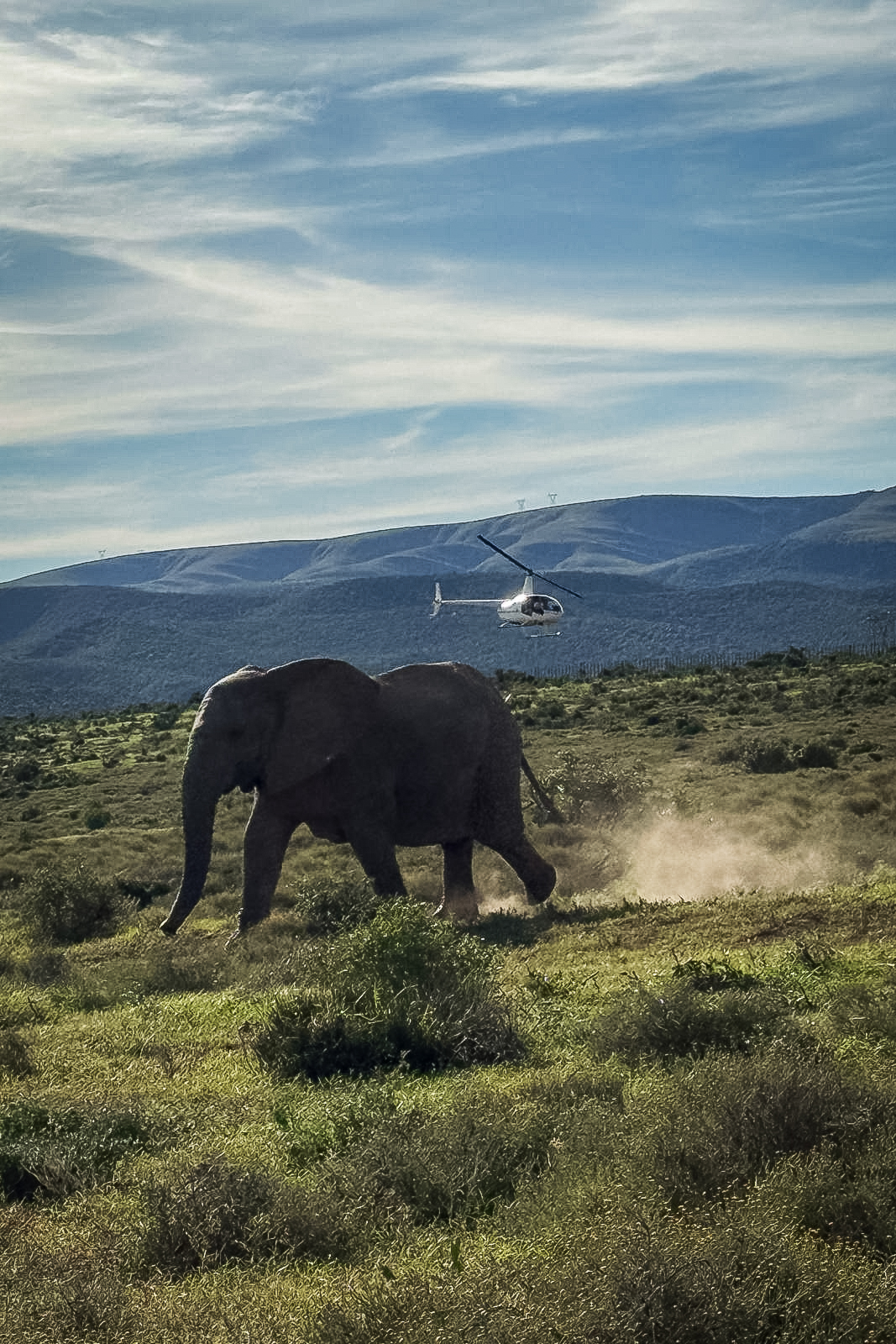
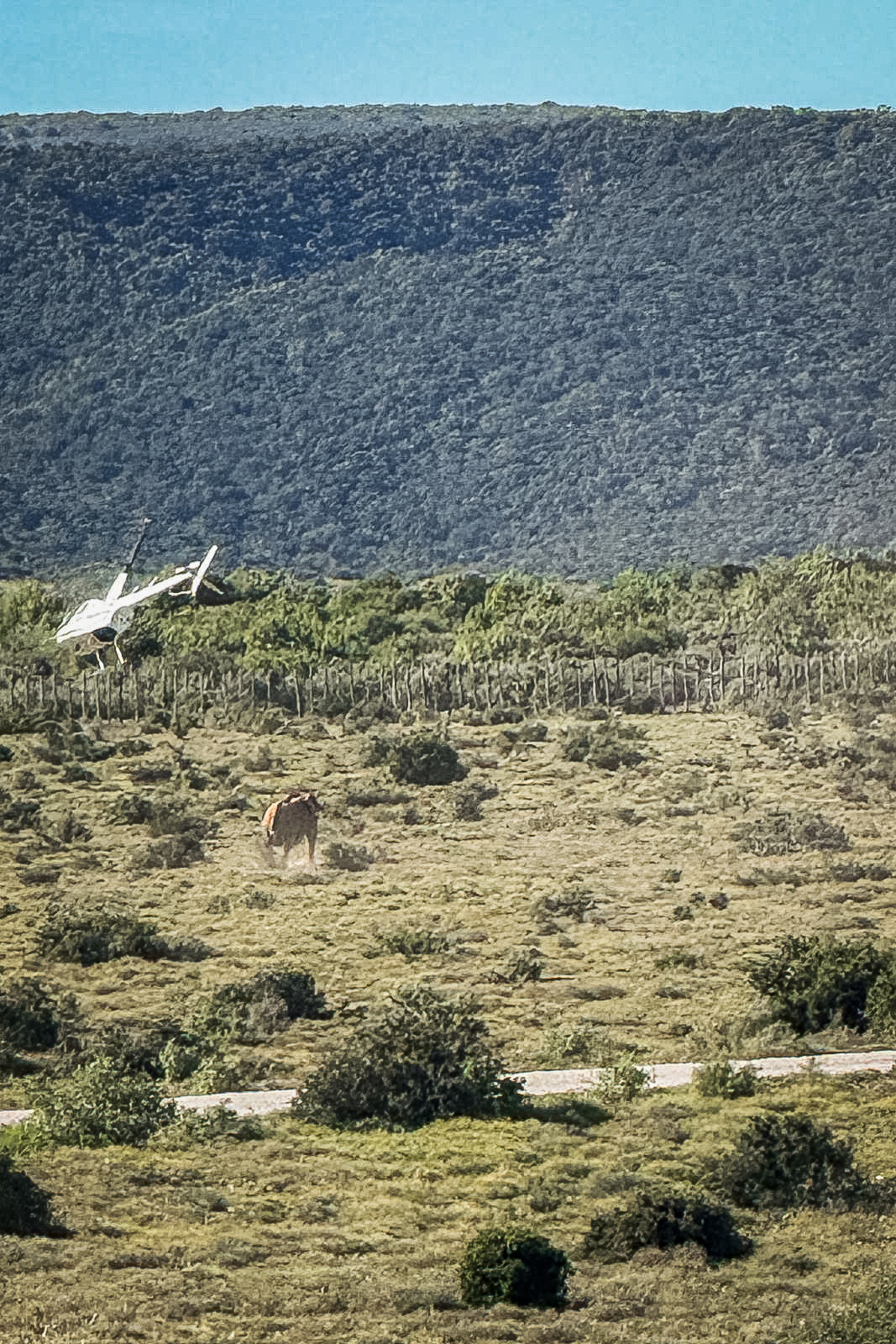
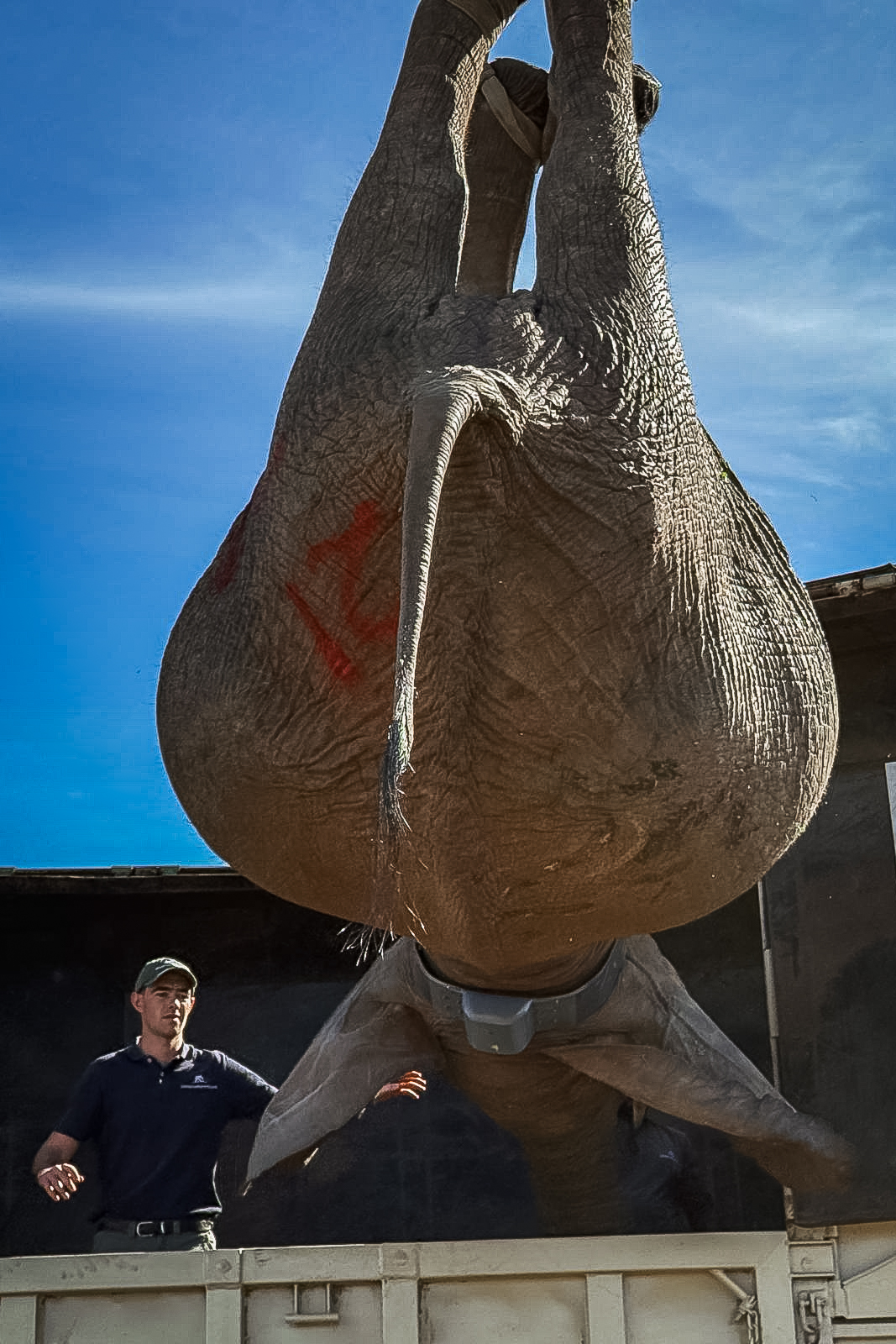
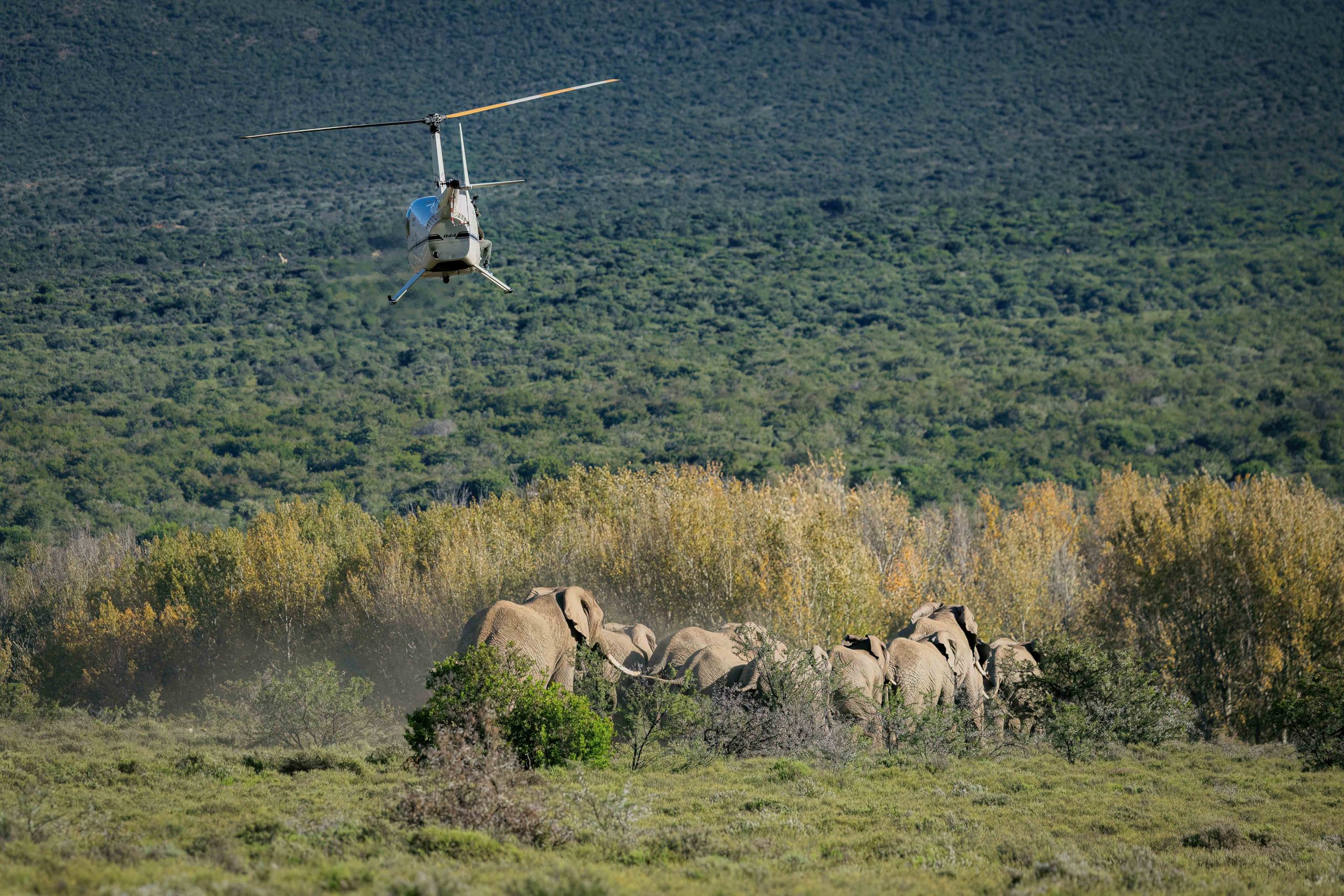
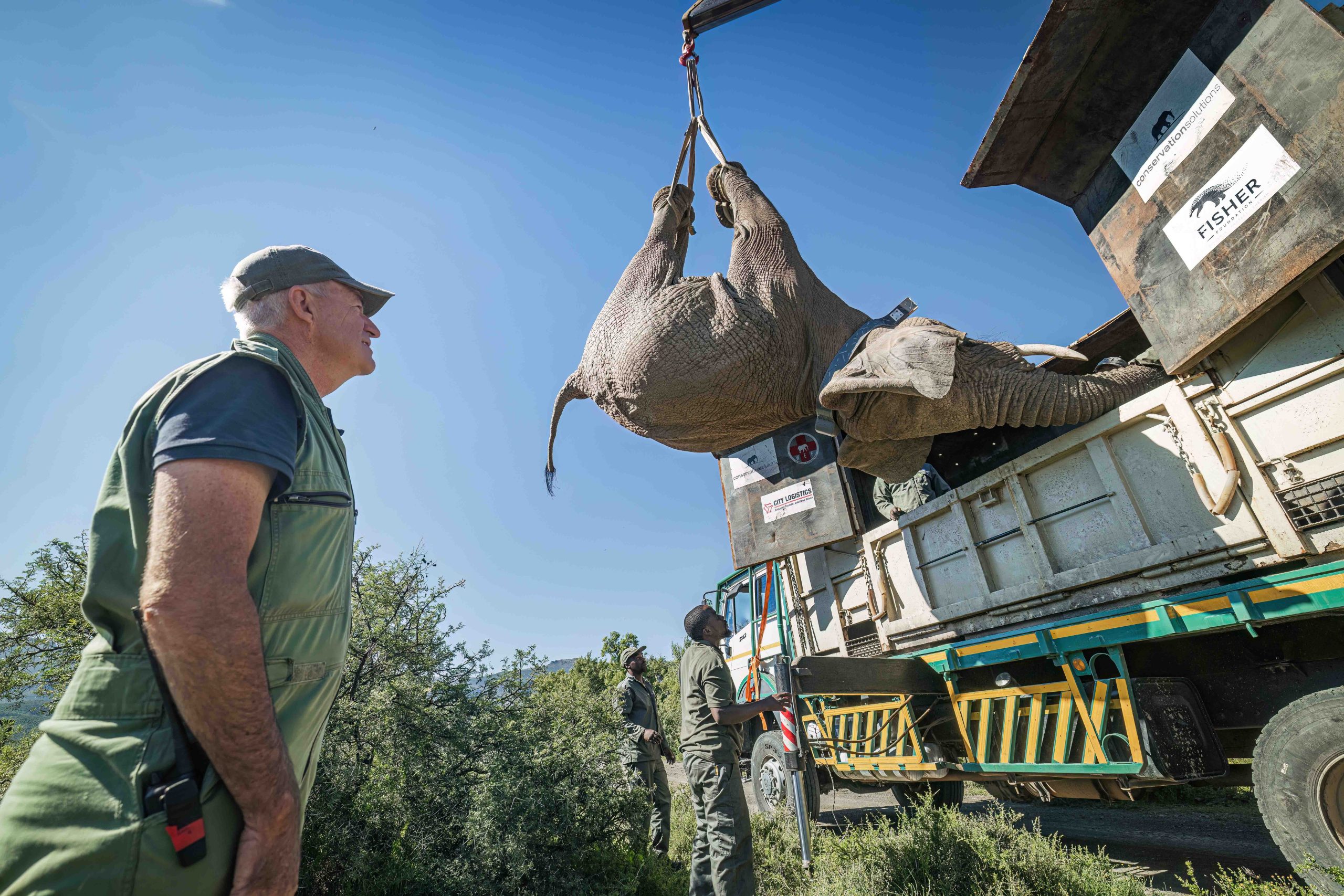
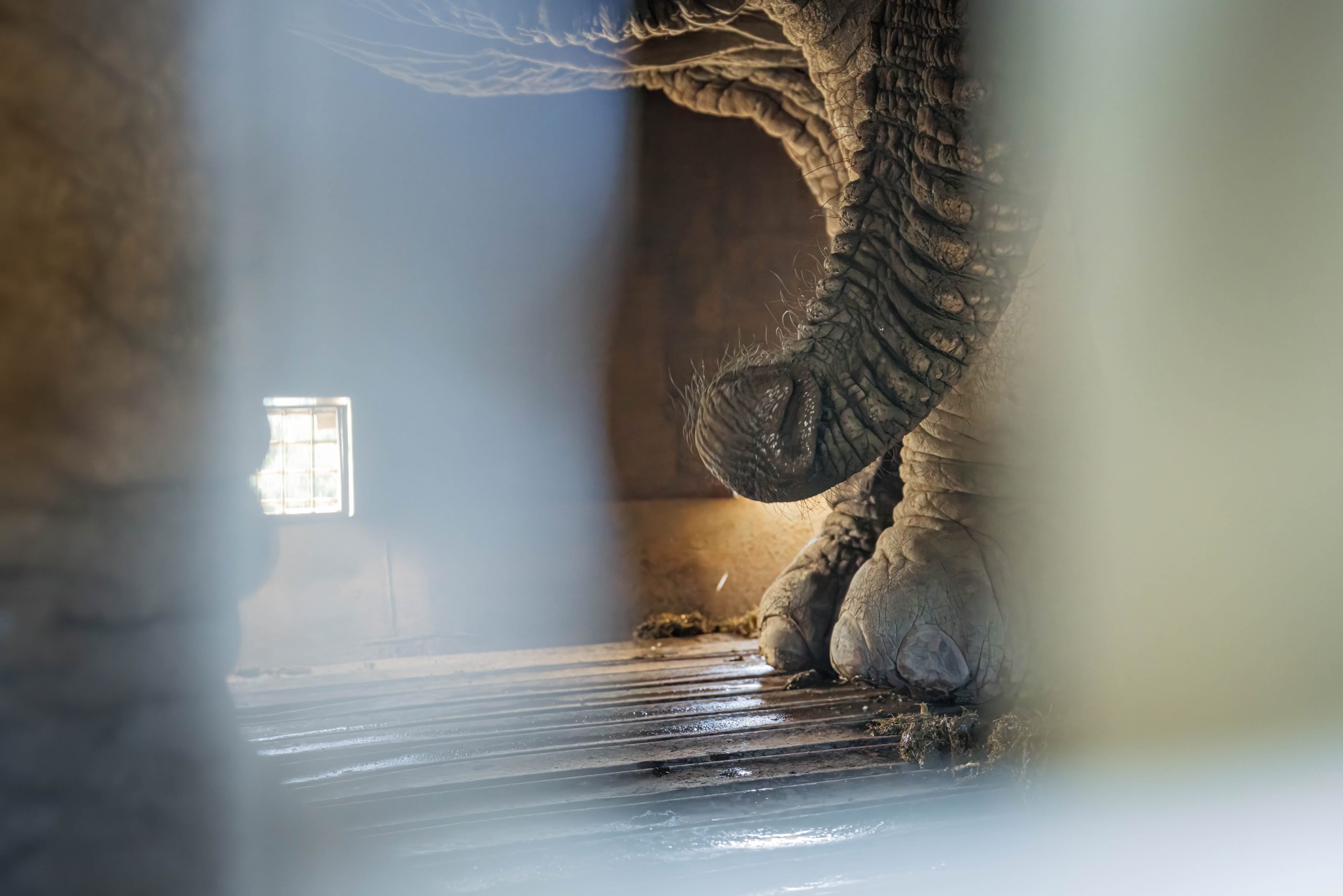
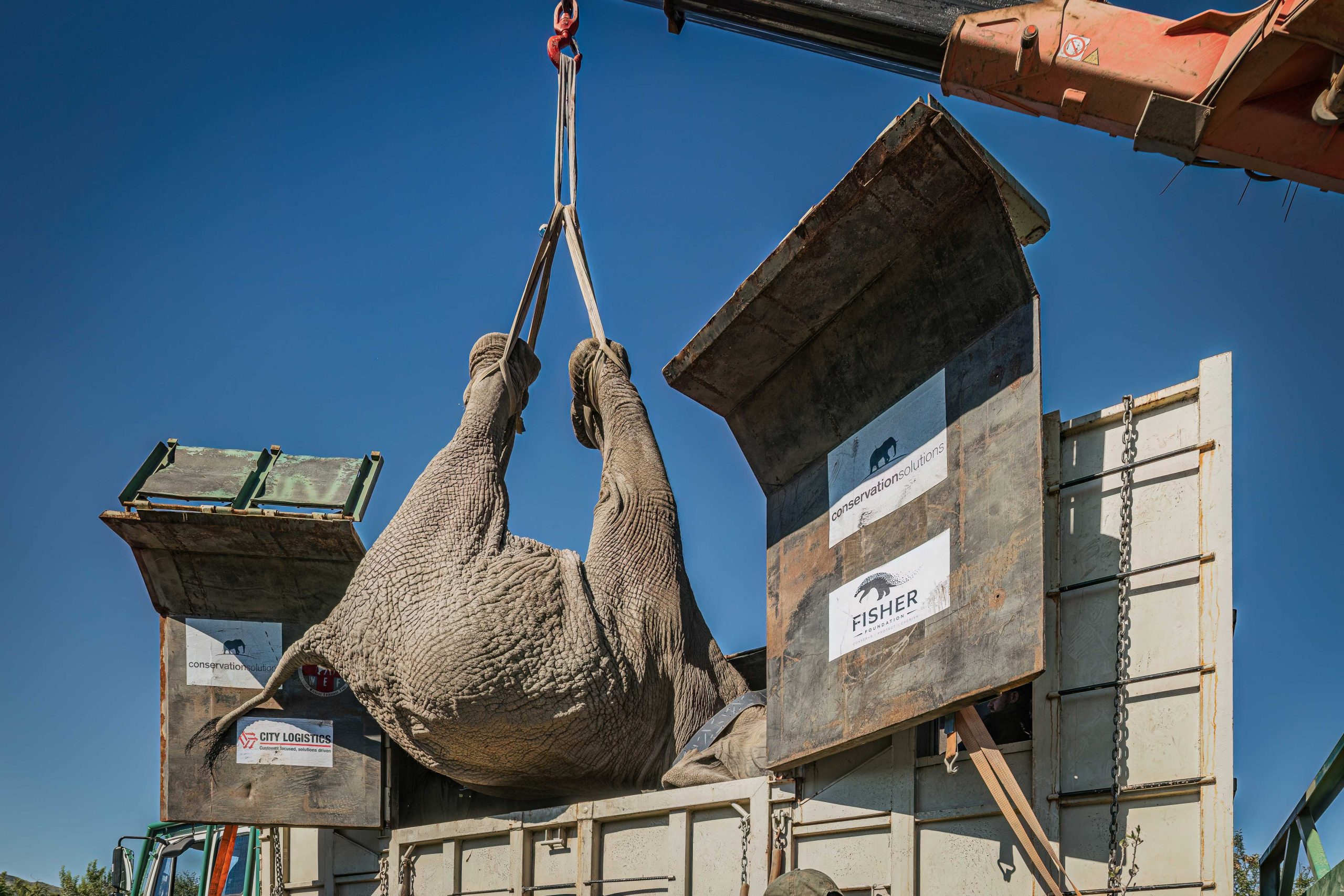
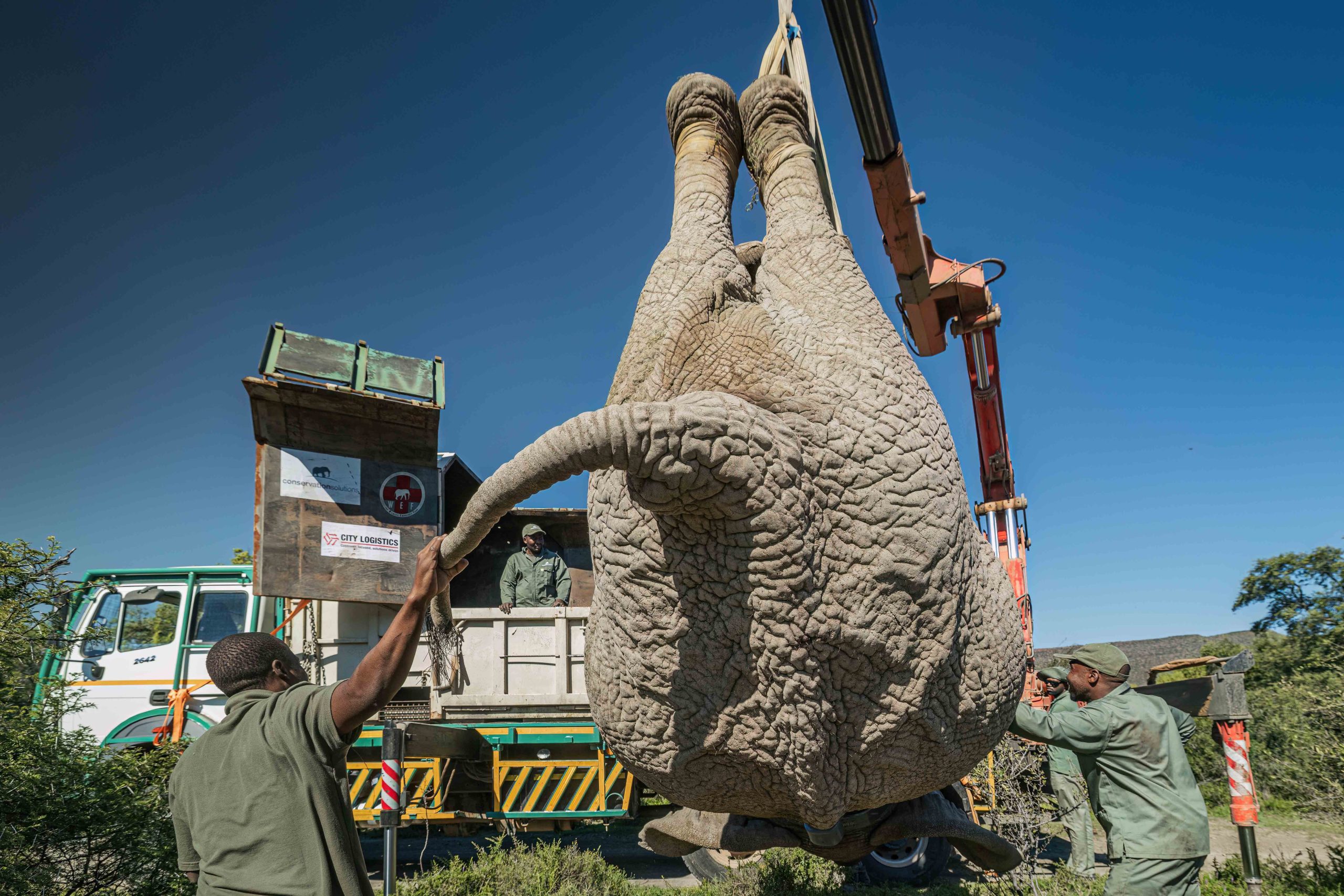
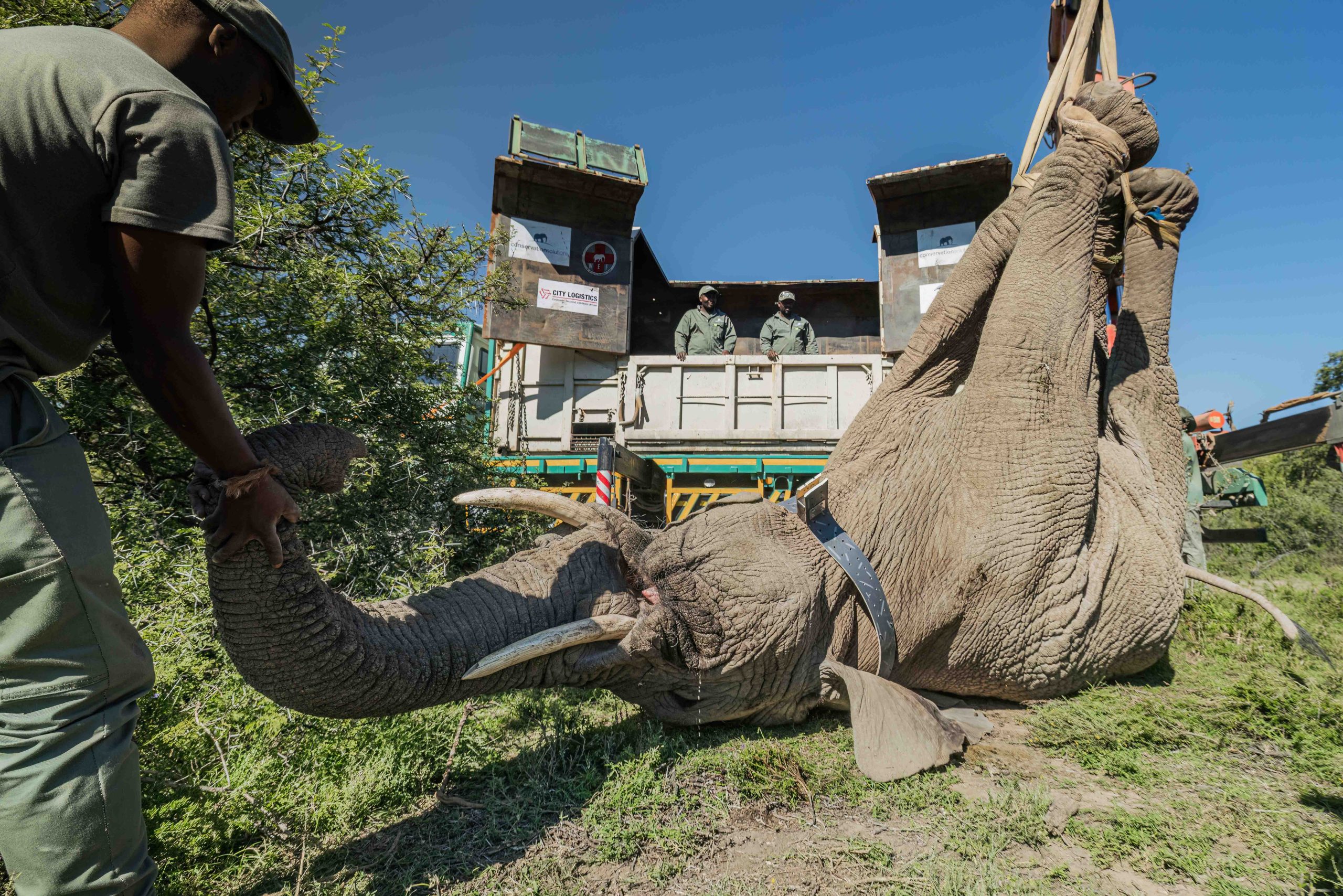
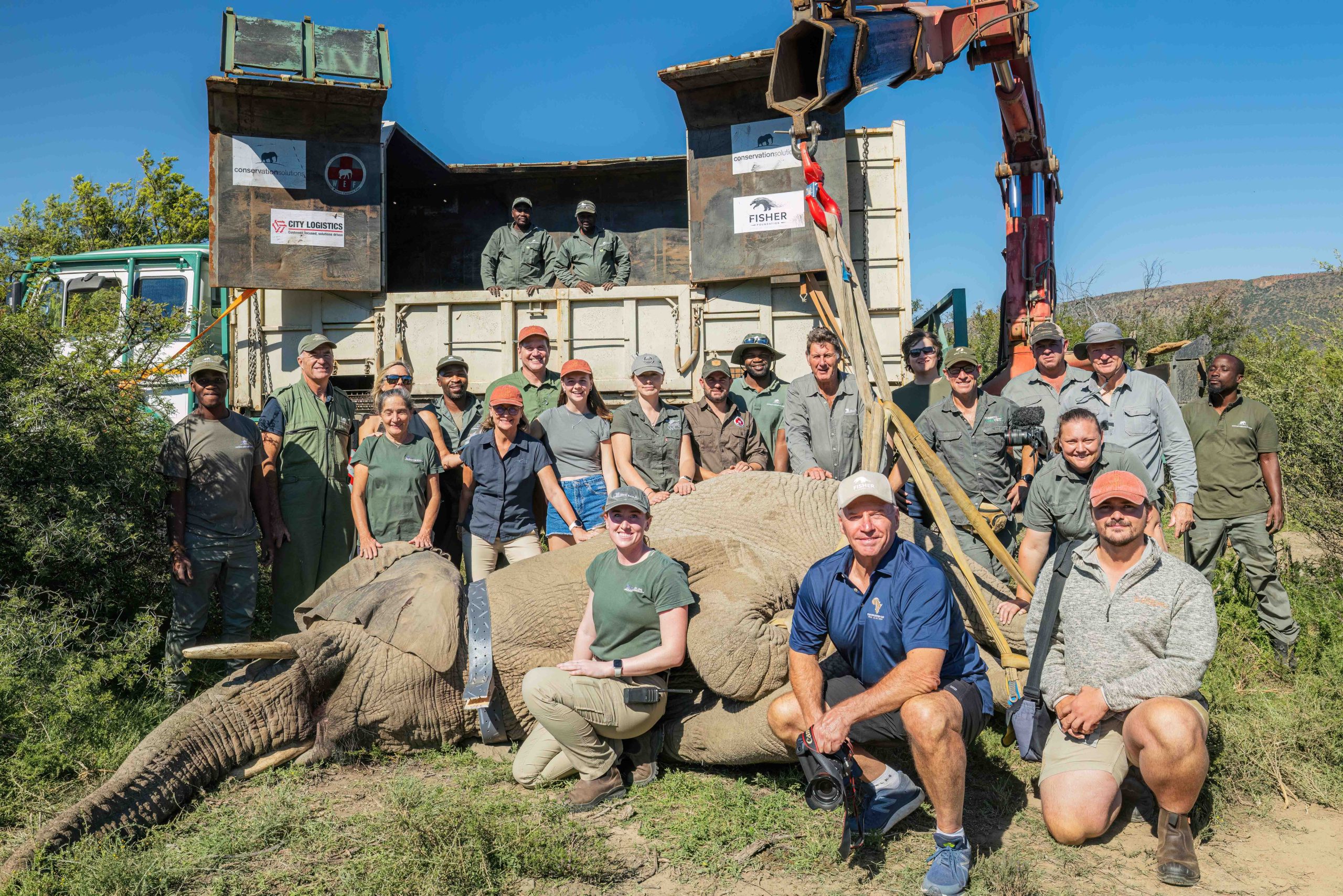
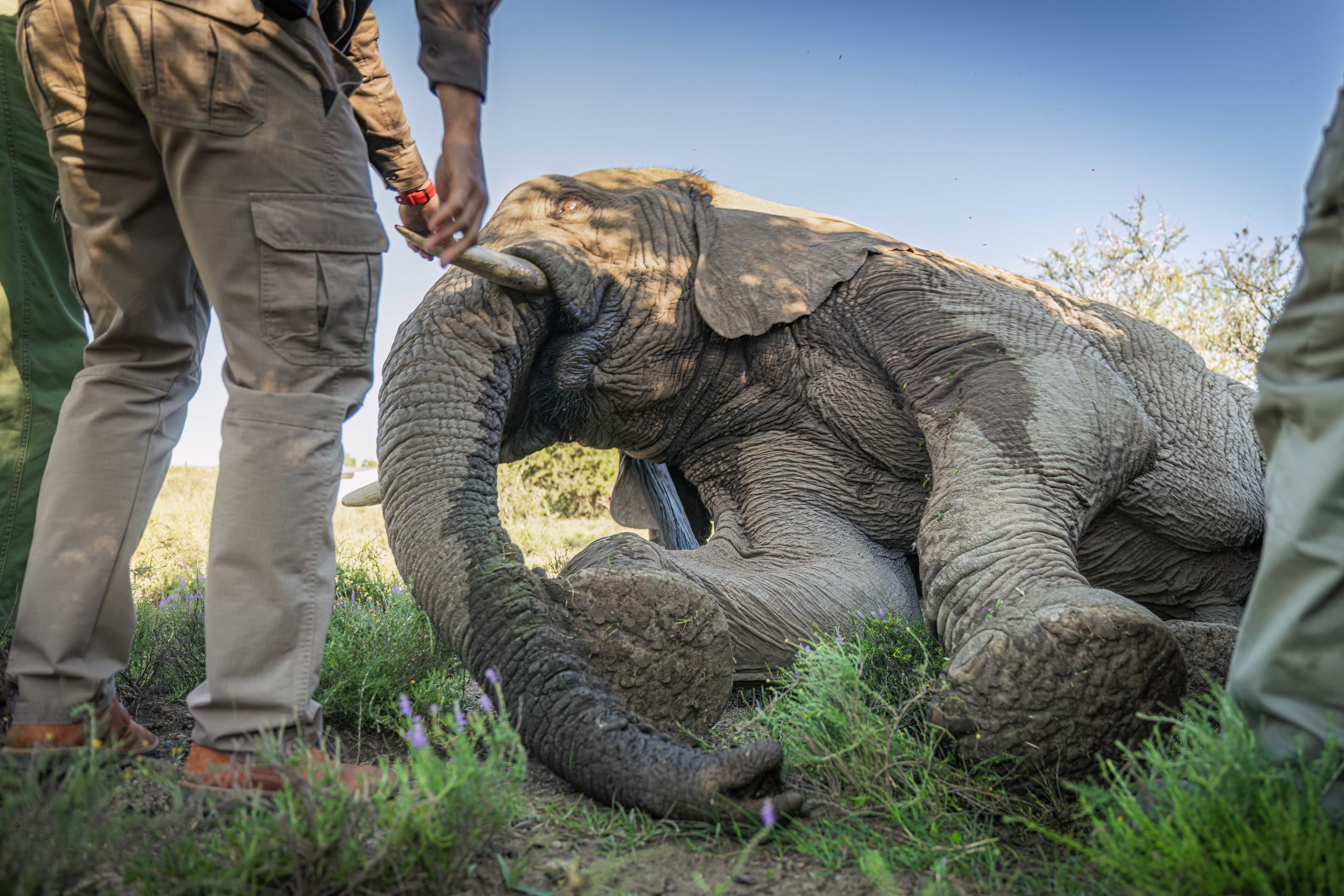
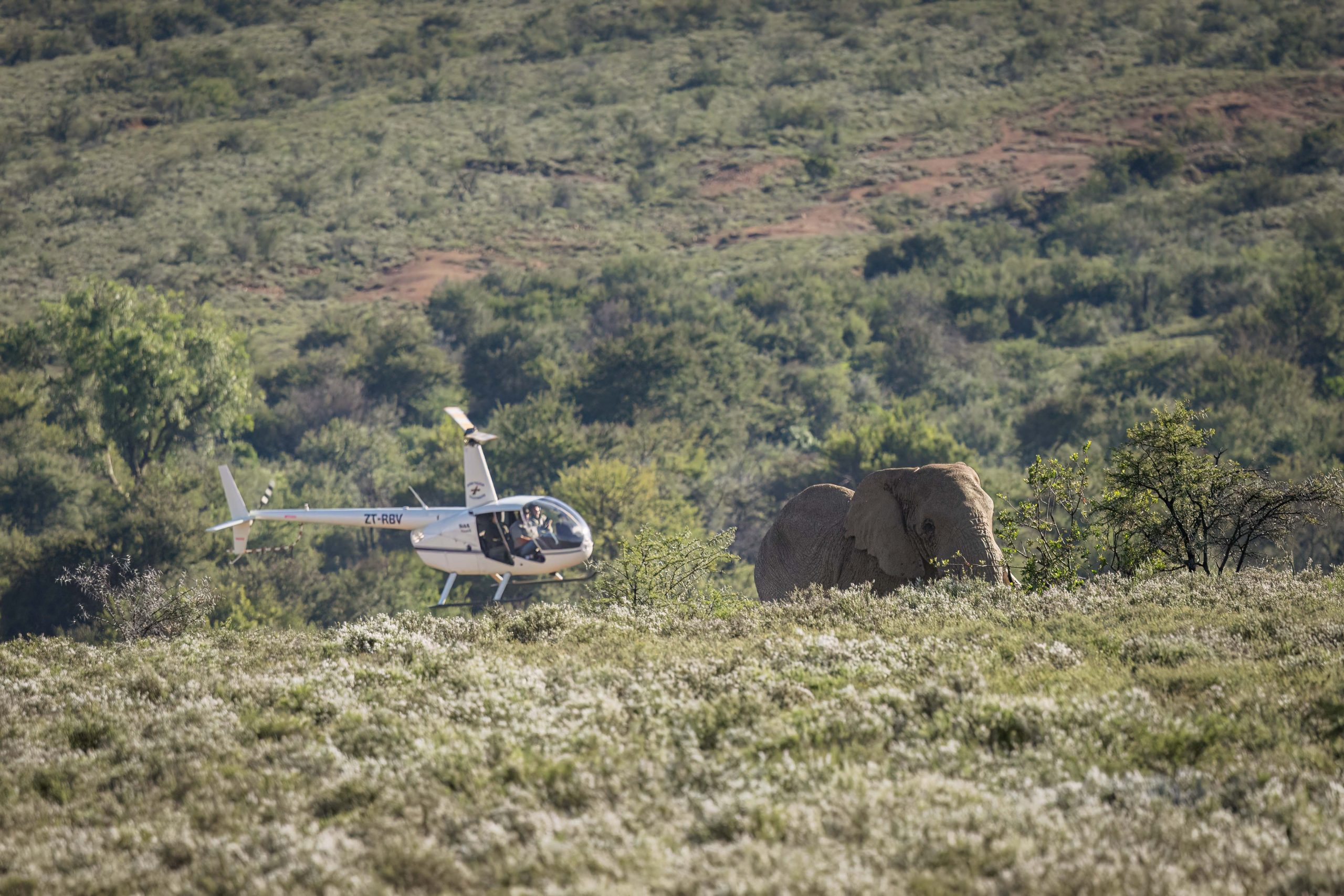
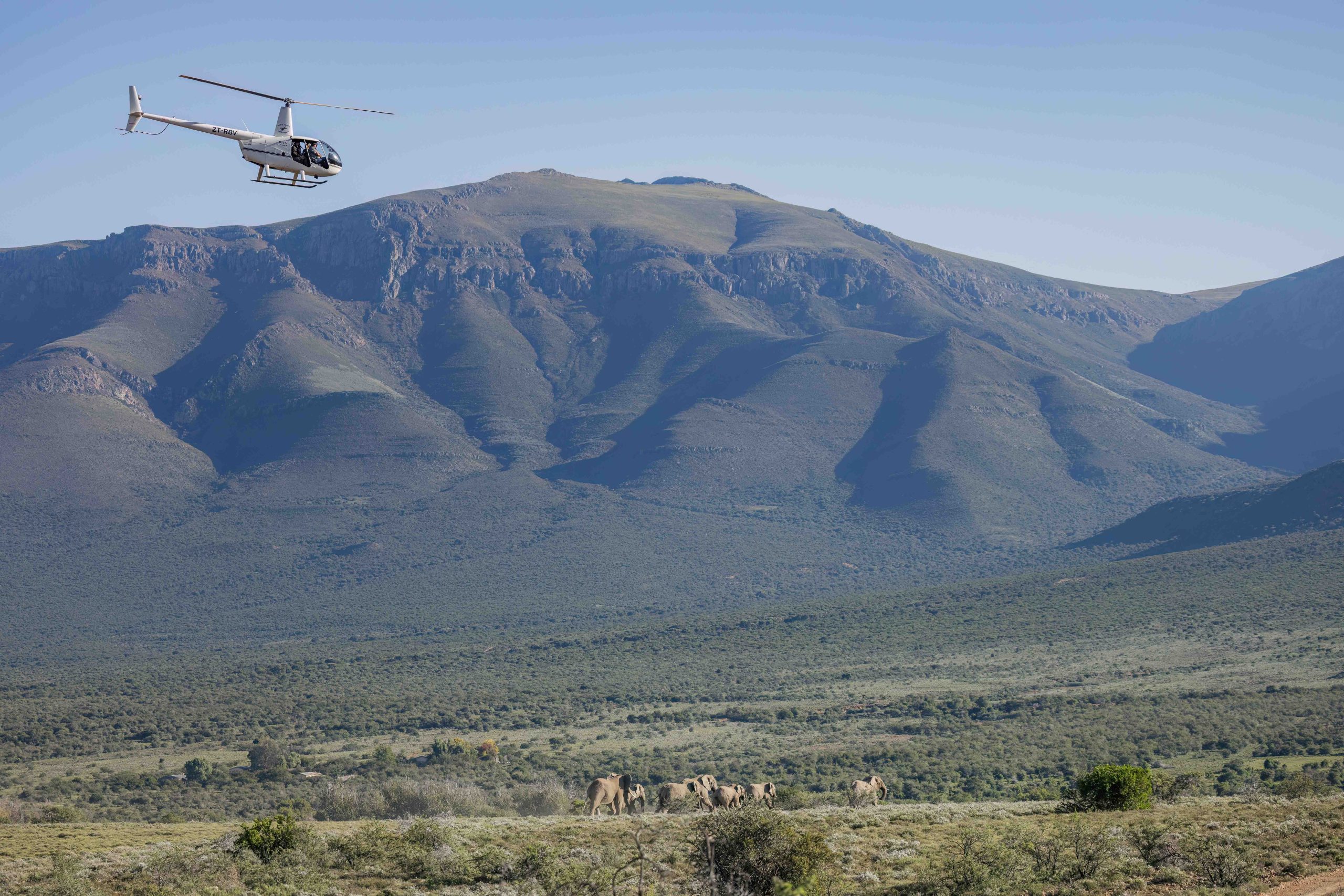
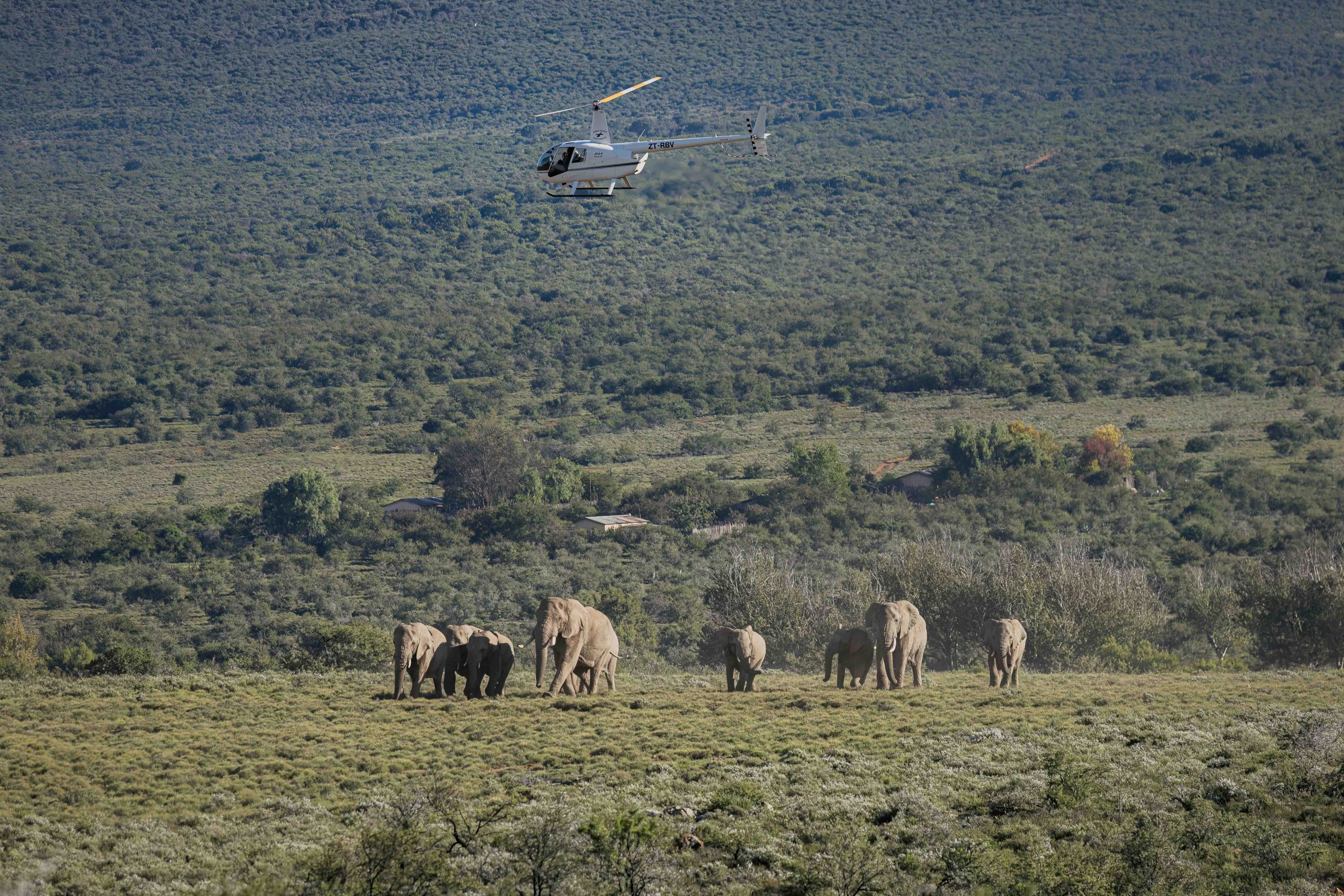
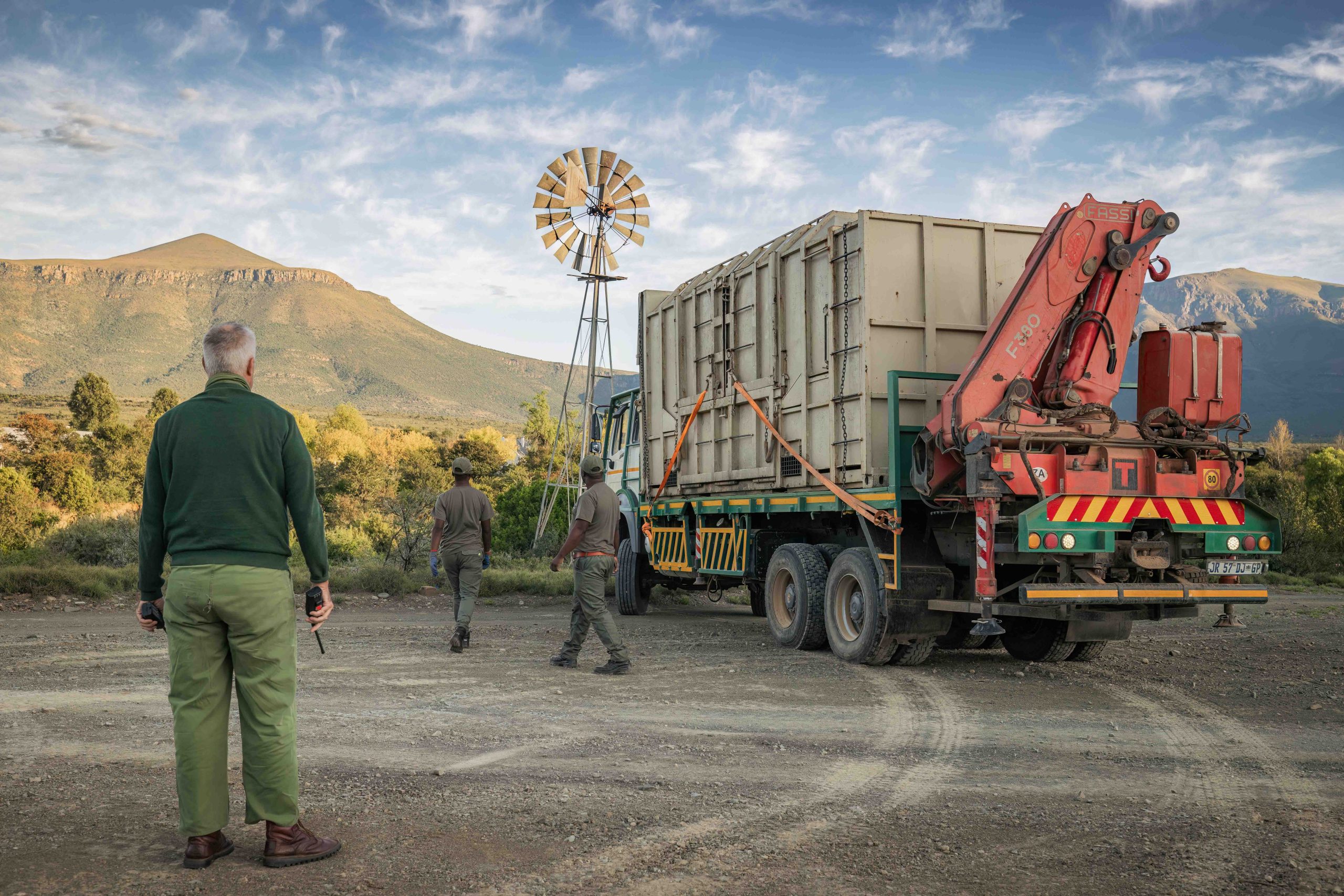
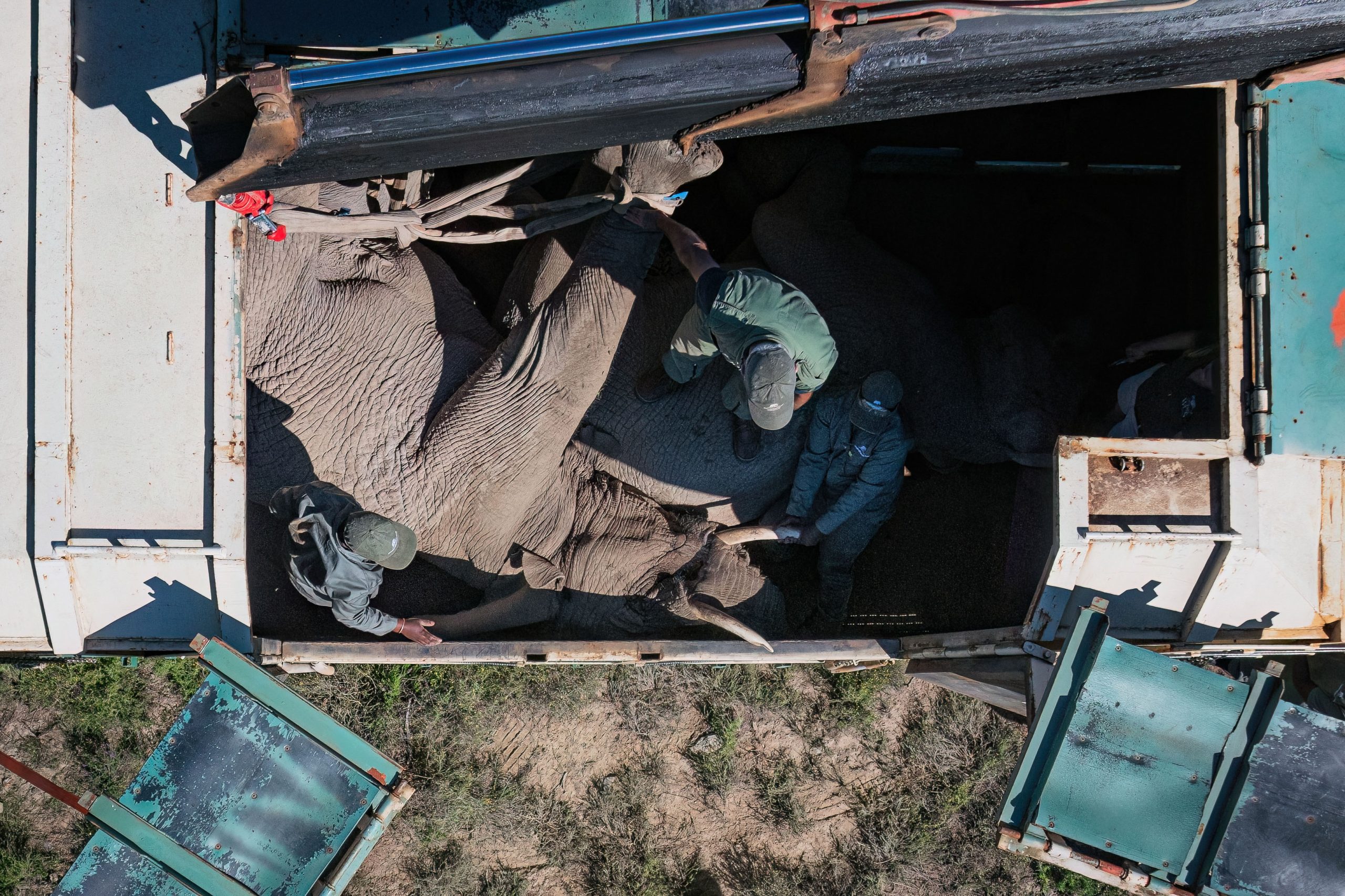
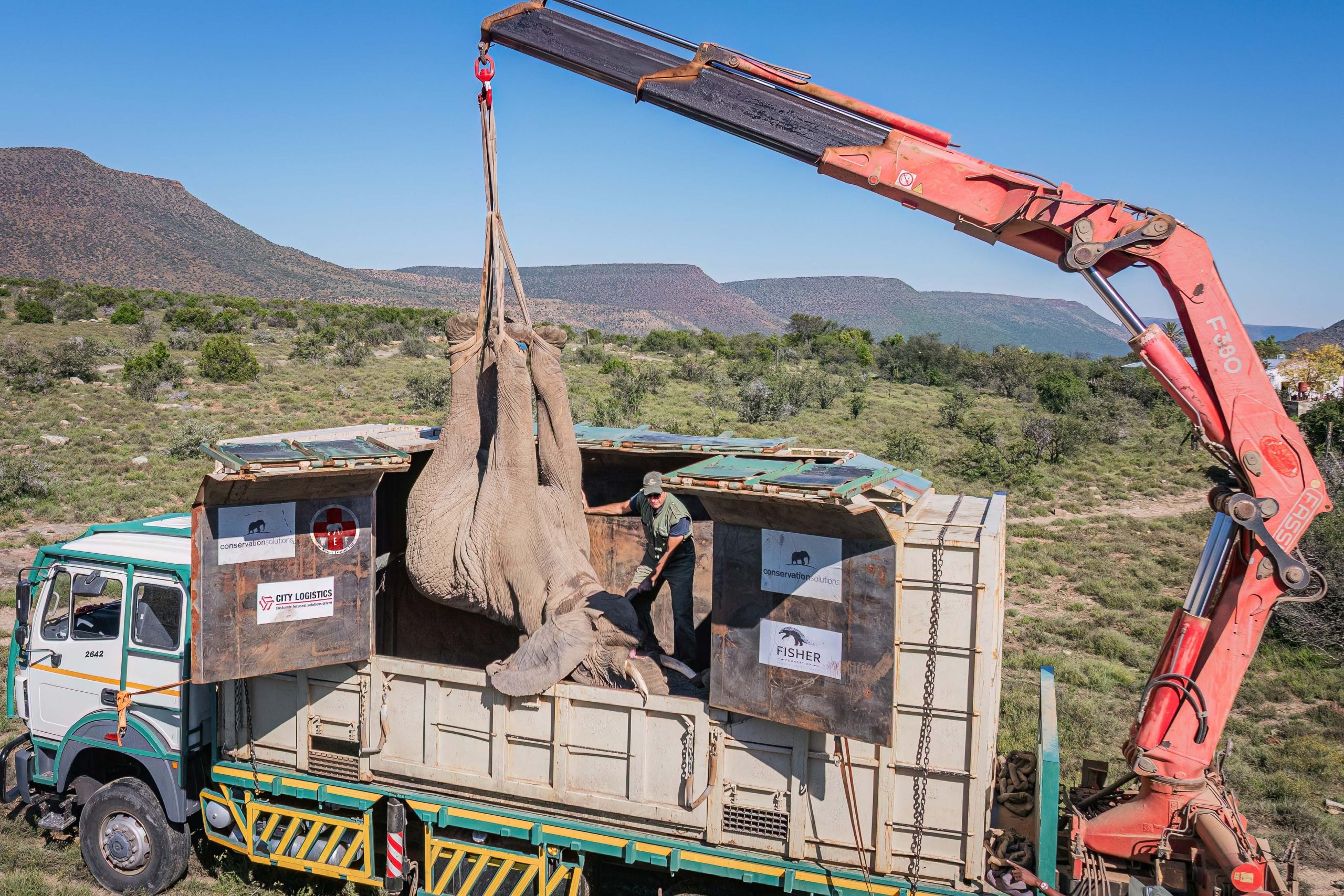
On Friday, May 9th, a cohesive family unit of five elephants was translocated from the Asante Sana Game Reserve in the Karoo to the Longhill Private Reserve in the Addo Region. The operation was carried out through a collaboration among the Fisher Foundation, the Wildlife Emergency Fund, Conservation Solutions, and the reserves. 

Due to the breeding success at Asante Sana, the reserve’s elephant population had reached its prescribed ecological carrying capacity; therefore, the decision was made to move a small family unit to ensure the long-term sustainability of the reserve. 

The elephant family was translocated to Longhill Private Reserve, which previously did not have elephants. This operation marks a successful expansion of elephant range in the Eastern Cape. Elephant populations are reaching their carrying capacity in many reserves in South Africa, and it is essential that more safe spaces, like Longhill, are established to secure the future of elephant populations in the country.

Longhill Reserve, under the stewardship of the Biggs family, has become a growing conservation success in the Eastern Cape. The reserve removed internal fencing in 2018 and has since reintroduced cheetah, buffalo, and other species. Longhill is positioning itself as a key conservation anchor in the Addo region, with future introductions such as rhino and brown hyena on the horizon.

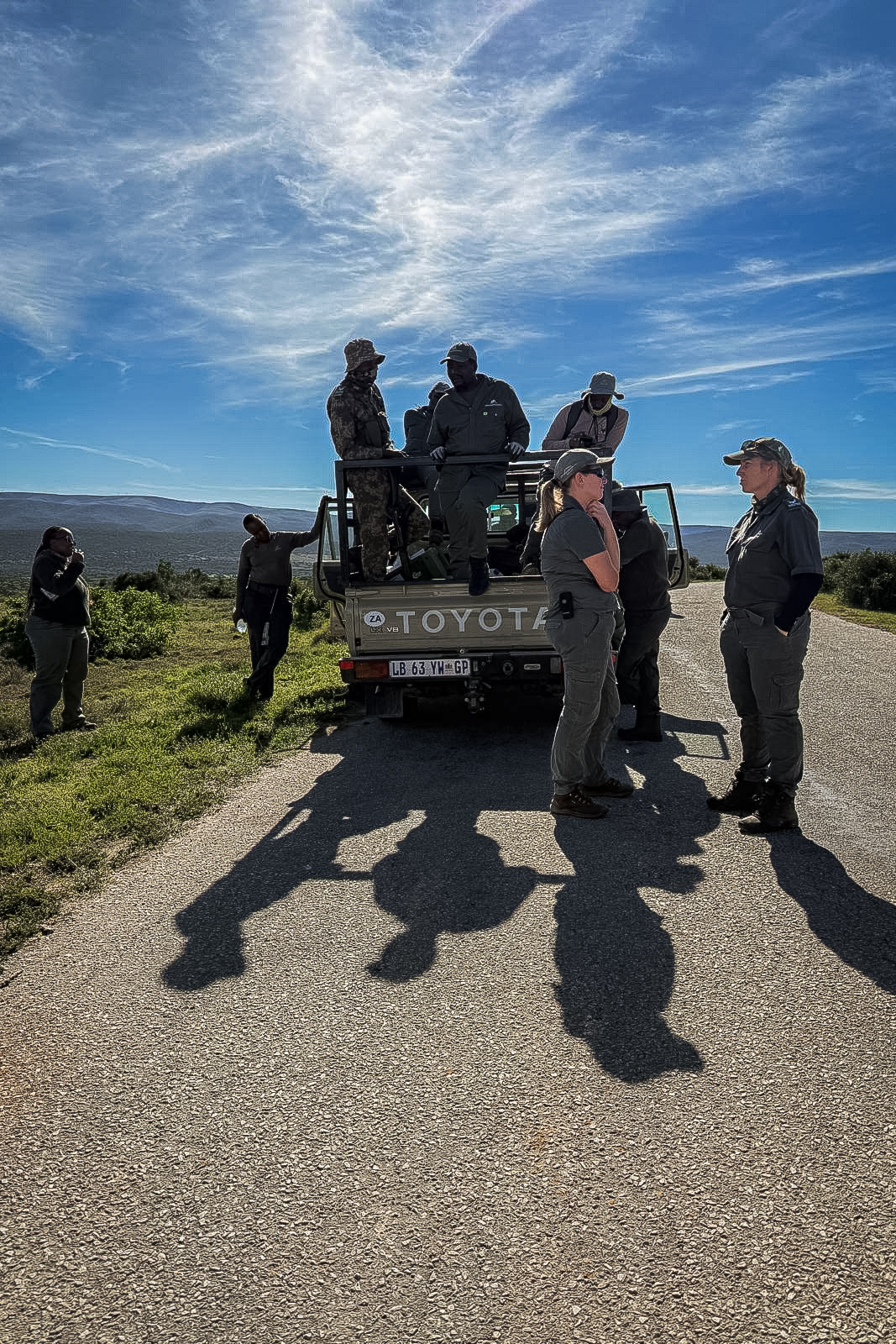
An operation of this size requires a highly specialized and experienced team. The operation was led by capture veteran Kester Vickery and the team from the Wildlife Emergency Fund, while Dr. Annie Mears and Dr. Brendan Tindall provided veterinary expertise. Critical funding support was provided by the Fisher Foundation. 

Dereck Milburn, Director of the Wildlife Emergency Fund, said, “We are thankful that the operation went well and that the range for elephants continues to expand in the Eastern Cape. Without reserves such as Asante Sana and Longhill Private Reserve, the elephant populations in South Africa would be at risk in the long term.”

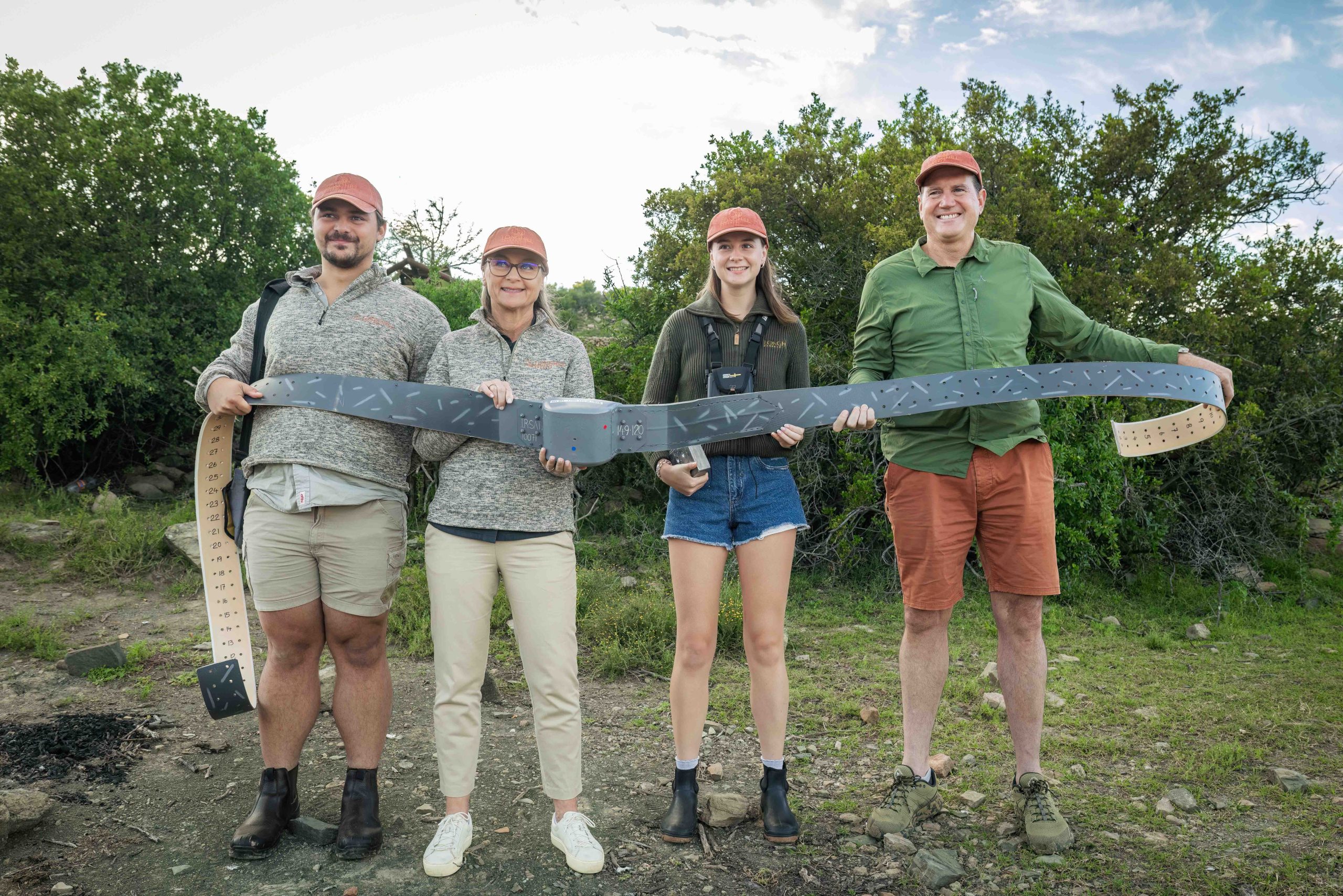
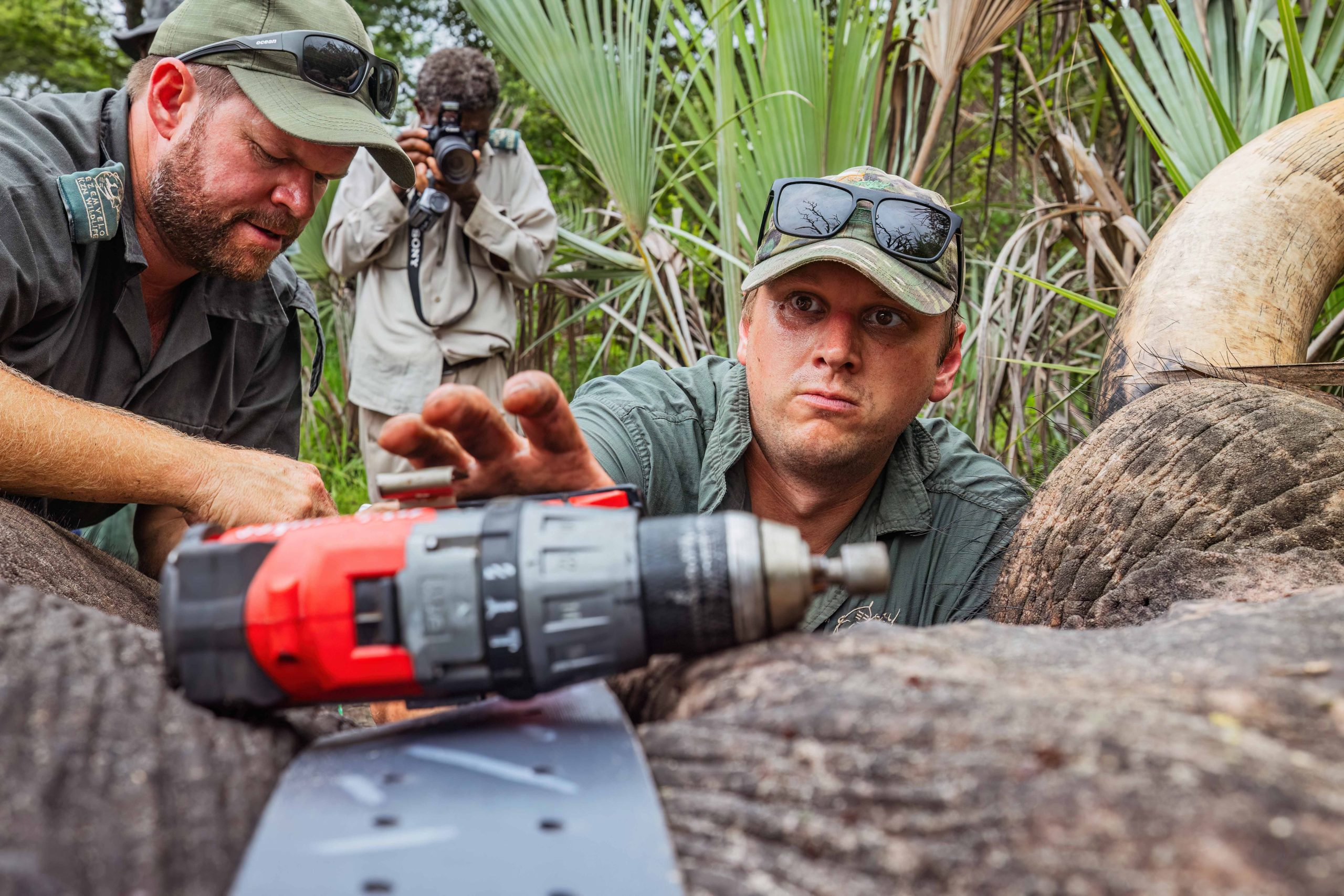
The matriarch of the herd was fitted with a GPS collar so the herd can be tracked daily to ensure their safety and well-being after their journey. They have settled in well, are making good use of their new home, and have already found favorite feeding areas.

Partners & Collaborators

WEF Asante Sana Elephants Logos (1)

Photography:  © Wiki West

JOIN THE FRONTLINES

© 2025 All Rights Reserved. Powered by Mosquito Media.

42 Elephants Relocated to a New Section of Addo Elephant National Park

42 Elephants Relocated to a New Section of Addo Elephant National Park

42 Elephants Relocated to a New Section of Addo Elephant National Park

The Wildlife Emergency Fund (WEF) team is often called to be part of specialist capture teams in complex operations across Africa. Recently, some WEF members were requested to join an experienced capture team at Addo Elephant National Park, where 42 elephants were translocated to a new section of the park.

The elephants were captured in the Main Camp section and subsequently transported to the newly fenced Kabouga Section. This was part of Addo’s range expansion strategy for the park’s elephant and black rhino populations.

The operation was funded by the Global Humane Conservation Fund of Africa and was implemented in partnership with SANParks. WEF provided technical input during the project’s planning phase and offered technical expertise throughout the capture process, particularly in the recovery and loading of the elephants.

The operation was a significant success, and the elephants were fitted with satellite collars that allow them to be monitored on an ongoing basis to ensure their safety and well-being.

JOIN THE FRONTLINES

© 2025 All Rights Reserved. Powered by Mosquito Media.

Tusker Destruction Averted

Tusker Destruction Averted

Tusker Destruction Averted

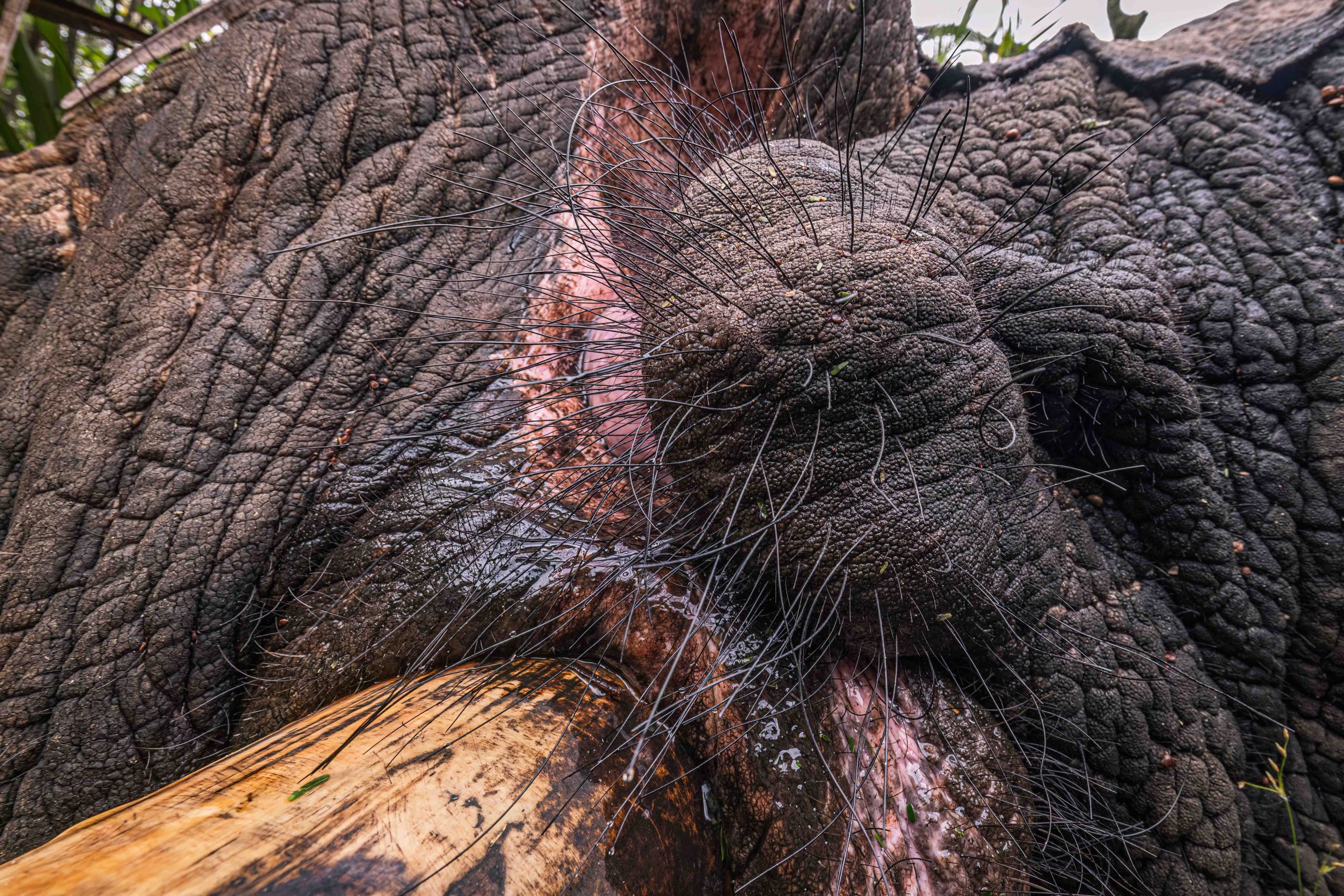
In northern Zululand, near the Mozambique border, a multi-disciplinary team races against time. The sun rises over the Indian Ocean, misty with the threat of rain—bad for the beach, perfect for moving a giant.

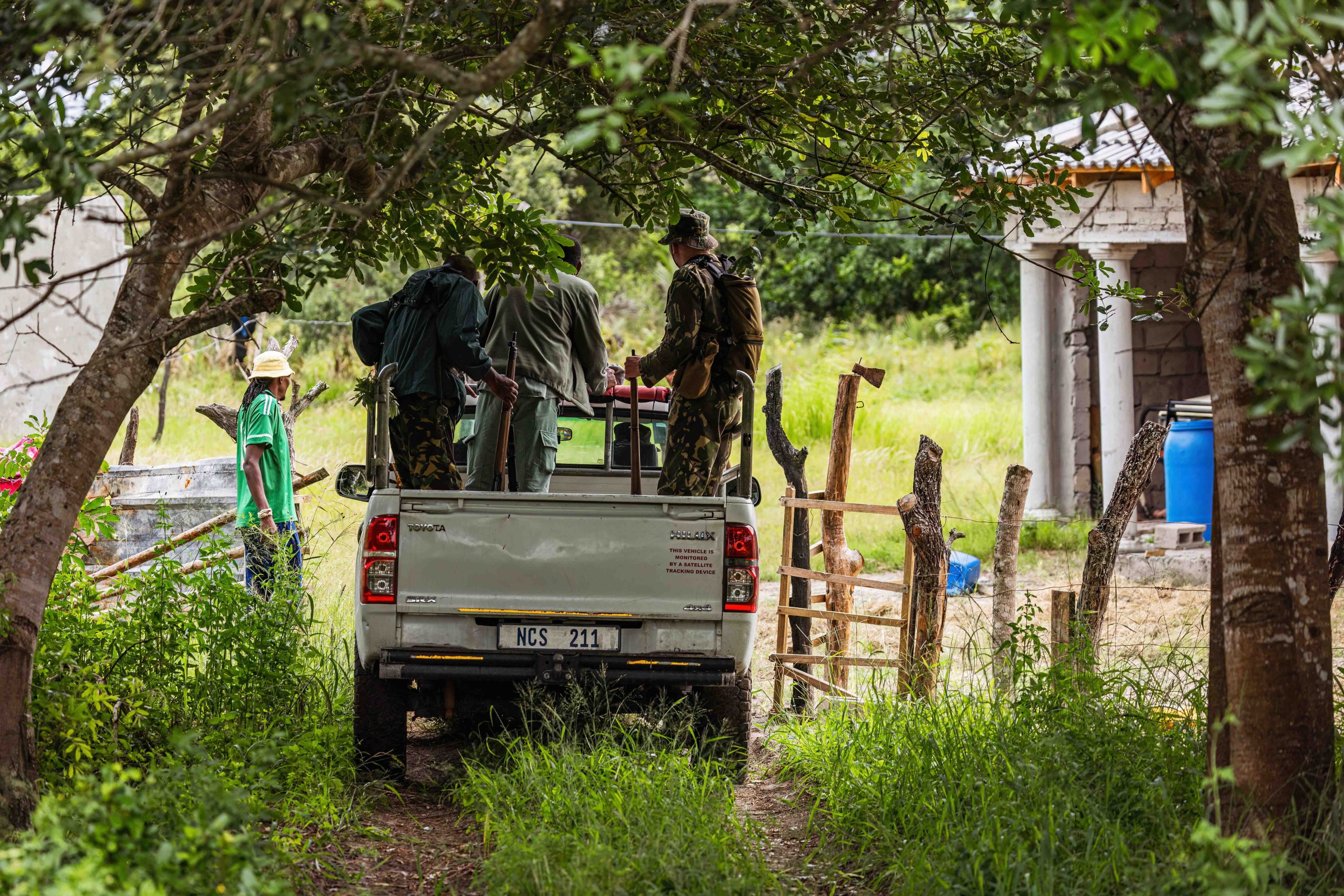
Life in rural South Africa is slower, shaped by realities absent from cities. Running water, data, and electricity are luxuries. Wildlife like leopards, crocodiles, and snakes are a daily presence.

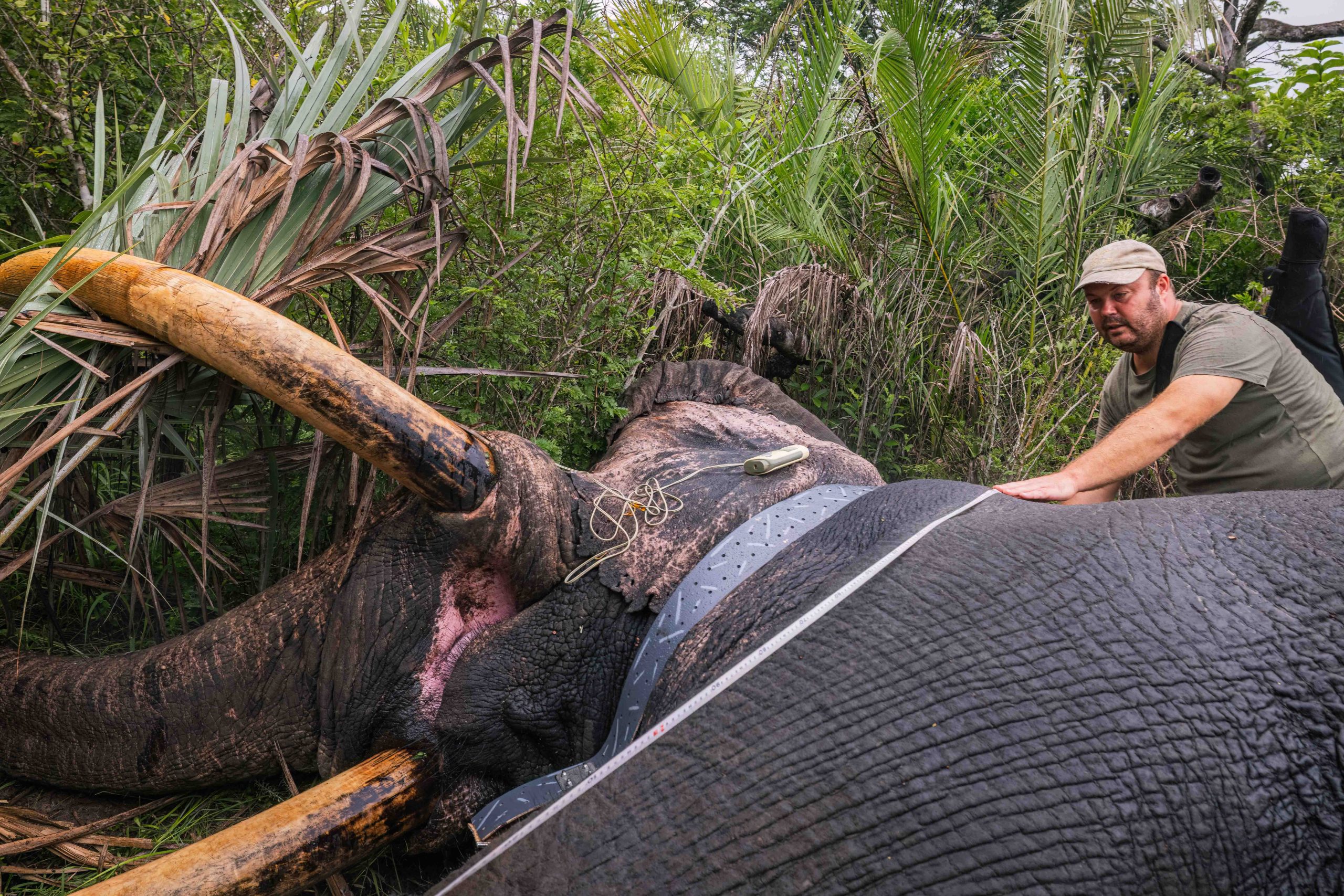
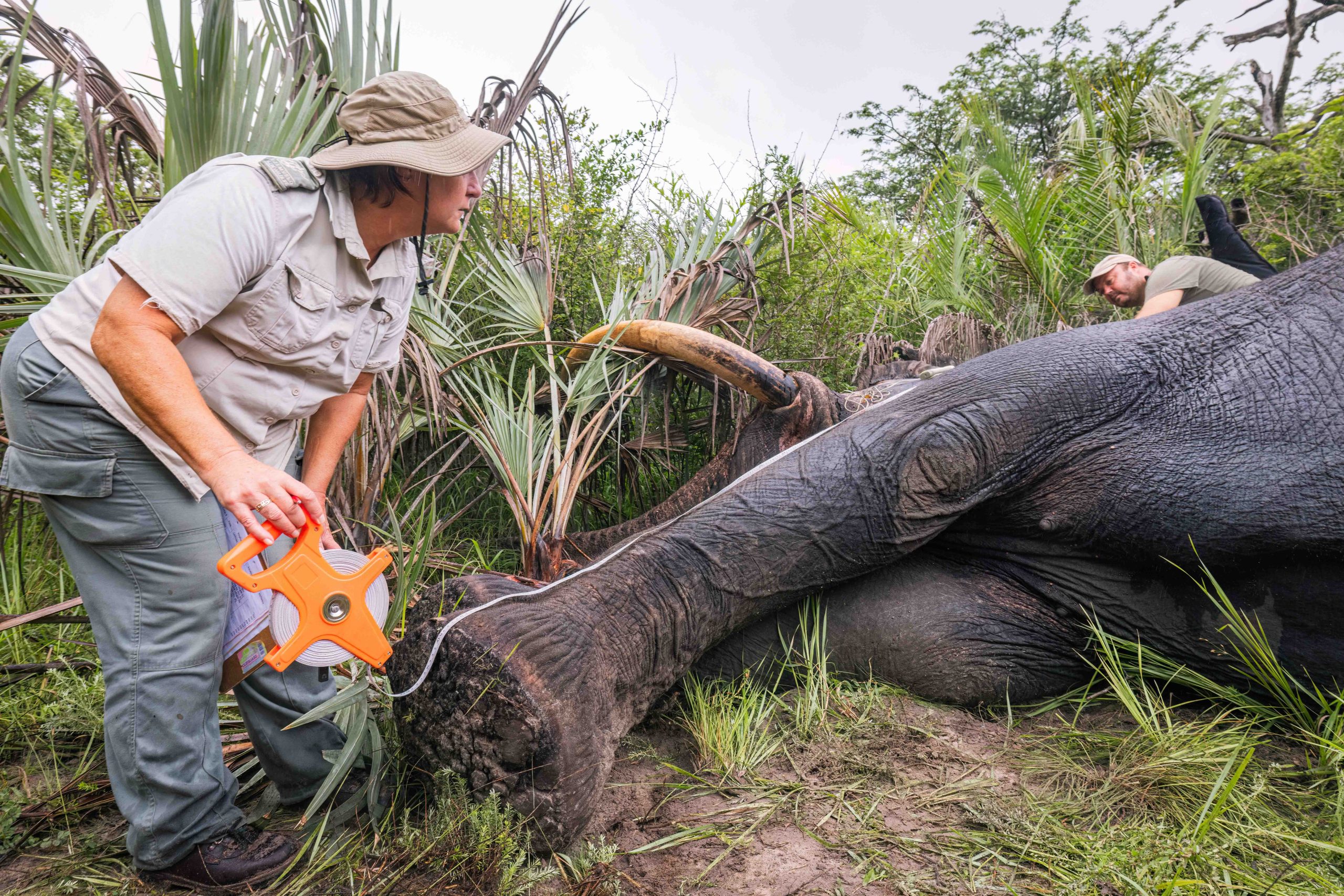
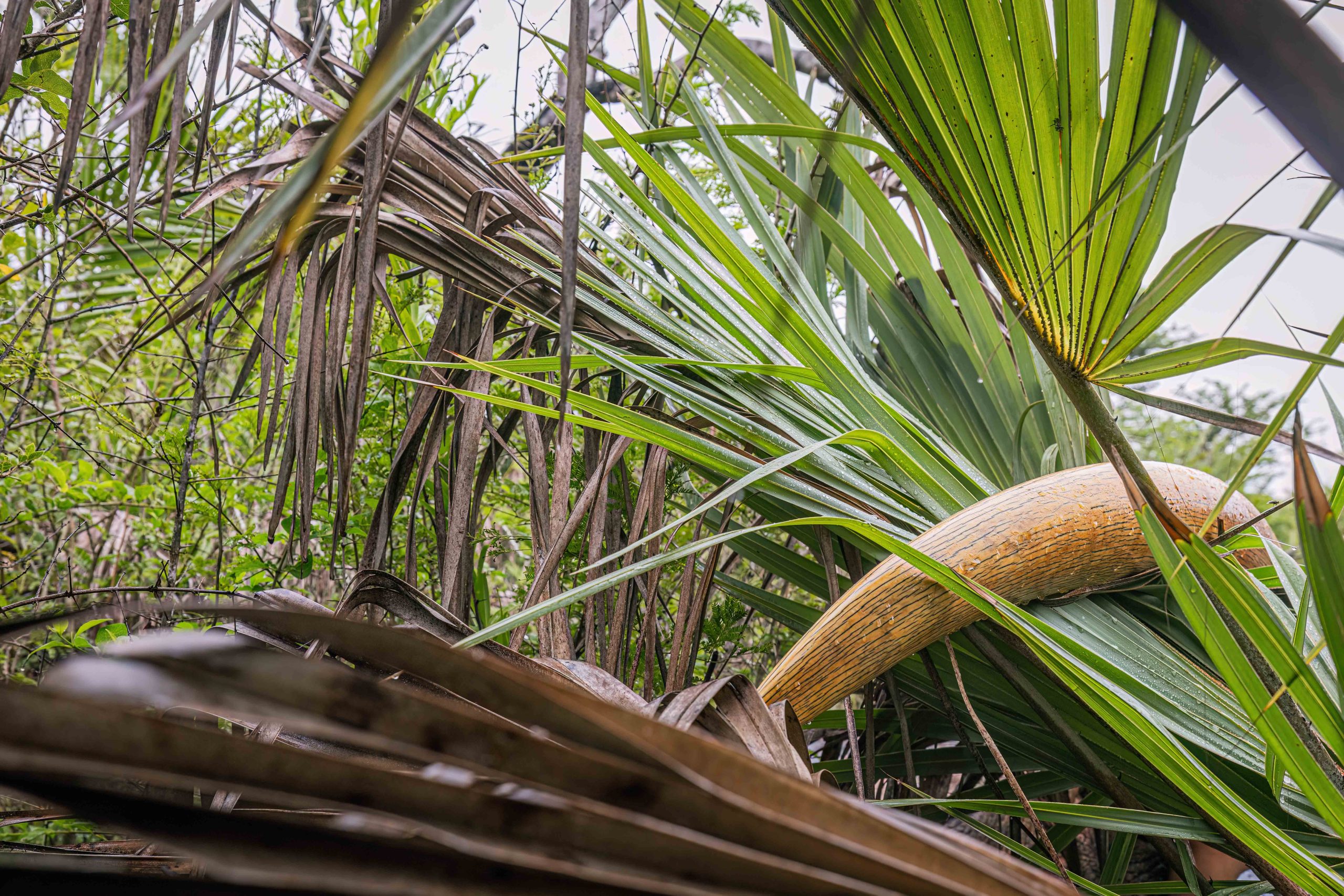
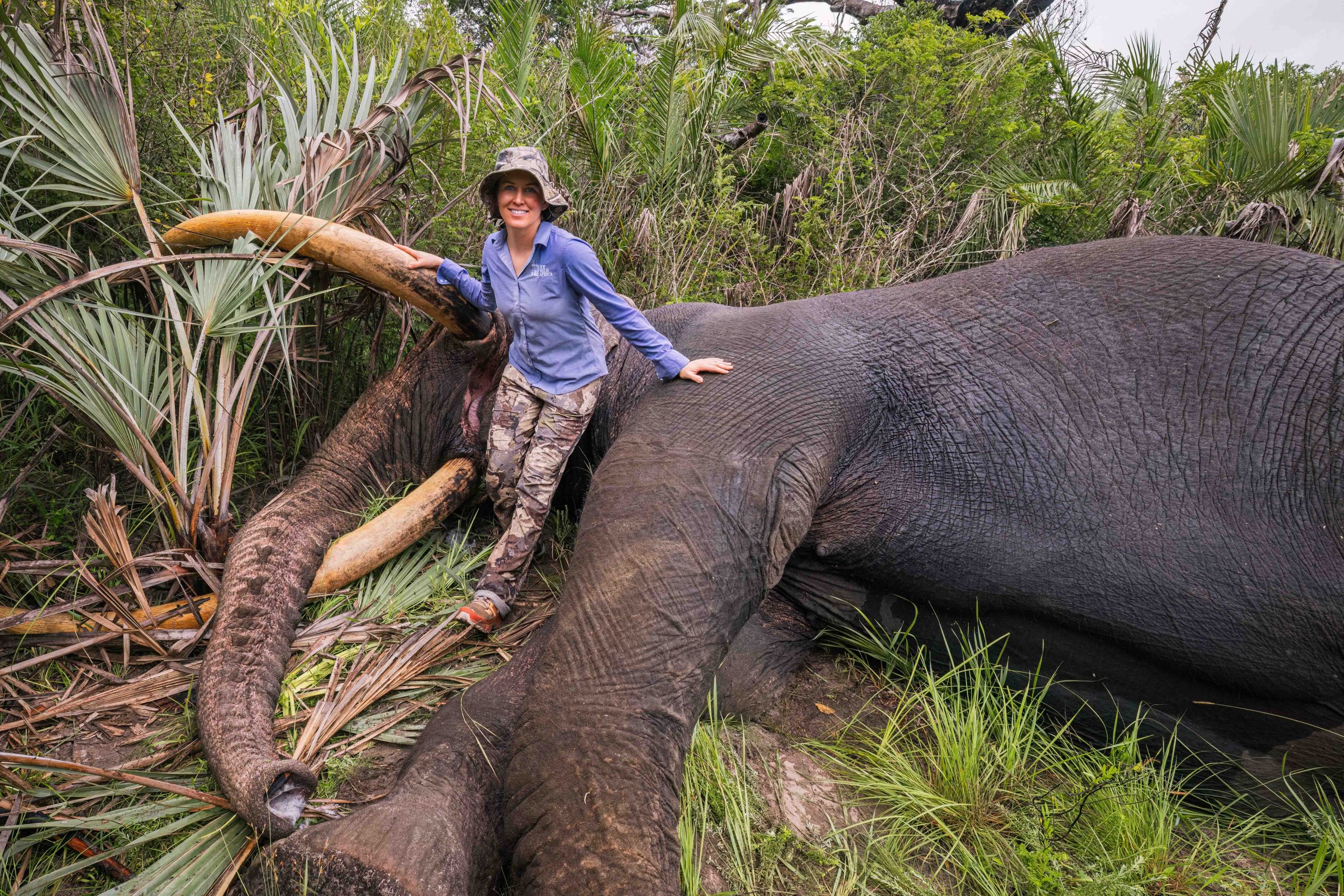
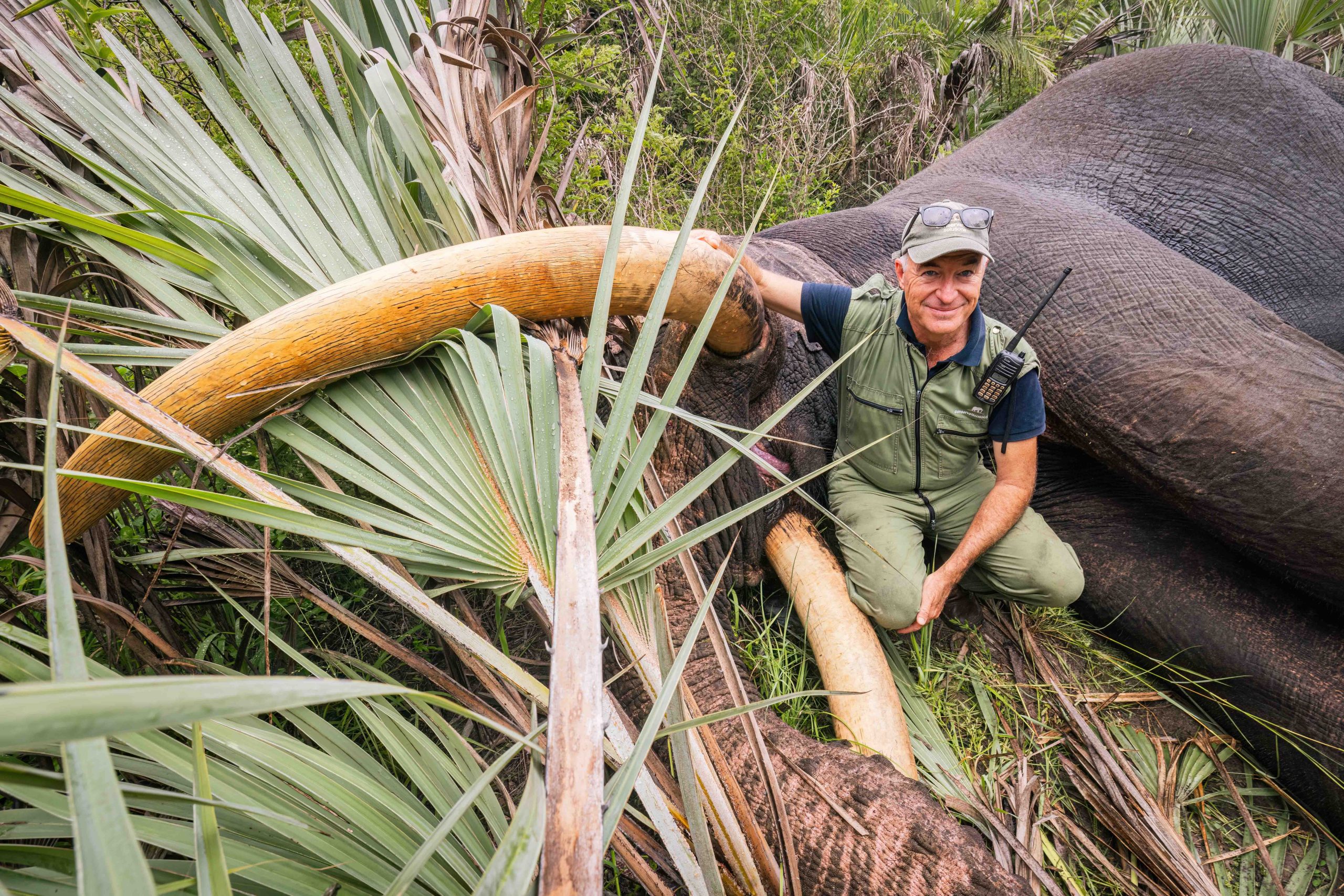
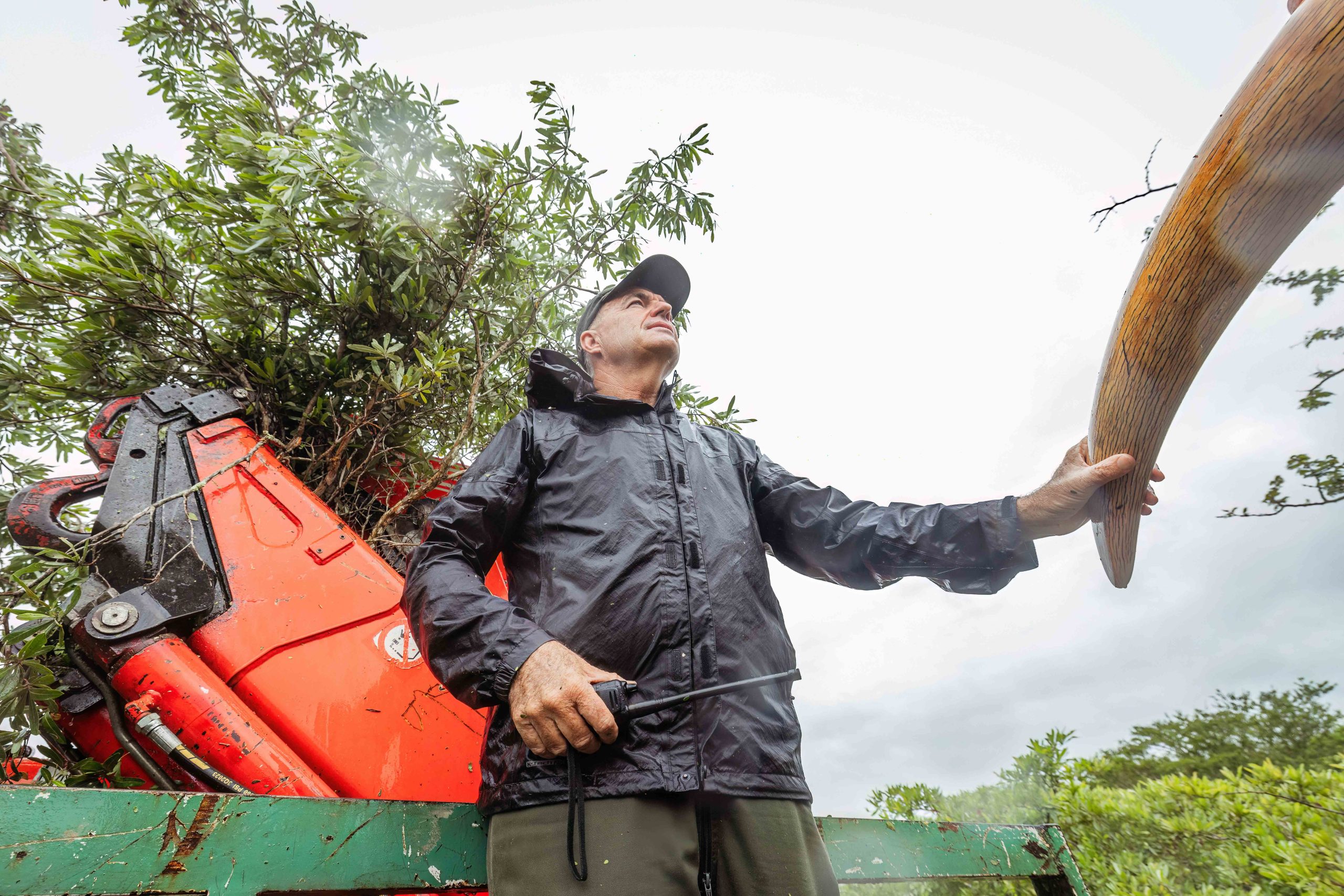
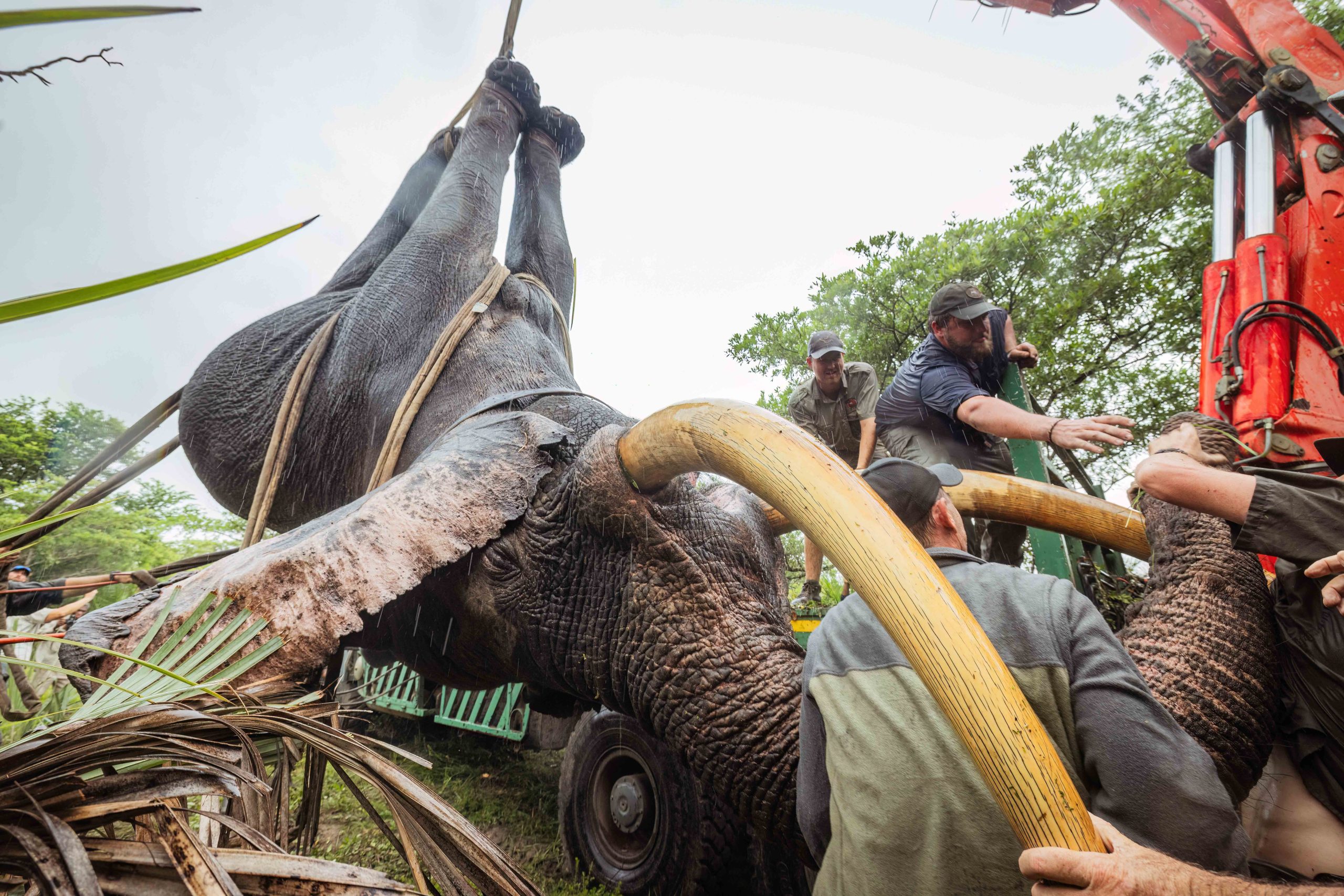
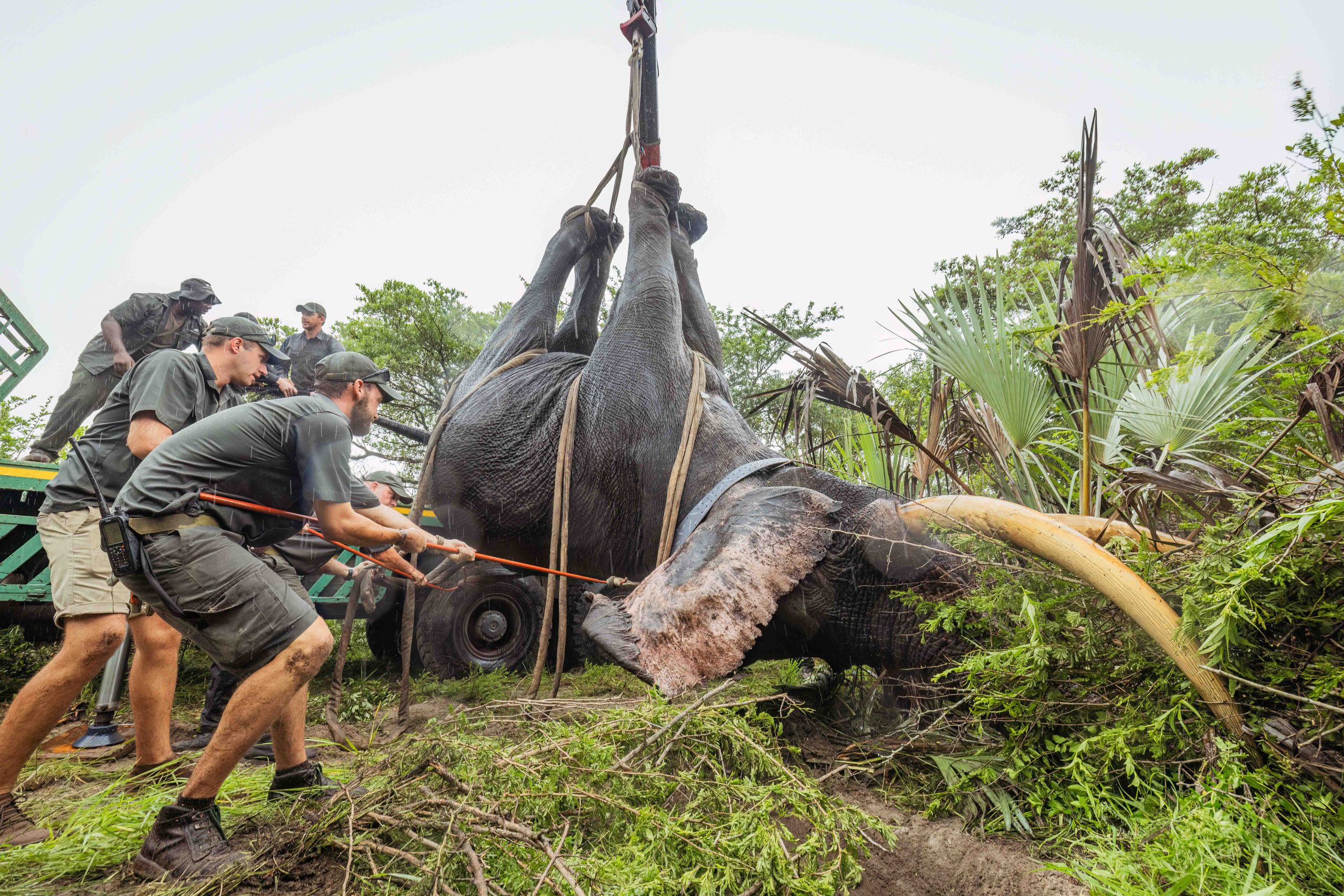
At Tembe Elephant Park, one 120-pounder (50 kg per tusk) has become a problem elephant, breaking fences and raiding crops. Electric fences are a psychological barrier, but once breached, containment is nearly impossible.

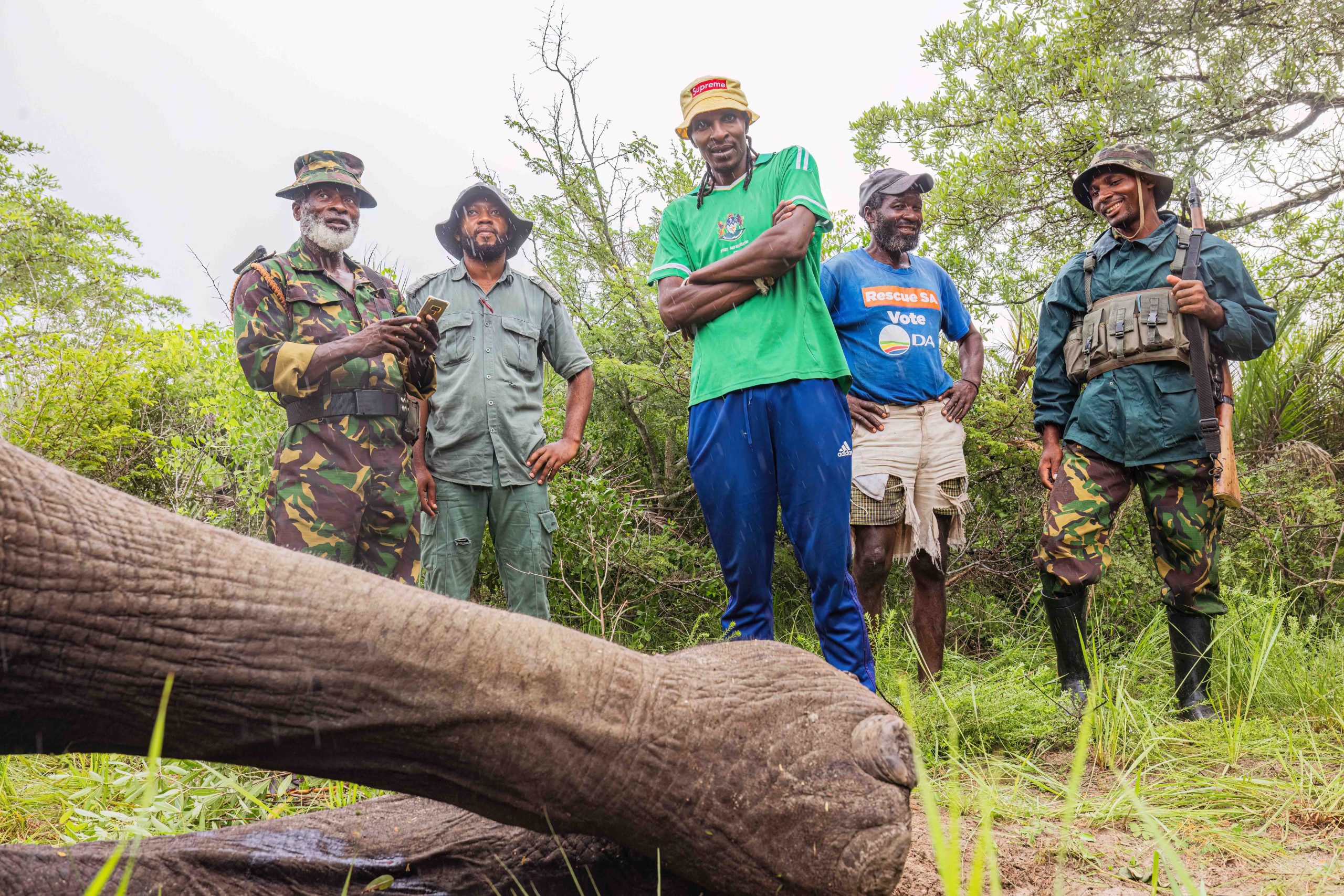
For the community living in the area, the damage is devastating. Imagine spending months tending your subsistence garden, sweet potatoes, mielies and green peppers, only to find it ravaged one morning, a light snack for the roaming pachyderm. Or worse, stumbling on this wayward elephant in the middle of the night or early morning. Human fatalities due to elephants are rare, but have happened in South Africa. With destruction looming, relocation was the only option—but moving a six-ton elephant is no small task.

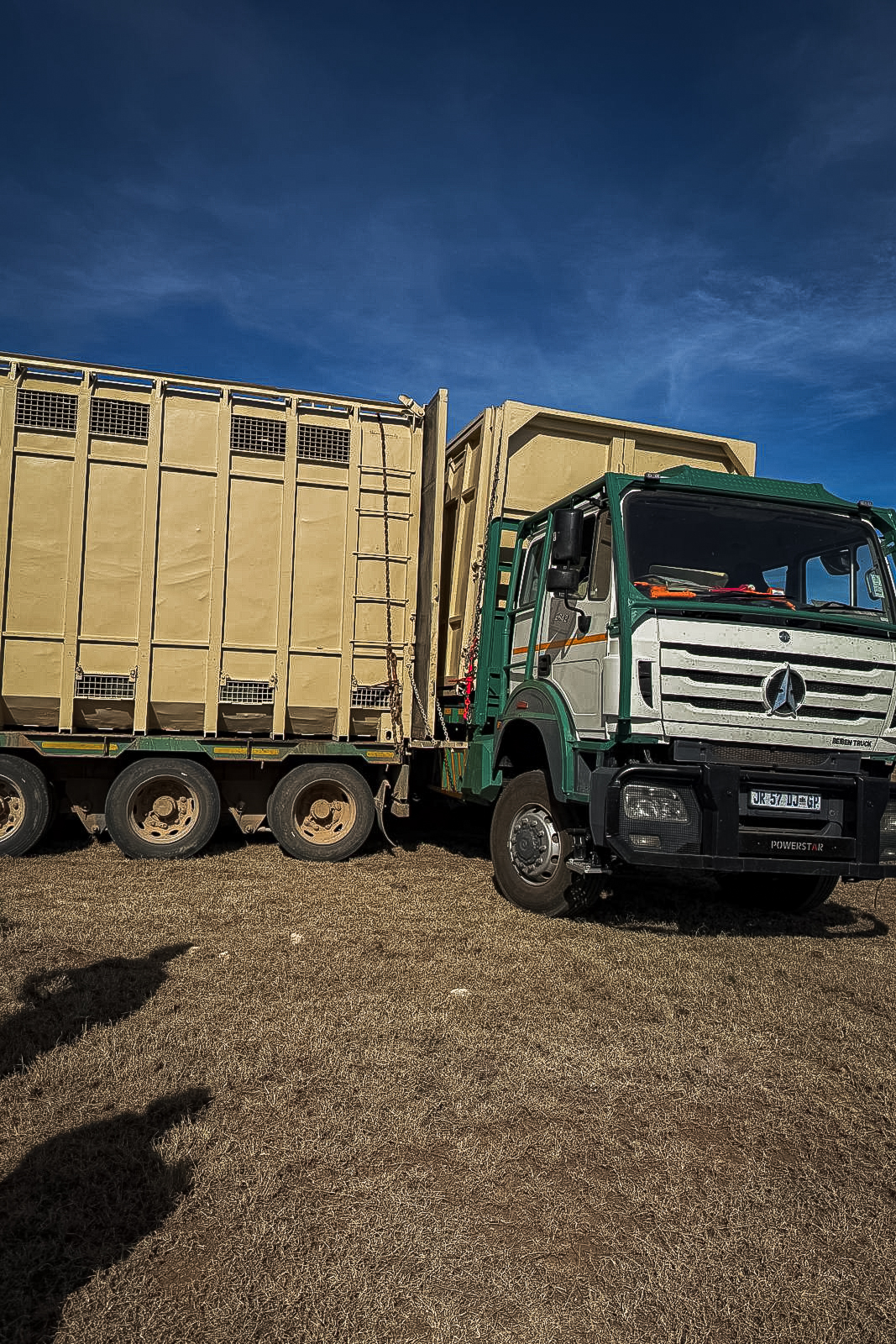
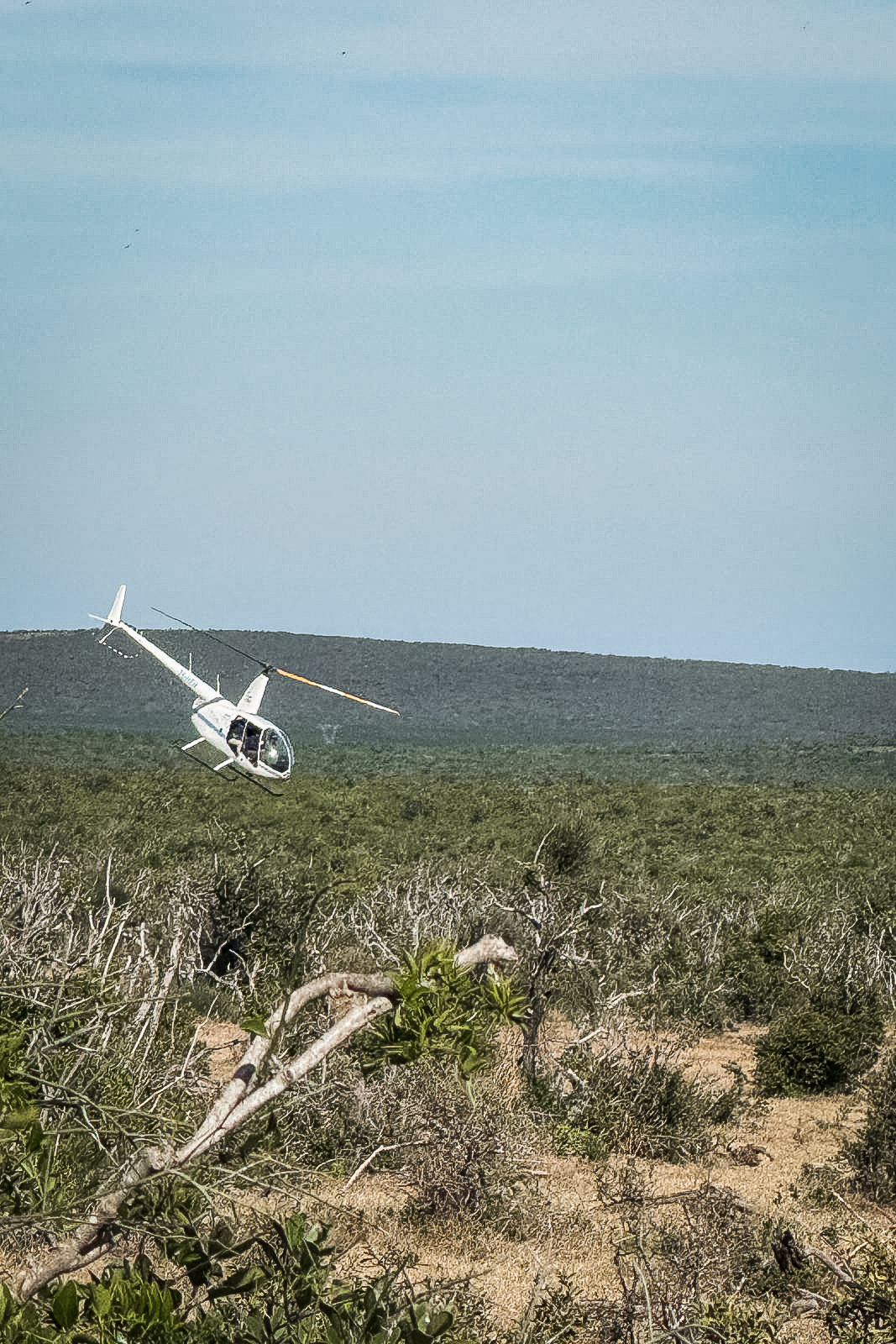
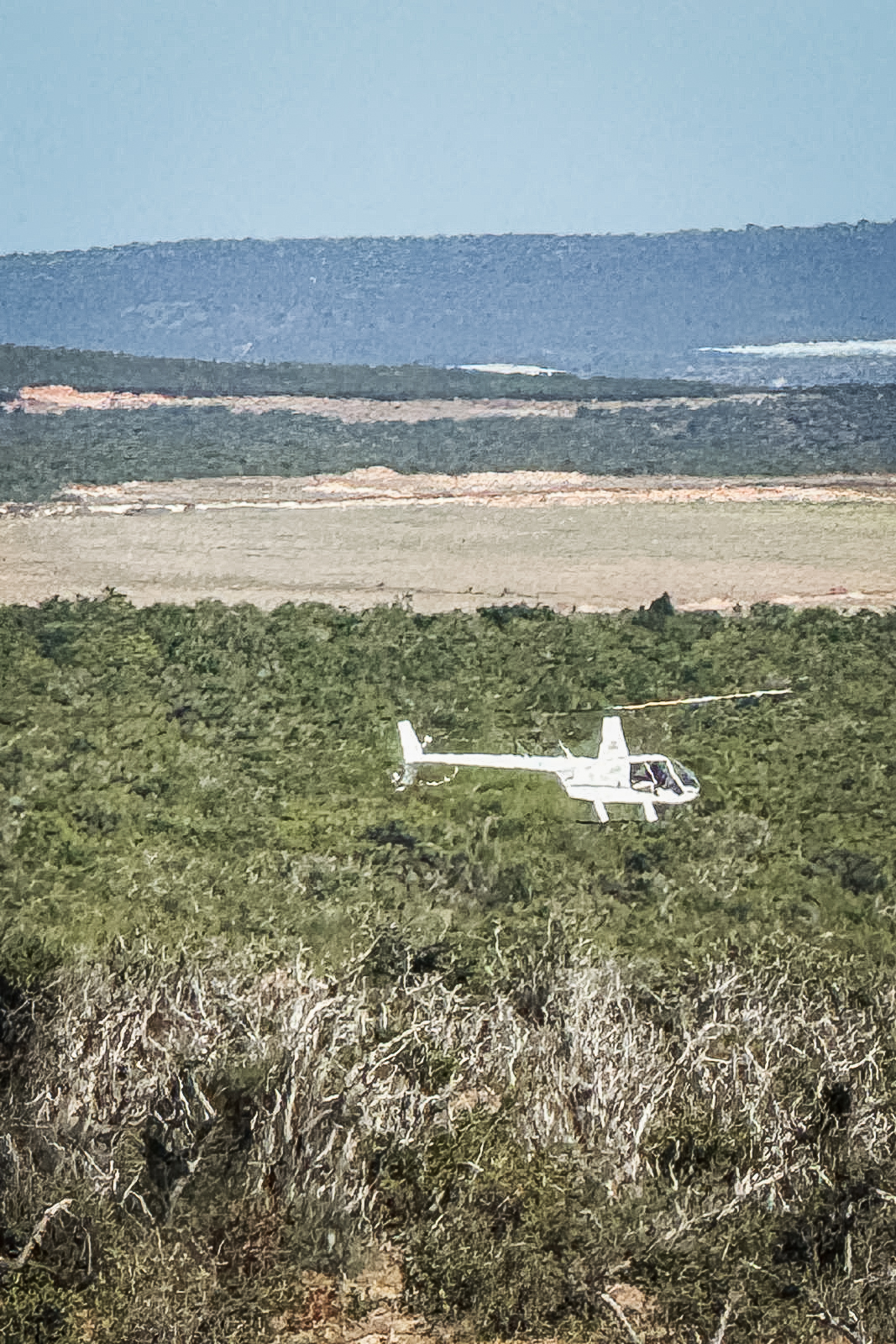
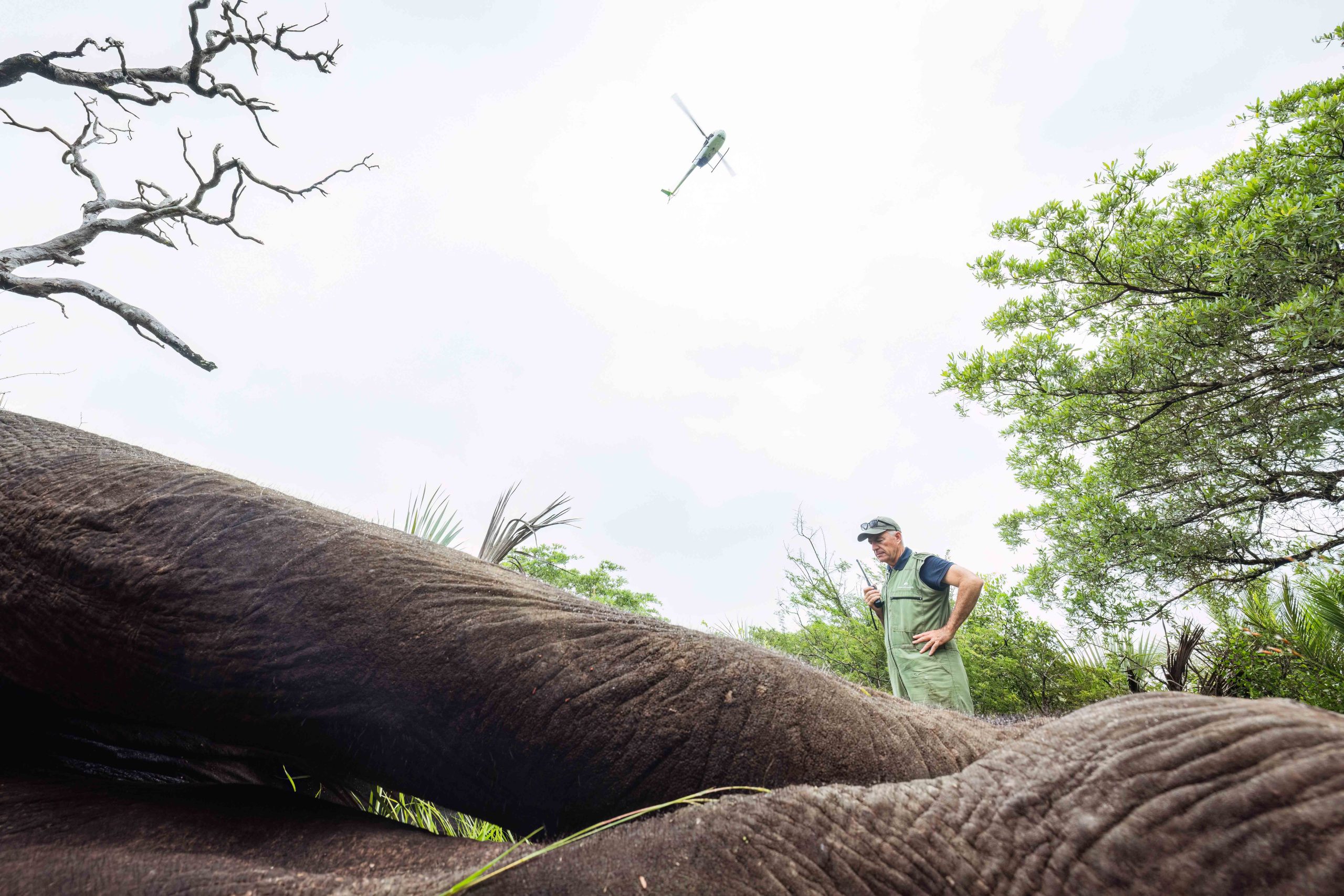
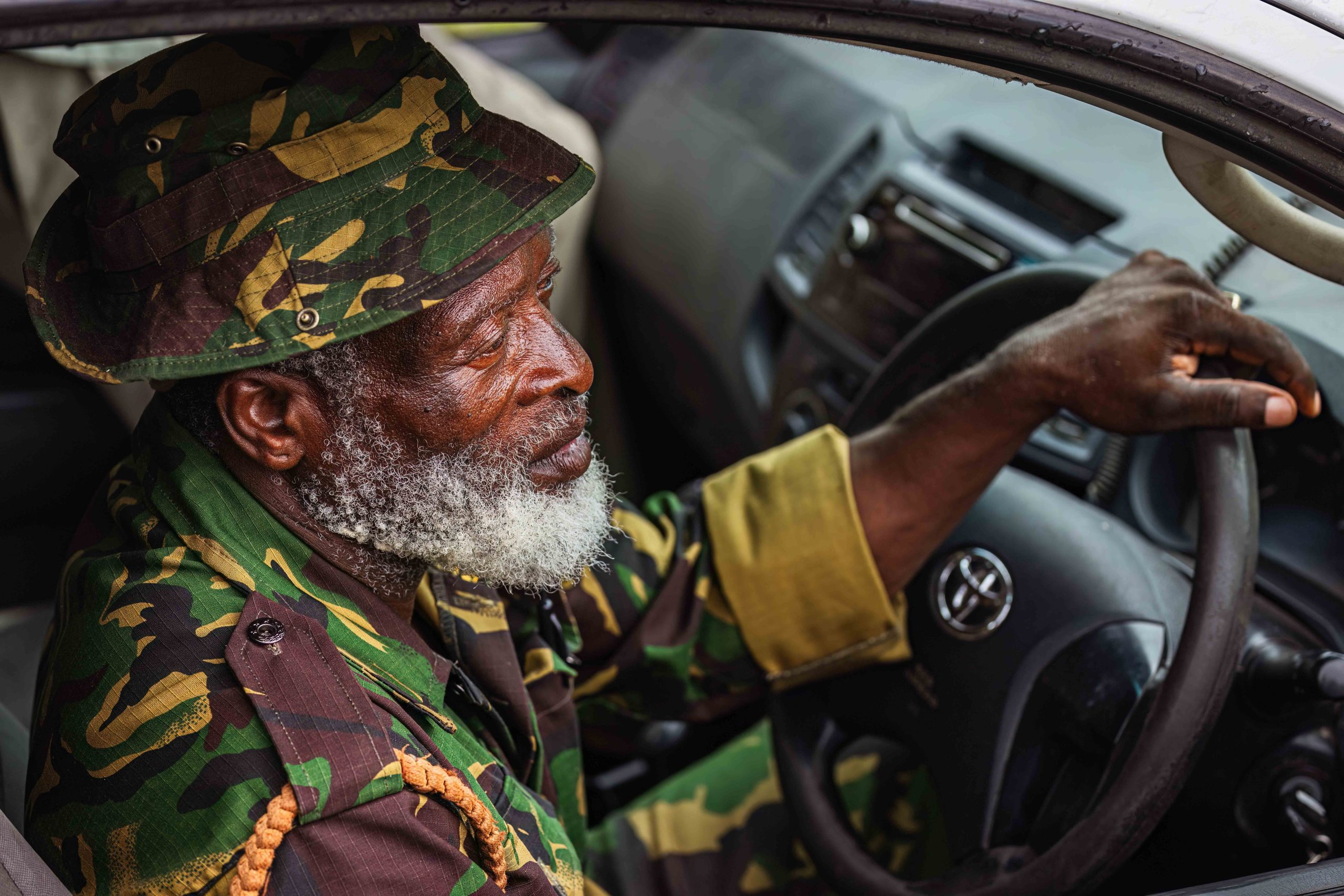
A team from Ezemvelo Wildlife Game Capture, Conservation Solutions, Phinda Reserve, and WeWild Africa assembled at 5am. An R44 helicopter, two semi-trucks, multiple 4x4s, and a thermal drone were deployed. 

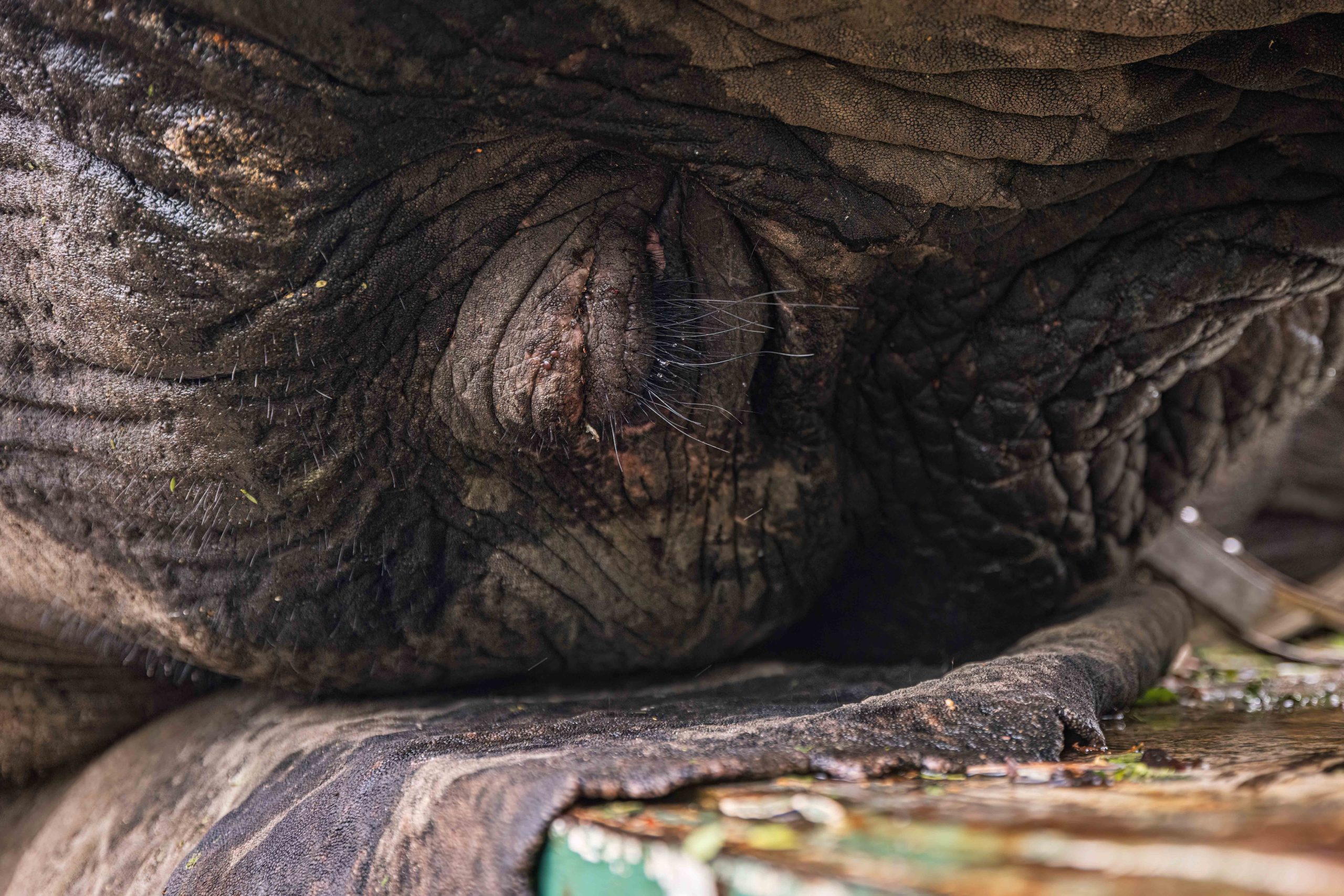
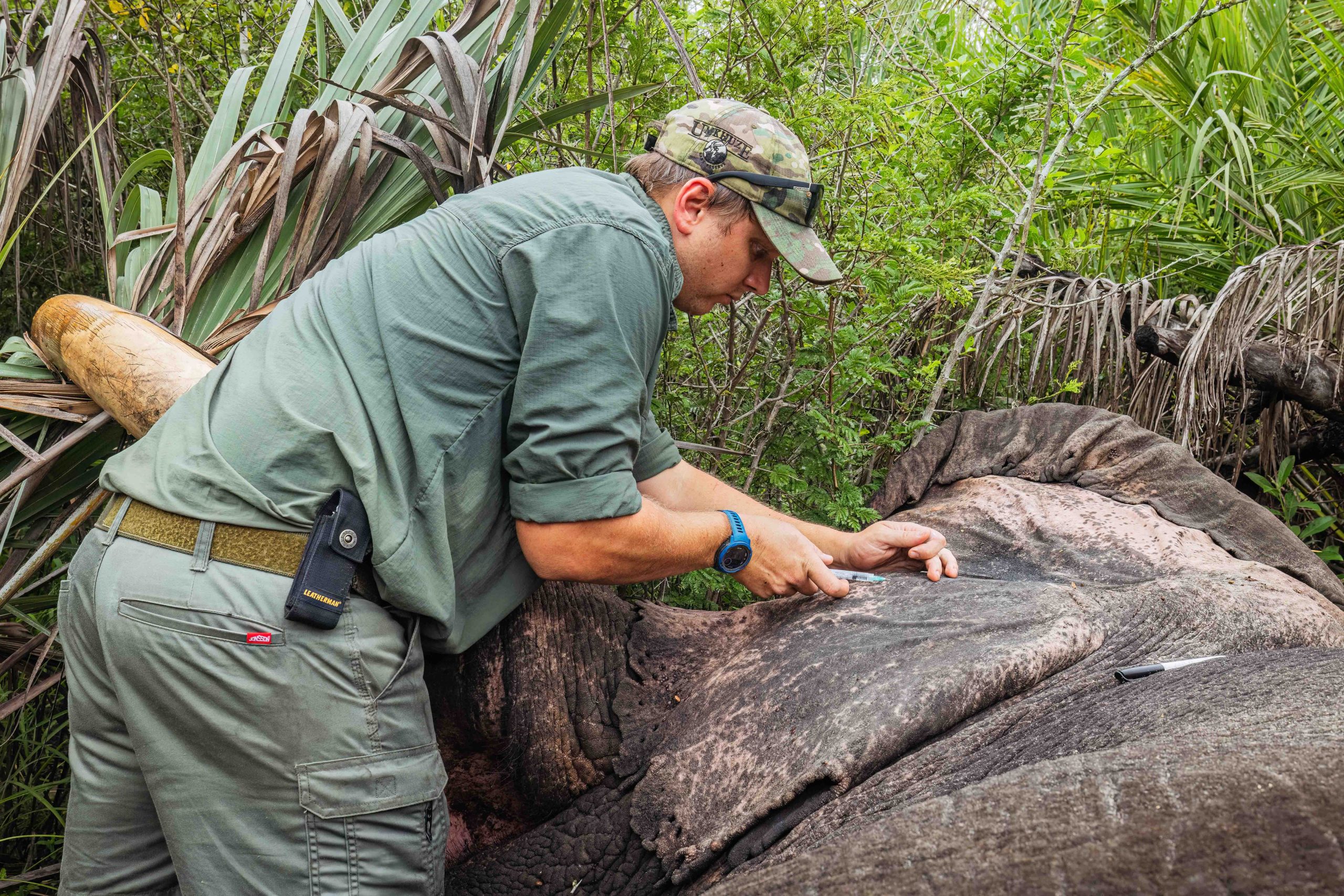
After five hours of tracking, the chopper and drone finally located the elephant. Despite sirens and attempting to corral it to the open, it kept retreating into thick vegetation.  Once the veterinarian darted the elephant, the clock started ticking.

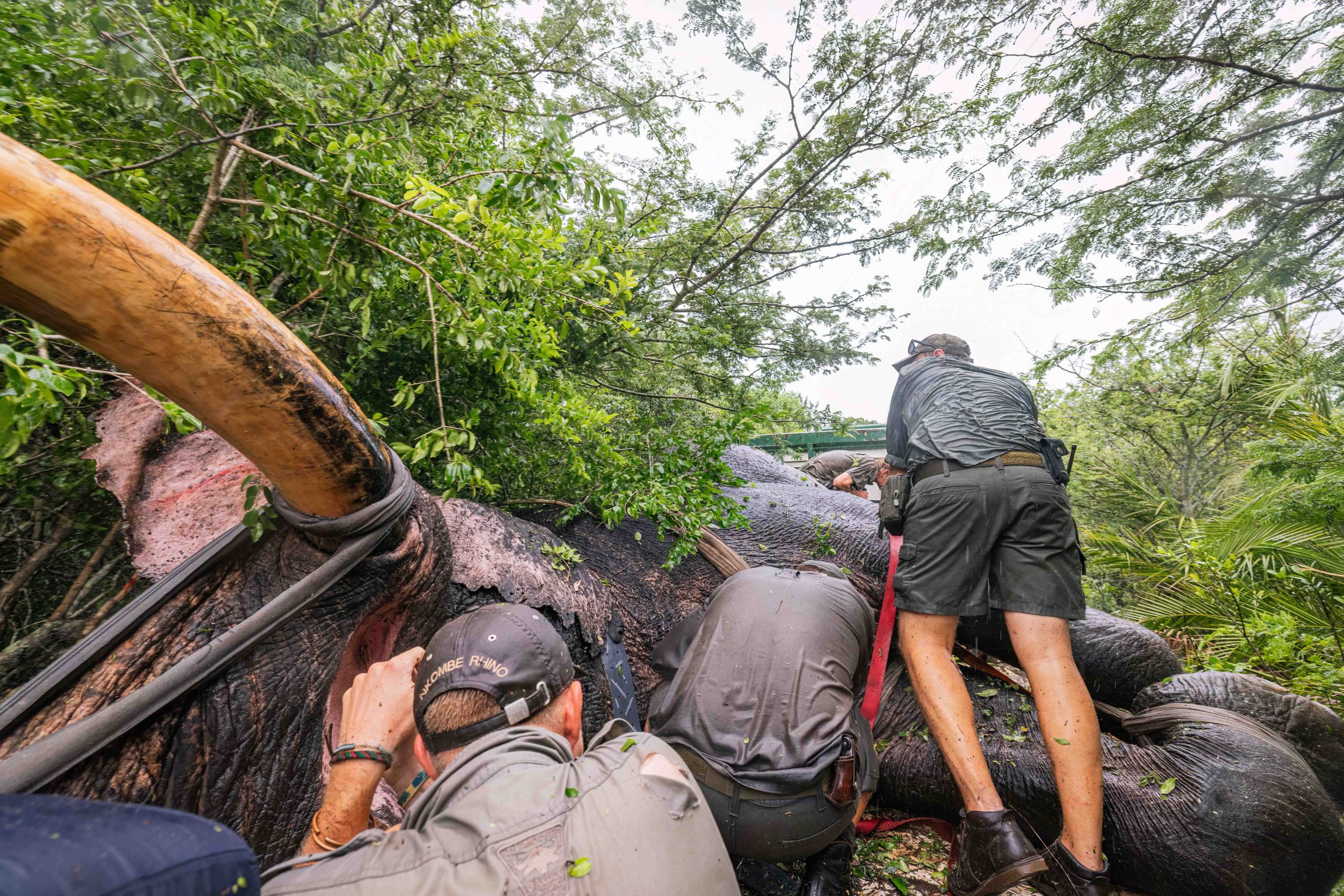
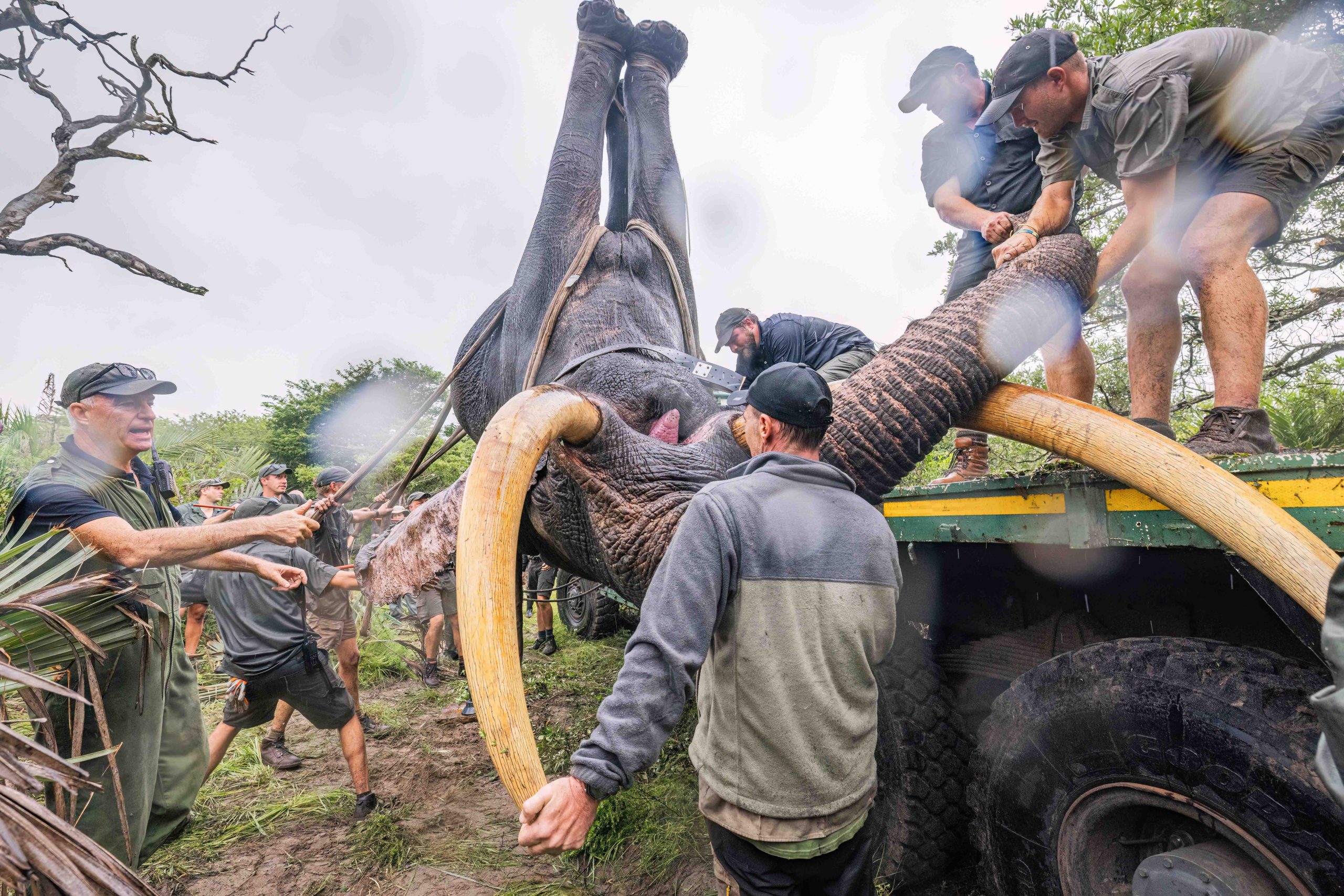
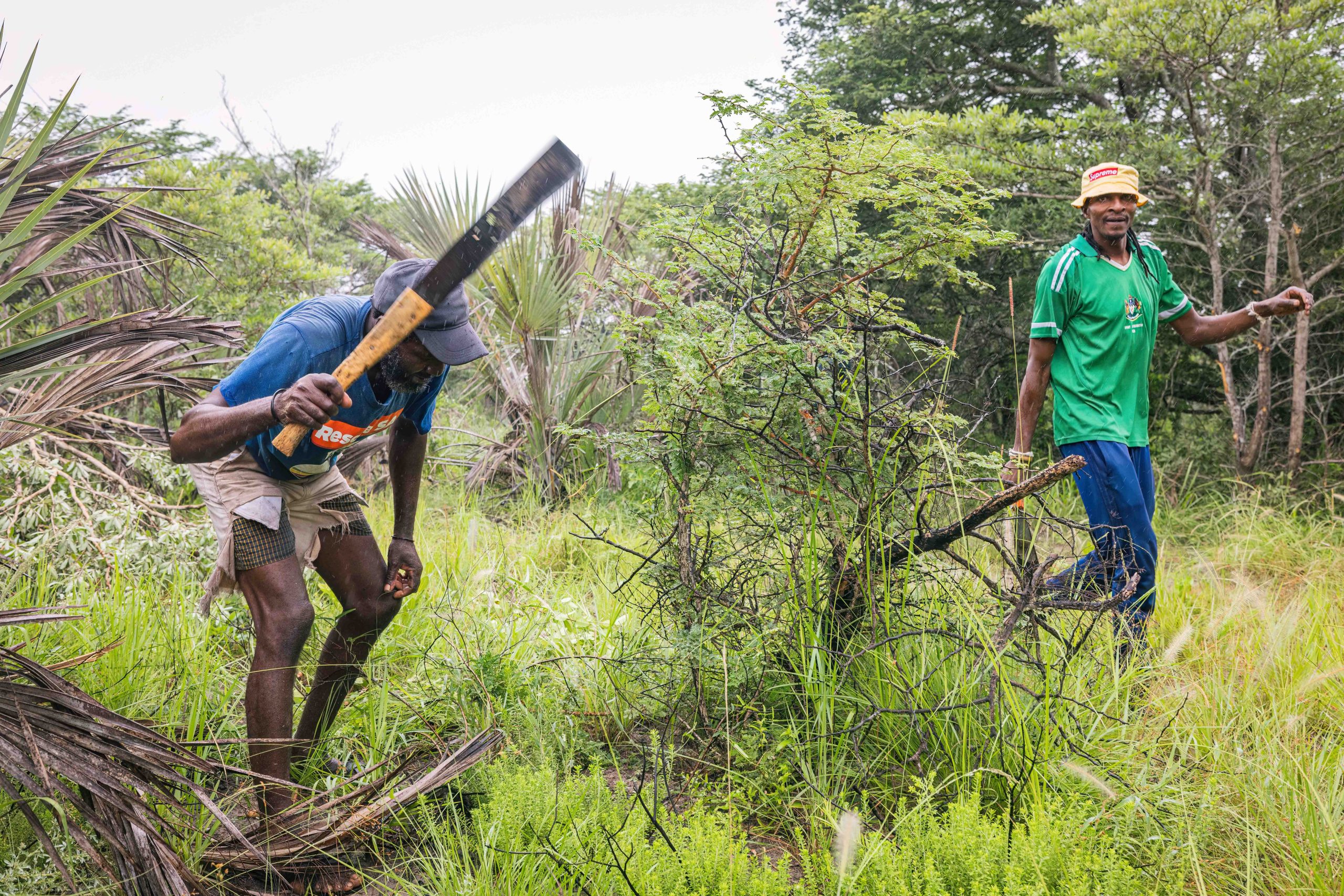
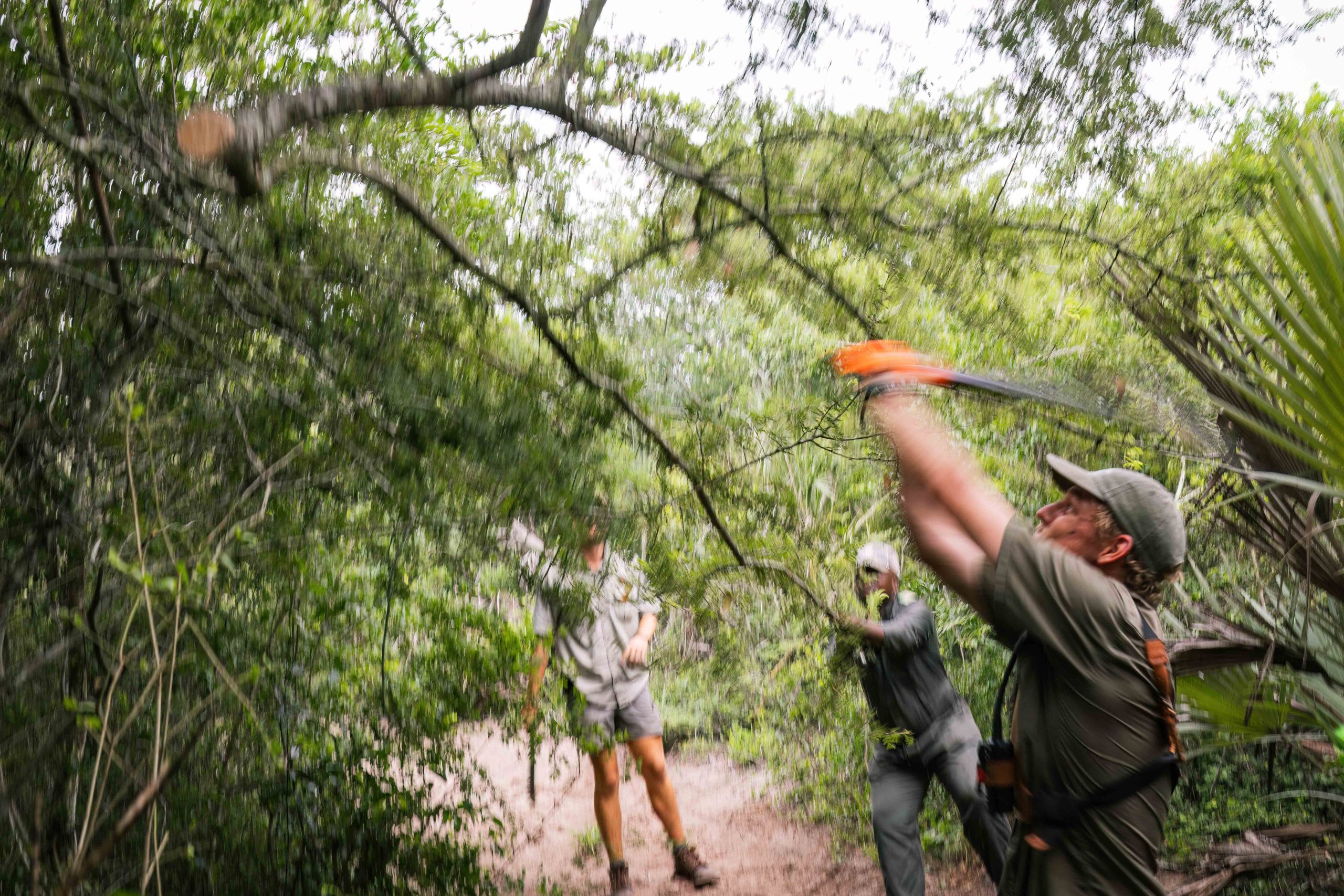
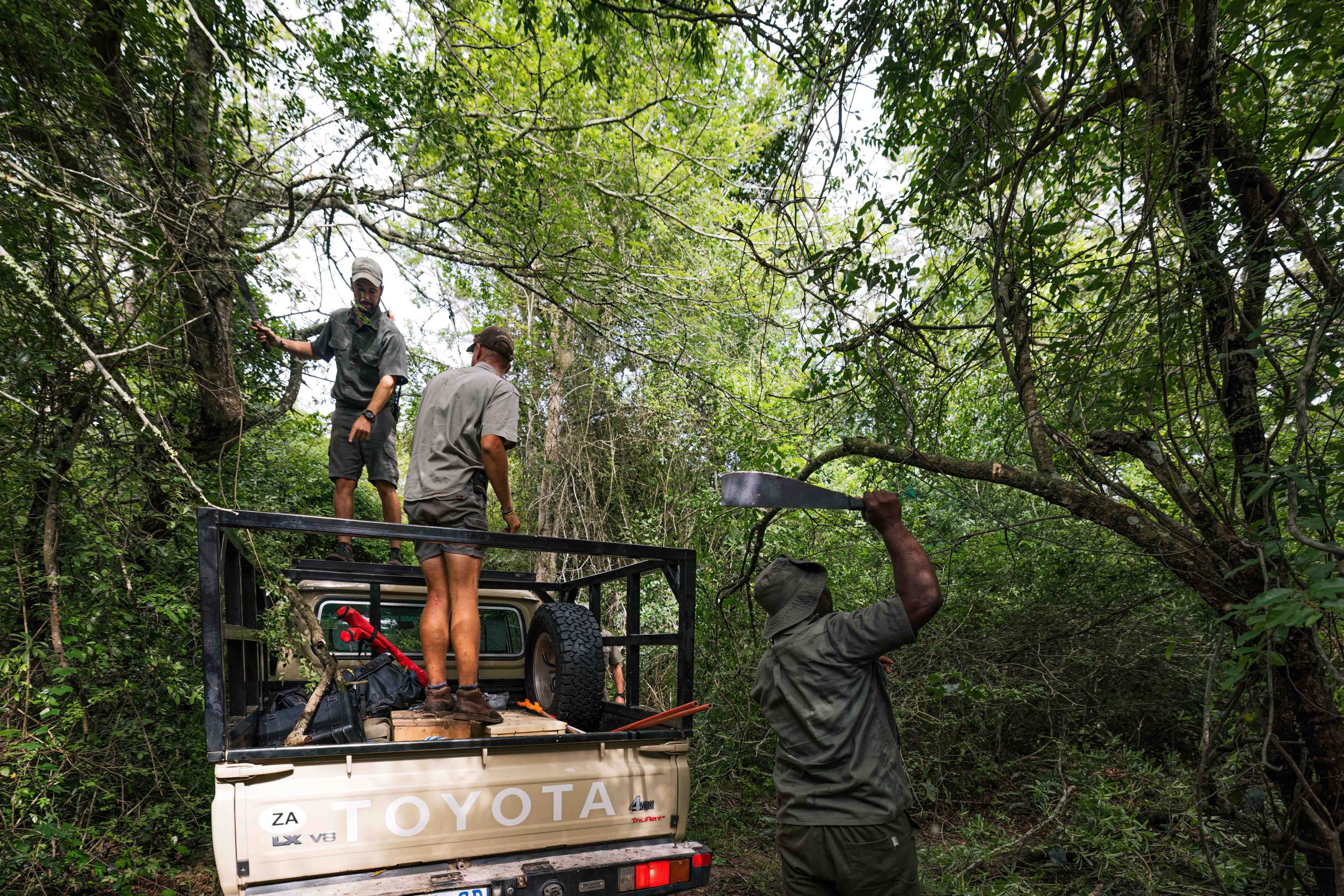
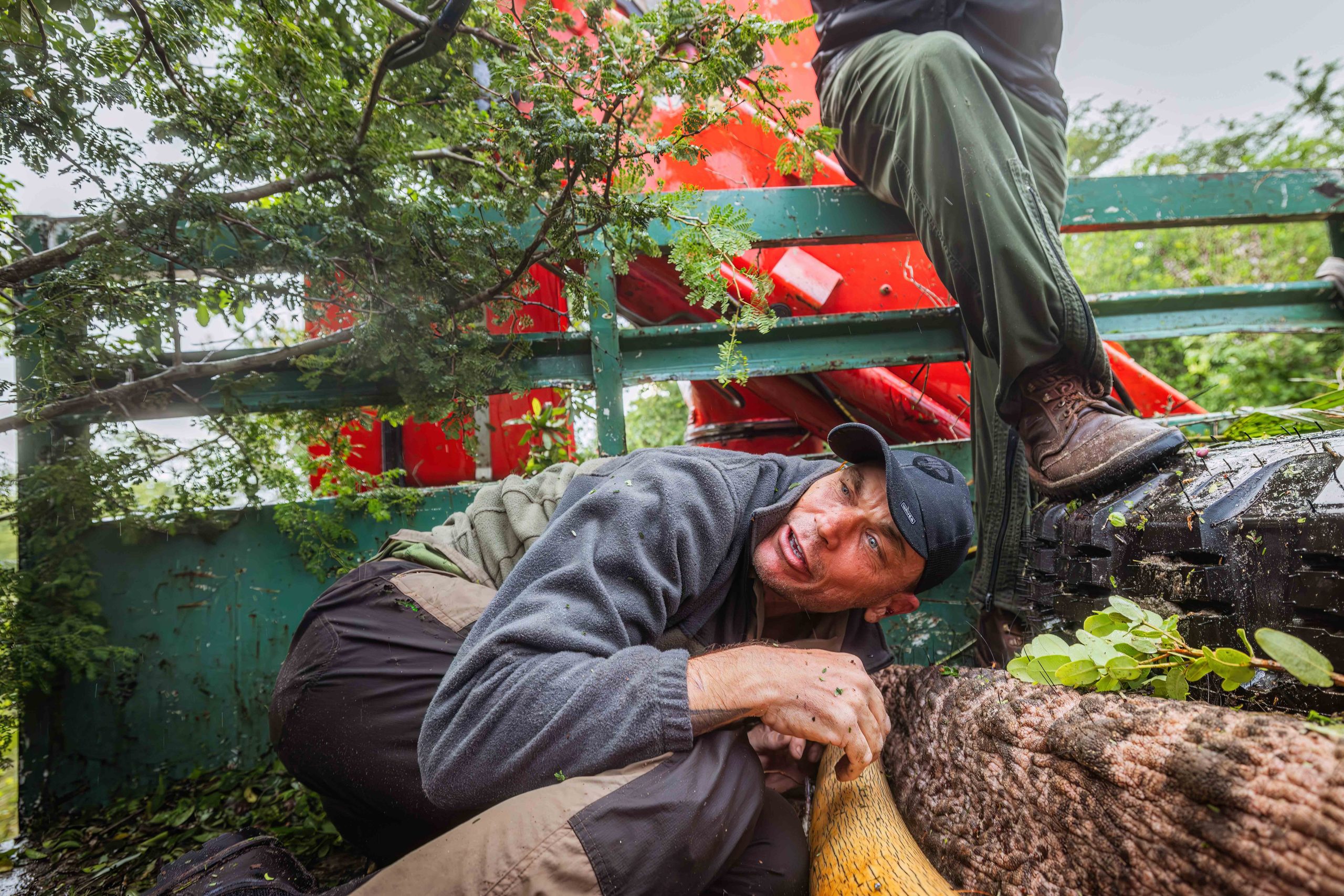
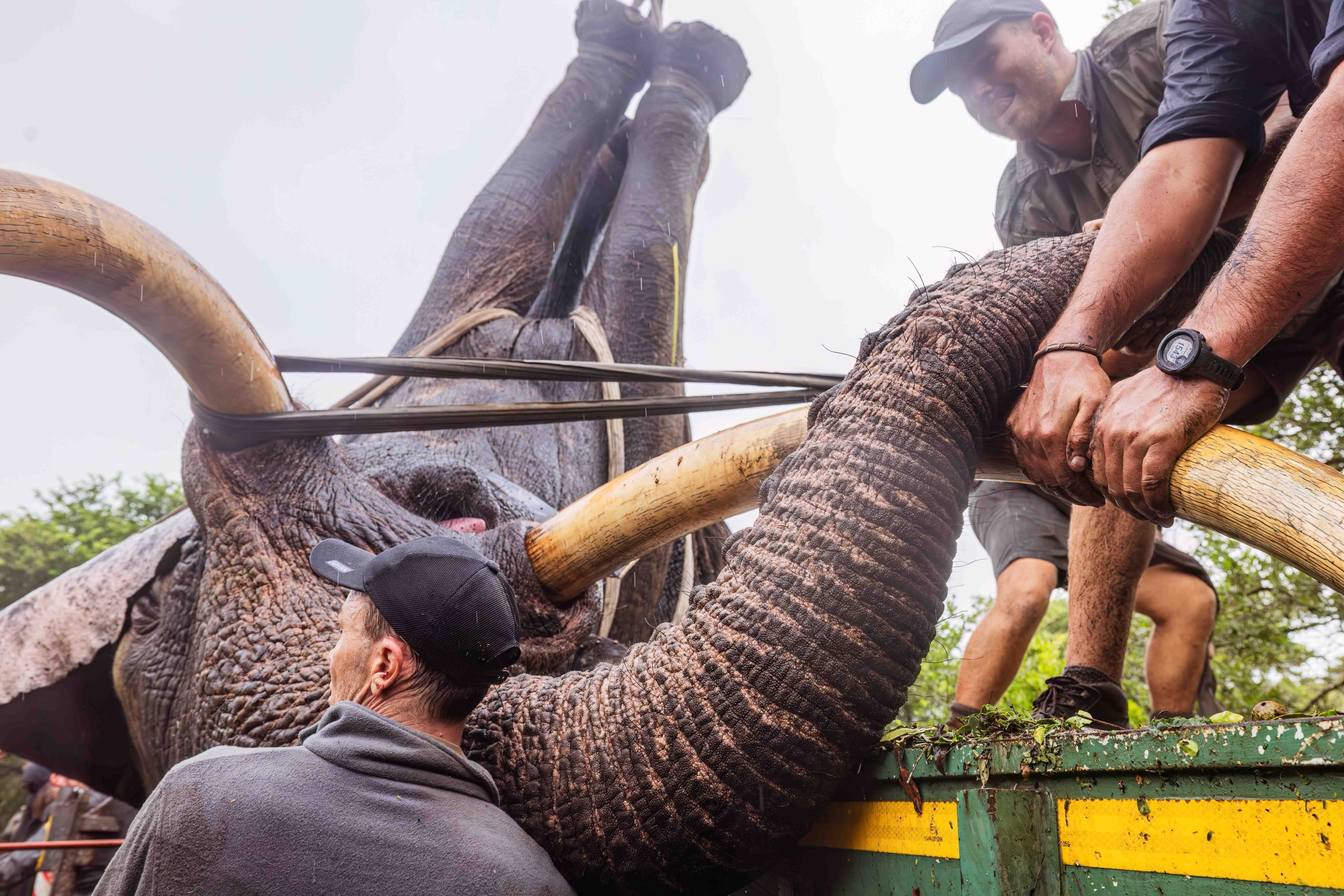
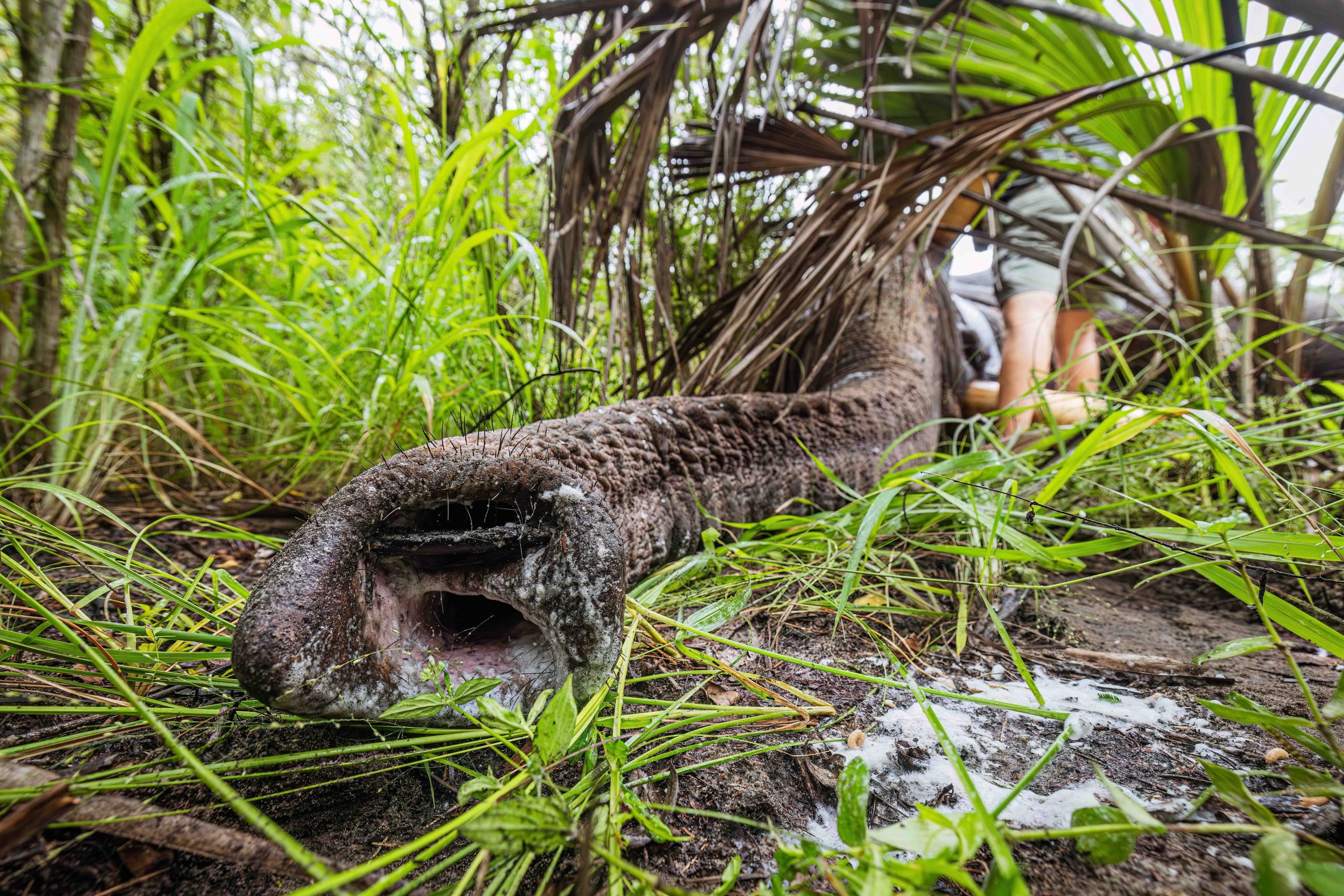
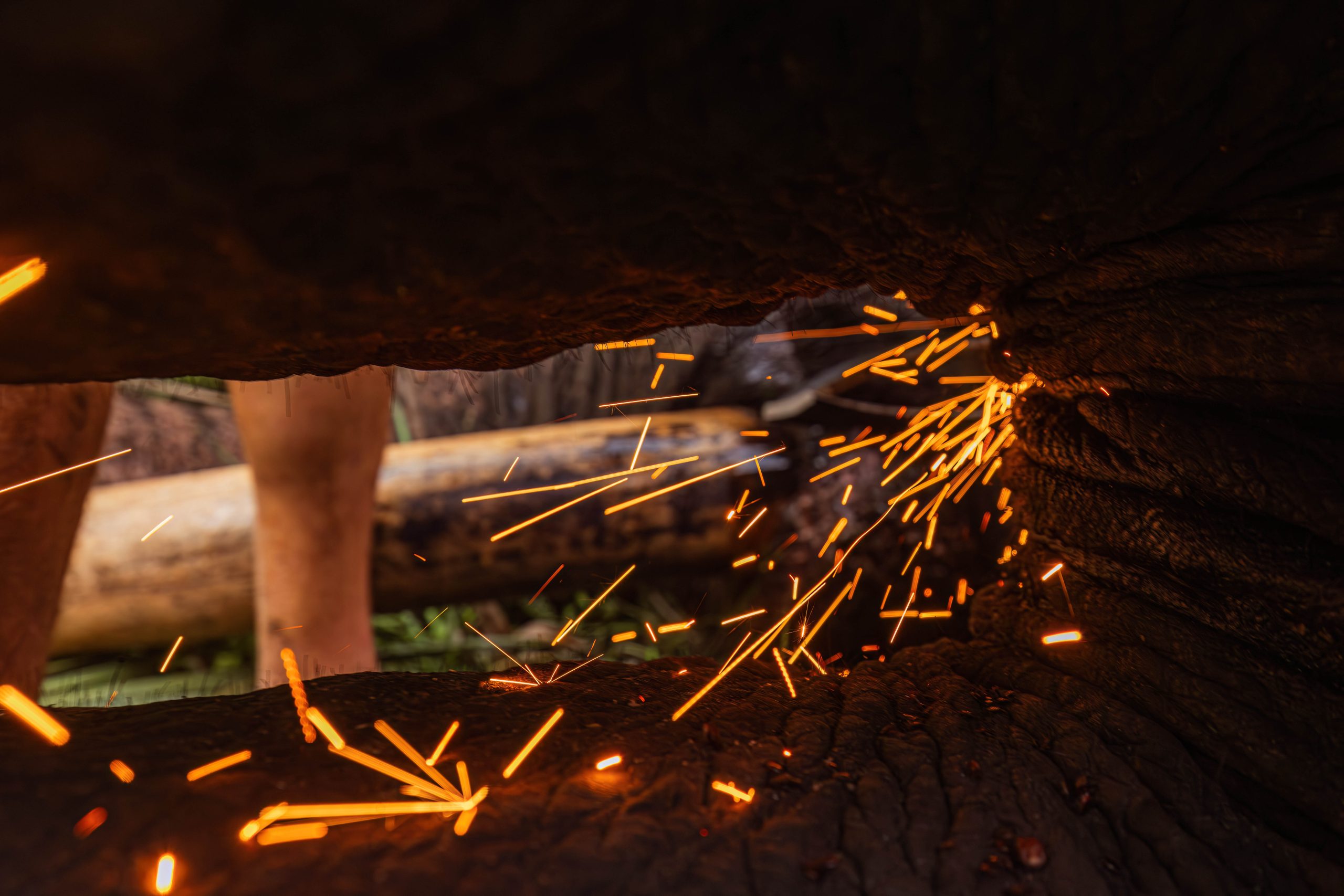
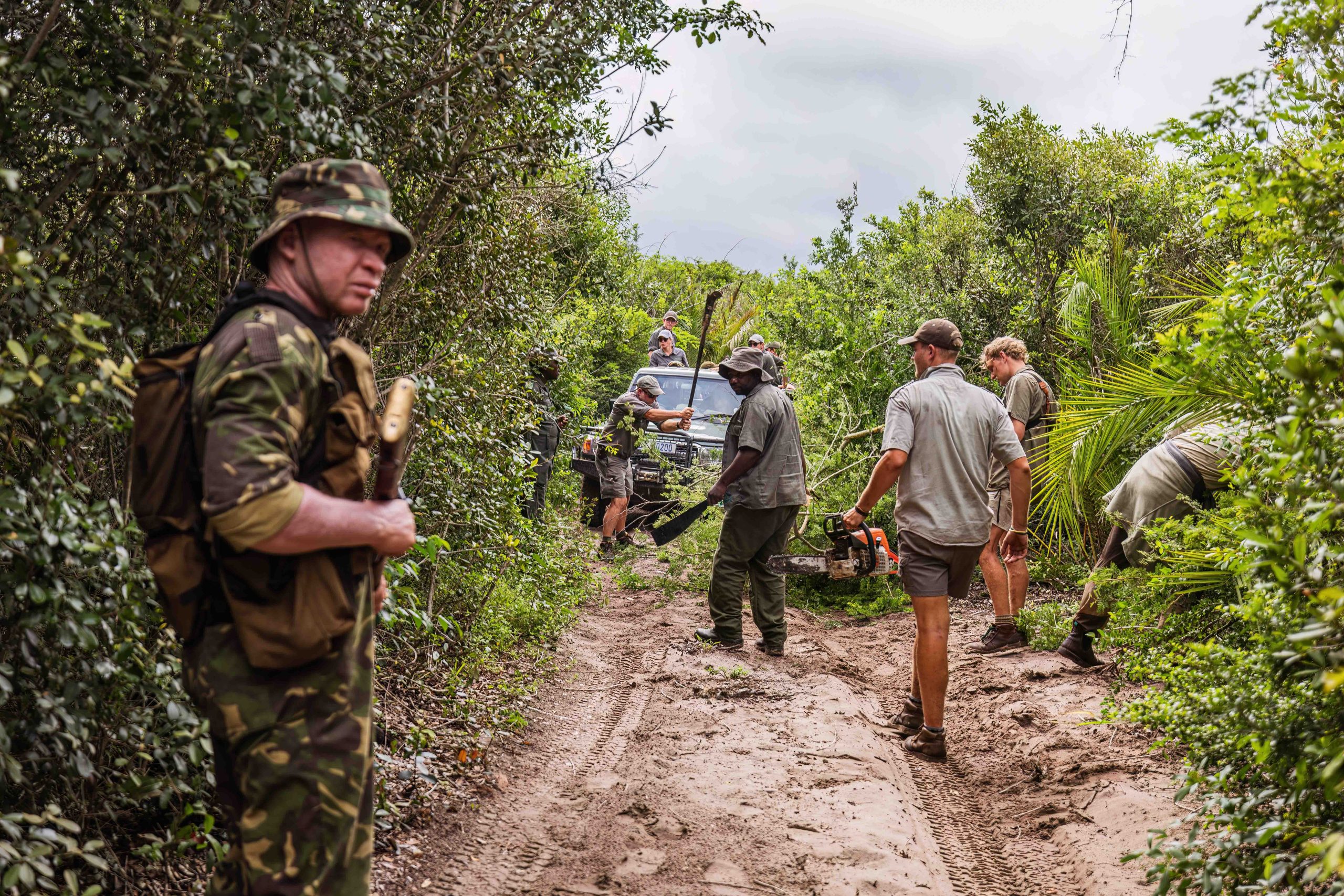
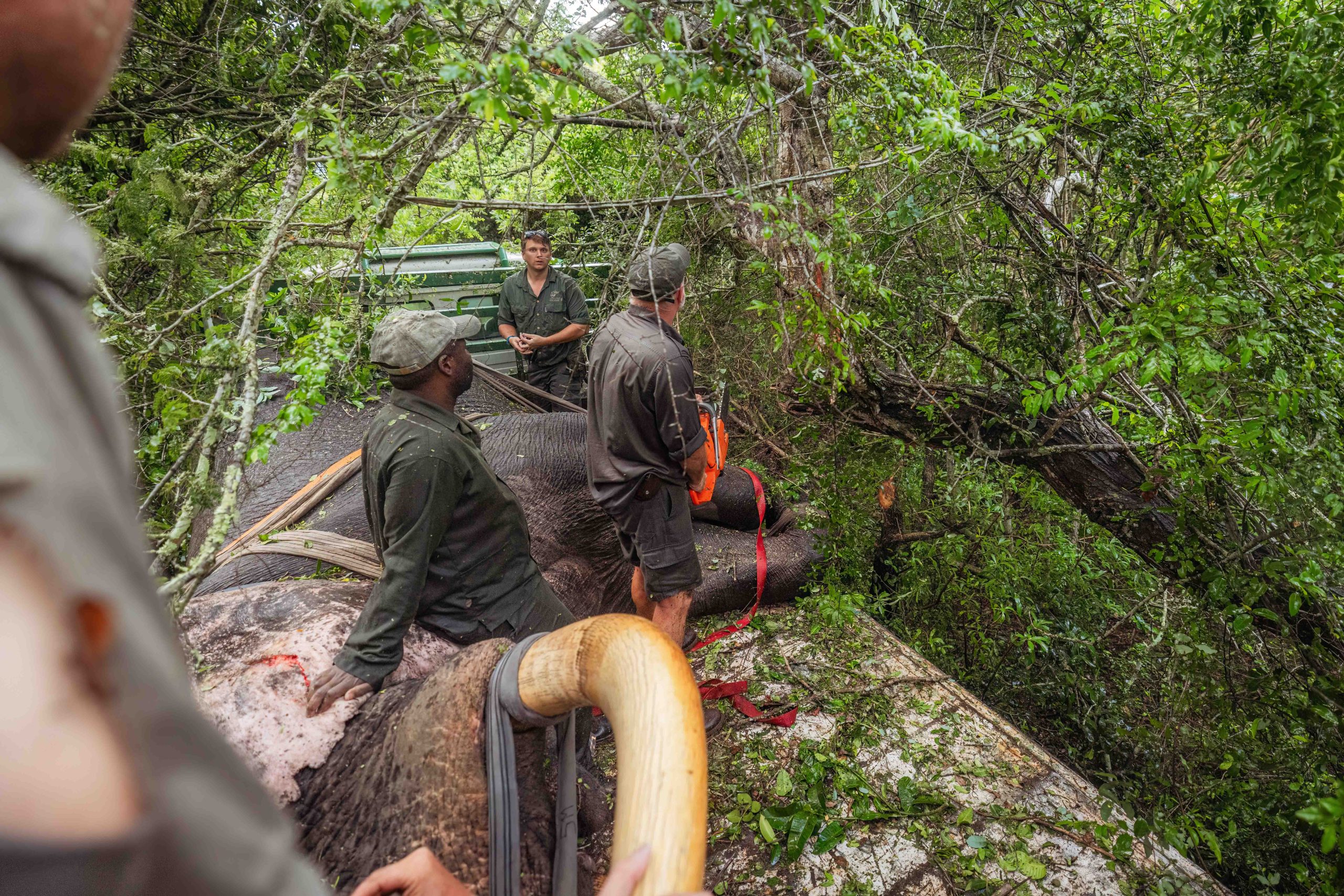
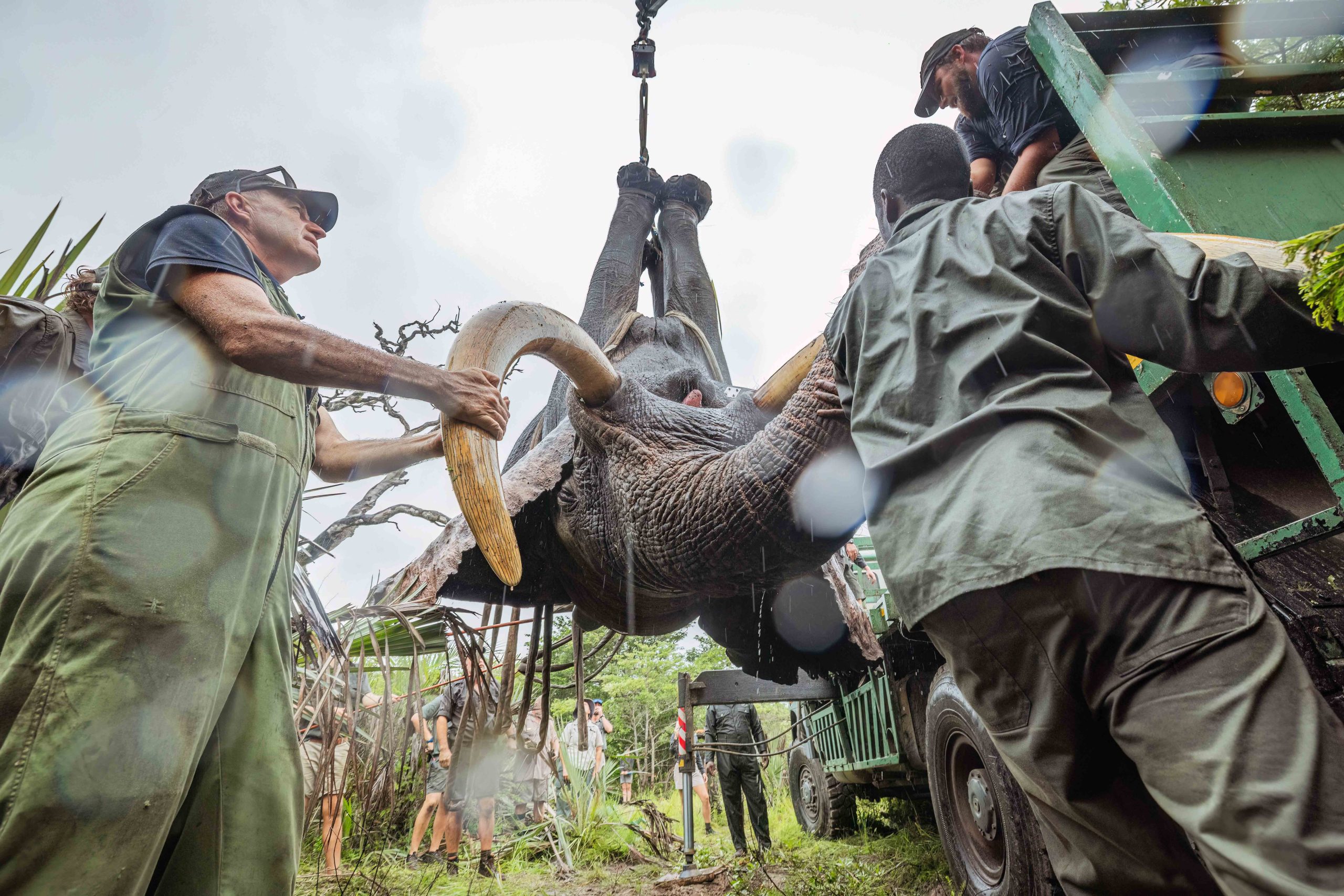
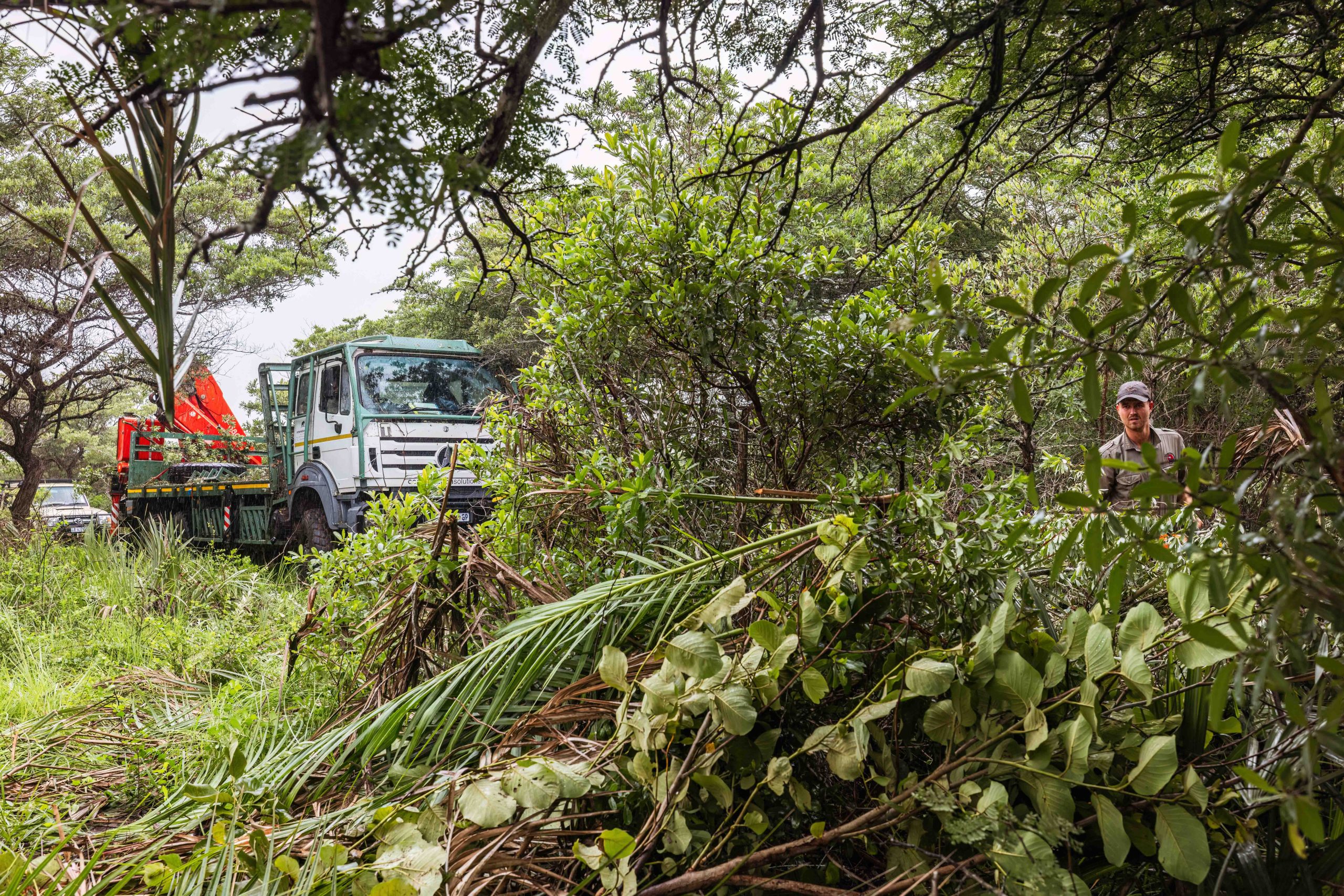
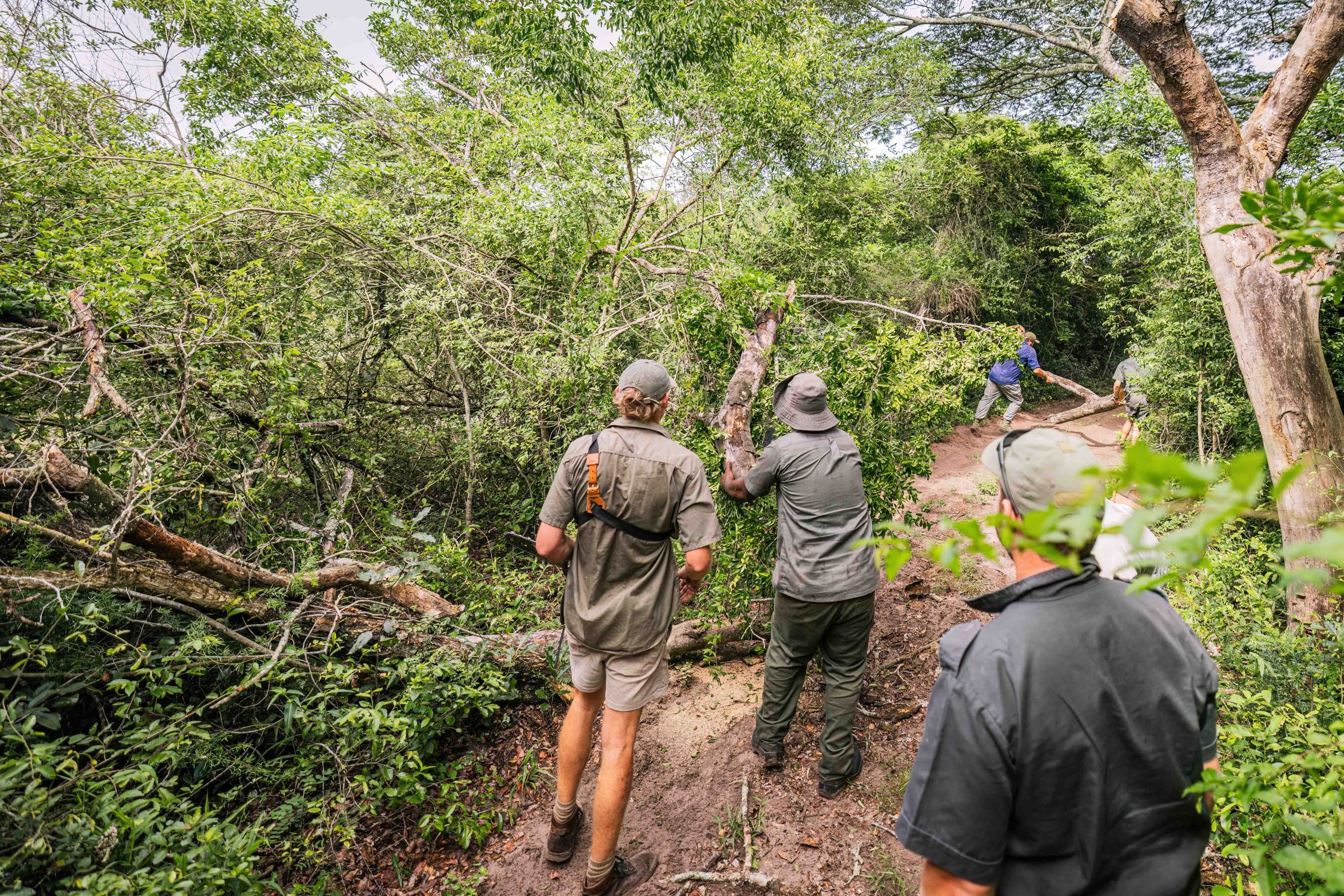
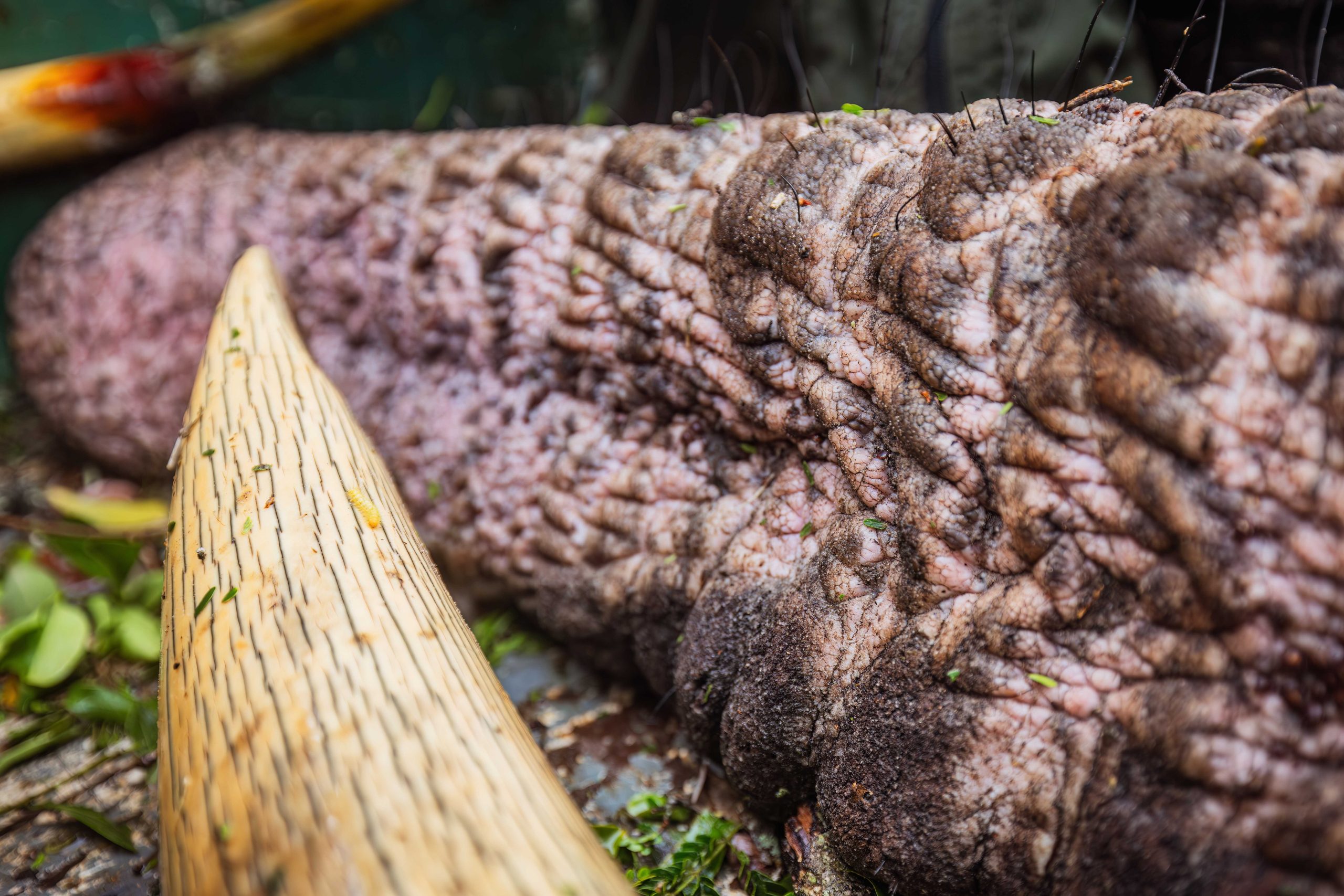
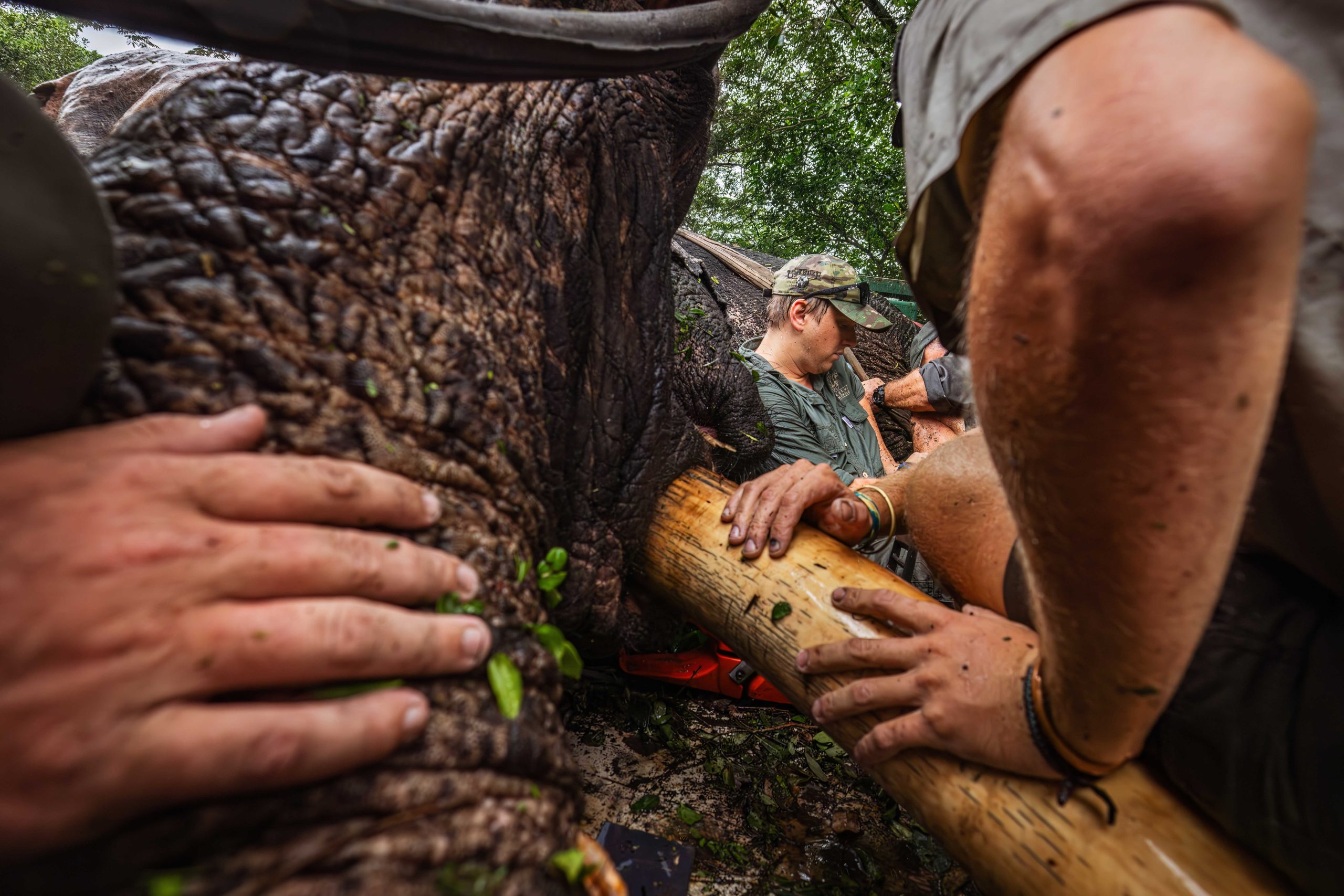
Three teams split up: one to stabilize the elephant, another to cut a path, and the last to clear access for the recovery truck. Chainsaws roared, the smell of cut trees, diesel, and elephant sweat filled the air. A 6.5-ton crane struggled, forcing manpower to lift parts of the animal—three men barely lifting its trunk.

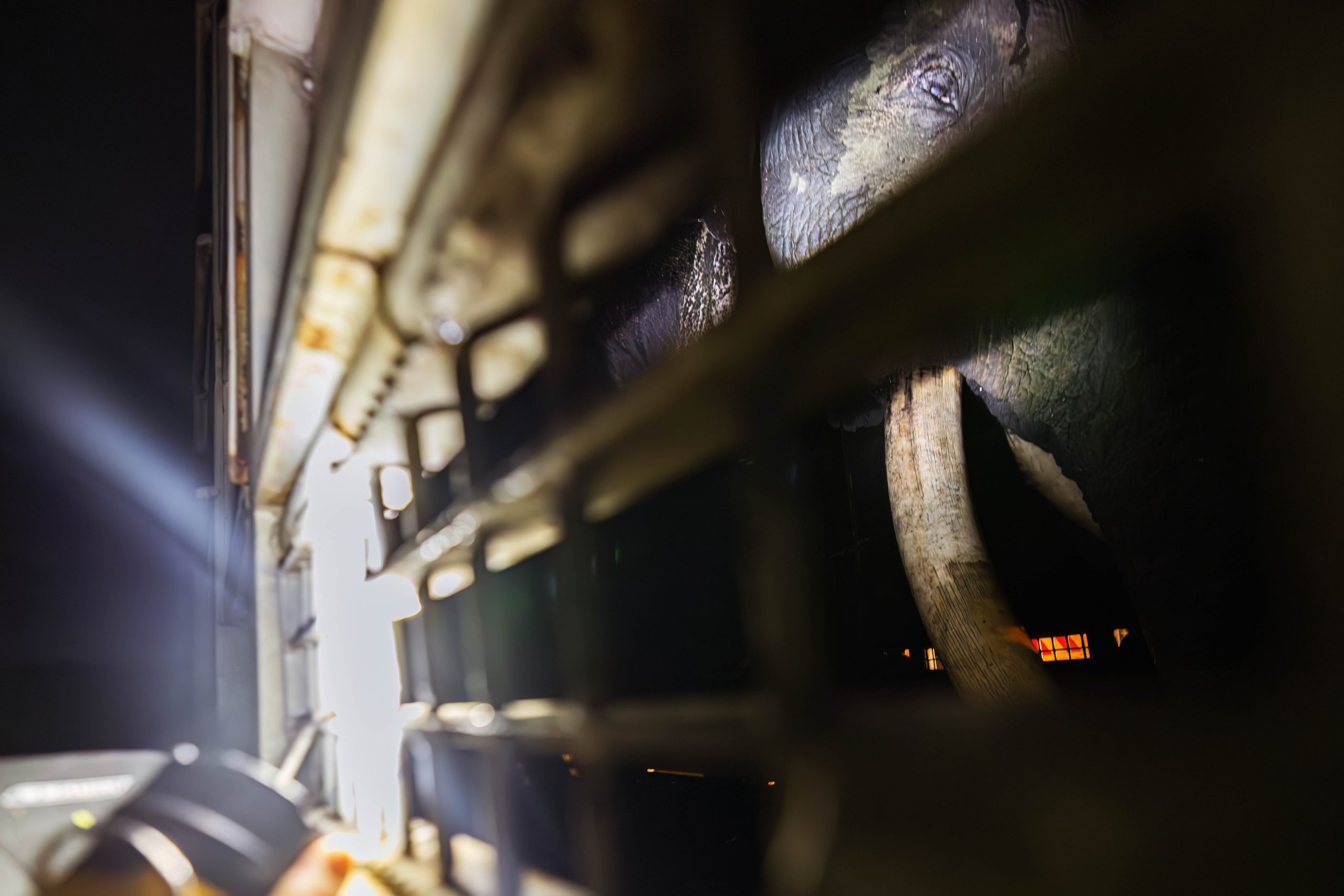
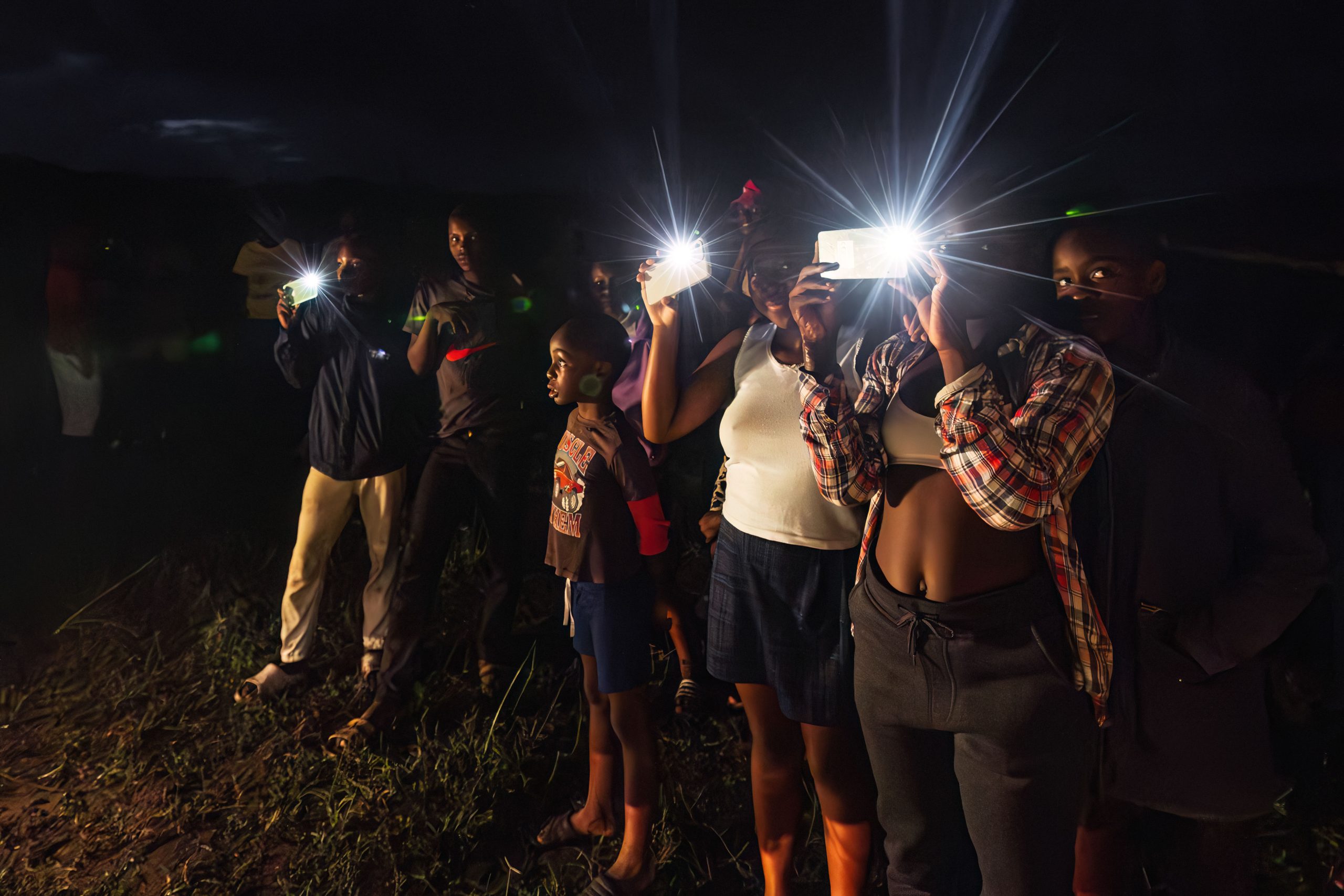
By nightfall, after hours of transport in heavy rain, the final transfer to the recovery crate was tense. The elephant woke up angry, shaking the crate, trumpeting loud enough to hit like a blow to the chest. The community lined the roads, watching the giant leave, waving it goodbye and cheering.

At 1 AM, heavy rain turned the release ramp into mud, impassible for trucks. Improvising, the team opened the crate before the ramp. The elephant hesitated, sniffed the air, reached toward its exhausted captors—then stepped into the darkness of the new reserve.

Partners & Collaborators

WEF Asante Sana Elephants Logos (2)

Photography:  © Wiki West

JOIN THE FRONTLINES

© 2025 All Rights Reserved. Powered by Mosquito Media.

Addo’s Historic Elephant Relocation

Addo’s Historic Elephant Relocation

Addo’s Historic Elephant Relocation

A significant milestone in elephant conservation was marked by the first-ever relocation of family groups of elephants from Addo Elephant National Park to three separate reserves.

Addo Elephant National Park, famous for its biodiversity and home to over 600 elephants, has recently encountered challenges linked to overpopulation in certain regions. This oversaturation posed threats to the environment, leading to overgrazing and habitat degradation. Acknowledging the pressing nature of the issue, we initiated a groundbreaking effort to move these elephants to more suitable environments.

We successfully captured and relocated two family groups of elephants, plus two bulls, from Addo. These elephants now inhabit several reserves, including Shambala Private Game Reserve, Babanango Private Game Reserve, and Bellevue Forest Reserve.

The relocation bears deep historical importance. Bellevue Forest Reserve, formerly called Olifantskop (‘Elephant’s Head’), used to be a natural habitat for elephants. This verdant area, abundant in Albany thicket, is now the new home for the relocated elephants. Covering 2,500 hectares, Bellevue Forest Reserve previously acted as a temporary sanctuary for two prominent elephants, Hapoor and Bellevue, which frequently strayed from Addo. Currently, it’s likely that their descendants are returning to their ancestral land.

Babanango Game Reserve has been pivotal in achieving this conservation milestone. It brought in a small breeding herd from Manyoni Private Game Reserve and two bulls from Tembe Elephant Park, both of which have genetic ties to Kruger National Park. The introduction of seven elephants from Addo Elephant National Park marks a significant return of these creatures to Zululand, KwaZulu-Natal, a region where they have been absent for more than 150 years.

This significant project is a joint effort involving SANParks, Babanango Game Reserve, and Bellevue Forest Reserve. The relocation was funded by the Wildlife Emergency Fund, with support from John and Mary Lee Malcolm, Ezemvelo KZN Wildlife, Over and Above Africa, Conservation Outcomes, Conservation Solutions, DCM Surfaces, and WeWild Africa. Special thanks to Andrew Malcolm Films for his assistance in documenting this operation.

JOIN THE FRONTLINES

© 2025 All Rights Reserved. Powered by Mosquito Media.

Responding to the Plight of the Pongola Elephants

Responding to the Plight of the Pongola Elephants

Responding to the Plight of the Pongola Elephants

The Pongola Game Reserve in South Africa is confronting a significant crisis in elephant management. Dereck Milburn and The Wildlife Emergency Fund (WEF) have been leading efforts to address this issue for years. The crisis is focused on the eastern shore of the reserve, where elephants have been confined to a narrow strip of land. This isolated area is bordered by cliffs, an international boundary with Eswatini, and a dam, making it a prime location for poaching and conflicts between humans and wildlife. The situation has deteriorated further, as elephants have begun to cross into Eswatini, escalating this into a matter of international conservation concern.

Dereck’s team has performed thorough evaluations, including two elephant population counts, to gain a clearer understanding of the issue. Dereck and WEF, along with our partners at Conservation Solutions, have taken proactive measures in this crisis by supplying the government with essential information in detailed reports. These reports encompass initial counts and updates on the elephants’ migration into Eswatini, providing a complete overview of the circumstances.
These assessments identified approximately six troubled family groups. The team plans to capture and relocate these elephants to more secure locations. The main difficulty, however, is locating appropriate relocation sites. Numerous reserves are experiencing elephant overpopulation, making it increasingly challenging to find suitable homes for elephants in Southern Africa.

JOIN THE FRONTLINES

© 2025 All Rights Reserved. Powered by Mosquito Media.

Emergency Action to Free Snared Elephant from Death

Emergency Action to Free Snared Elephant from Death

Emergency Action to Free Snared Elephant from Death

An urgent call from Mala Mala Game Reserve prompted The Wildlife Emergency’s team (WEF) to promptly tackle a critical mission: rescuing a young elephant ensnared in a dangerous trap. The operation necessitated funding for swift aerial deployment and skilled veterinary assistance.

While successfully removing the snare brought relief, it also highlighted the pervasive issue of their use. Snares, illegally placed by poachers or hunter-gatherers in conservation zones, frequently ensnare unintended targets, including endangered species. 

We encounter these situations regularly, removing an animal’s snare almost every two weeks. Each operation requires careful handling, focusing not only on removing the snare but also on the animal’s overall health, such as treating any injuries or wounds caused by the snare. We provide the essential transportation, including helicopter services, and cover the veterinary expenses for these operations. Additionally, we offer on-site logistical support to ensure that everything runs smoothly and efficiently.

Why are snares, and consequently snare emergencies, so prevalent? The use of snares in Africa, especially in rural and underdeveloped regions, is driven by several key factors:

Poverty and Subsistence

Individuals living close to wildlife habitats frequently resort to setting snares to catch wild animals for food. This form of subsistence hunting is essential for those with limited access to alternative food sources.

Commercial Poaching

Due to their low cost, simplicity in construction, and effectiveness, snares are often favored by poachers aiming to unlawfully capture wildlife for black market sales. This includes the trade of bushmeat or body parts from endangered species, which are sought after in specific markets.

Human-Wildlife Conflict

In regions where wildlife and human populations intersect, conflicts can arise, especially when wild animals threaten livestock or crops. Farmers and ranchers may use snares as a means to safeguard their livelihoods from predators like lions or leopards. However, this practice is frequently illegal and can inadvertently trap non-target species.

Lack of Alternatives

In some communities, there is little awareness regarding the ecological consequences of using snares or the legal ramifications associated with them. Moreover, in the absence of sustainable economic alternatives or effective wildlife management practices, individuals may continue to depend on snares for income or food.

JOIN THE FRONTLINES

© 2025 All Rights Reserved. Powered by Mosquito Media.

Challenge, Grit, and Perseverance Rescuing Elephants in the Heart of Mozambique

Challenge, Grit, and Perseverance Rescuing Elephants in the Heart of Mozambique

Challenge, Grit, and Perseverance Rescuing Elephants in the Heart of Mozambique

I can vividly recall the intense and challenging operation of relocating elephants to Zinave National Park in Mozambique. It was a race against time to save them from a situation of extreme human-wildlife conflict.

This operation was perhaps the most grueling elephant capture I’ve ever been involved in. It took us around 30 hours just to capture the elephants. The lack of infrastructure and absence of roads in the area meant we had to clear dense bush and literally make new roads just to reach the animals.

We darted the elephants late in the afternoon, so the loading ended up happening at night. The challenges were immense – trucks getting stuck due to the heavy weight of the elephants, numerous tire punctures, and even a tree branch shattering a truck’s windshield.

There was a particularly heart-stopping moment when a baby elephant stopped breathing. We had to quickly administer emergency adrenaline to revive it, and then it ran off, requiring us to catch it again.

Despite these hurdles, we successfully relocated all the elephants to Zinave National Park. Stretching across 4,000 square kilometers in Mozambique’s Inhambane Province, it’s a haven for wildlife, including hippos, crocodiles, and various bird species. The park is part of a larger transfrontier conservation area and plays a crucial role in regional biodiversity. 

This operation, the second of its kind in Mozambique, highlighted the significance of collaboration and swift, decisive action in conservation, as well as endurance, perseverance, and sheer grit in the wilderness. Its success stemmed from a cooperative effort among several organizations. The Peace Parks Foundation and Mozambique’s National Administration for Conservation Areas led the initiative, supported by WeWild Africa and the Wildlife Emergency Fund, which provided crucial funding and expert in-field assistance. Conservation Solutions managed the operational aspect, receiving indispensable veterinary support from the Mozambique Wildlife Alliance.

The Zinave Relocation serves as a reminder of the challenges we face in this field and the lengths we must go to protect wildlife.

JOIN THE FRONTLINES

© 2025 All Rights Reserved. Powered by Mosquito Media.

48 Hours to Save the Malelane Elephants

48 Hours to Save the Malelane Elephants

48 Hours to Save the Malelane Elephants

During the COVID pandemic, the WEF team was called to rescue a herd of elephants in a region south of Kruger National Park. The elephants were wandering along the main tar roads, posing a threat to themselves and to drivers on these roads. 

Within 48 hours of receiving the call, the WEF team had mobilized the funding, team, and equipment to capture and translocate the elephants to a safe location. Capture and translocation permits were also obtained in record time, and the mission was initiated.

The herd of six elephants was successfully located, darted, and loaded into custom capture equipment. The elephants were safely translocated to a place of safety in one of the fastest elephant rescue missions ever recorded. A documentary was created about the operation, which has received numerous awards at film festivals throughout the world.

The challenges associated with travel and arranging logistics during the COVID pandemic complicated matters, putting the WEF’s ability to adapt to any capture situation to the test, and the project was successful.

JOIN THE FRONTLINES

© 2025 All Rights Reserved. Powered by Mosquito Media.