Technical Support for Mpumalanga Dehorning Operation

Technical Support for Mpumalanga Dehorning Operation

Technical Support for Mpumalanga Dehorning Operation

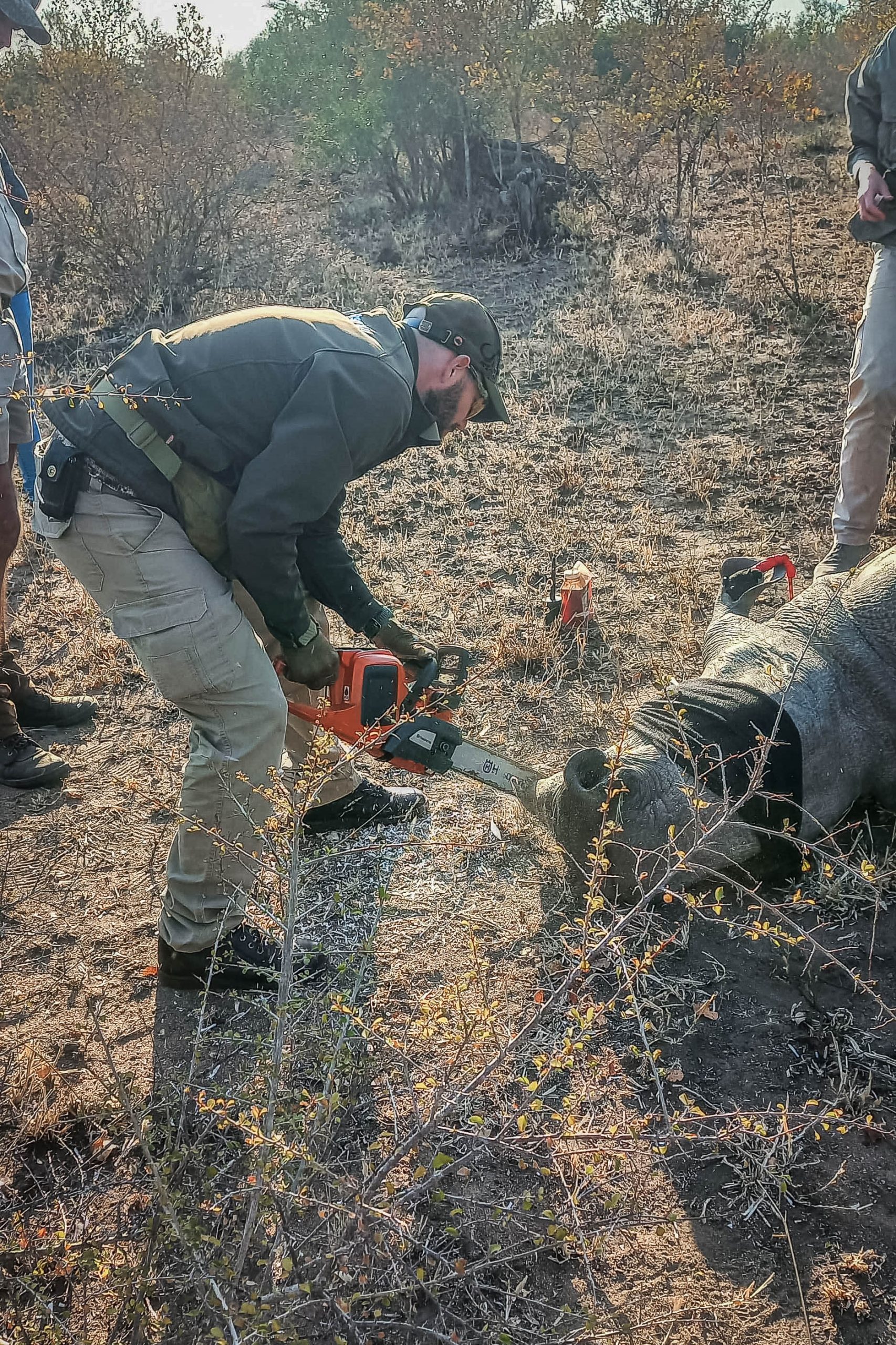
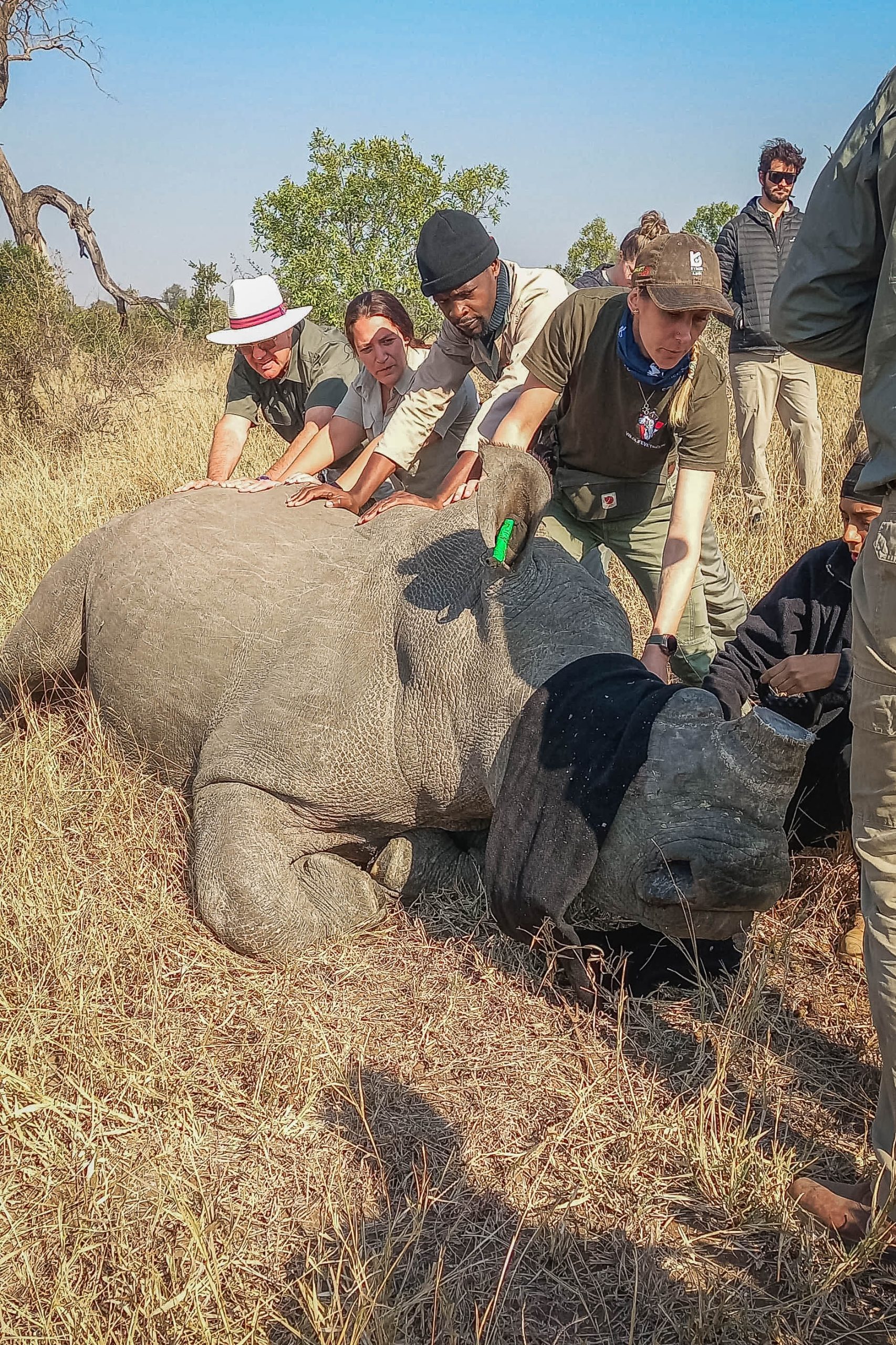
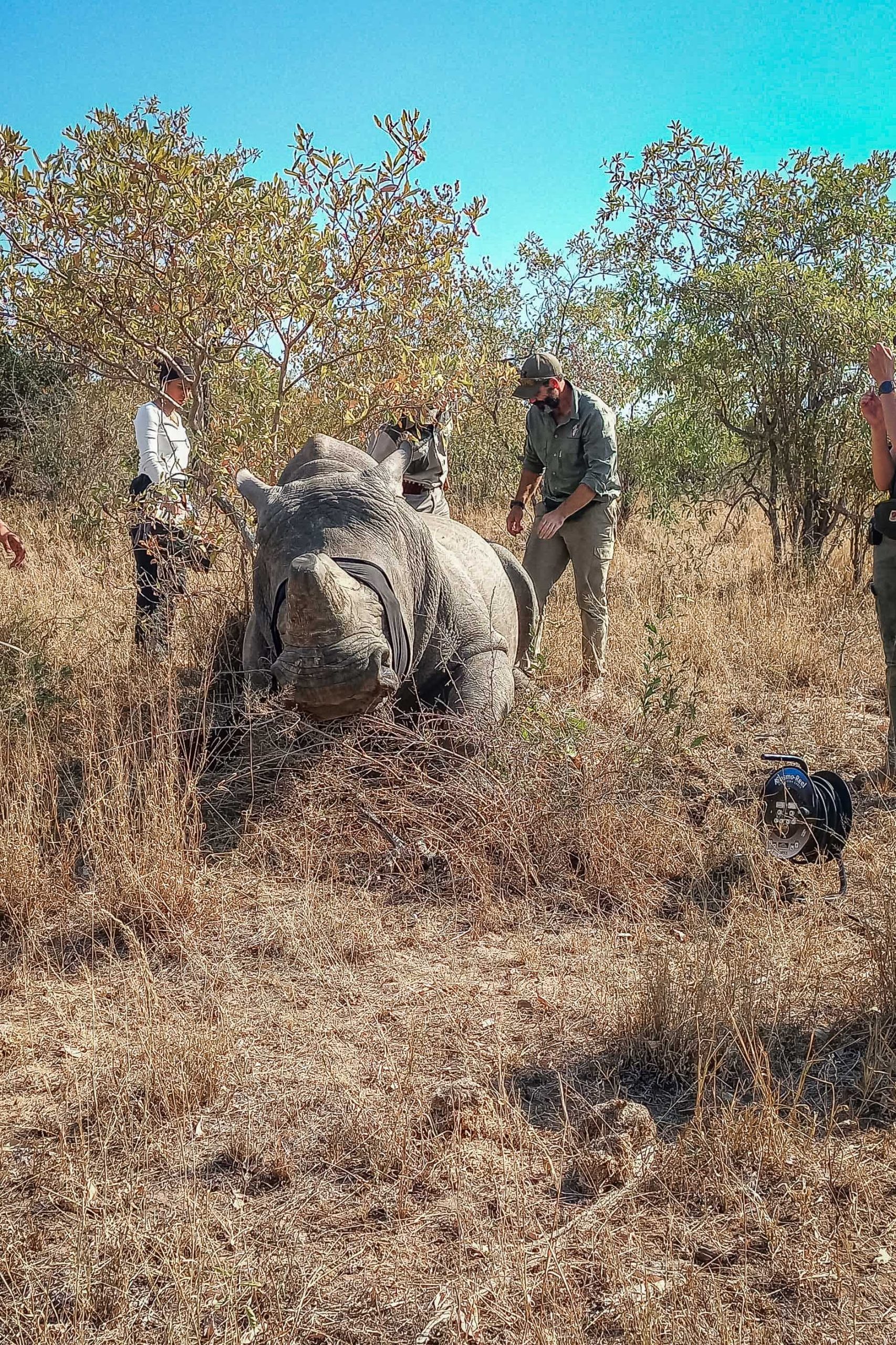
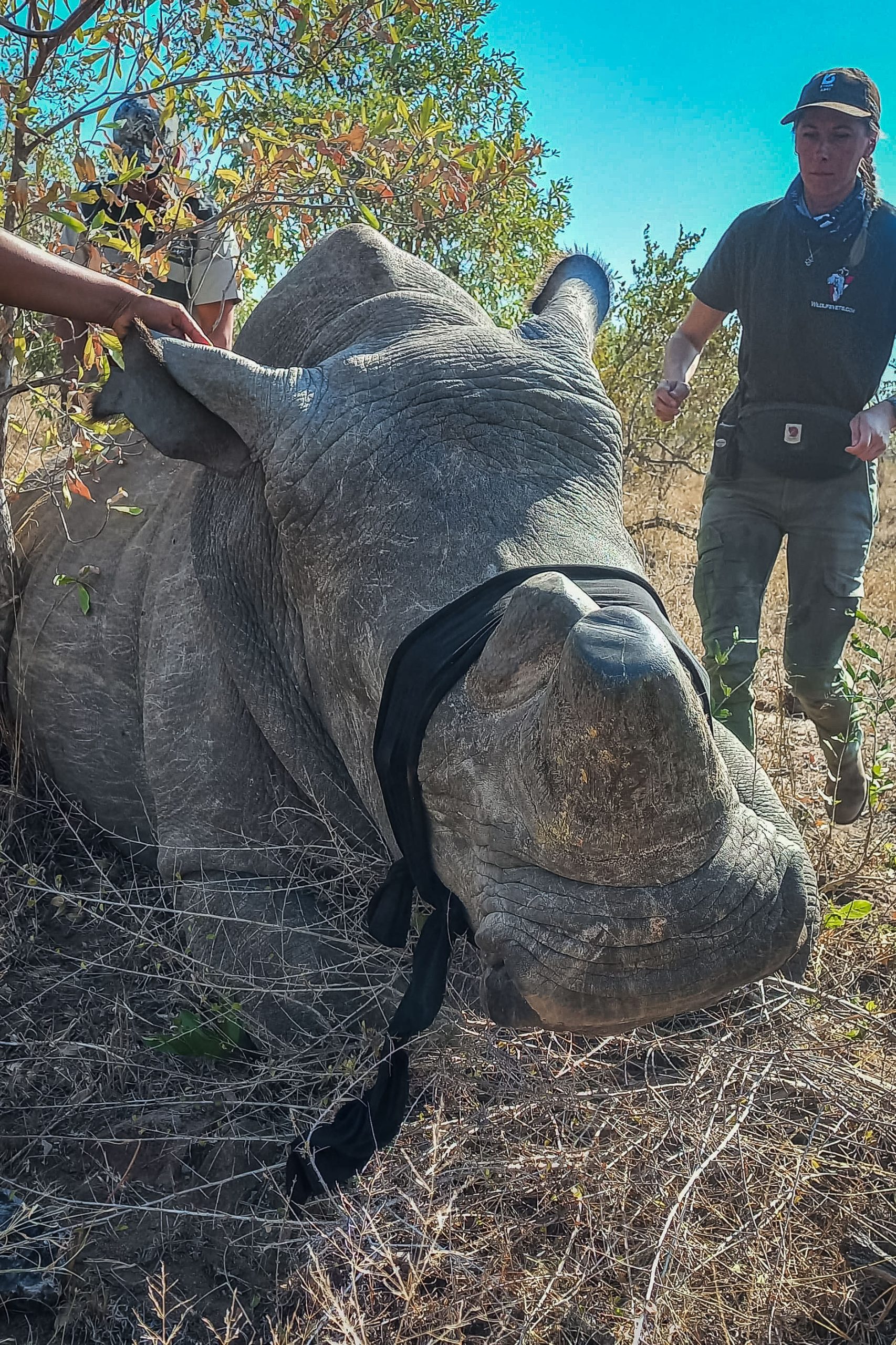
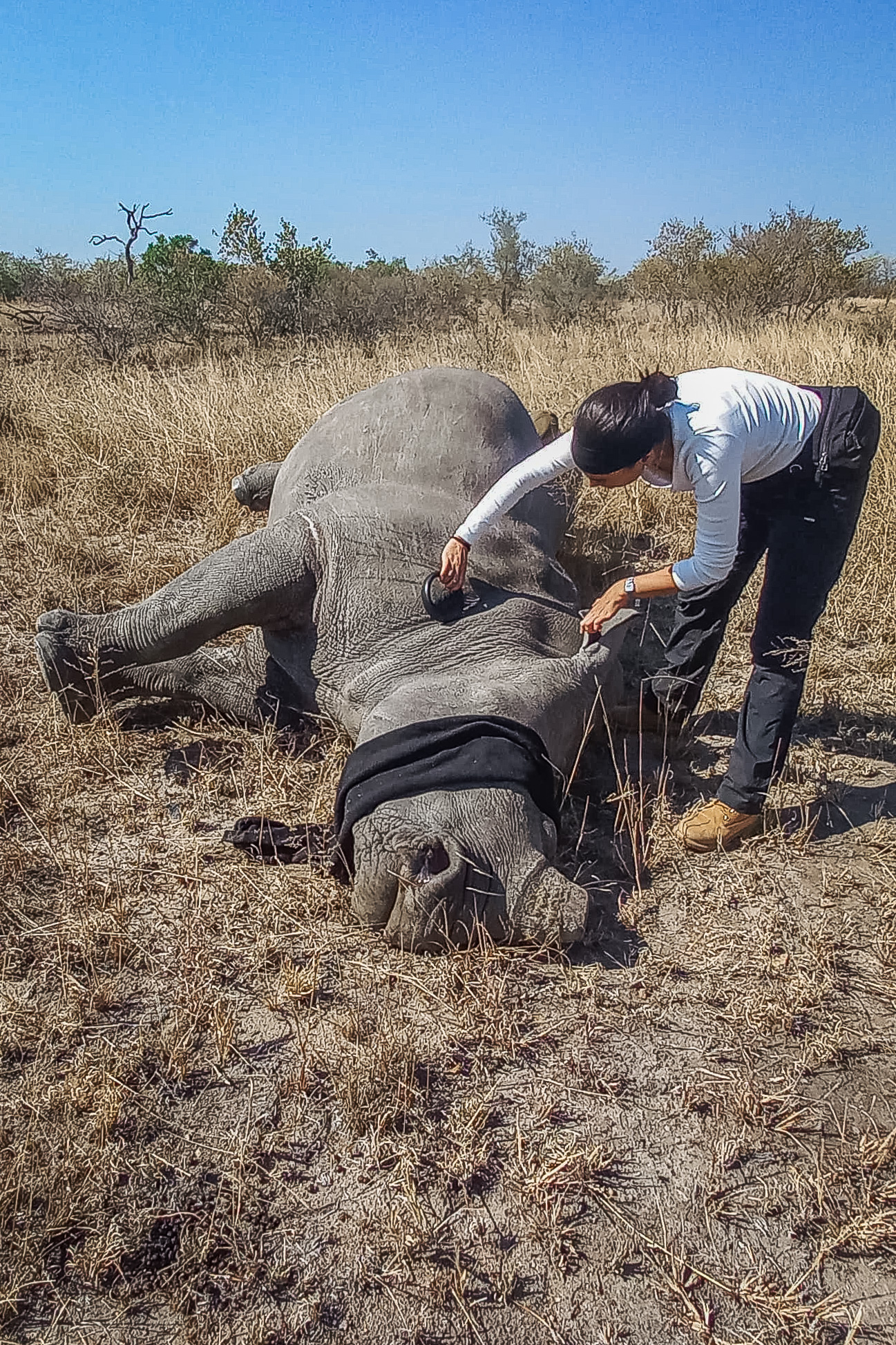
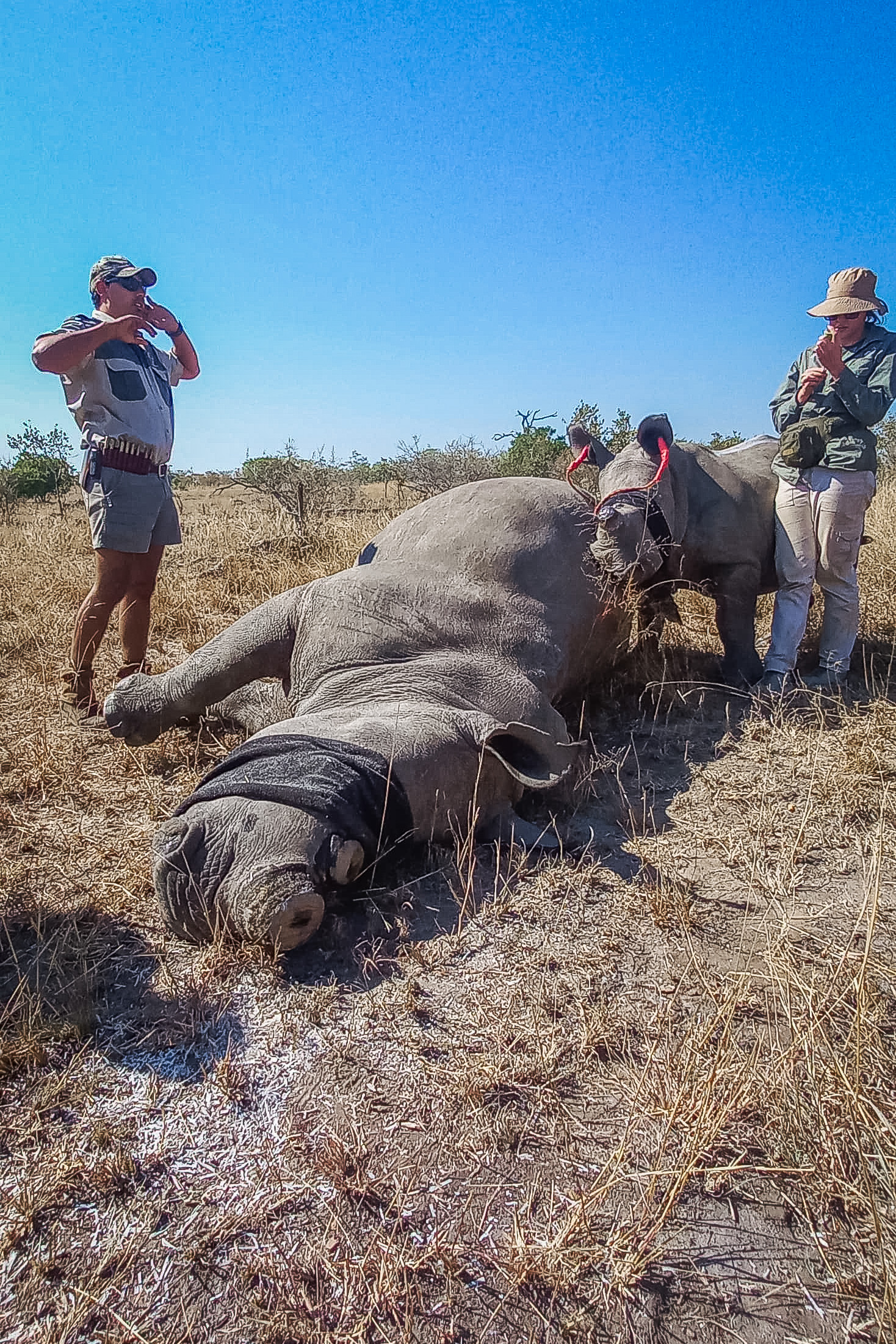
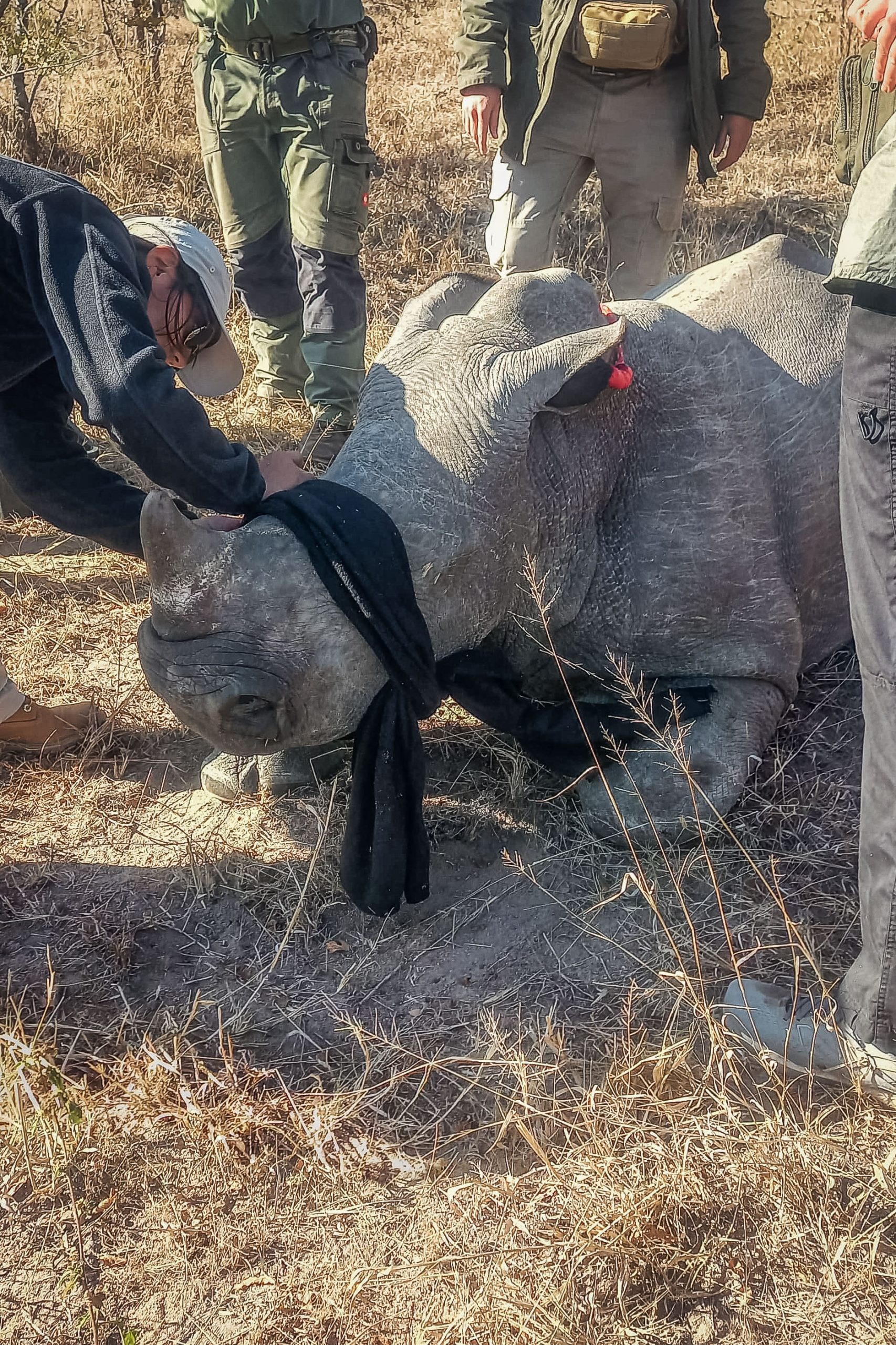
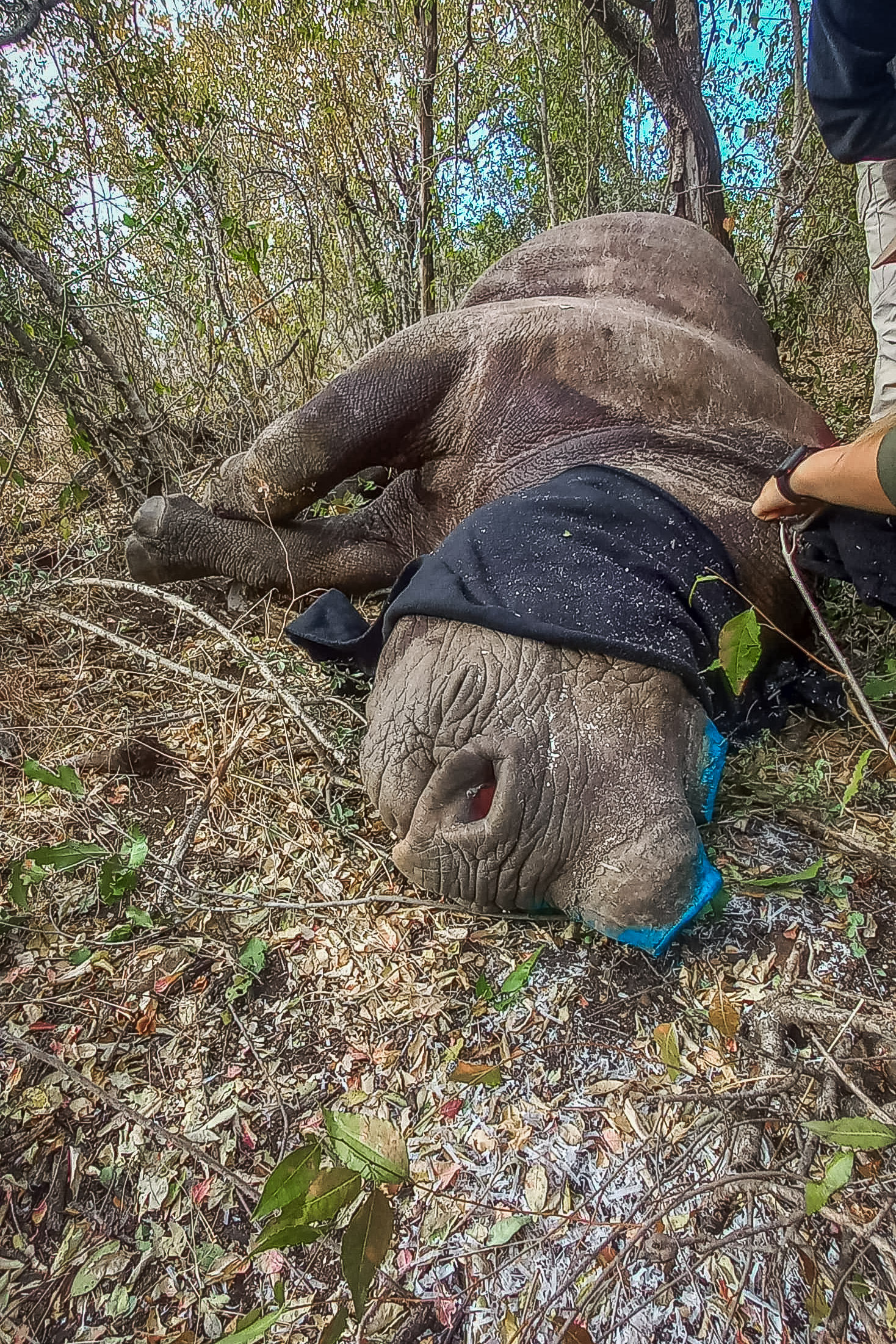
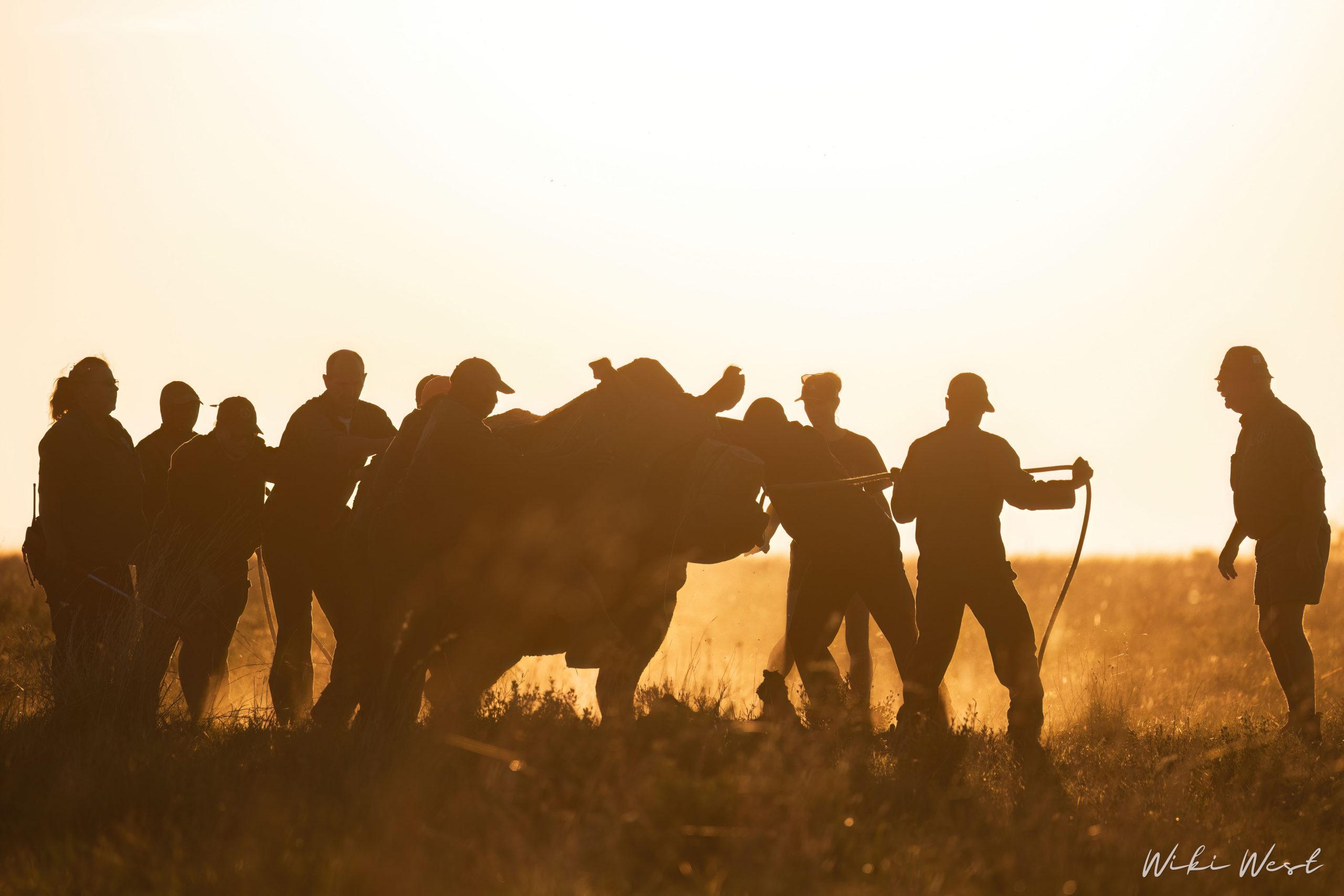
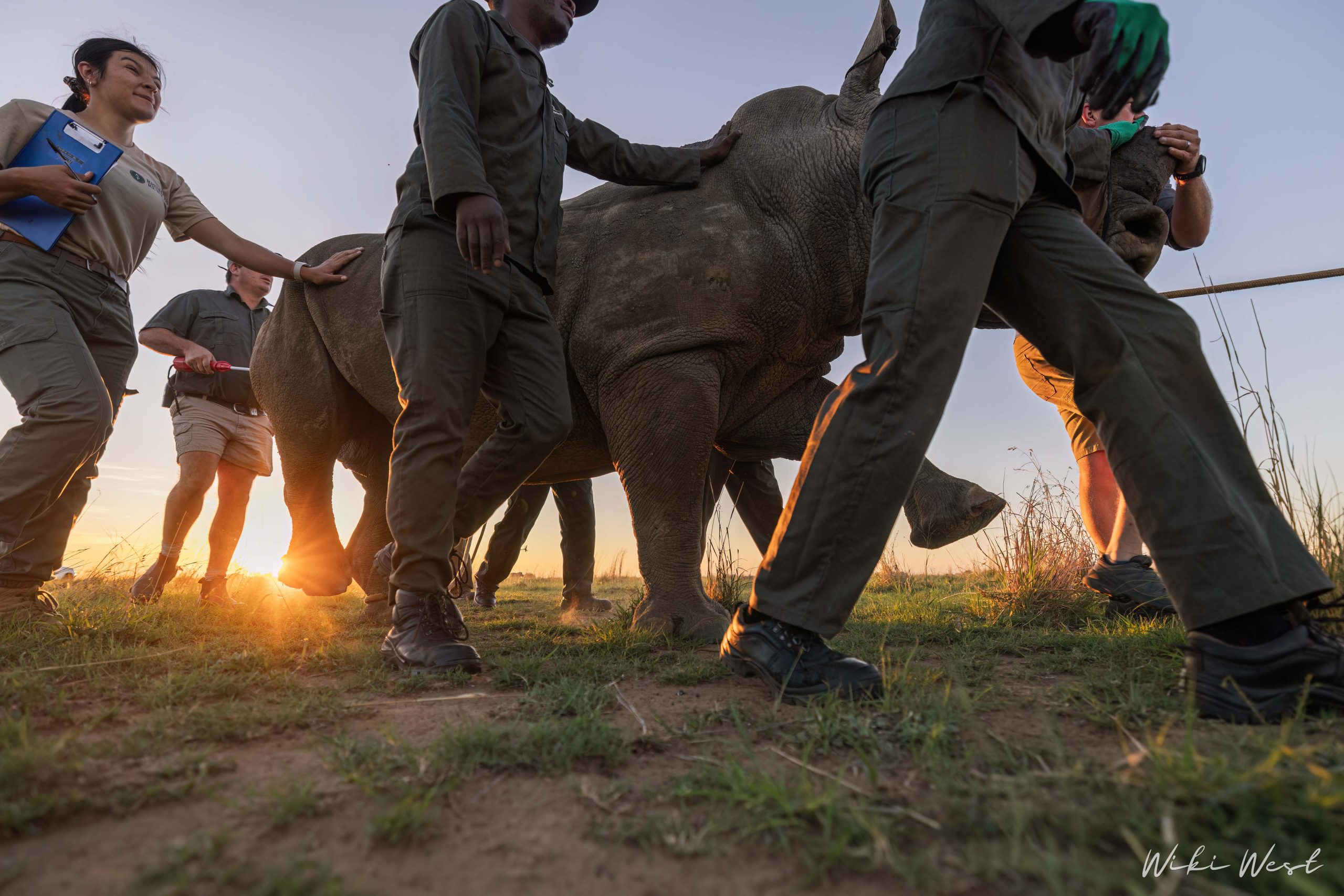
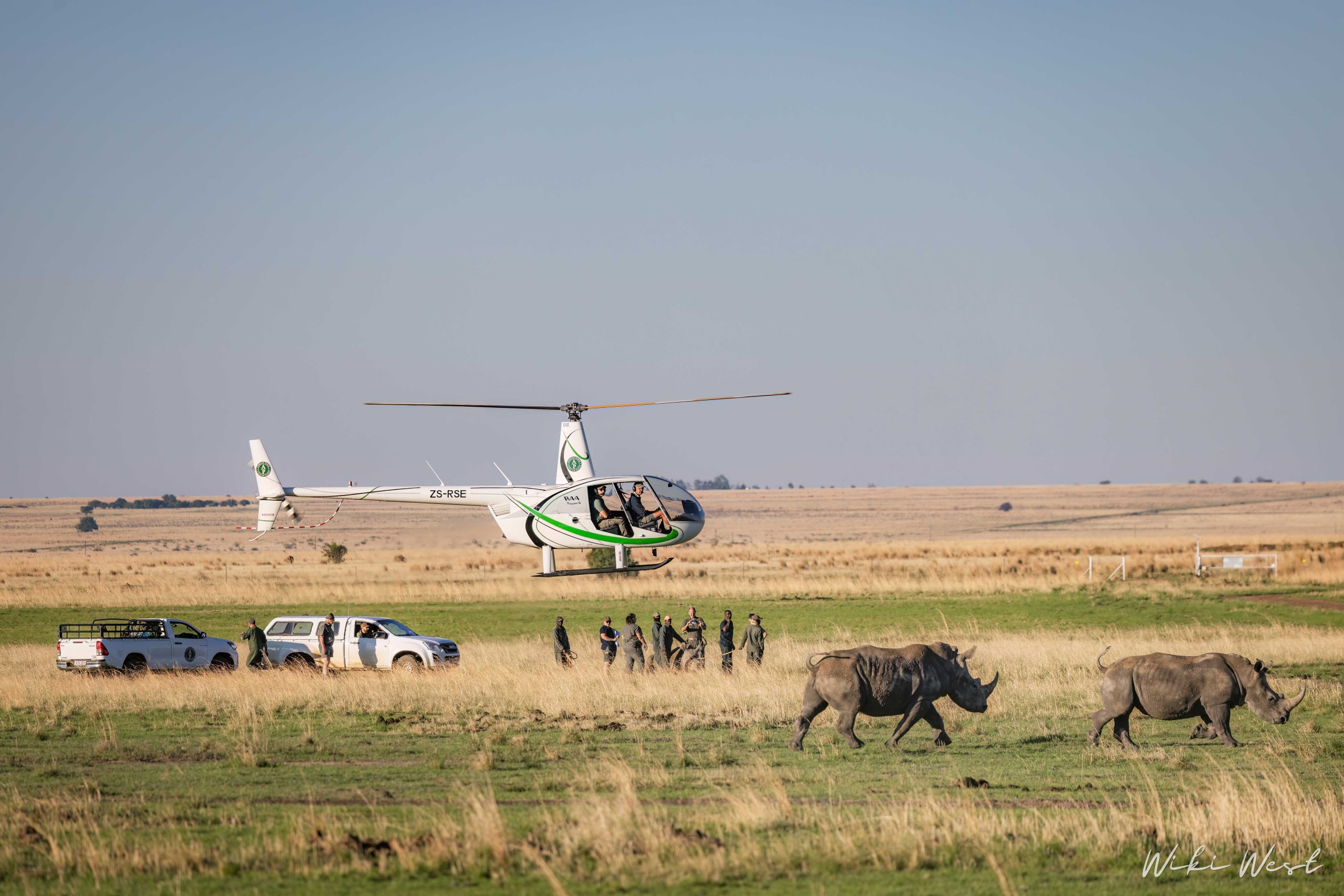
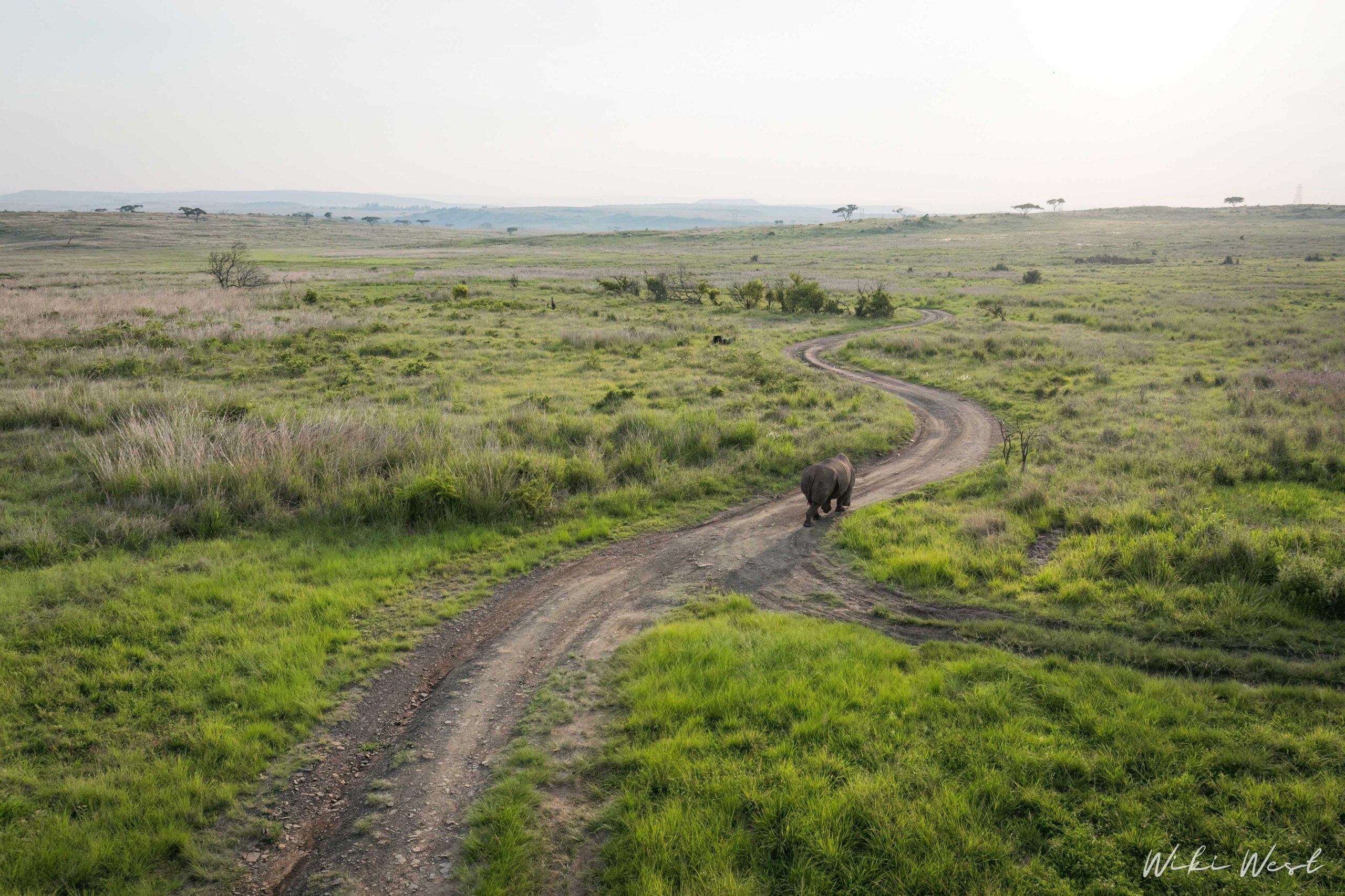
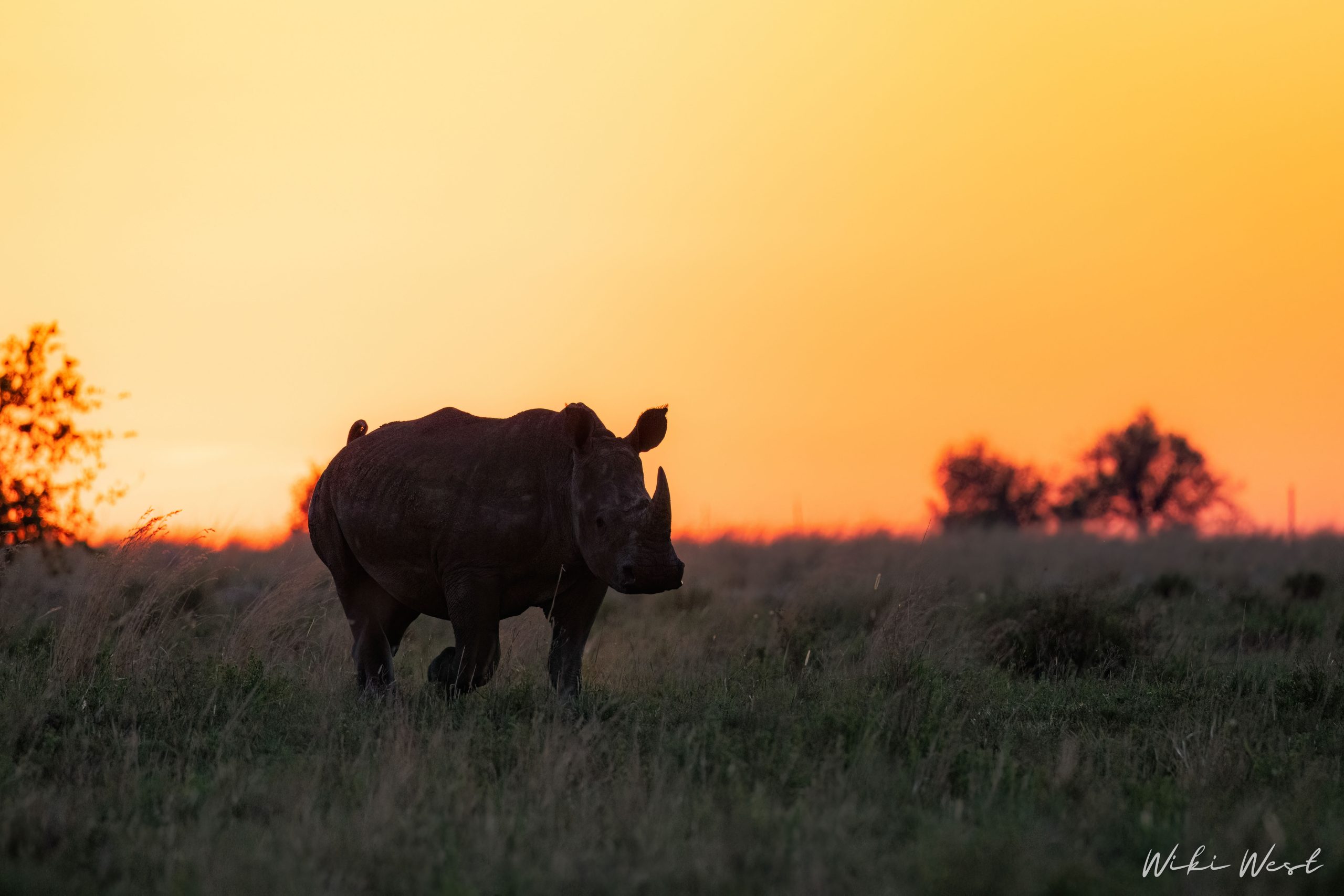
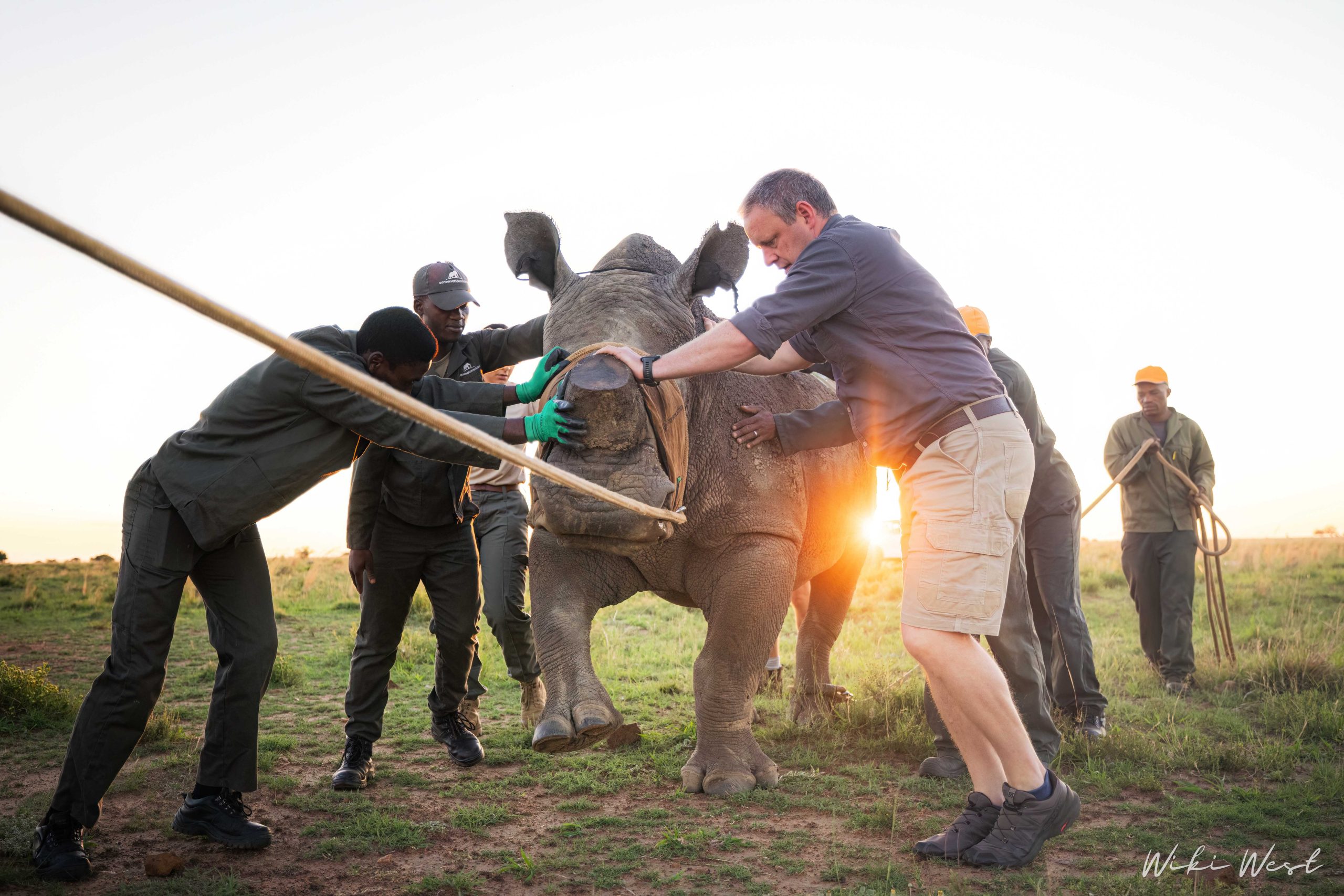
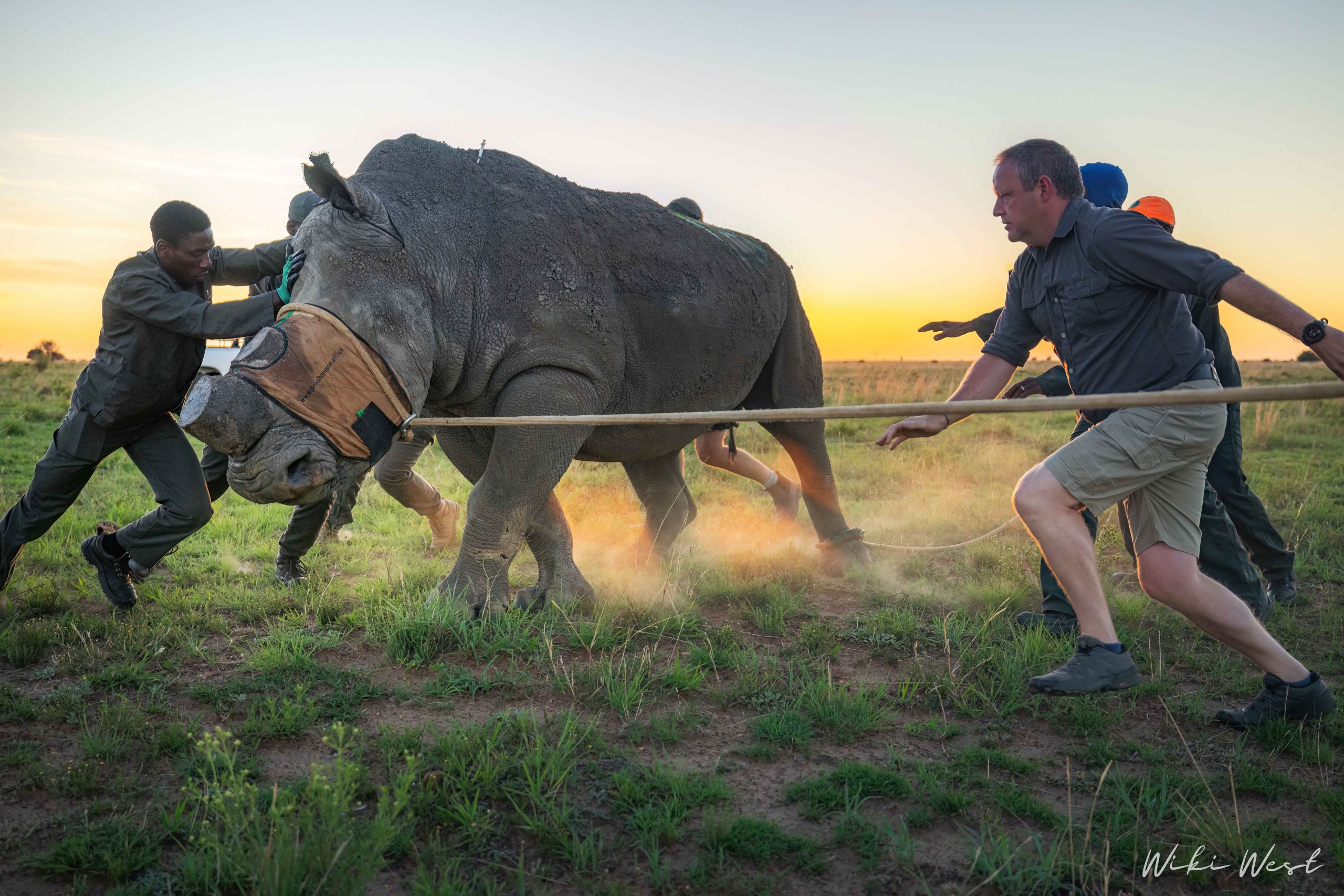
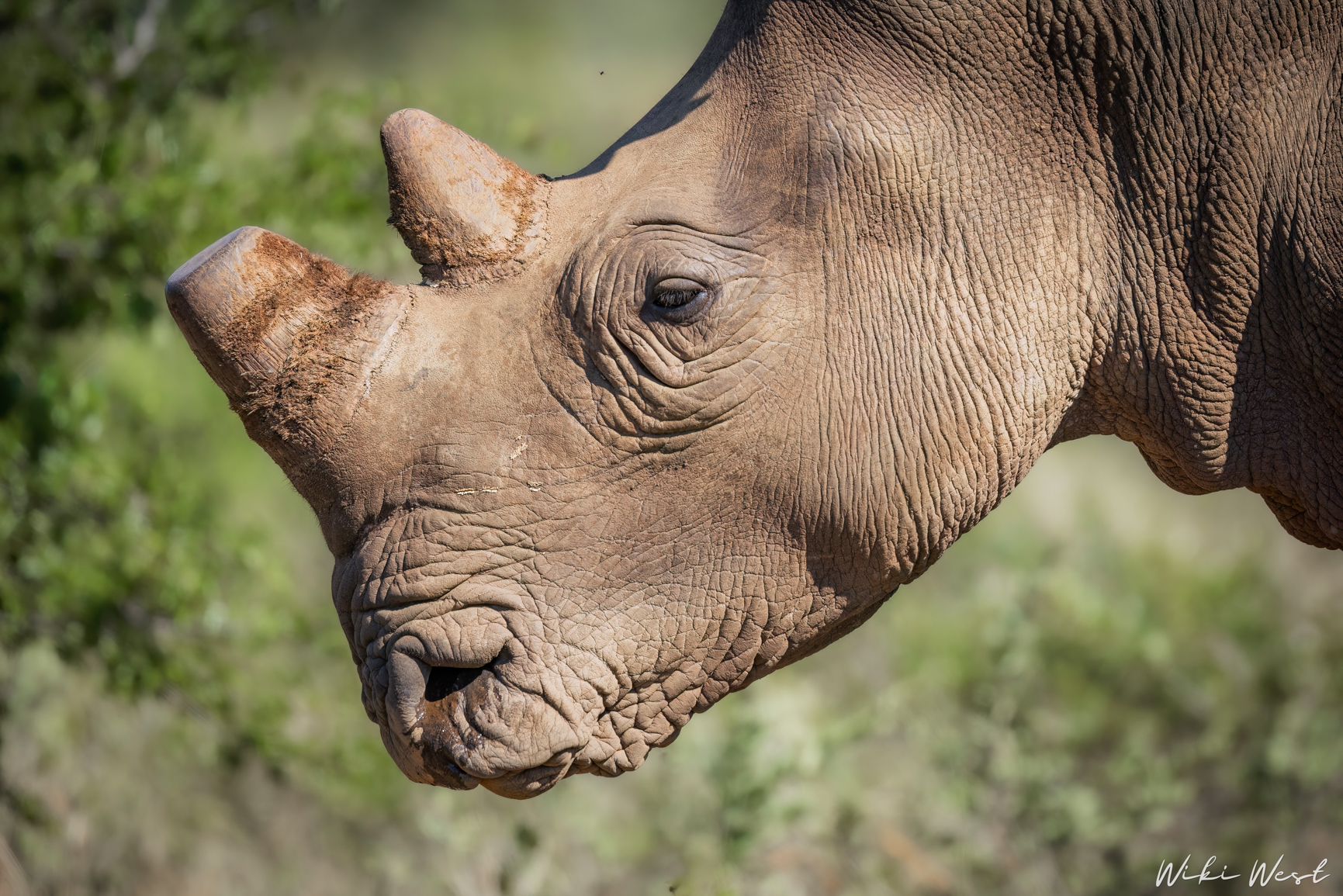
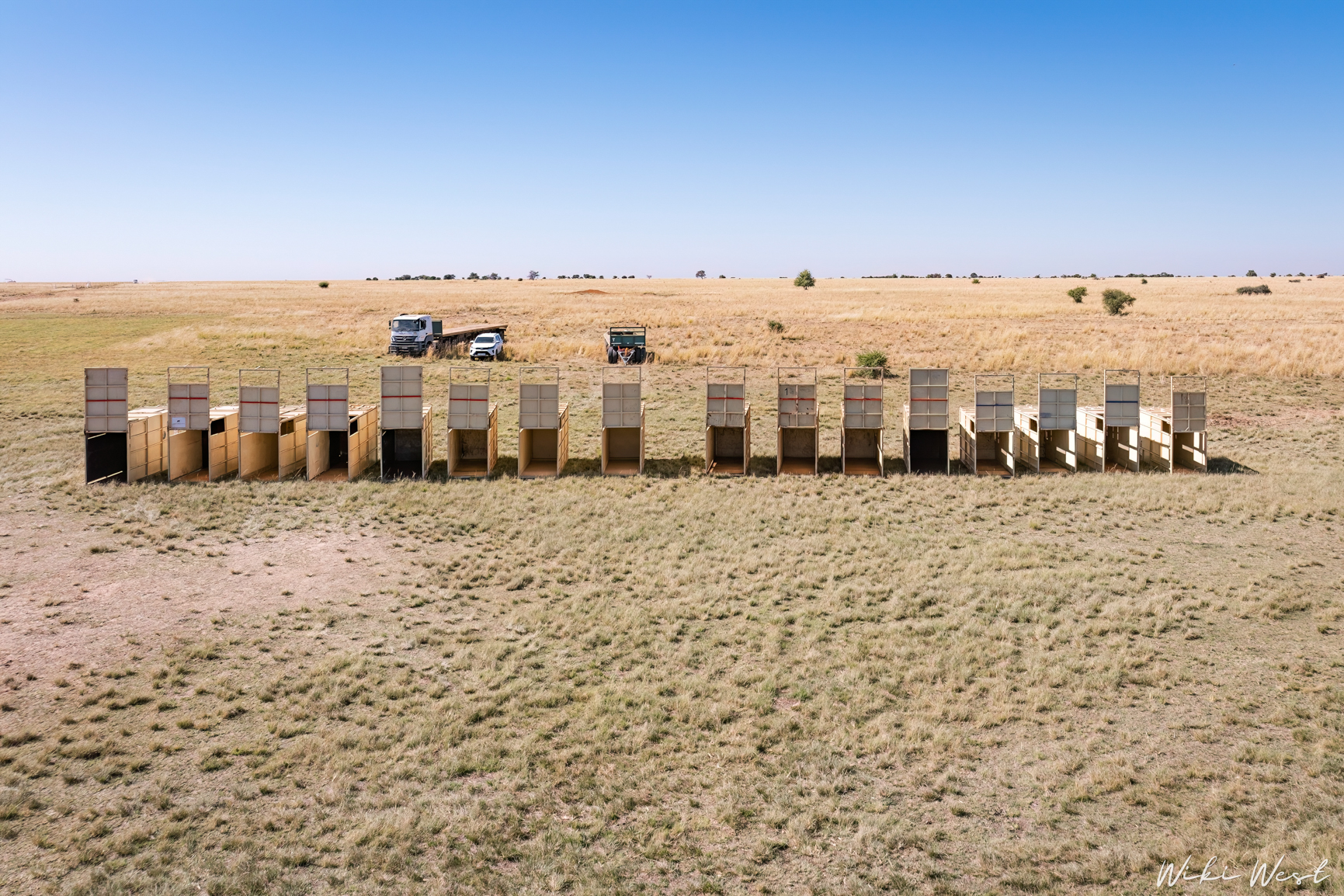
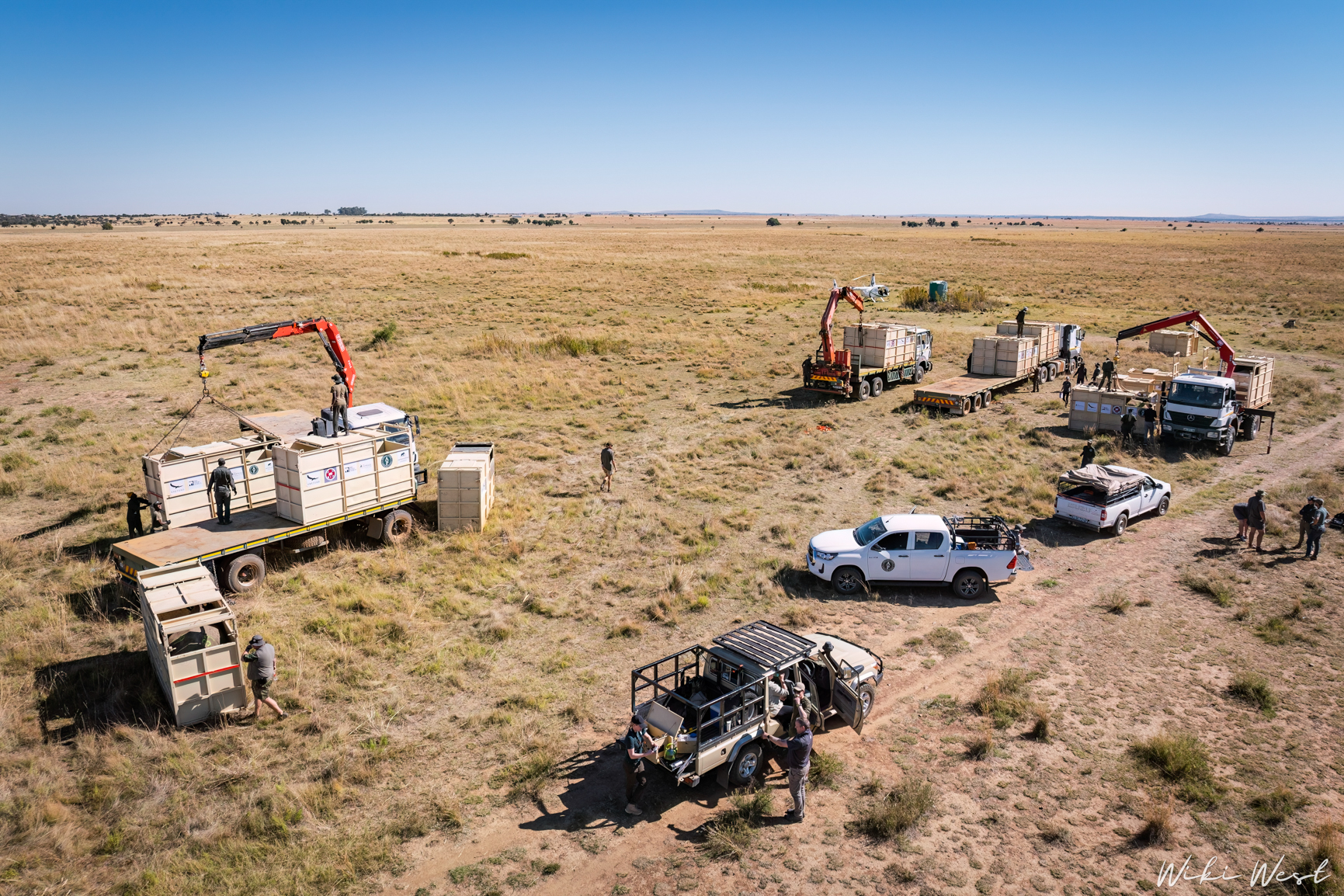
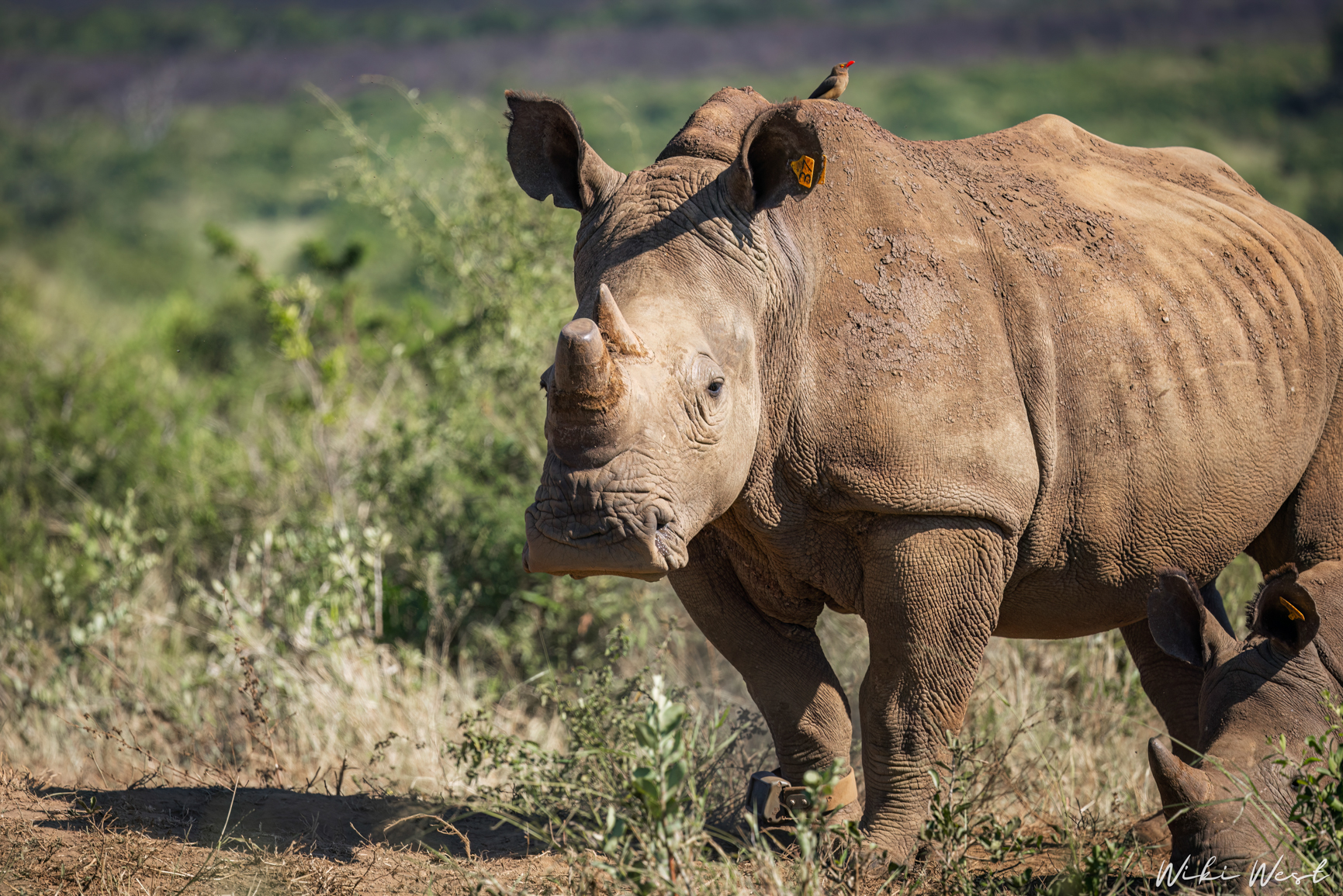
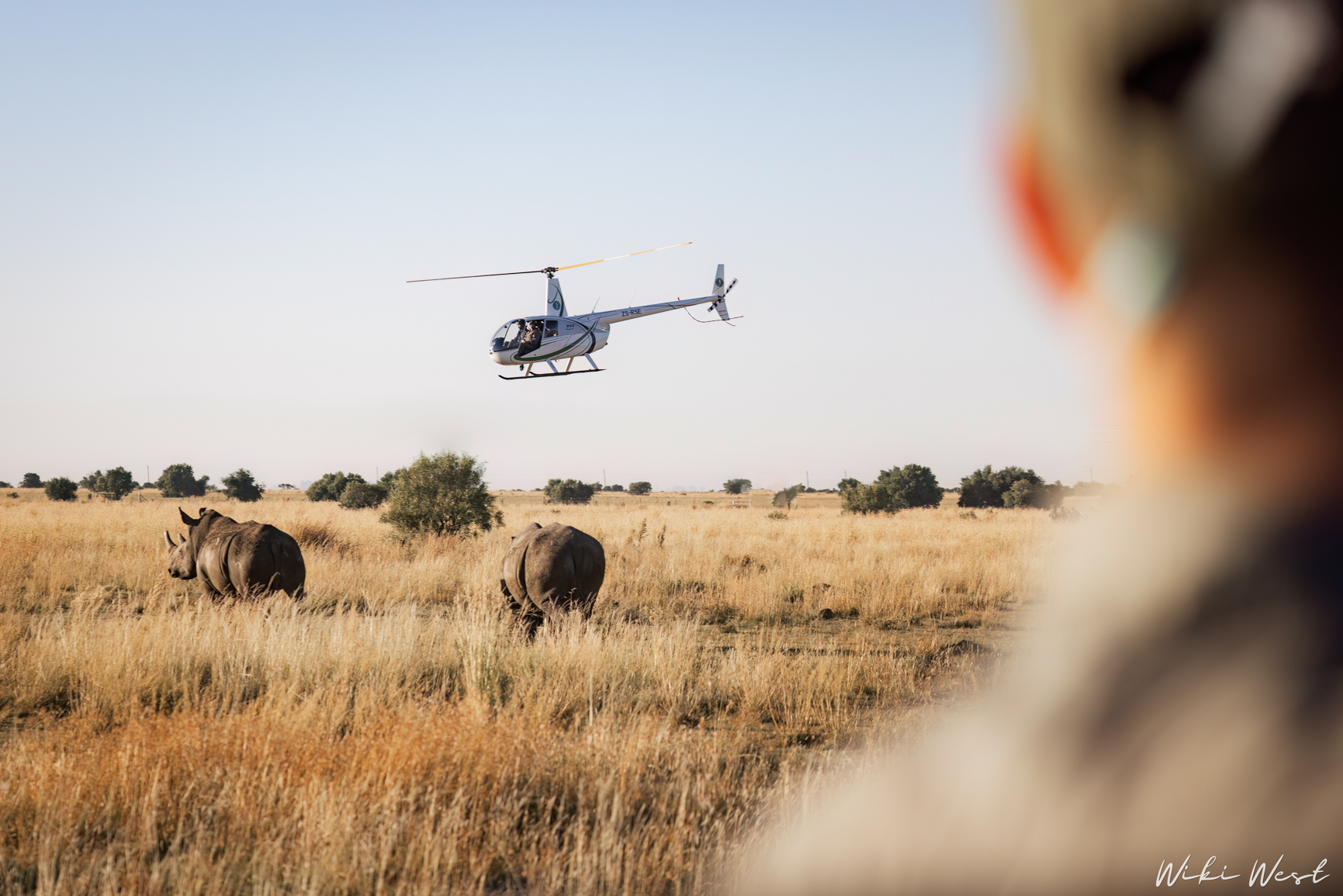
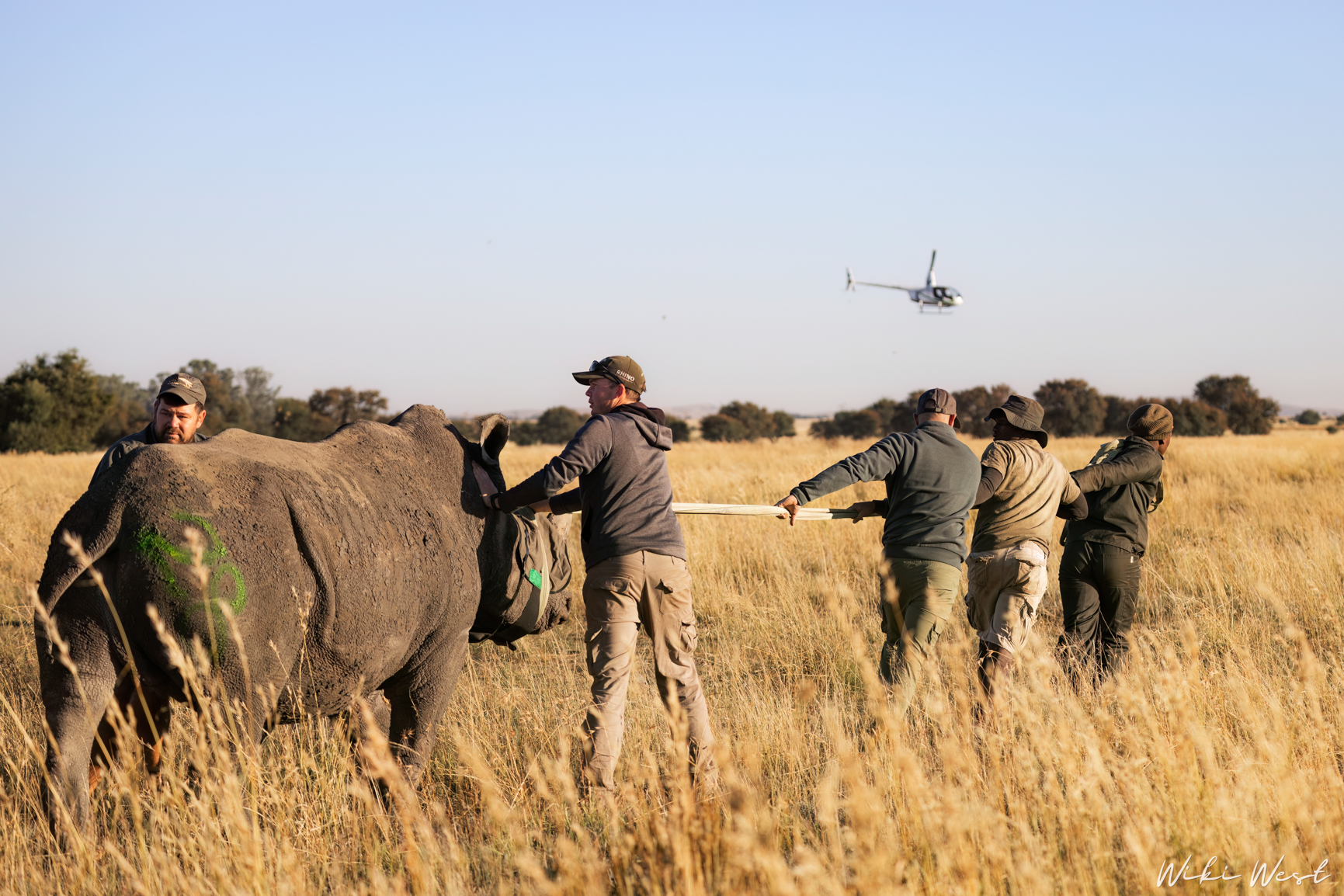
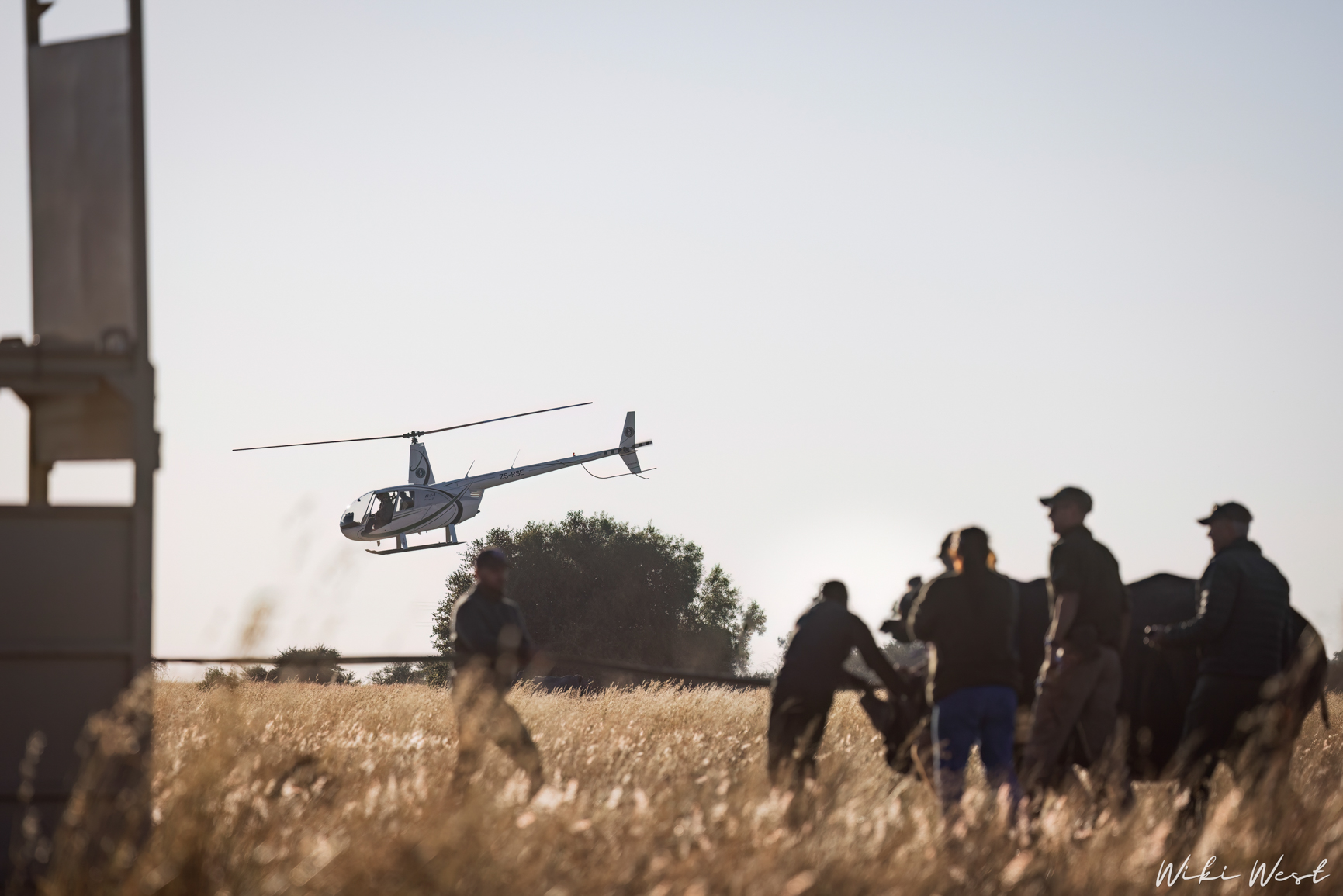
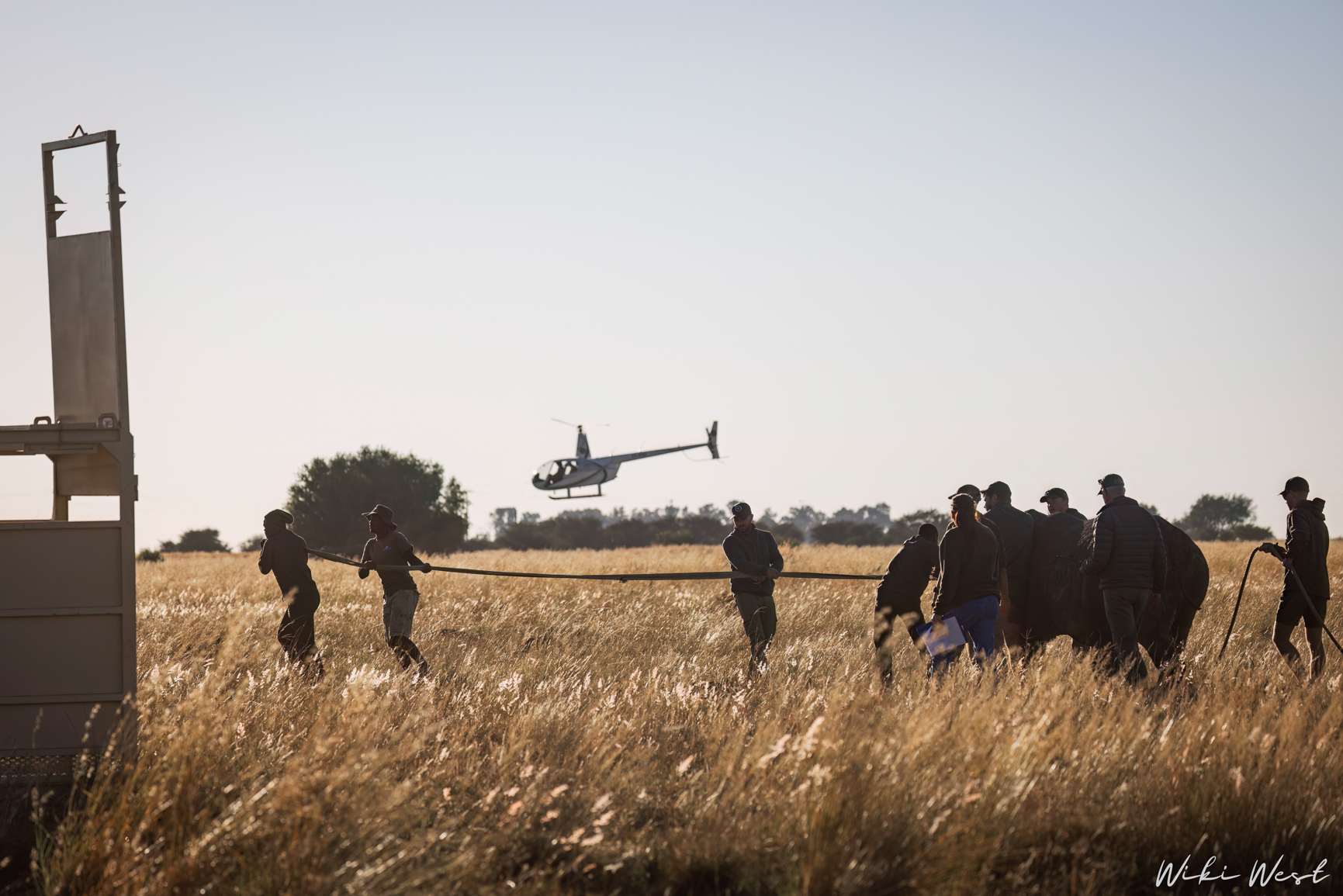
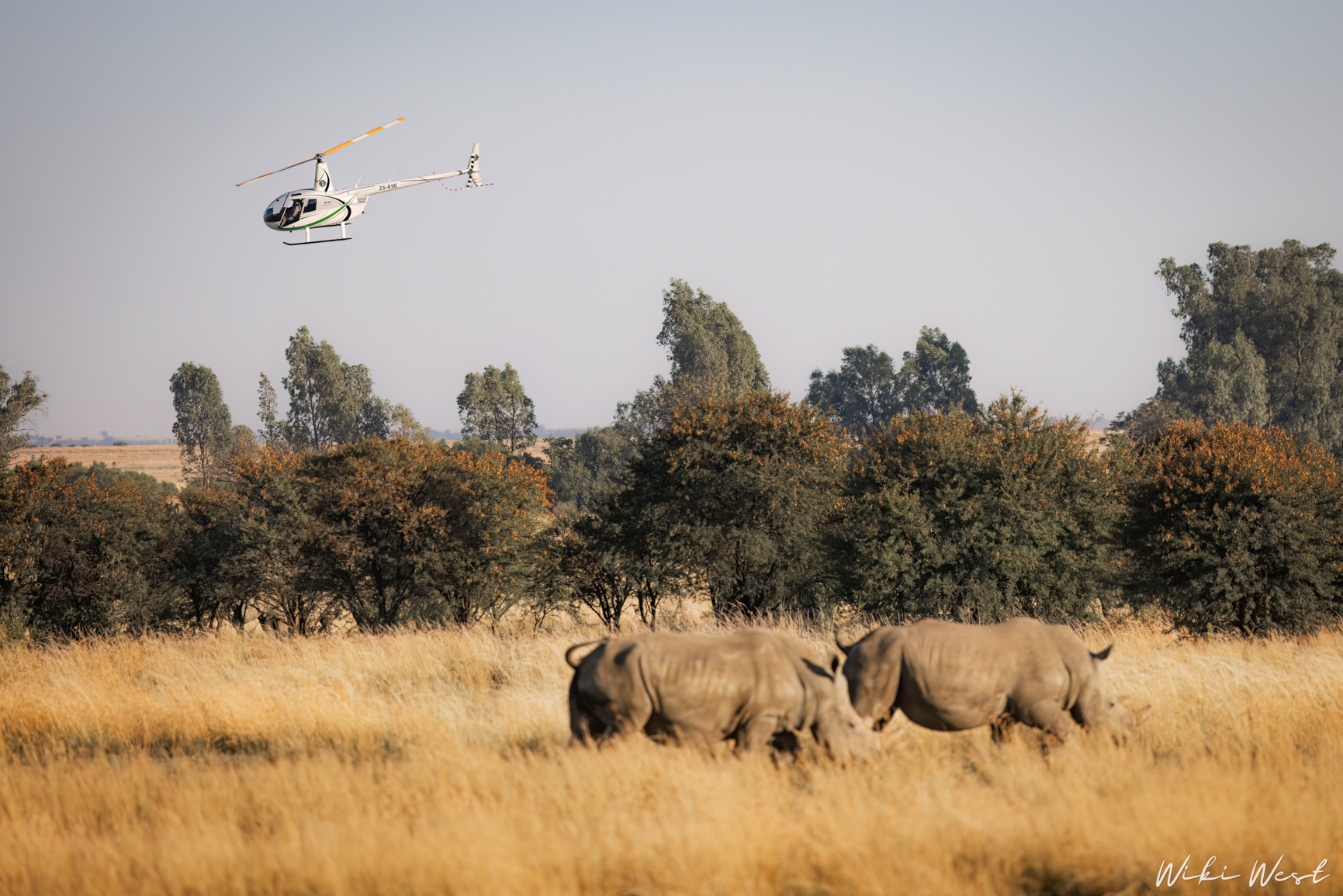
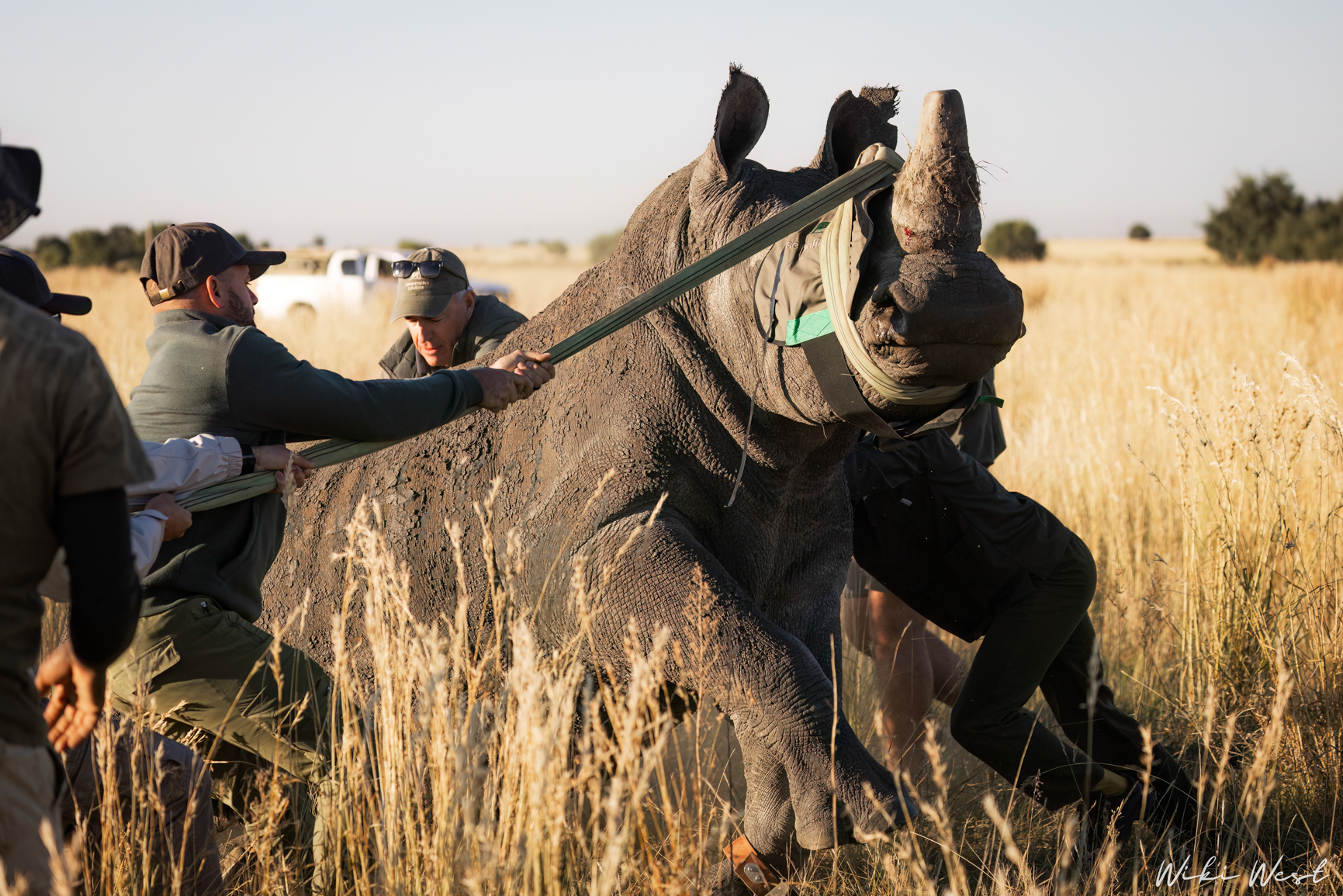
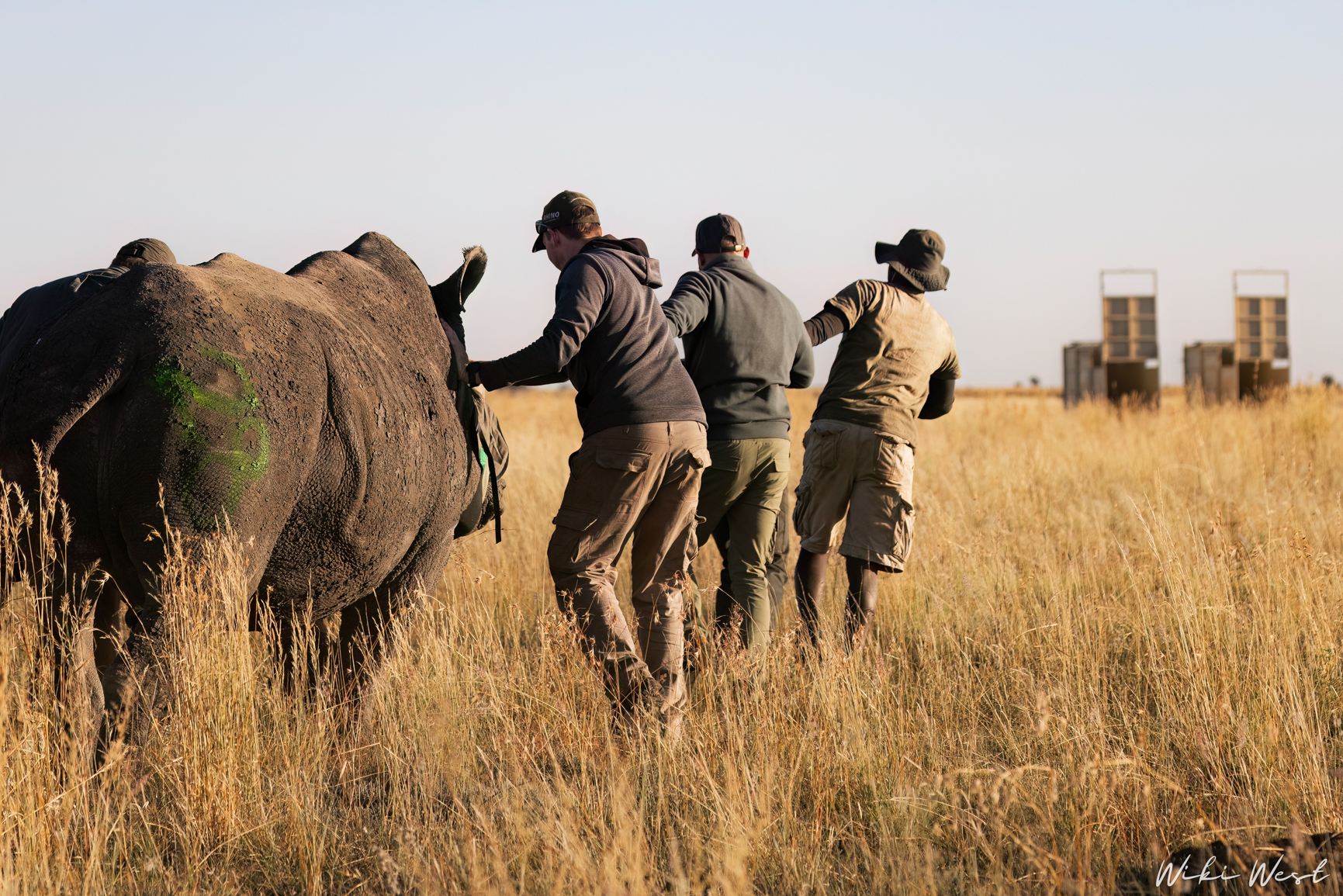
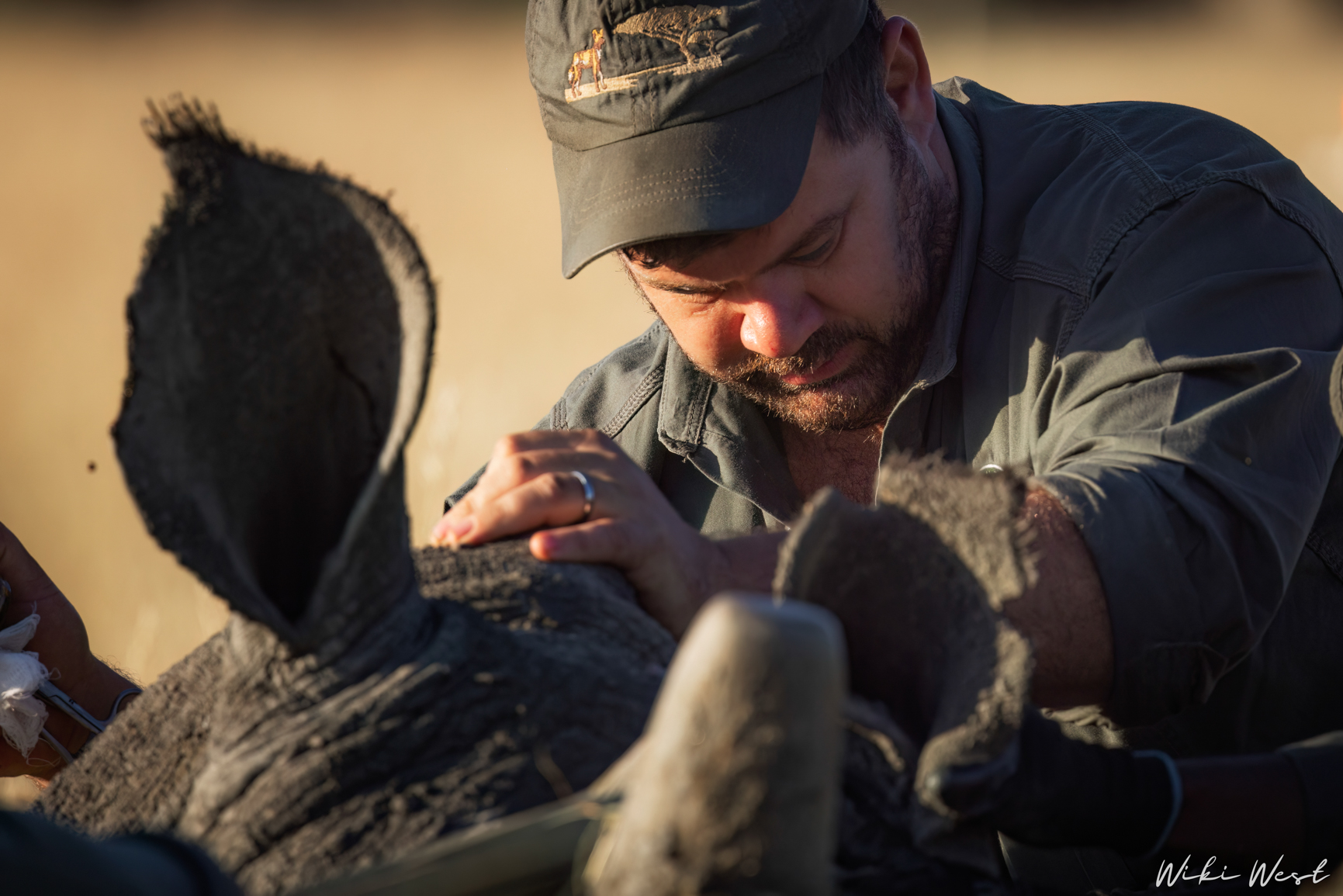
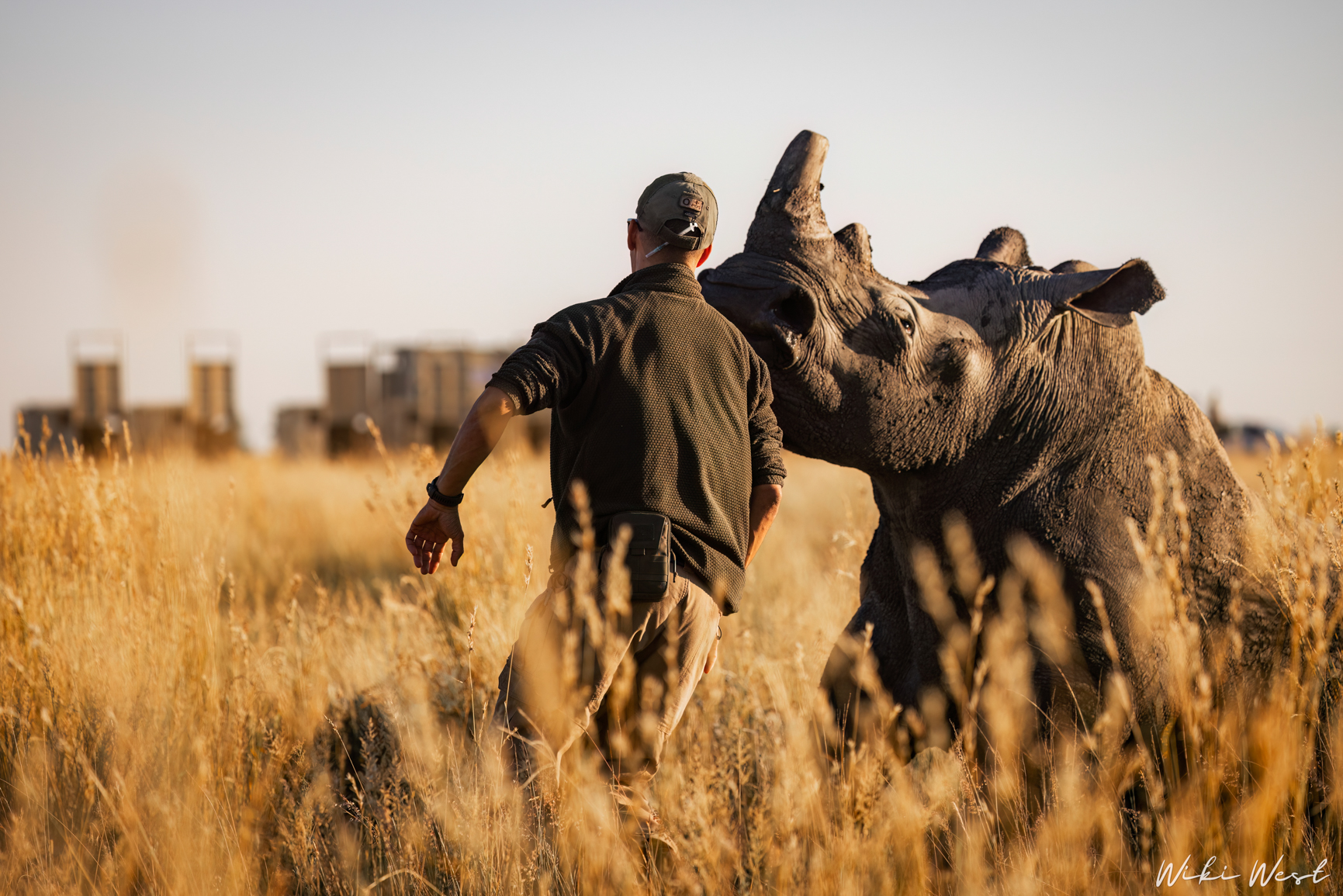
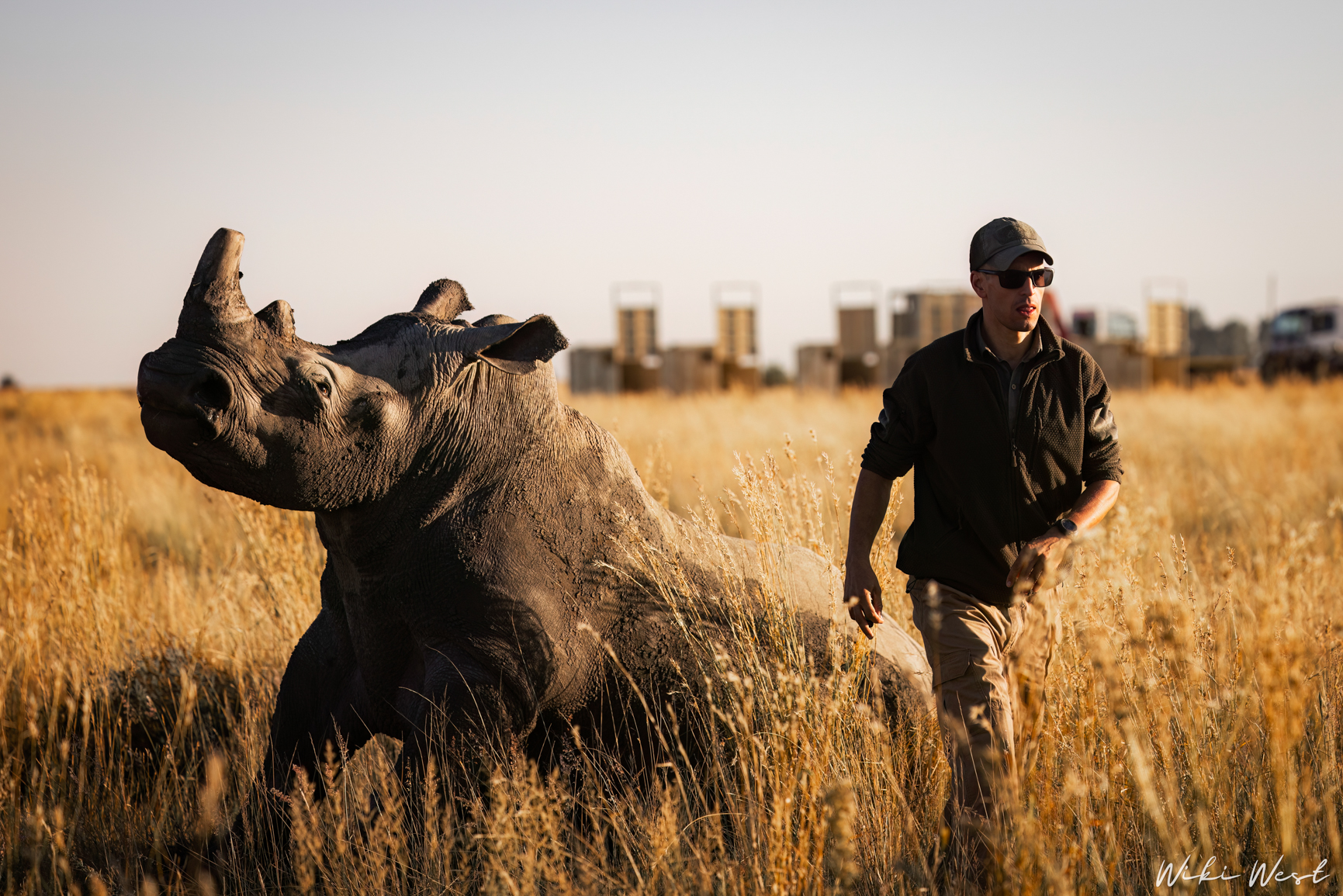
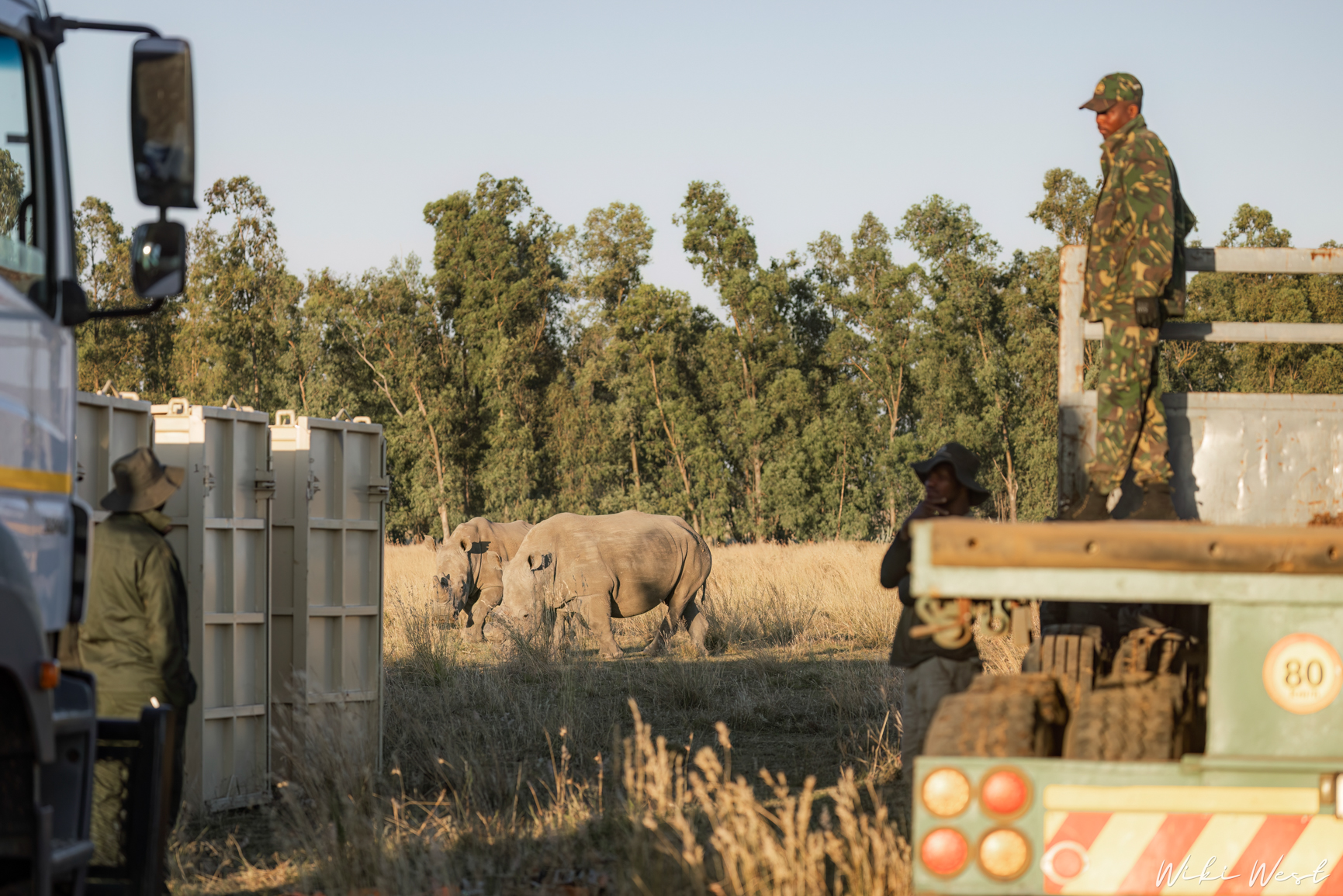
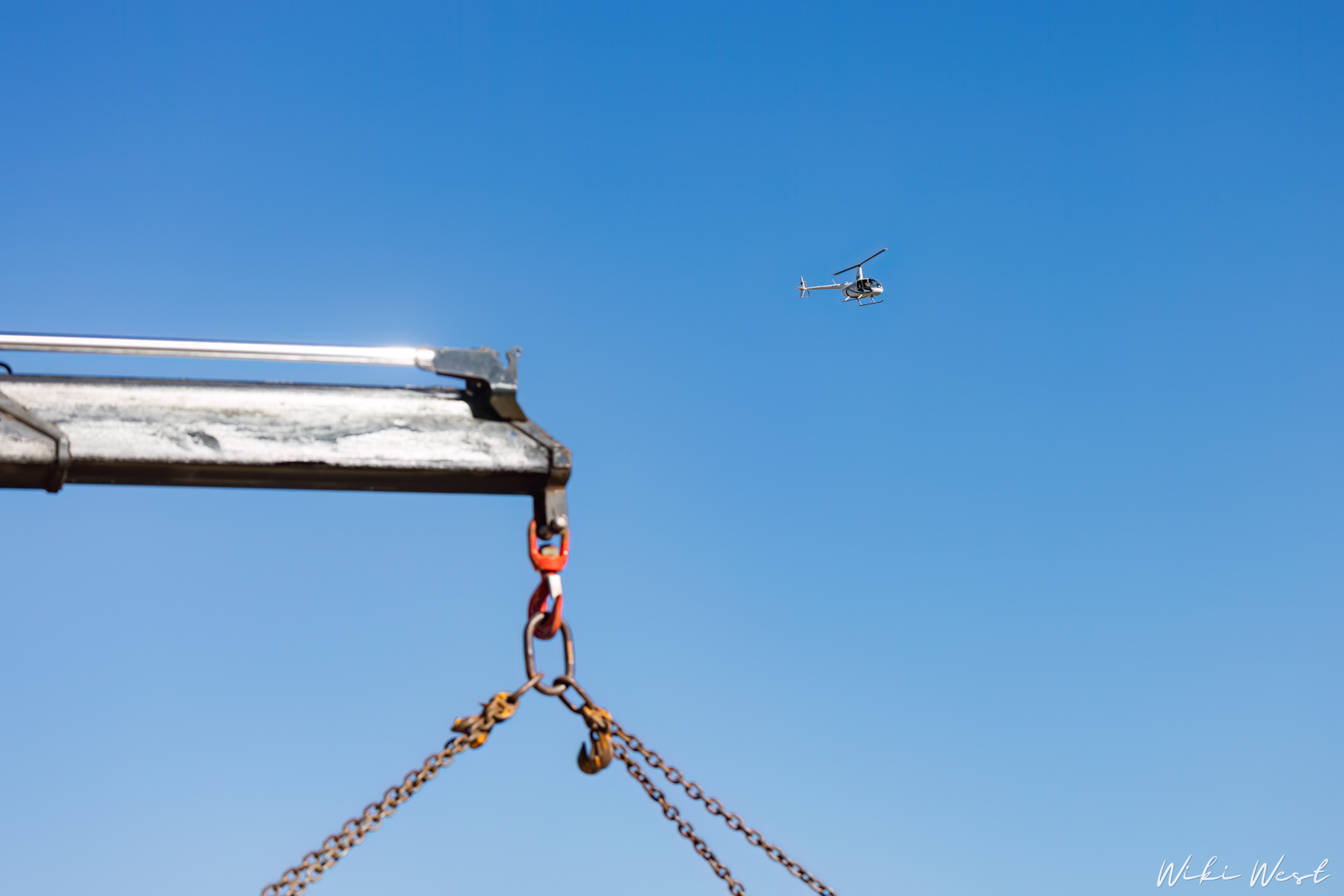
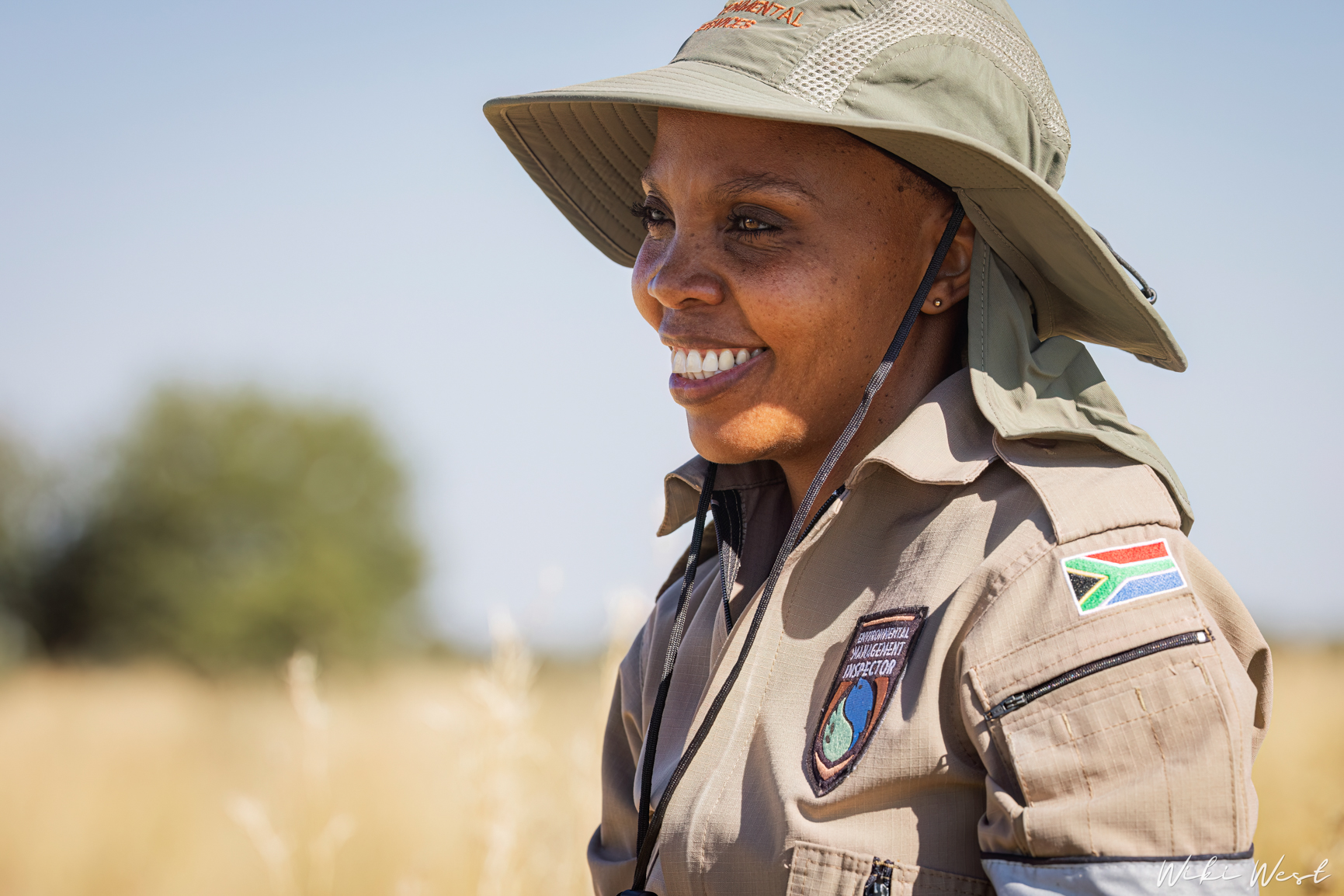
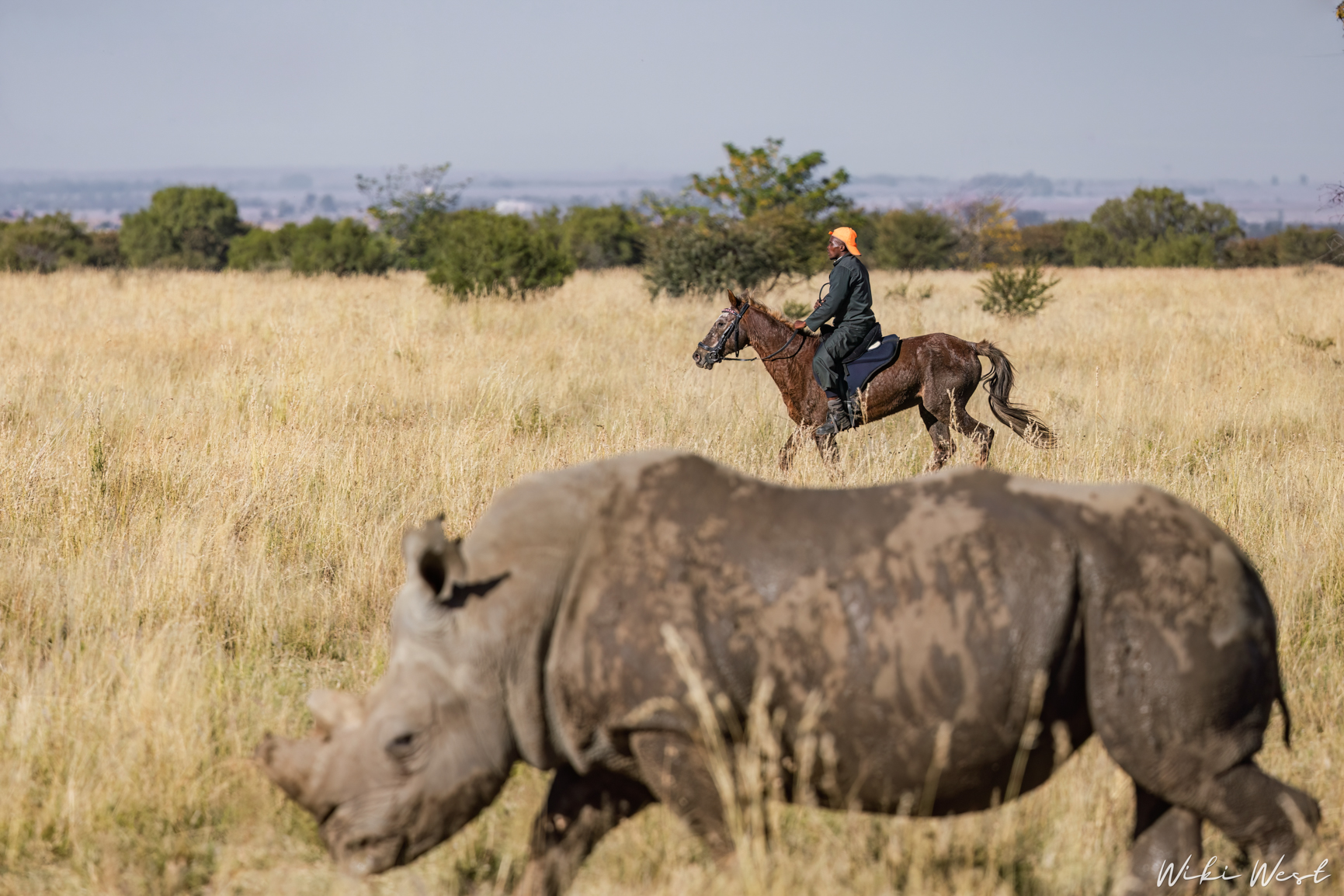
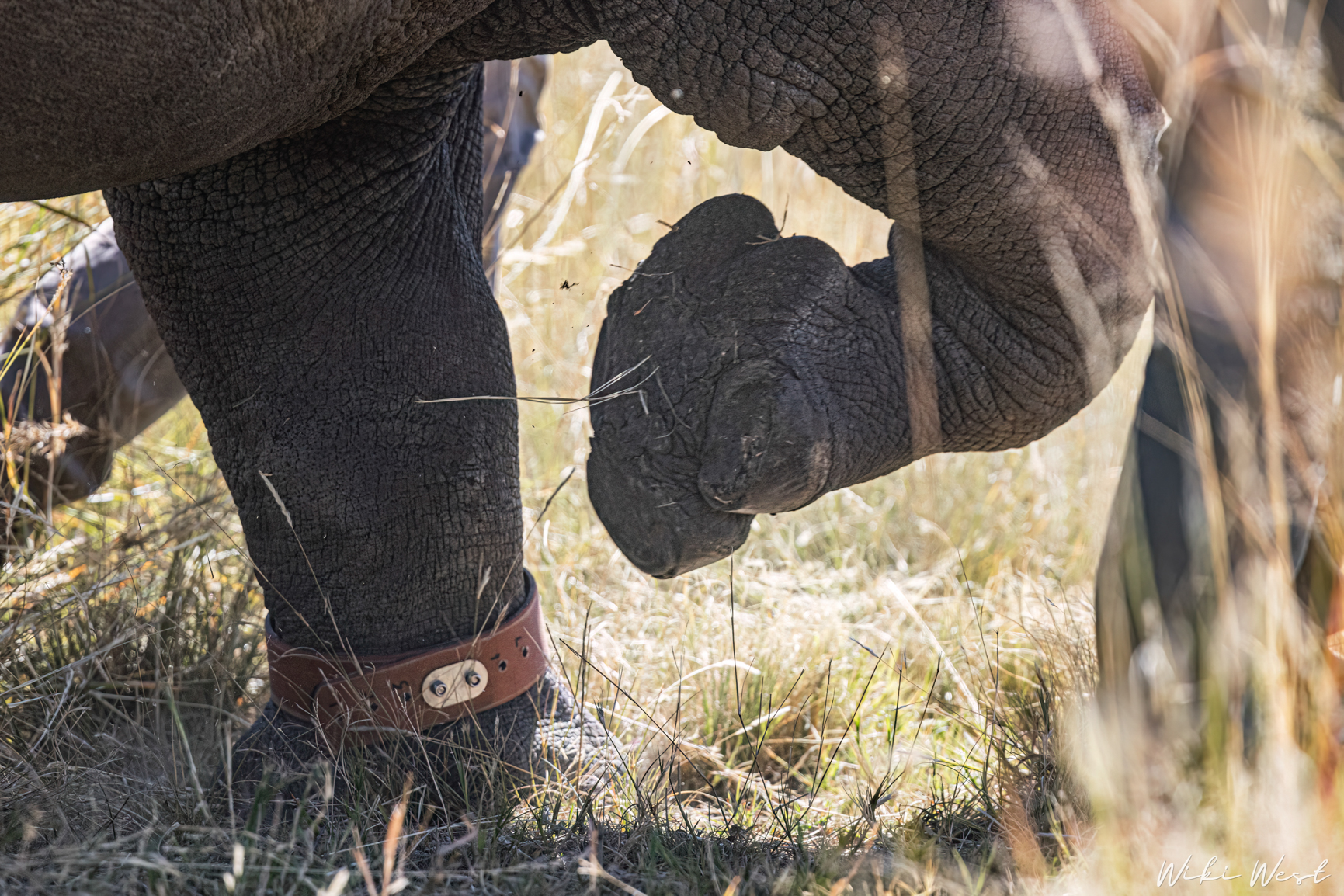
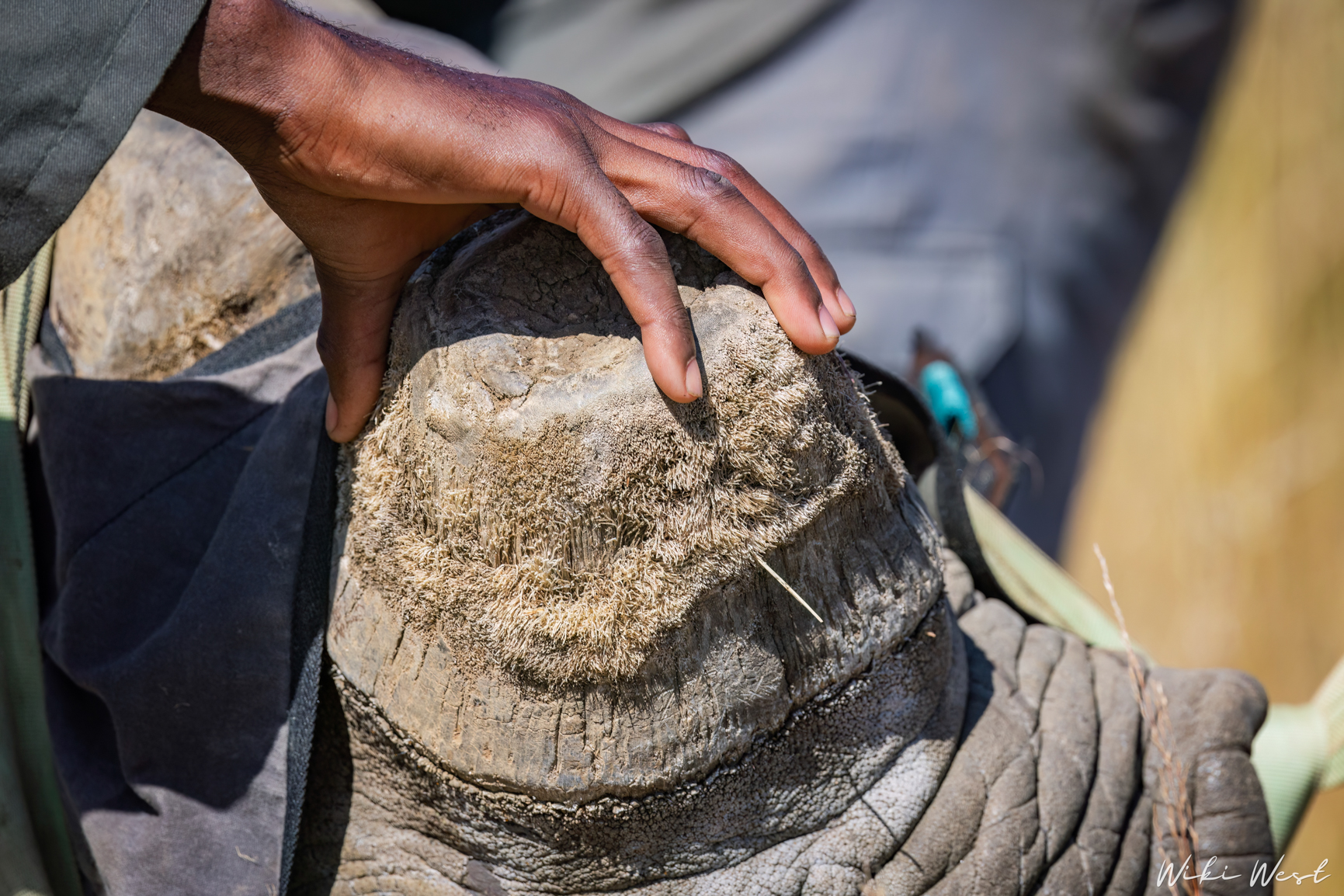
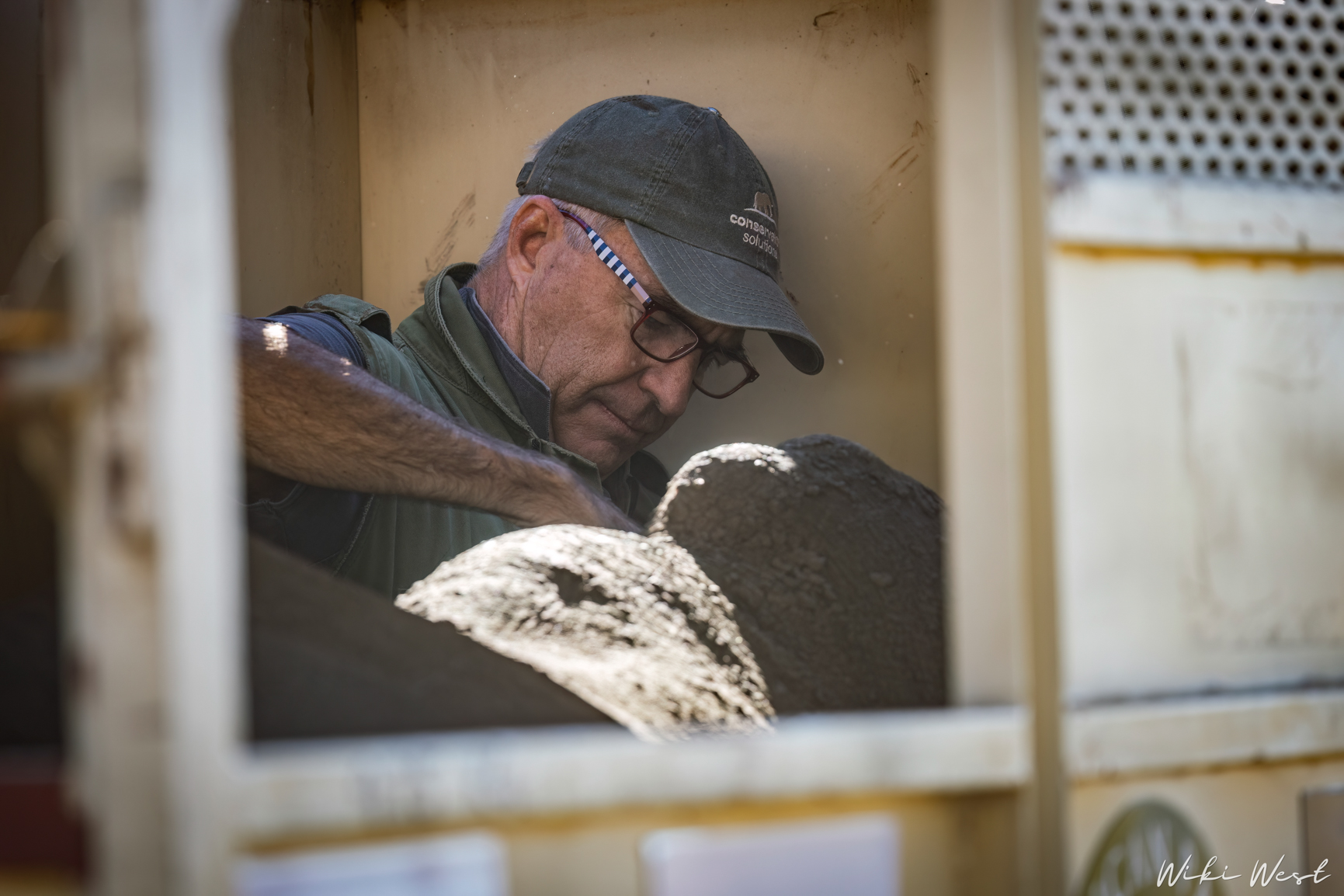
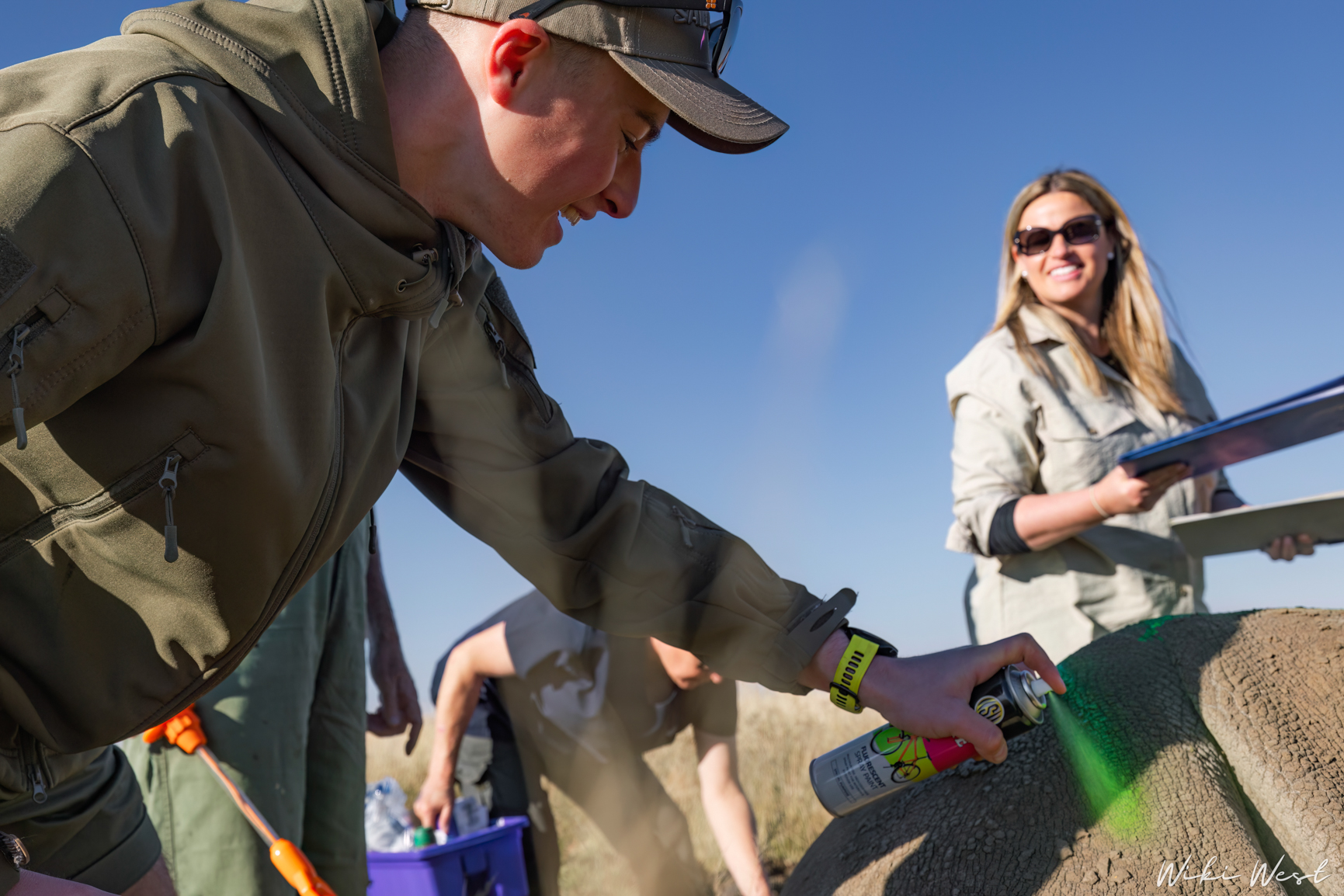
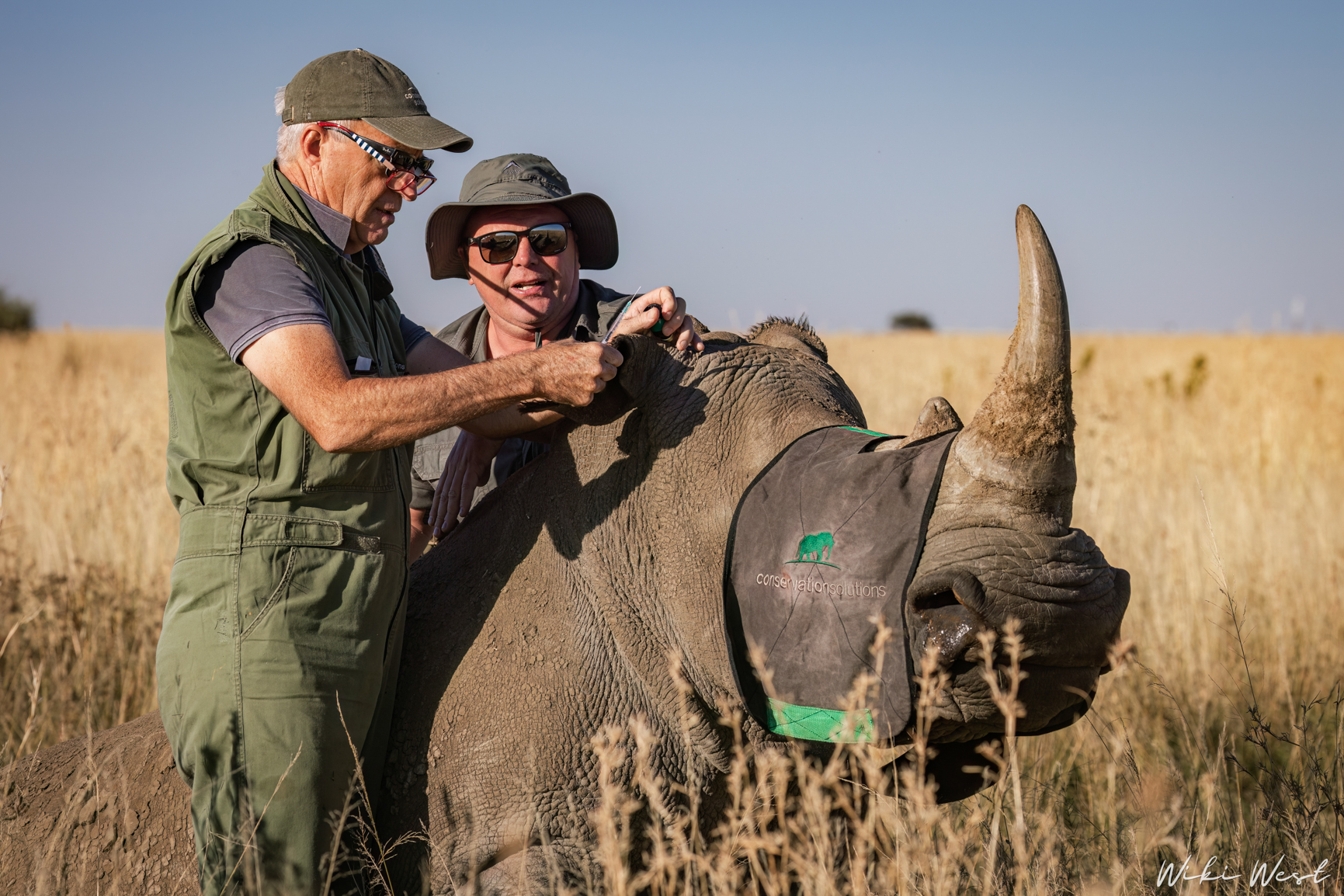
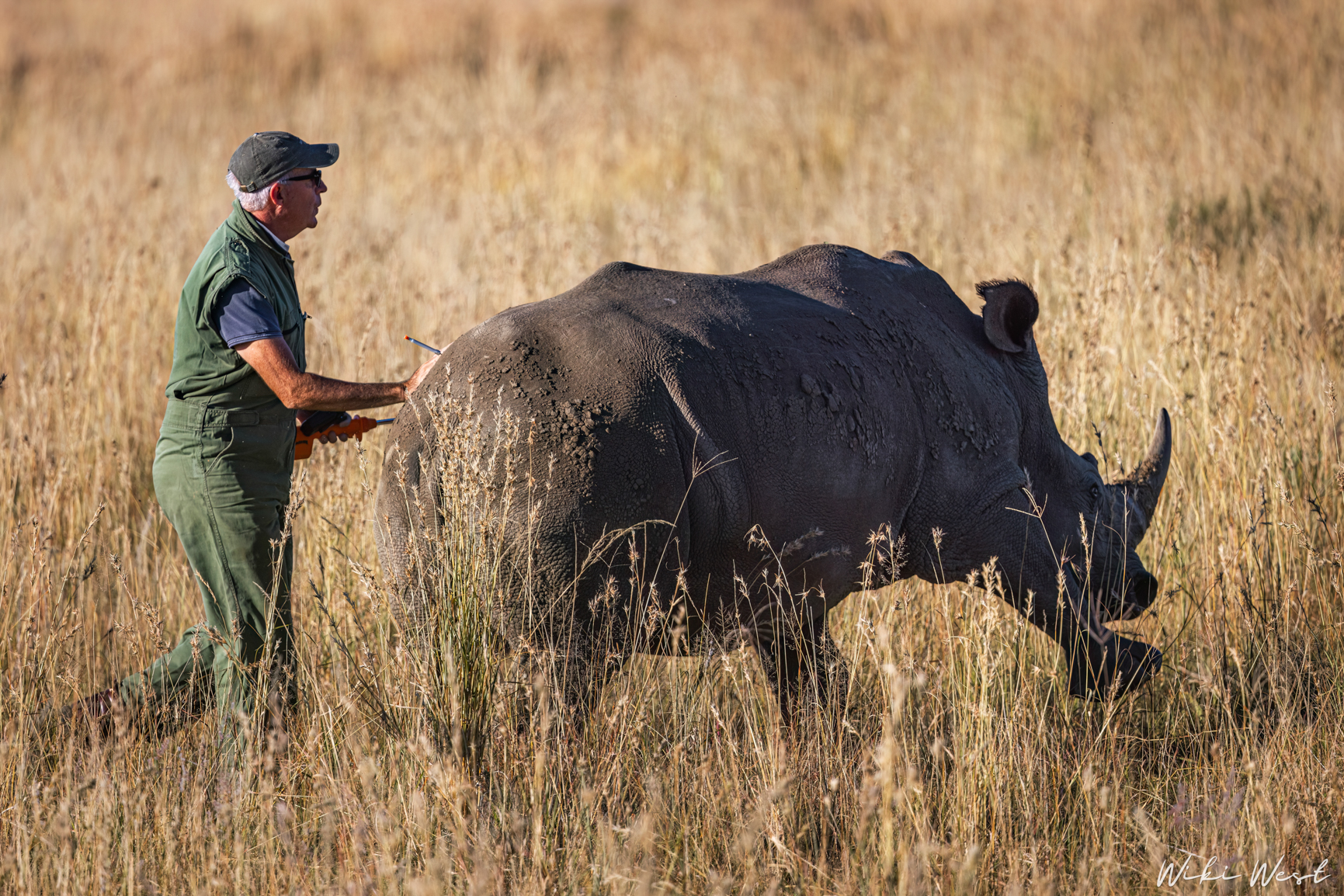
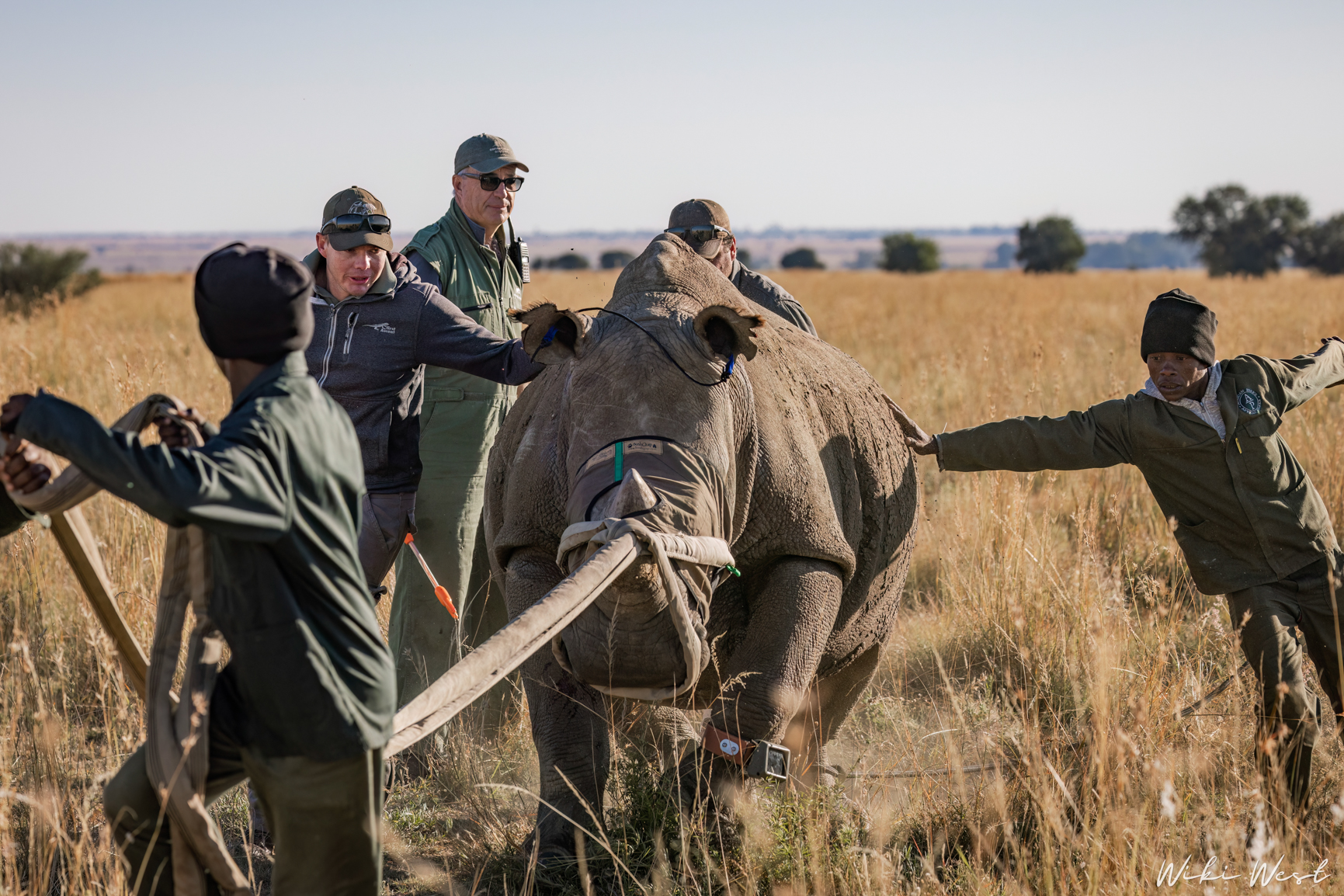
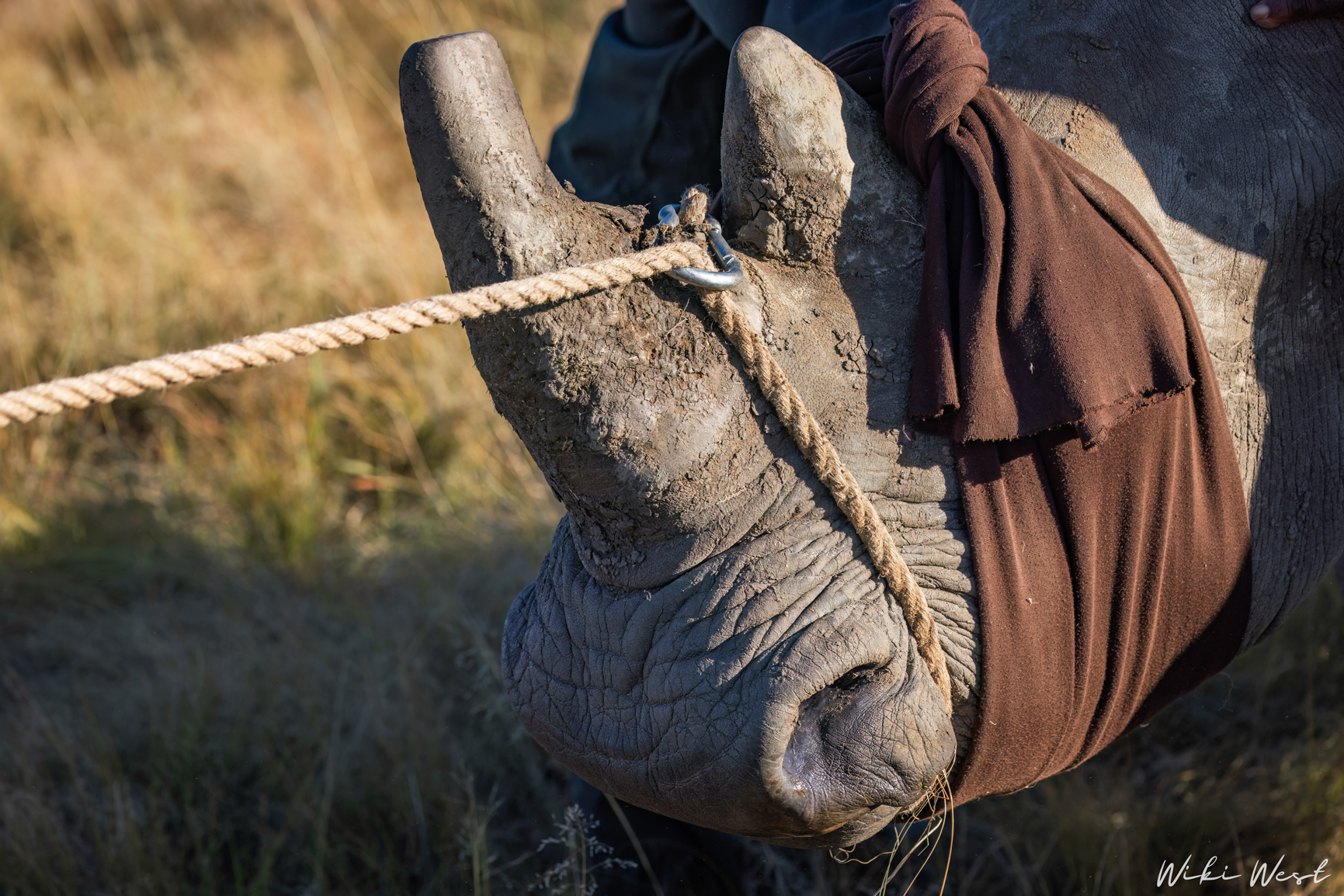
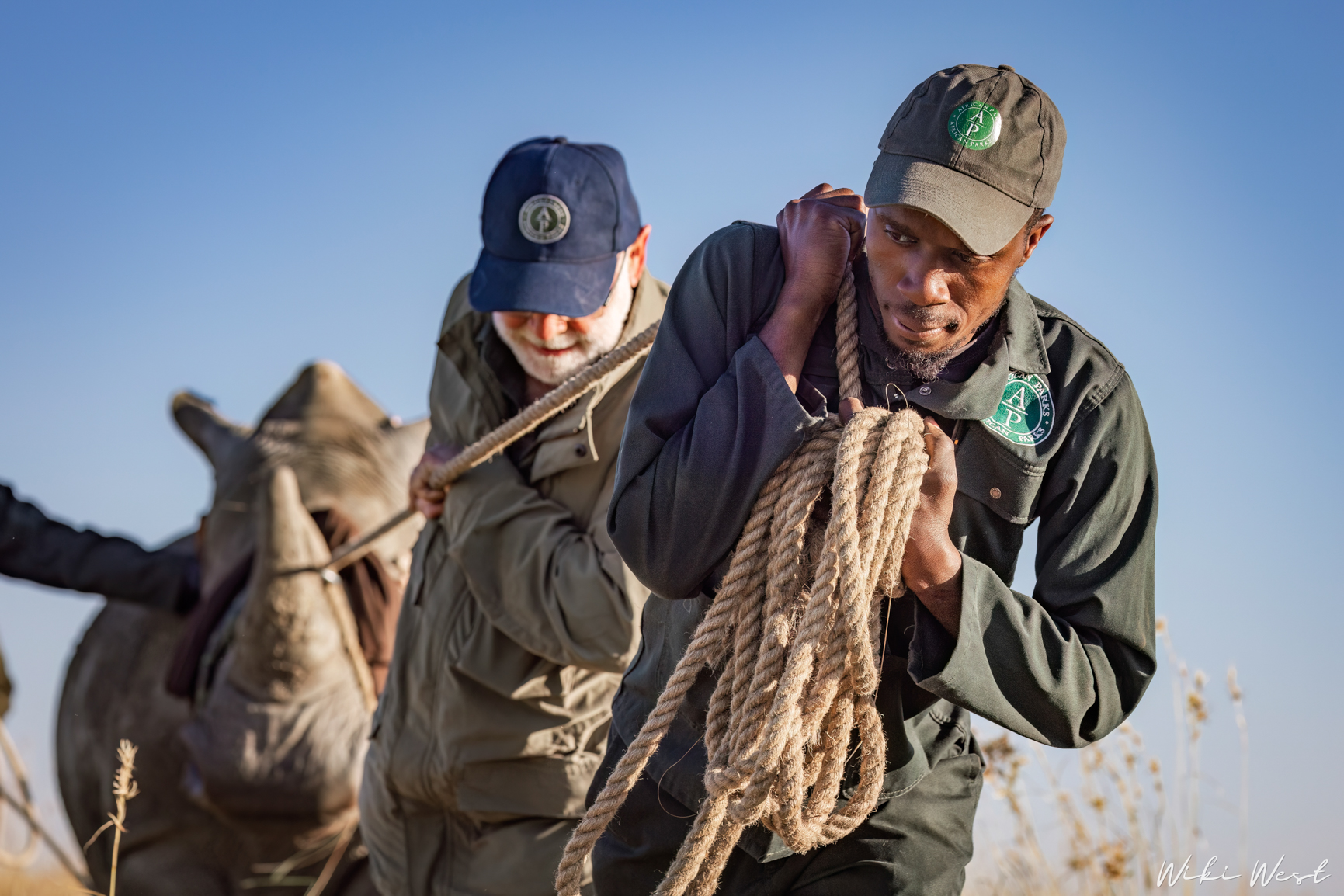
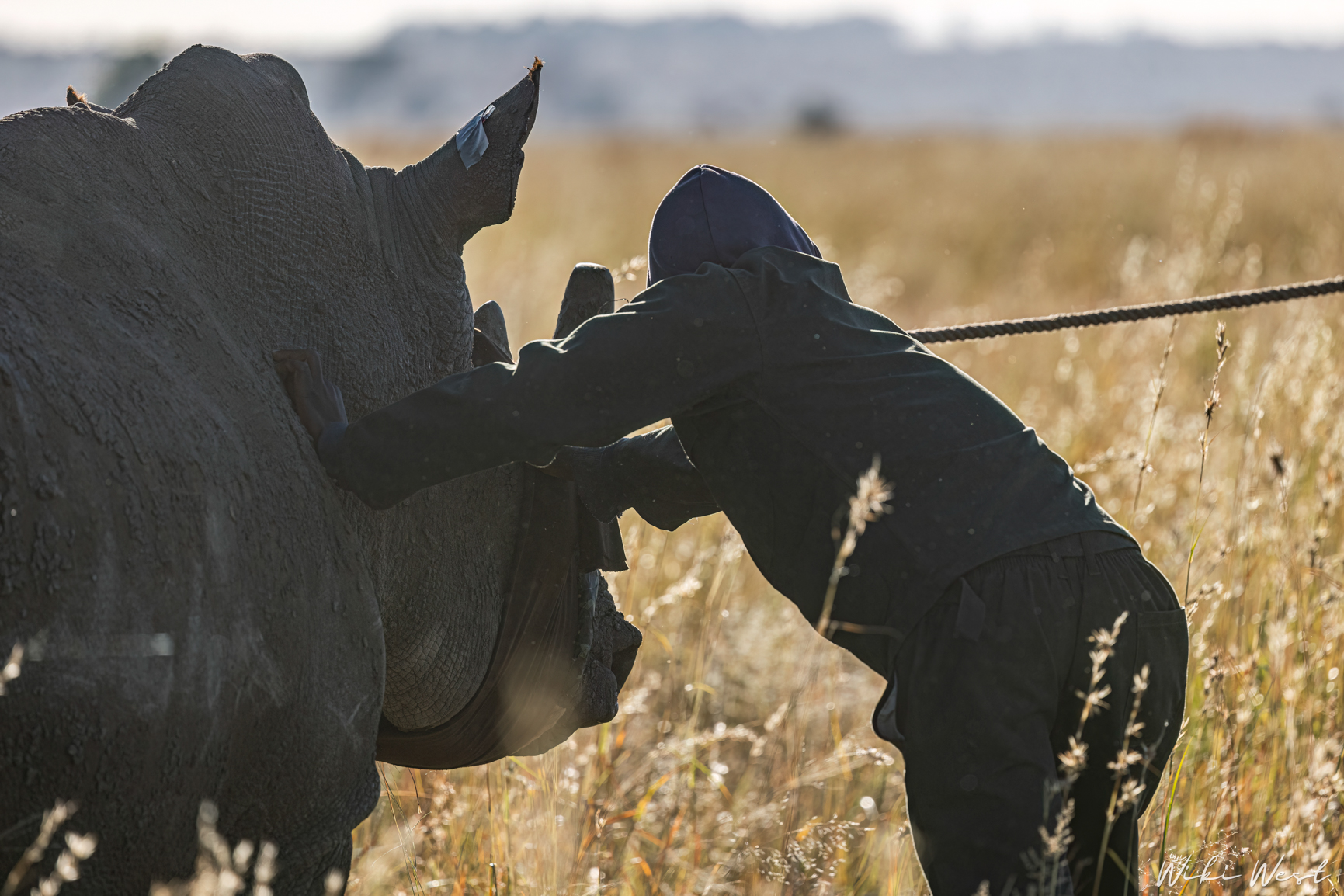
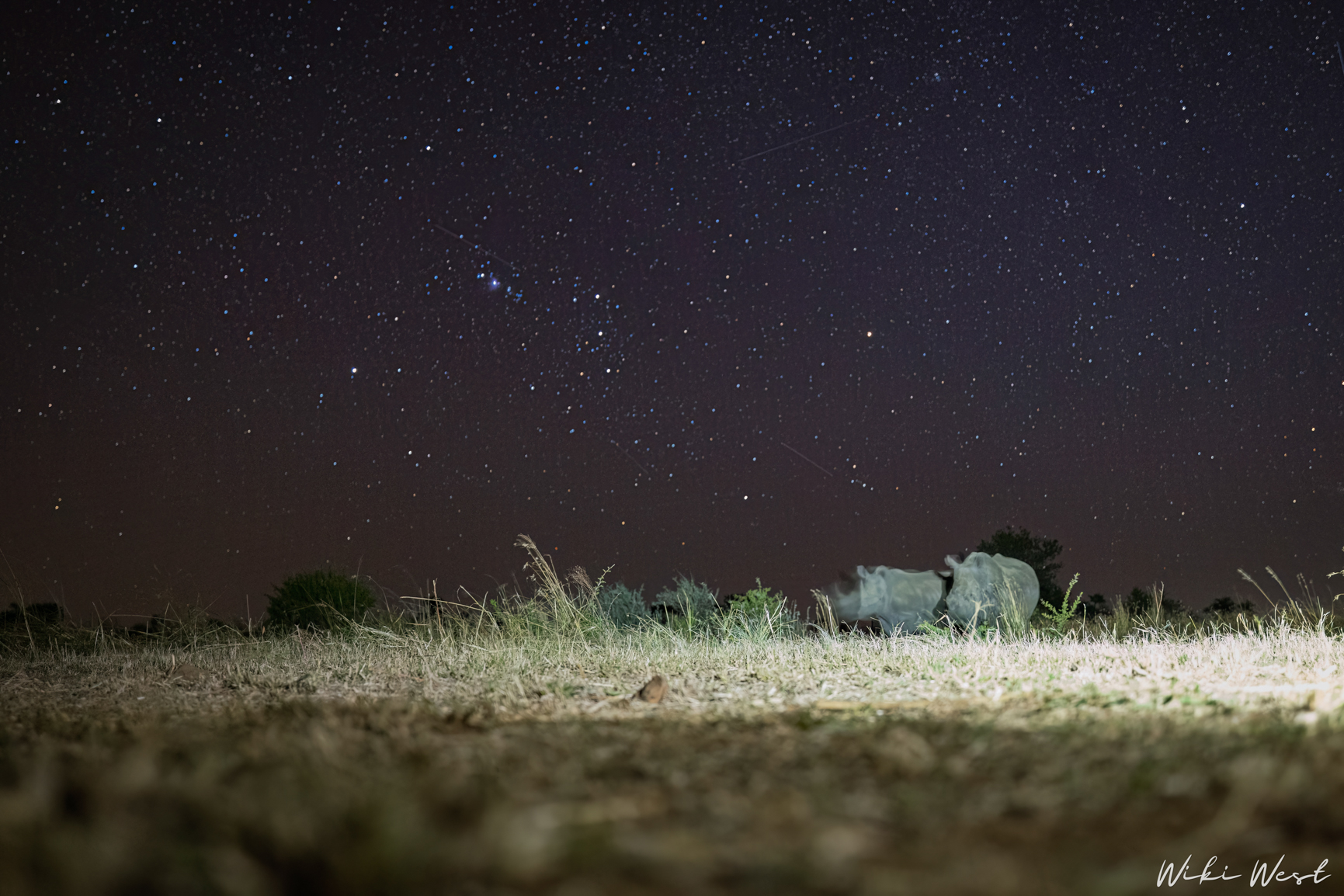
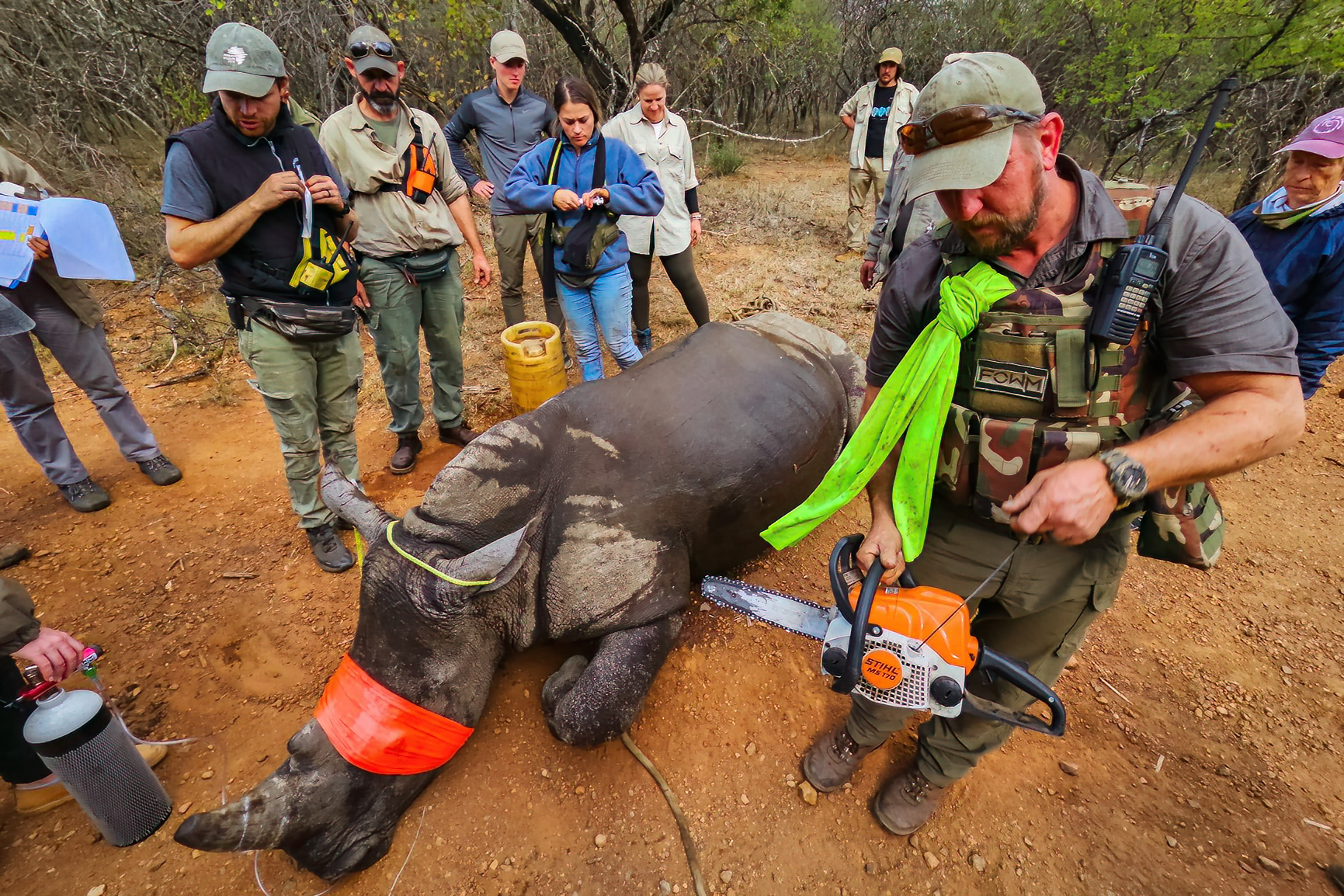
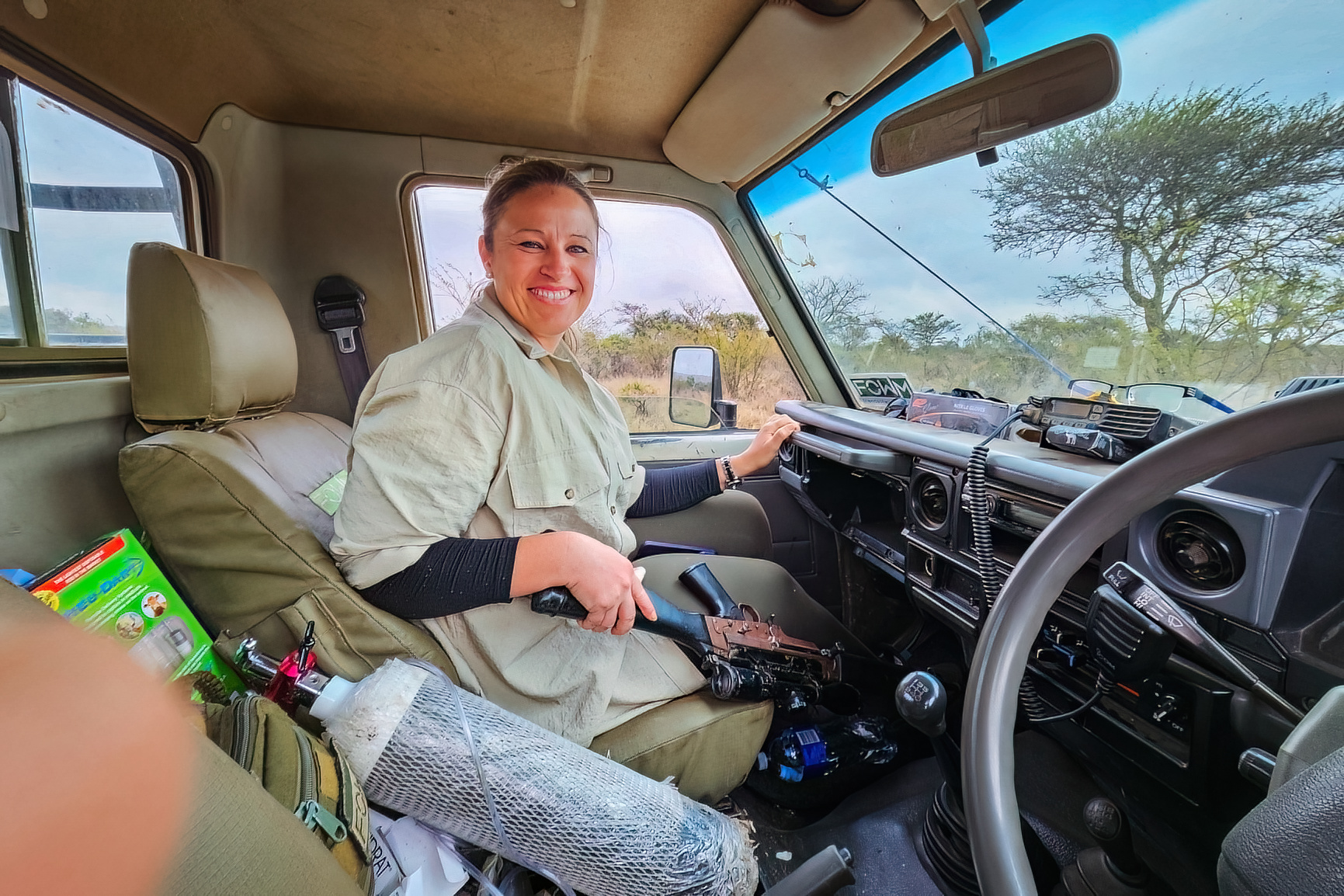
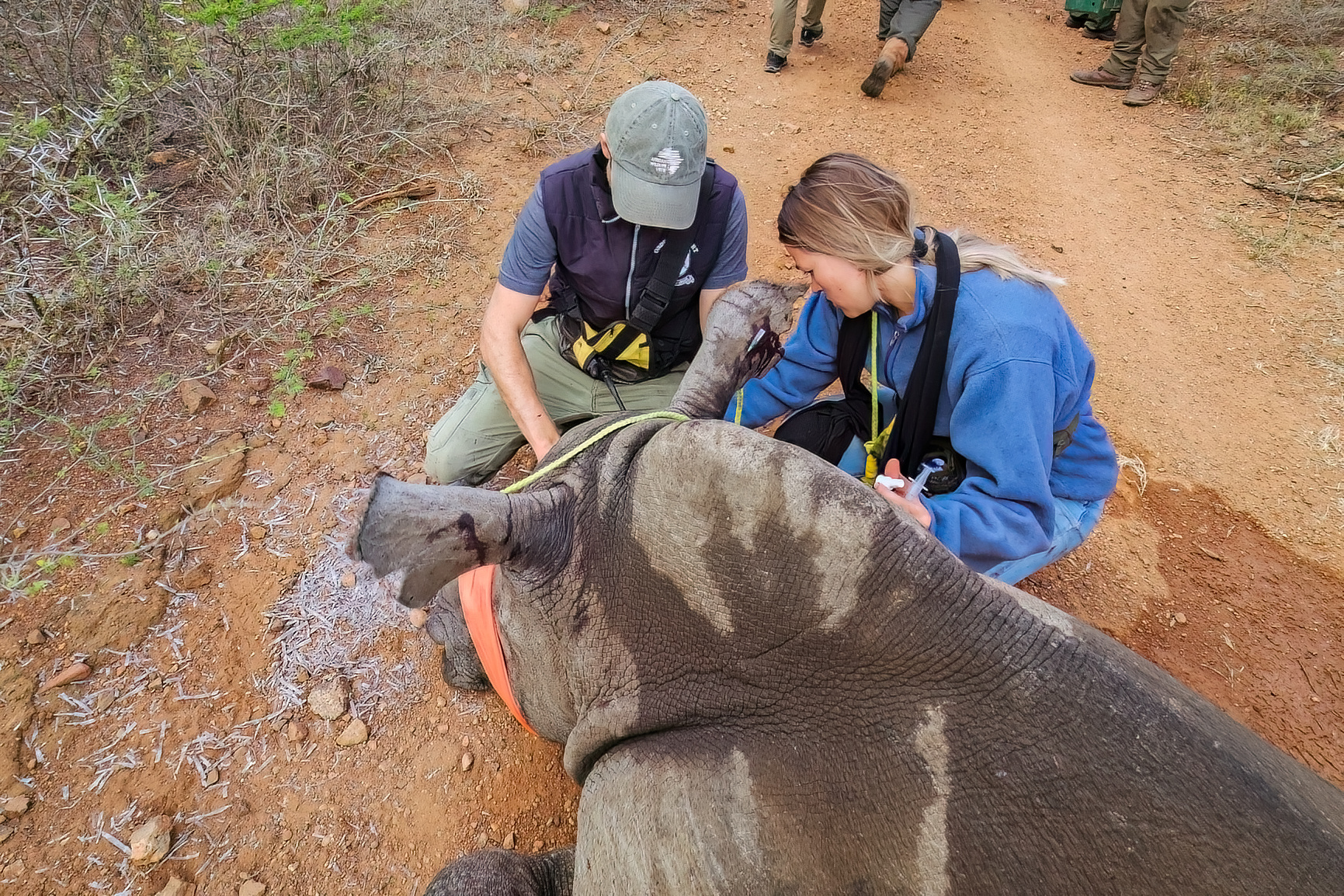
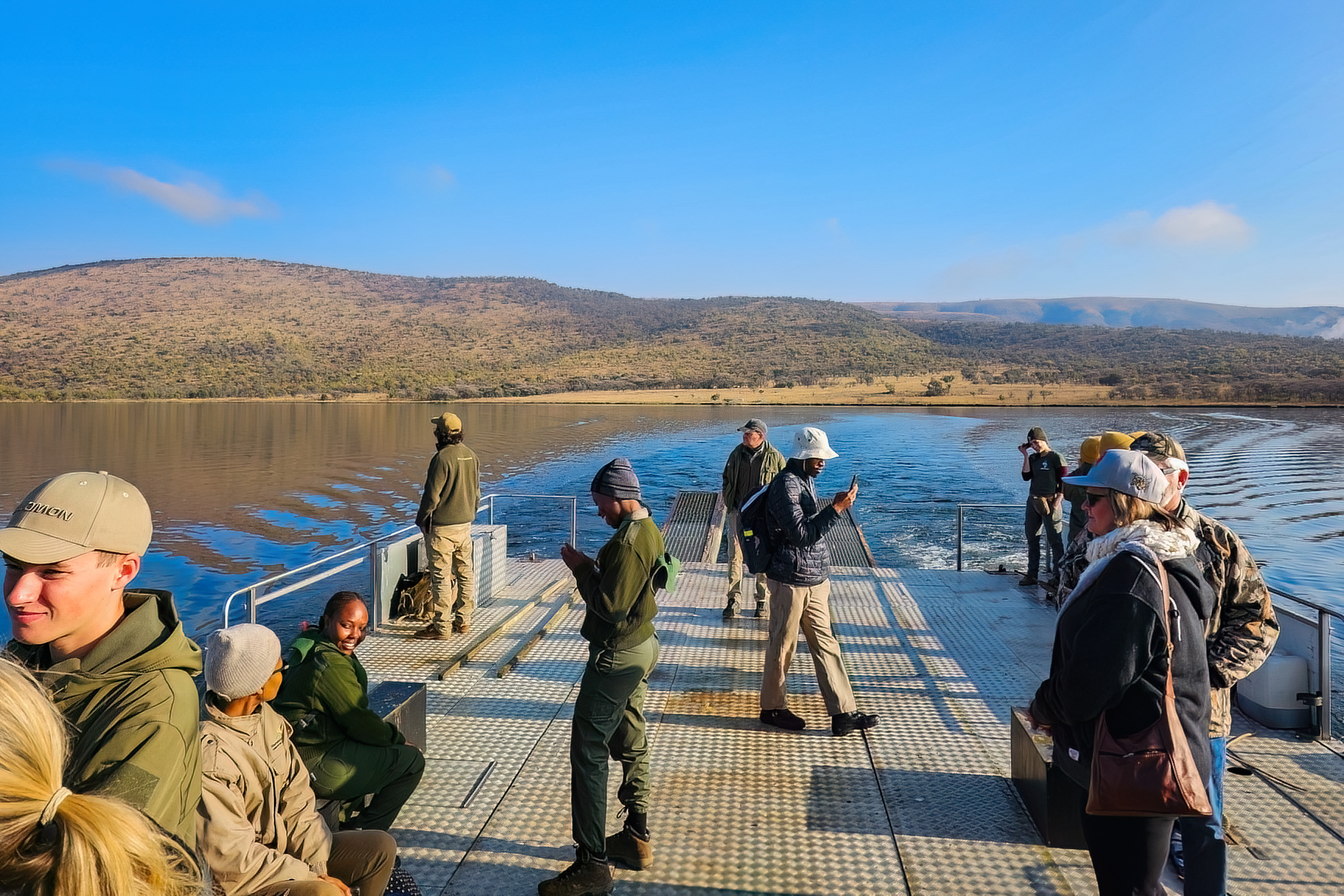
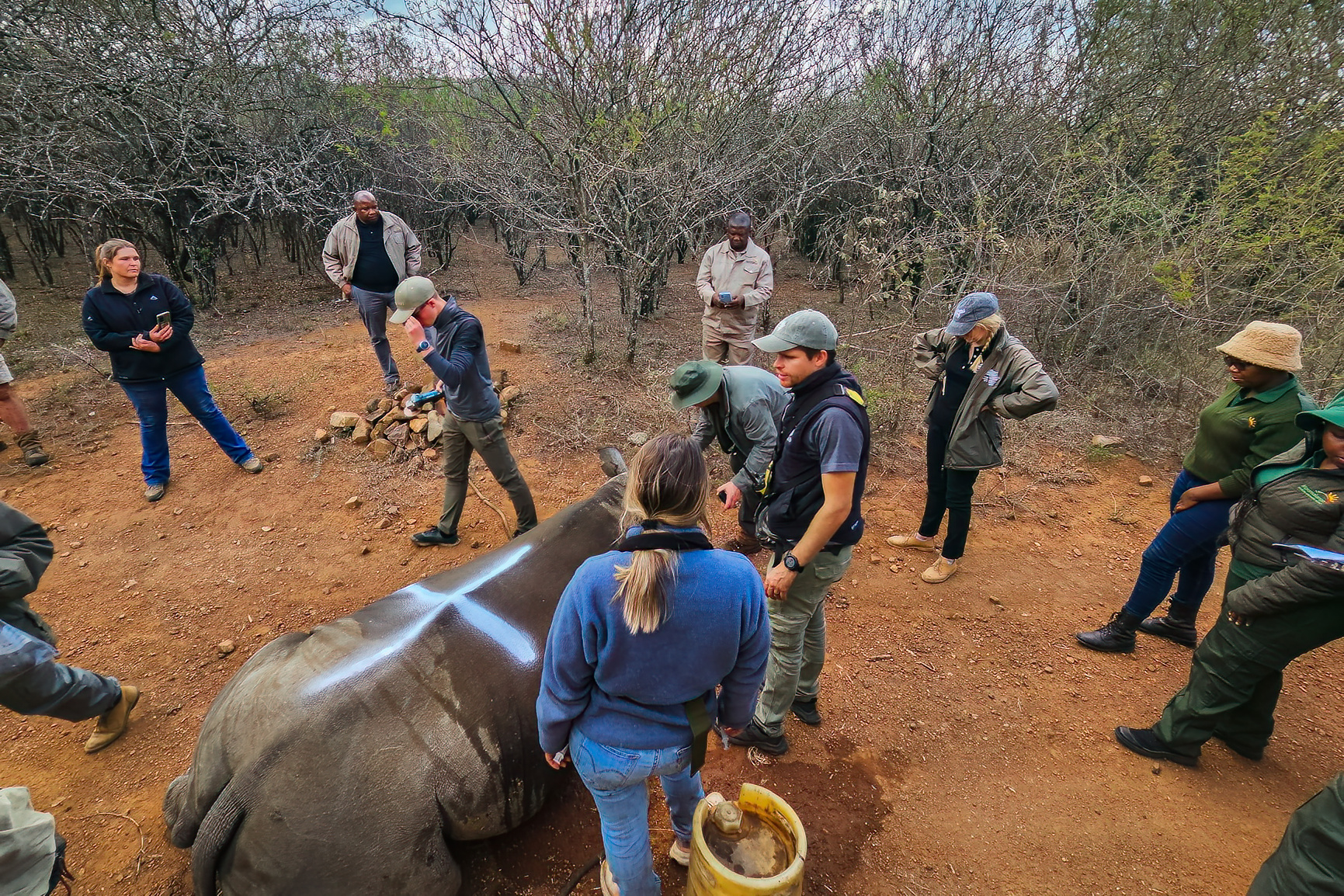
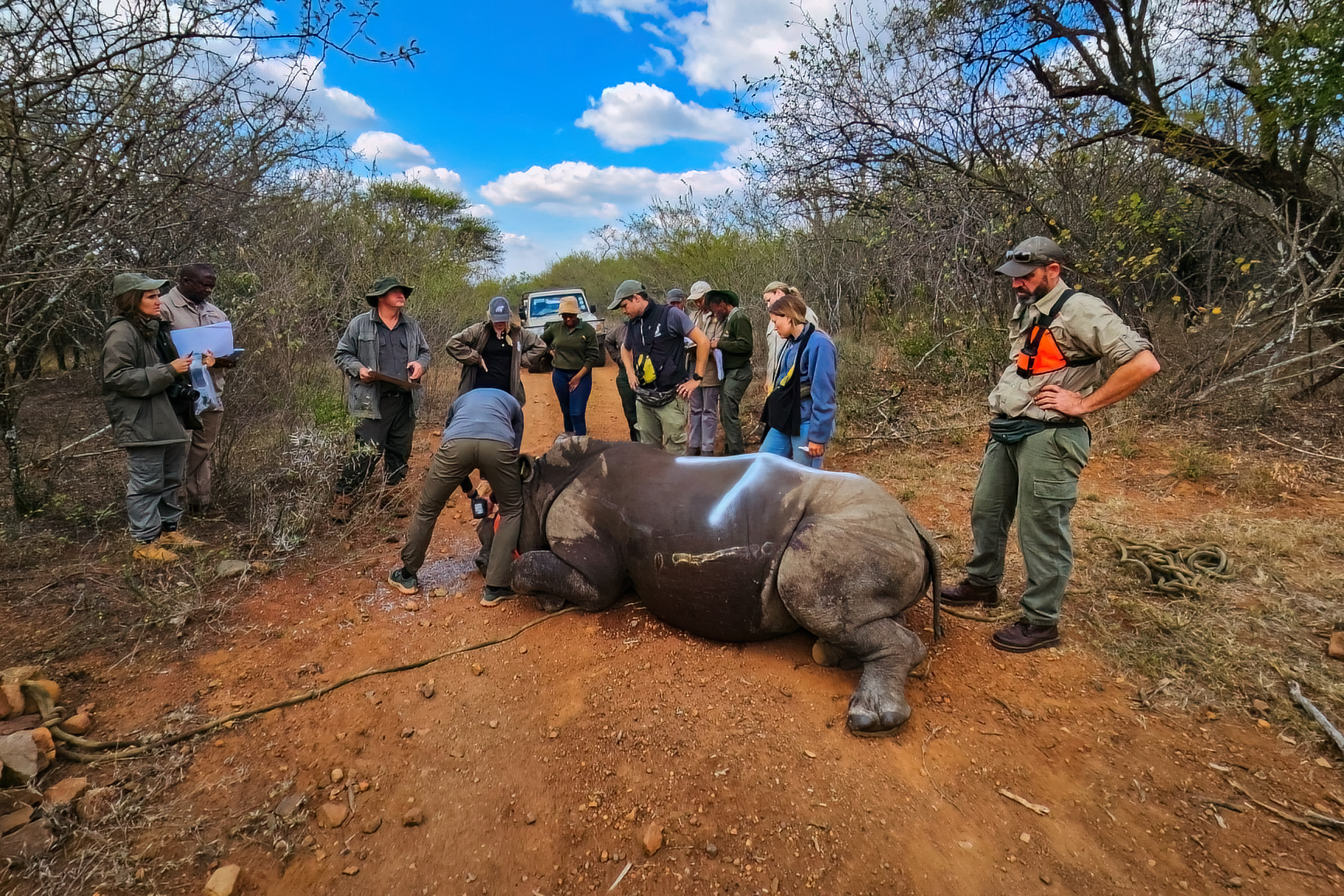
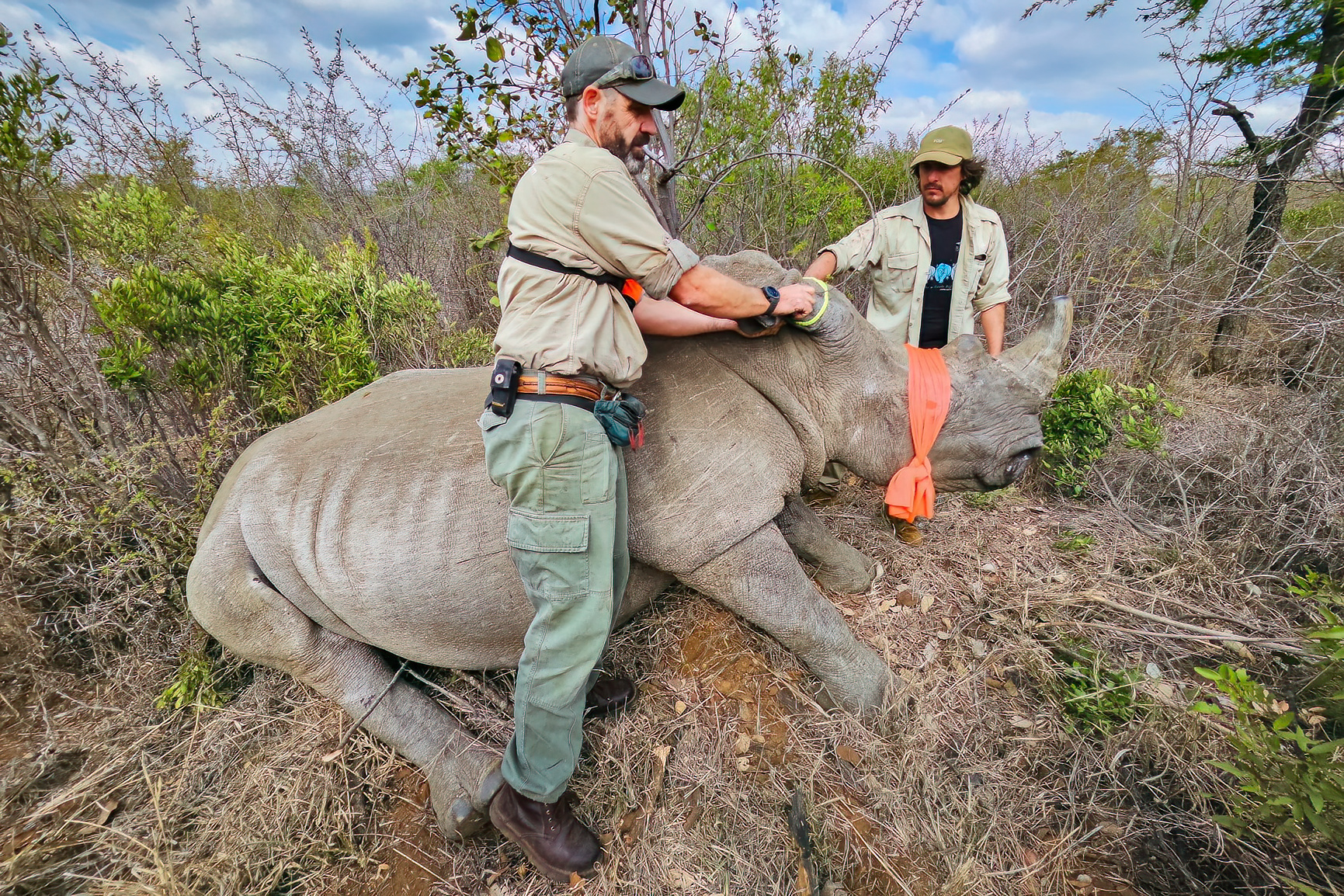
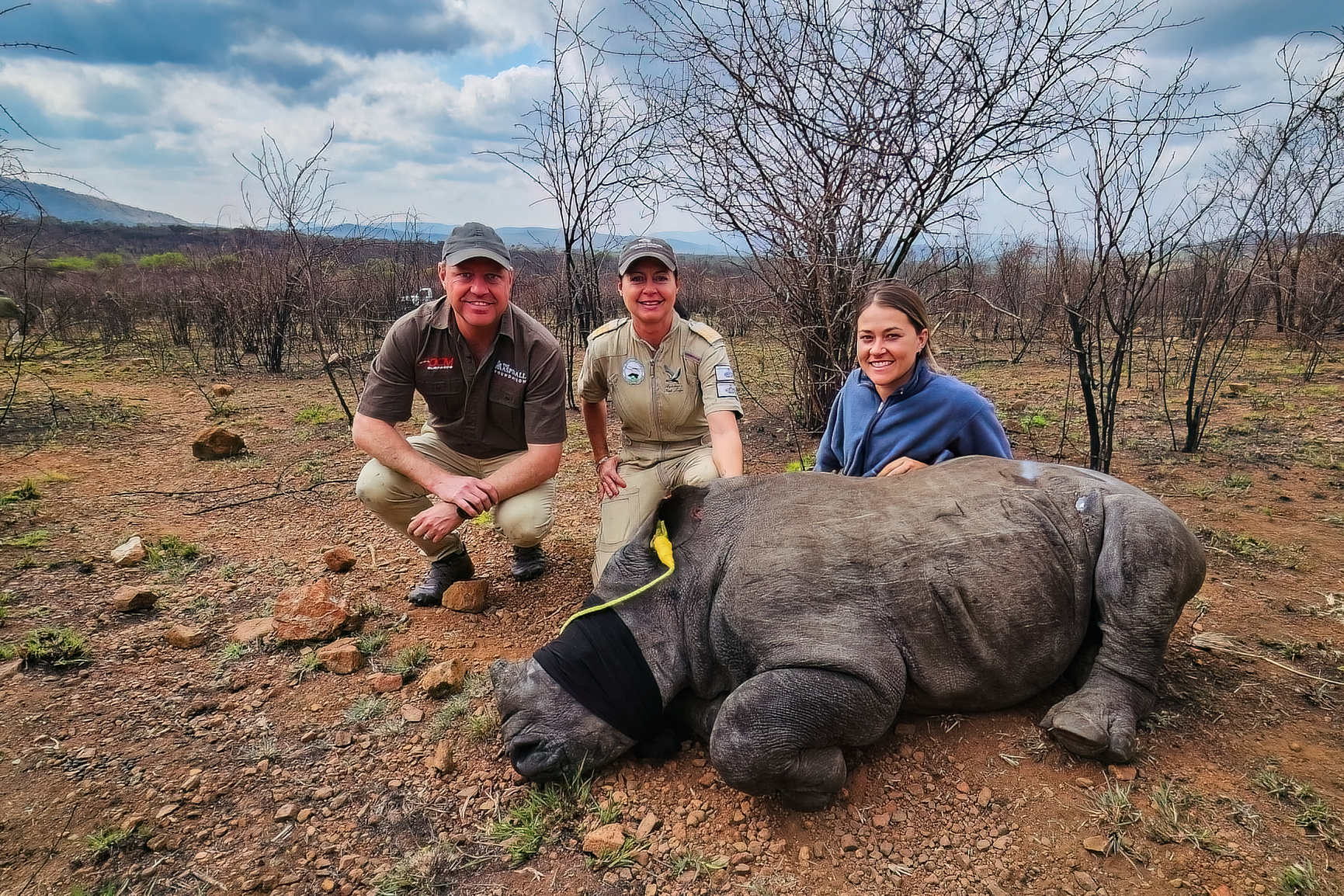
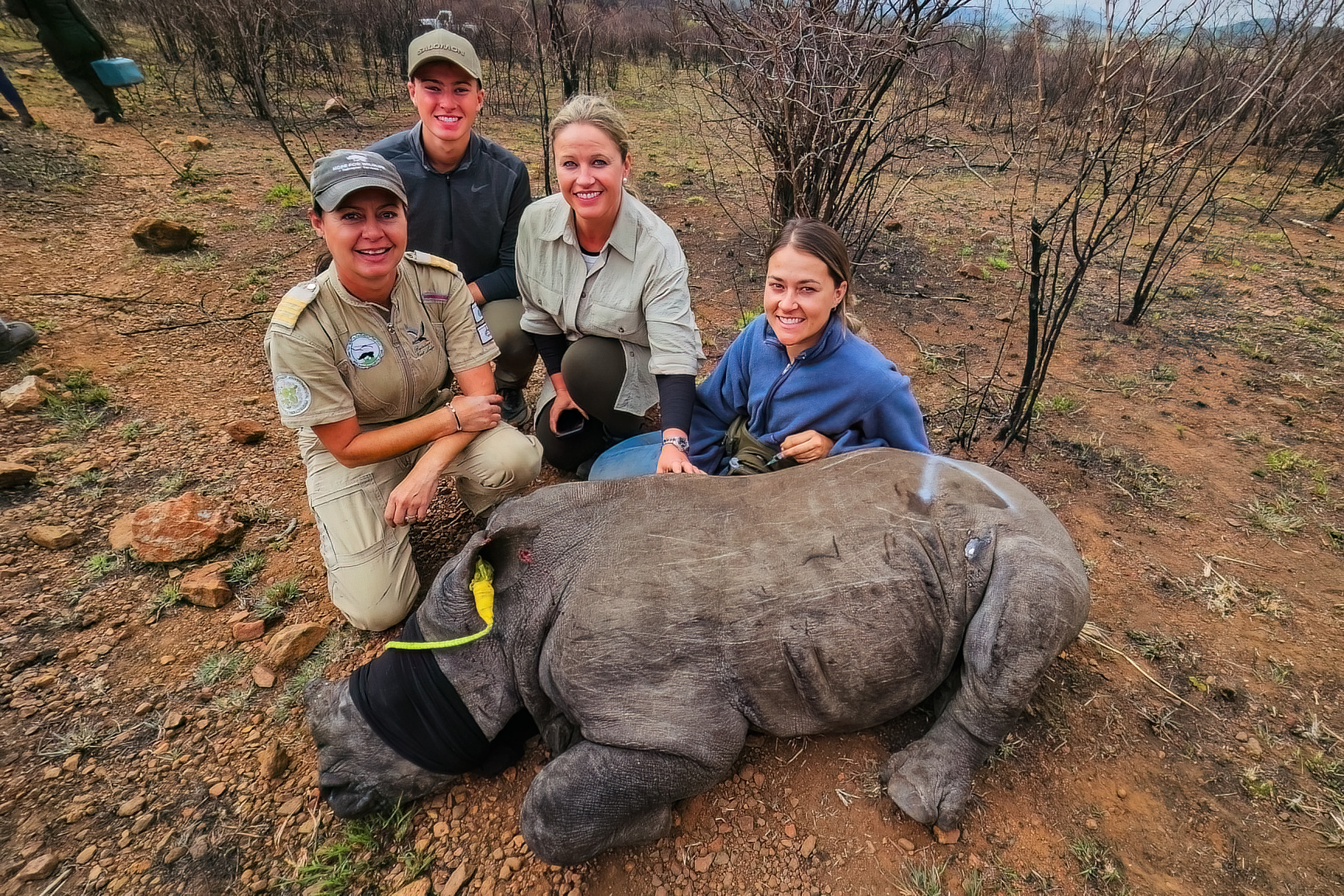
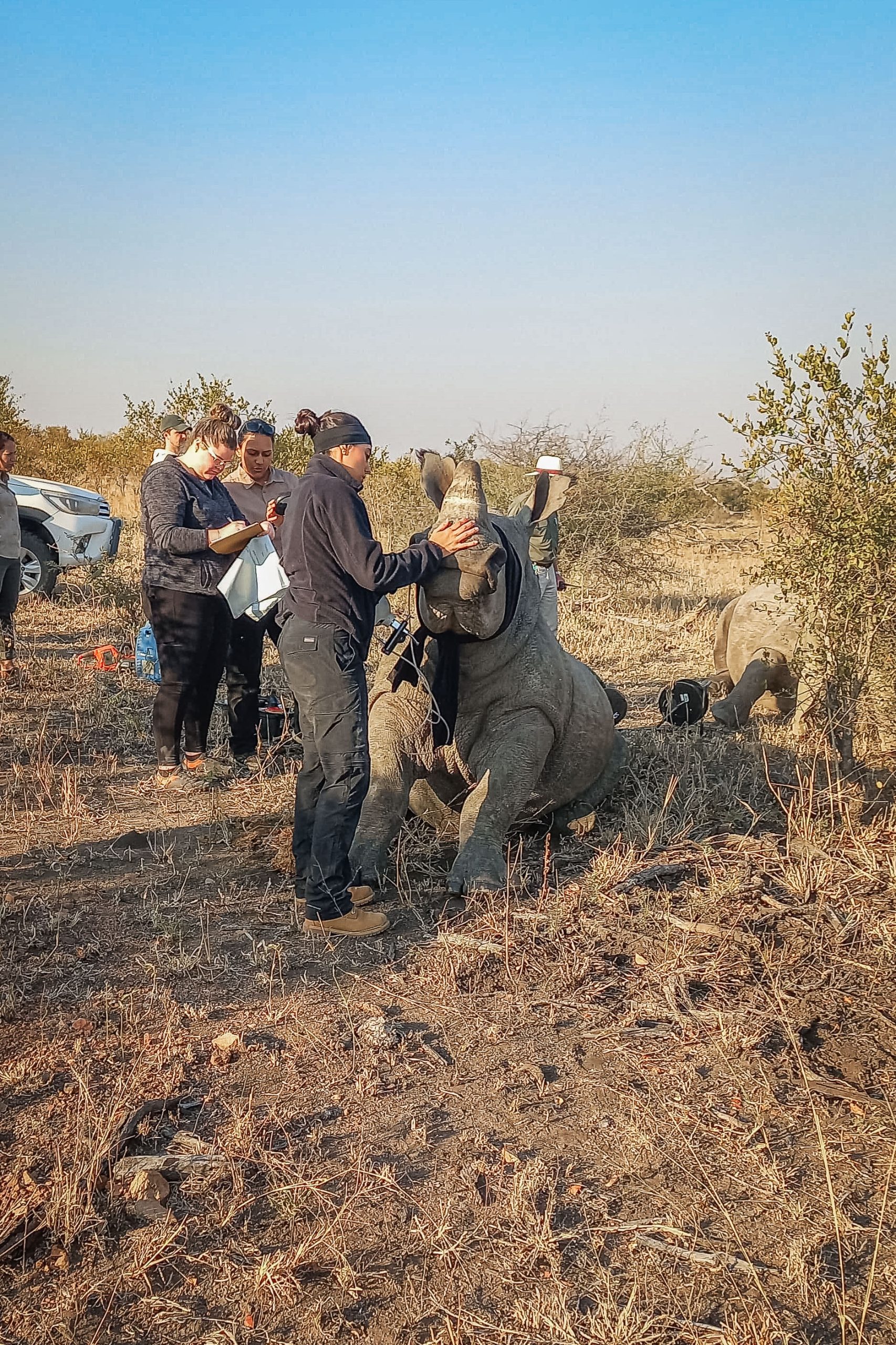
Our operations director, Mark Gillham, provided technical support and expertise during a large-scale dehorning program in a reserve in Mpumalanga, South Africa. The entire rhino population of the reserve, which included both black and white rhinos, was dehorned.

The Wildlife Emergency Fund believes in ego-free collaboration, and one of our roles was to mediate between different parties at the reserve to ensure the project’s success. When projects need to be implemented urgently, it is crucial that all participants work together toward a common objective.

JOIN THE FRONTLINES

© 2026 All Rights Reserved. Powered by Mosquito Media.

Continuing the World’s Largest Rewilding Effort: Protected Area in KwaZulu-Natal Welcomes a New Herd of Southern White Rhinos

Continuing the World’s Largest Rewilding Effort: Protected Area in KwaZulu-Natal Welcomes a New Herd of Southern White Rhinos

Continuing the World’s Largest Rewilding Effort: Protected Area in KwaZulu-Natal Welcomes a New Herd of Southern White Rhinos

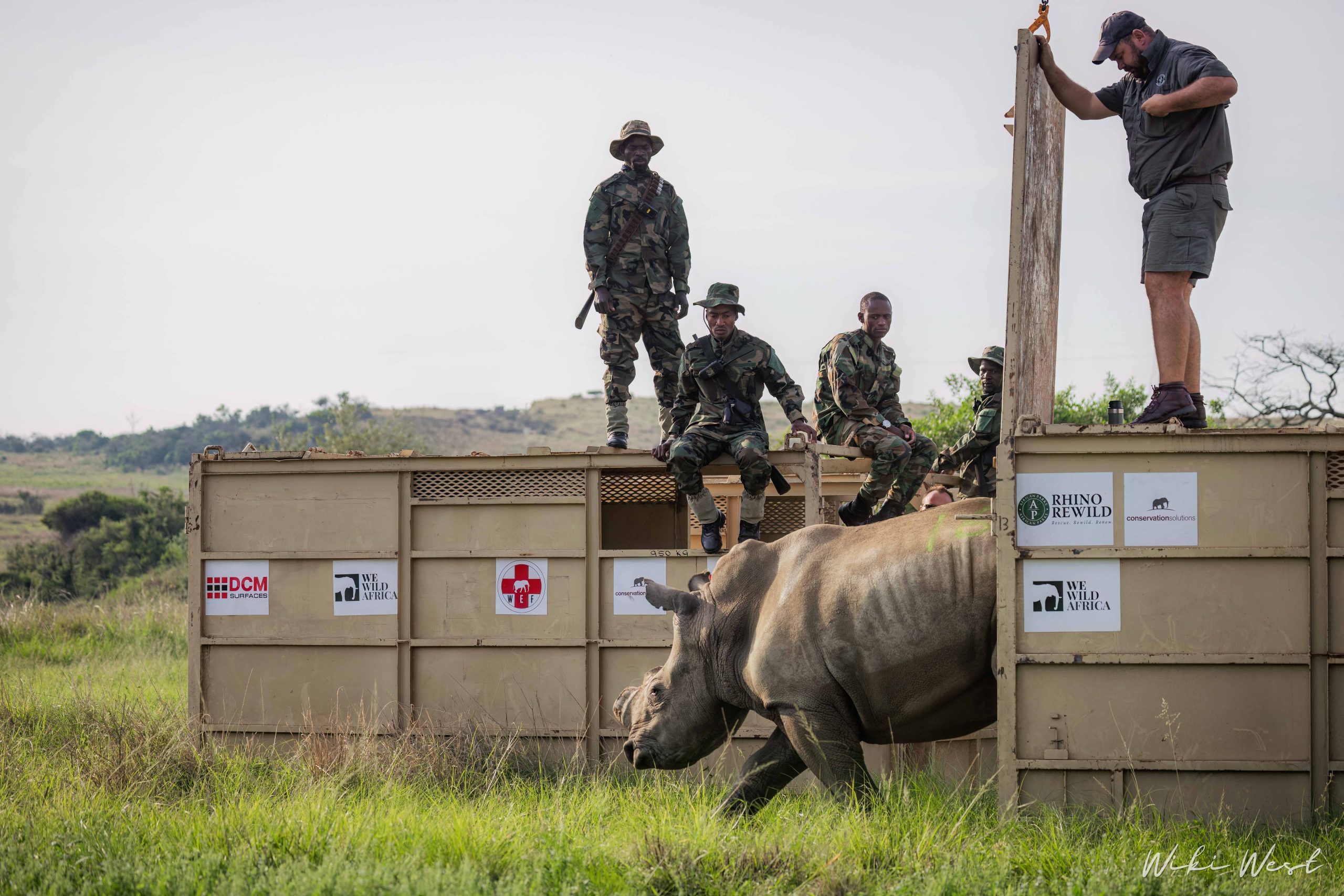
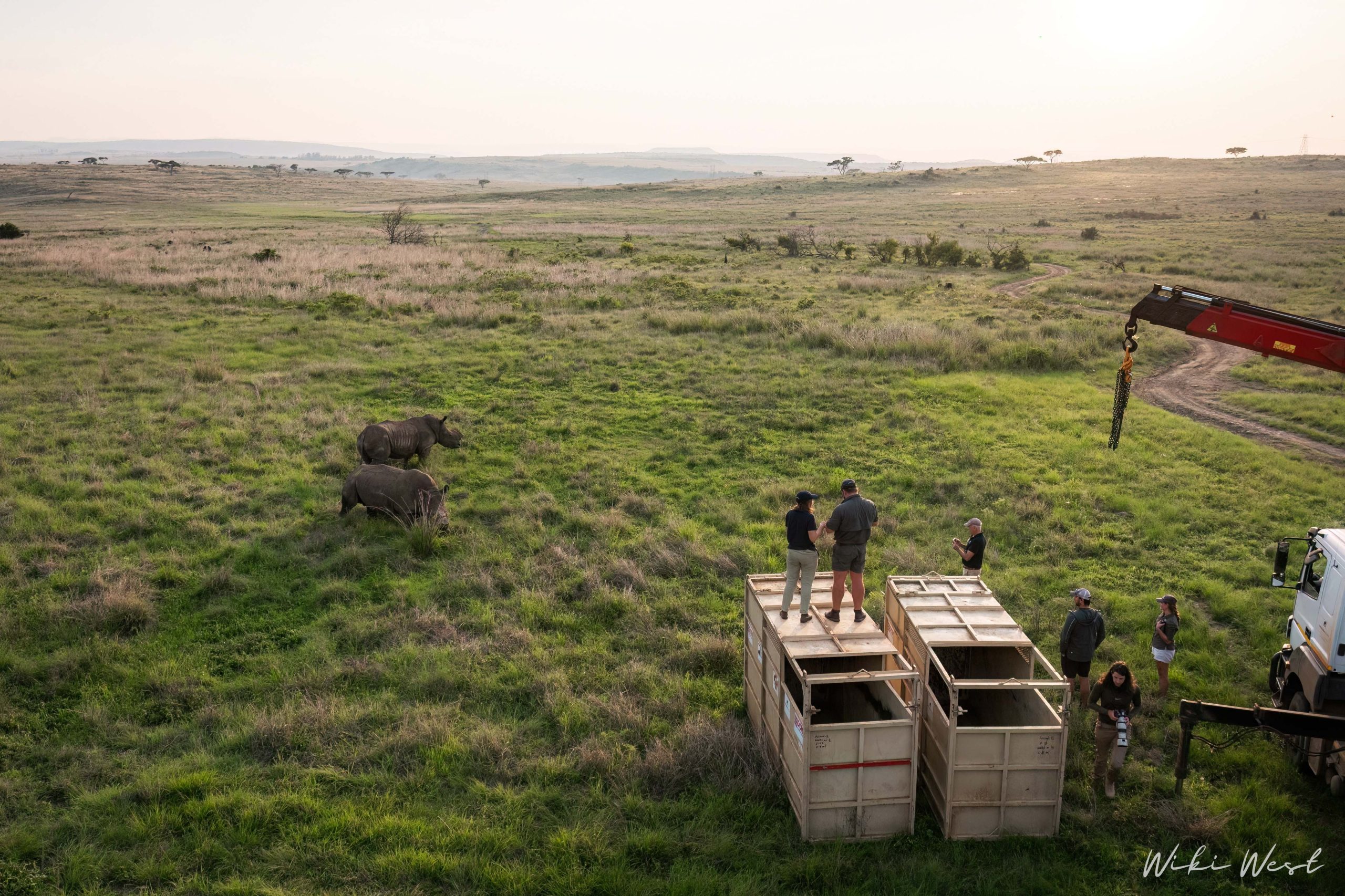
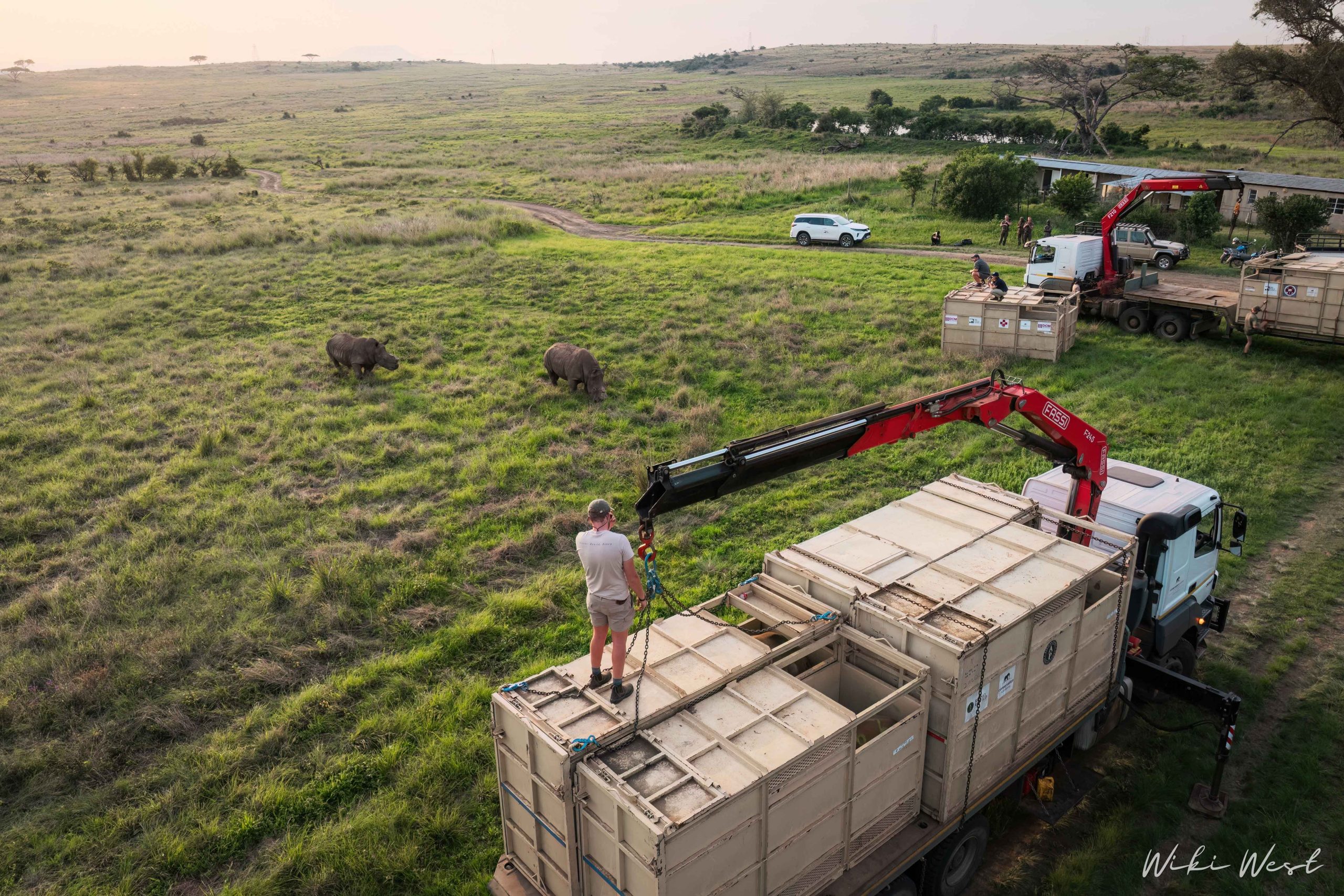
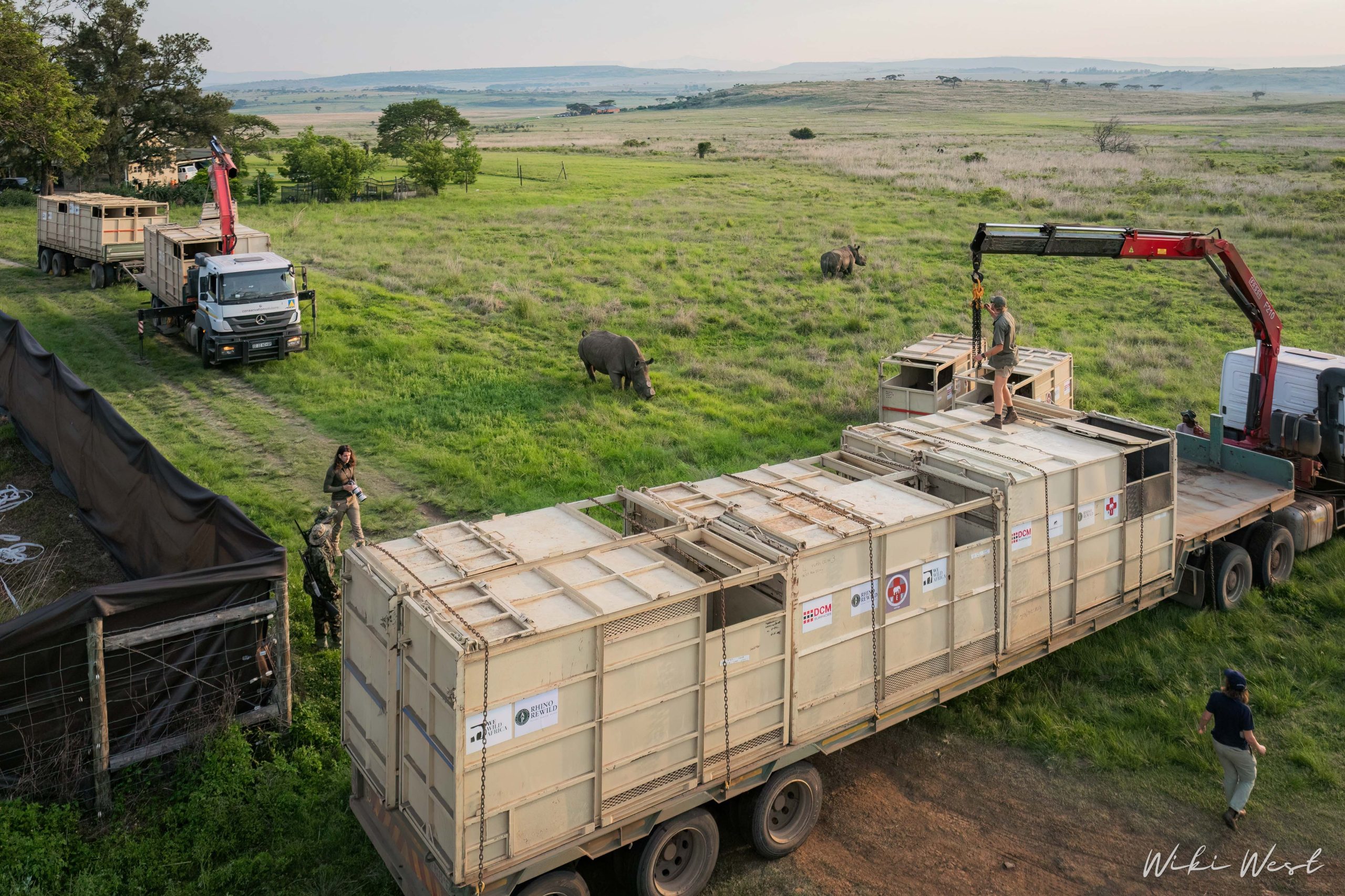
A conservation area in KwaZulu-Natal has welcomed a new herd of Southern White Rhinos as part of African Parks’ Rhino Rewild Initiative, which is the largest rewilding project in the world. This ambitious initiative aims to rewild over 2,000 rhinos, making it the most extensive rewilding effort ever undertaken.

The new home for the rhinos is a conservation area in KwaZulu-Natal, South Africa, spanning over 20,000 acres and featuring diverse ecosystems such as savannah, thornveld, and grassland. This reserve contains important historical sites from the Anglo-Zulu and Anglo-Boer wars, adding a deep cultural heritage to its ecological significance. This initiative is designed to improve the reserve’s current rhino population by introducing new genetics. Prior to their relocation, all rhinos underwent dehorning.

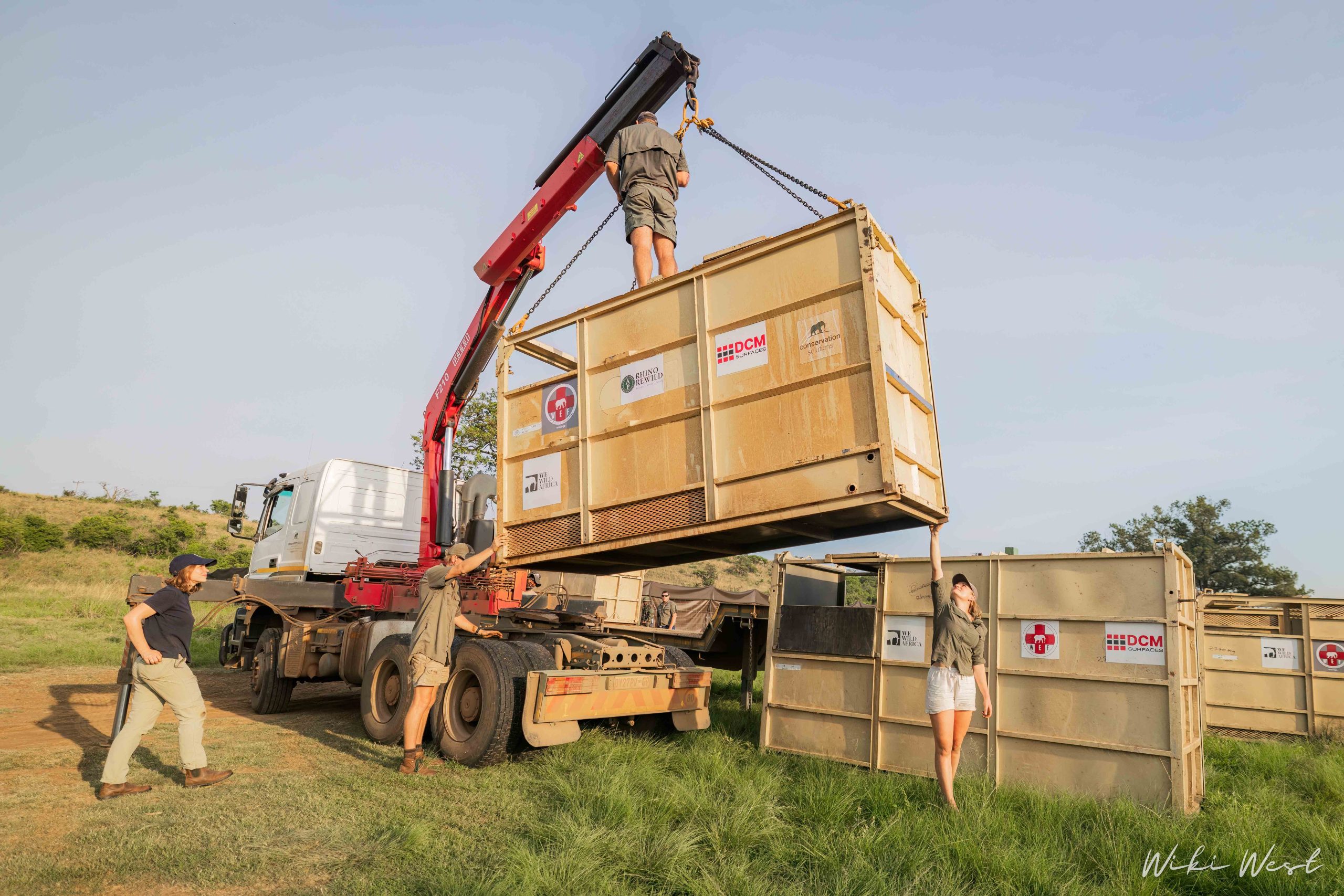
This move is particularly significant for The Wildlife Emergency Fund (WEF) as it marks their second and final action for the year, emphasizing their ongoing partnership with African Parks. This collaboration is part of a sustained effort to relocate rhinos following the acquisition of 2,000 Southern White Rhinos last year. 

“Our third rhino translocation project with African Parks is now complete, bringing a new herd of rhinos to their beautiful new home in KwaZulu-Natal. As we approach the end of the year for this long-term project, the urgent need to secure new, safe habitats becomes even more critical. How do we move 2,000 rhinos? We do it one rhino at a time, emphasizing that every individual matters—this is the ethos at the heart of our mission. We are grateful for our ongoing collaboration with partners like DCM Surfaces, African Parks, and Conservation Solutions.”

Dereck Milburn, Director, Wildlife Emergency Fund 

We are excited to have this conservation area as our partner in our Rhino Rewild Initiative. This is the exact outcome that we desire: a well-managed, efficiently run, safe reserve boasting excellent habitat to support these rhinos. We are confident that the rhinos will thrive here, and we look forward to collaborating with this reserve and other locations where rhinos can realize their ecological potential in a secure environment that promotes optimal growth.

Don Jooste, Director, Rhino Rewild  

“We are proud to be receiving a number of white rhinos from African Parks as part of their rhino rewilding program. White rhinos are an iconic African species that have faced severe threats over the last decade due to poaching. We take pride in our efforts to protect our rhinos and other wildlife populations. The rhinos we are receiving will be dehorned like the rest of our population. We are confident they will enjoy making our beautiful and diverse game reserve their new home.”

Chairman of the Receiving Reserve

JOIN THE FRONTLINES

© 2026 All Rights Reserved. Powered by Mosquito Media.

Monumental Translocation and Rewilding of 40 Southern White Rhino

Monumental Translocation and Rewilding of 40 Southern White Rhino

Monumental Translocation and Rewilding of 40 Southern White Rhino

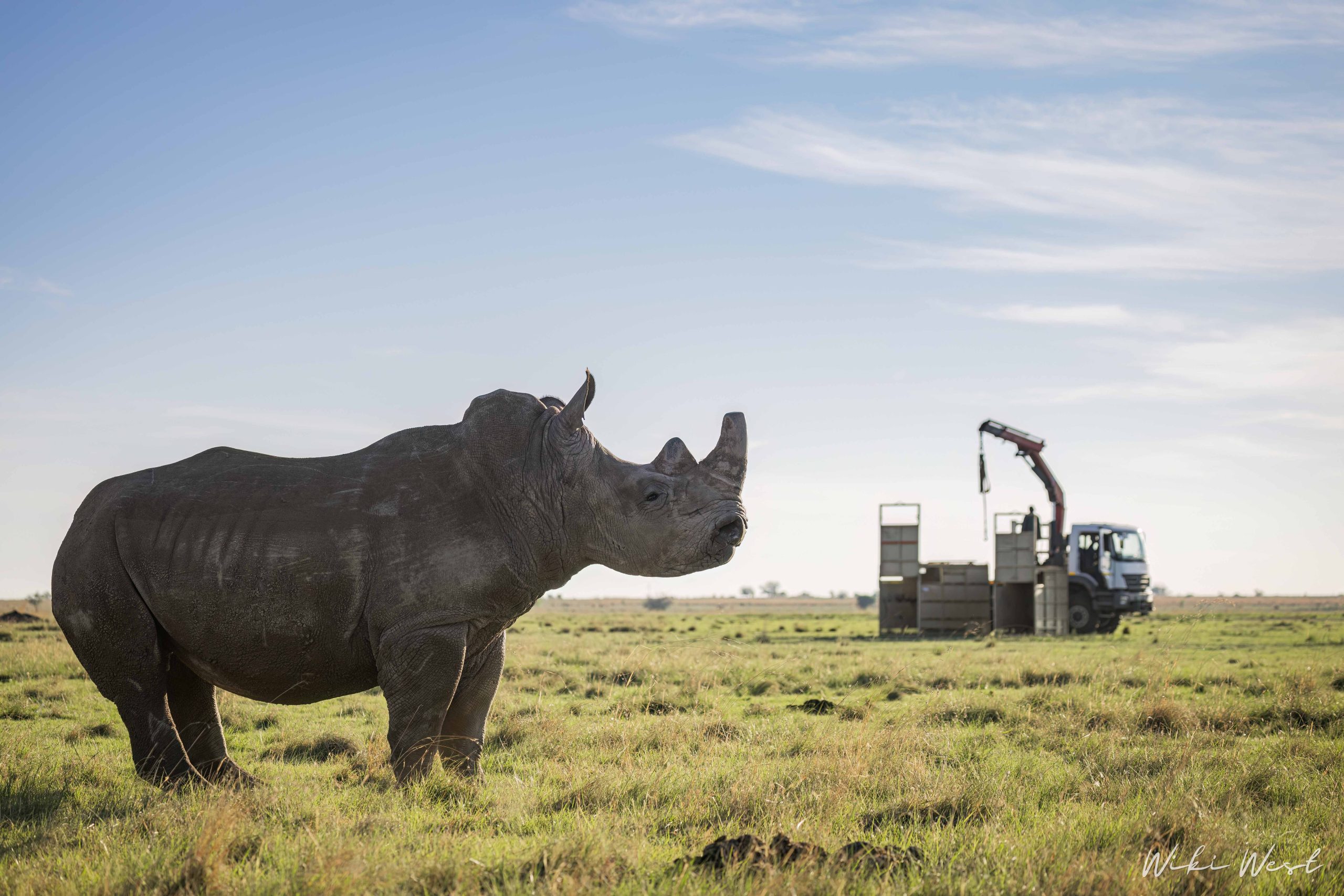
Thanks to remarkable teamwork in tough circumstances, the Munywana Conservancy in South Africa has received a donation of 40 southern white rhinos to enhance their existing population. This marks the first of many translocations under the ‘Rhino Rewild’ initiative, which aims to reintroduce 2,000 southern white rhinos over the next ten years. 

As the sun rose, excitement filled the air. This operation featured a collaboration of world-class teams, including some of the most skilled and passionate individuals worldwide—renowned conservationists, veterinarians, helicopter pilots, biologists, logistical experts, and photographers—all supported by dedicated staff who drove the vehicles, operated the massive cranes, and provided essential food and water throughout the hot day. We gathered to embark on a significant mission with a shared objective: to safely capture and relocate 40 rhinos.

“We are very privileged to be here; this is one of the largest rhino translocations ever undertaken, and it represents a significant milestone because these rhinos are being donated to the Munywana Conservancy (which consists of a partnership between community and private landowners, including the Makhasa Community Trust, the Mnqobokazi Community Trust, &Beyond Phinda, and ZUKA Private Game Reserves). I would like to express my gratitude to all our partners, especially the Wildlife Emergency Fund, with Beverly Holden and Max Baxton for providing the necessary funds. A big thank you also to WeWild Africa and &Beyond for accepting these rhinos at Munywana, as well as our long-term partners, African Parks and Conservation Solutions, for their collaboration in making this project successful. We are incredibly thankful that everything has gone so well,” said Dereck Milburn, Director of The Wildlife Emergency Fund.

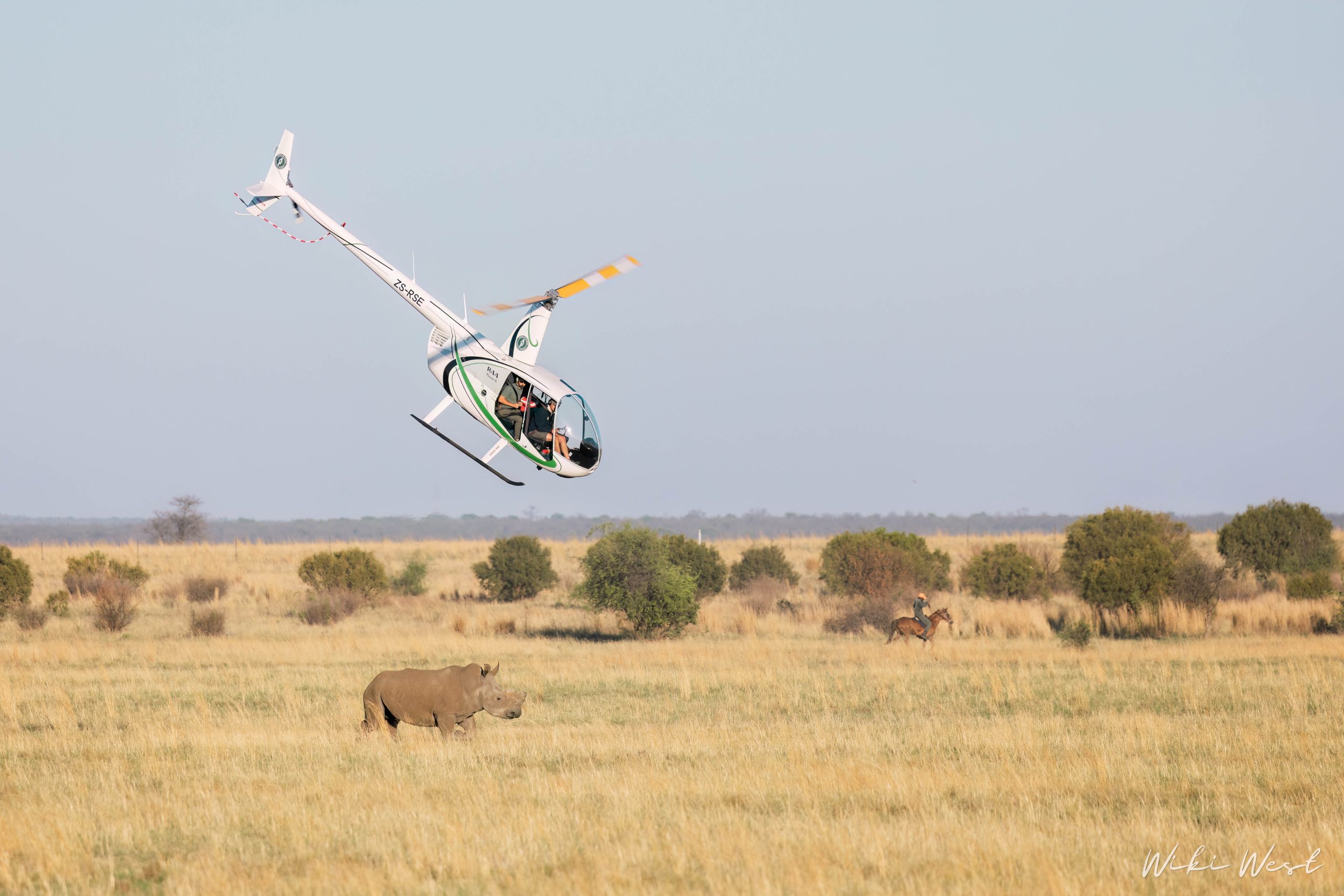
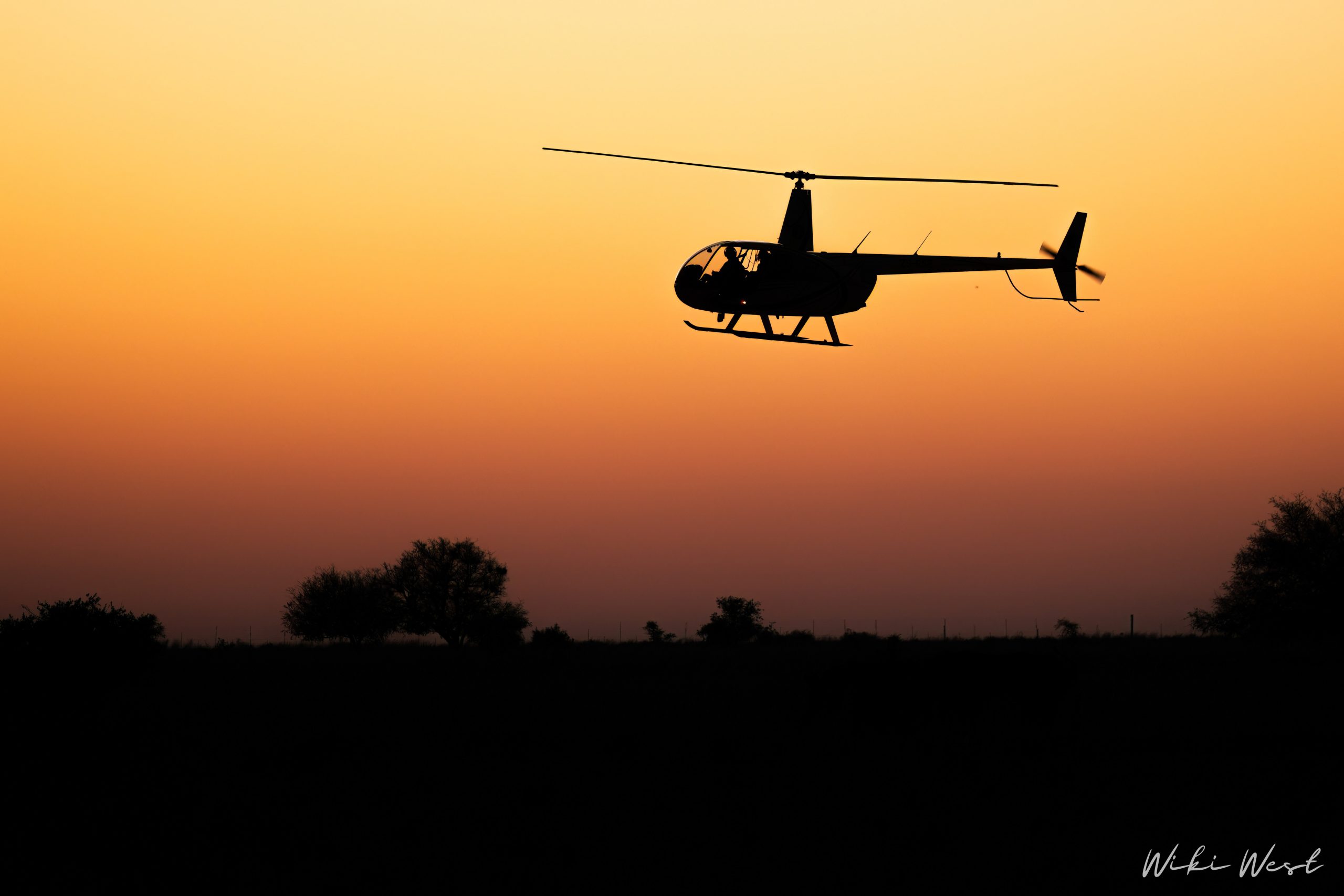
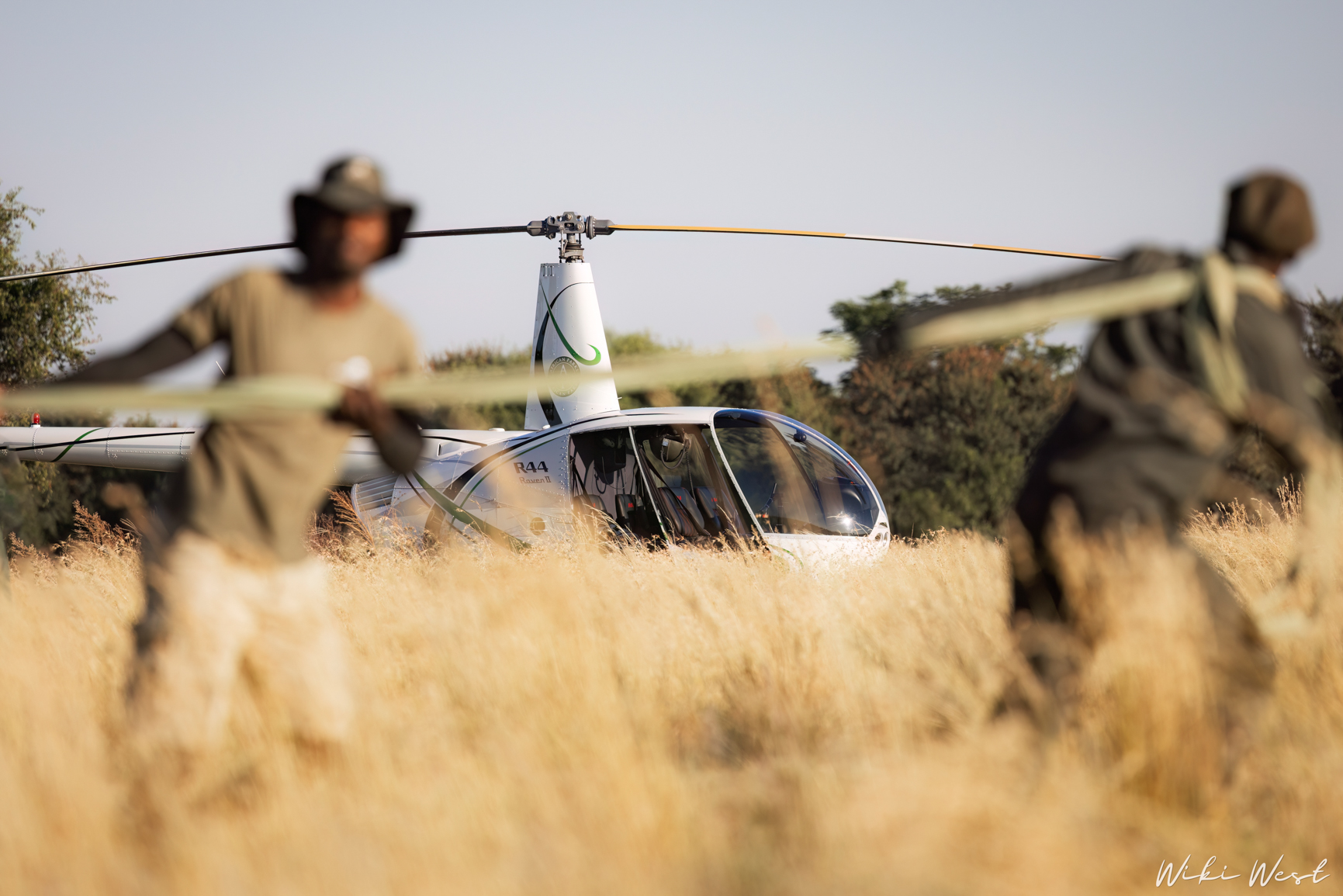
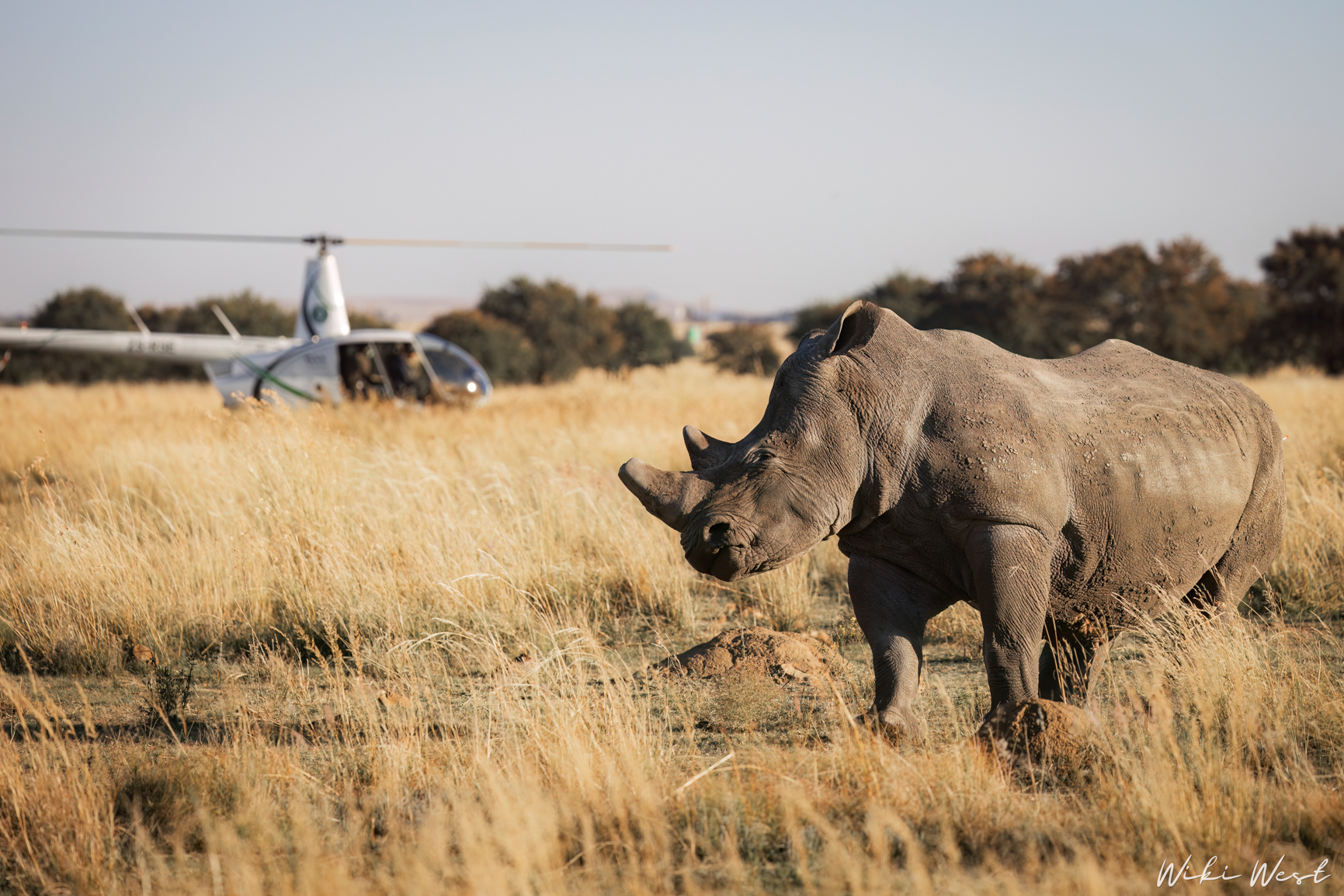
The initial phase involved helicopter darting, a carefully planned effort to sedate the rhinos from the air. The helicopter navigated the skies, its pilot expertly maneuvering as Joel Alves, a renowned veterinary expert and helicopter sharpshooter, readied his tranquilizers. Each dart was crucial, requiring the team to work swiftly to ensure that the rhinos did not flee too far, received the correct dosage, and landed in a location accessible to the terrestrial capture teams who would lead them to the crates.

Joel Alves explained, “We prioritize animal welfare as much as possible by controlling the drug dosages for darting in the field, ensuring they are safely transported to the crates, and managing their welfare within those crates. This comes down to effective tranquilization to ensure that the animals stay healthy, and having drugs on hand if they become too lively inside the crates.”

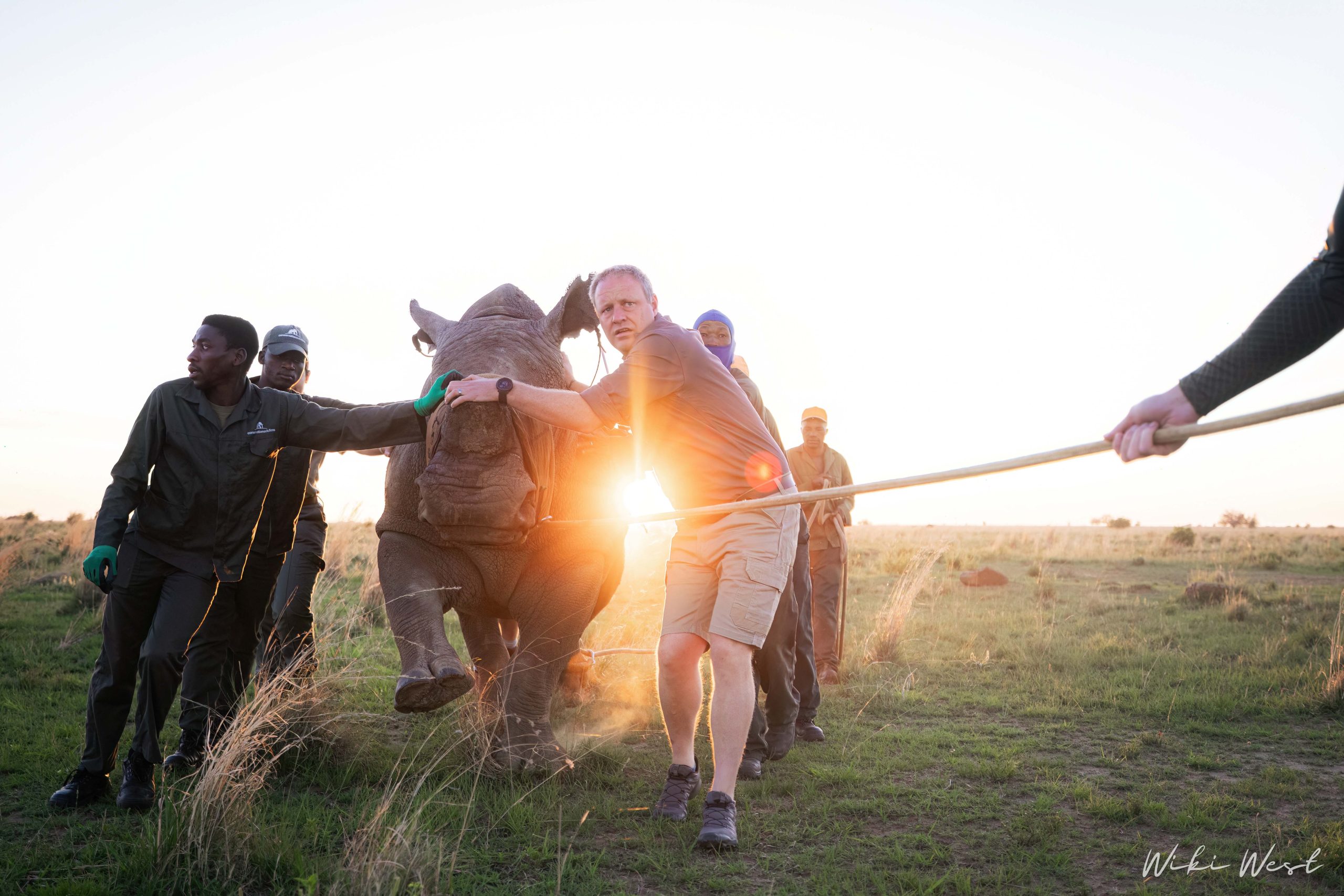
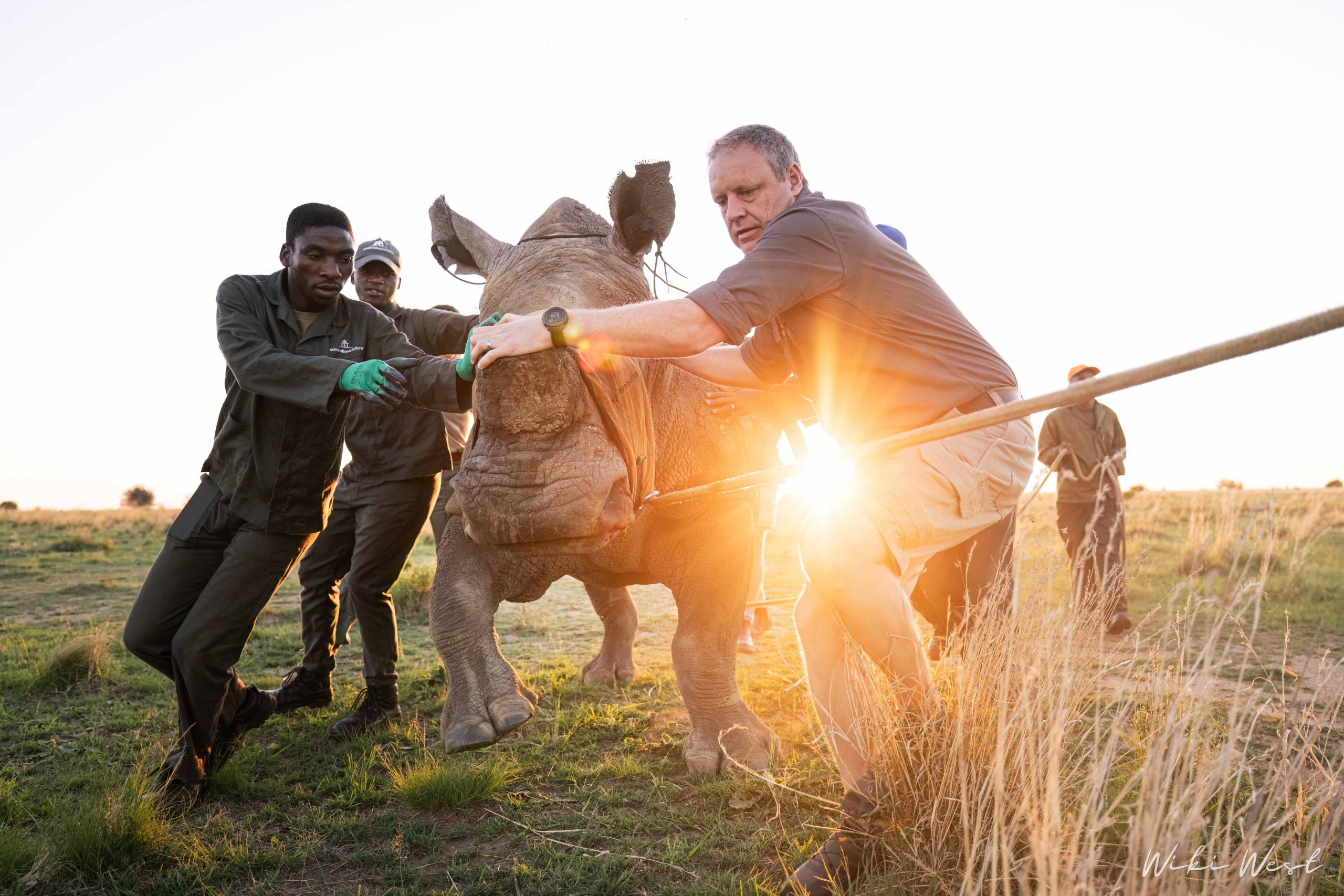
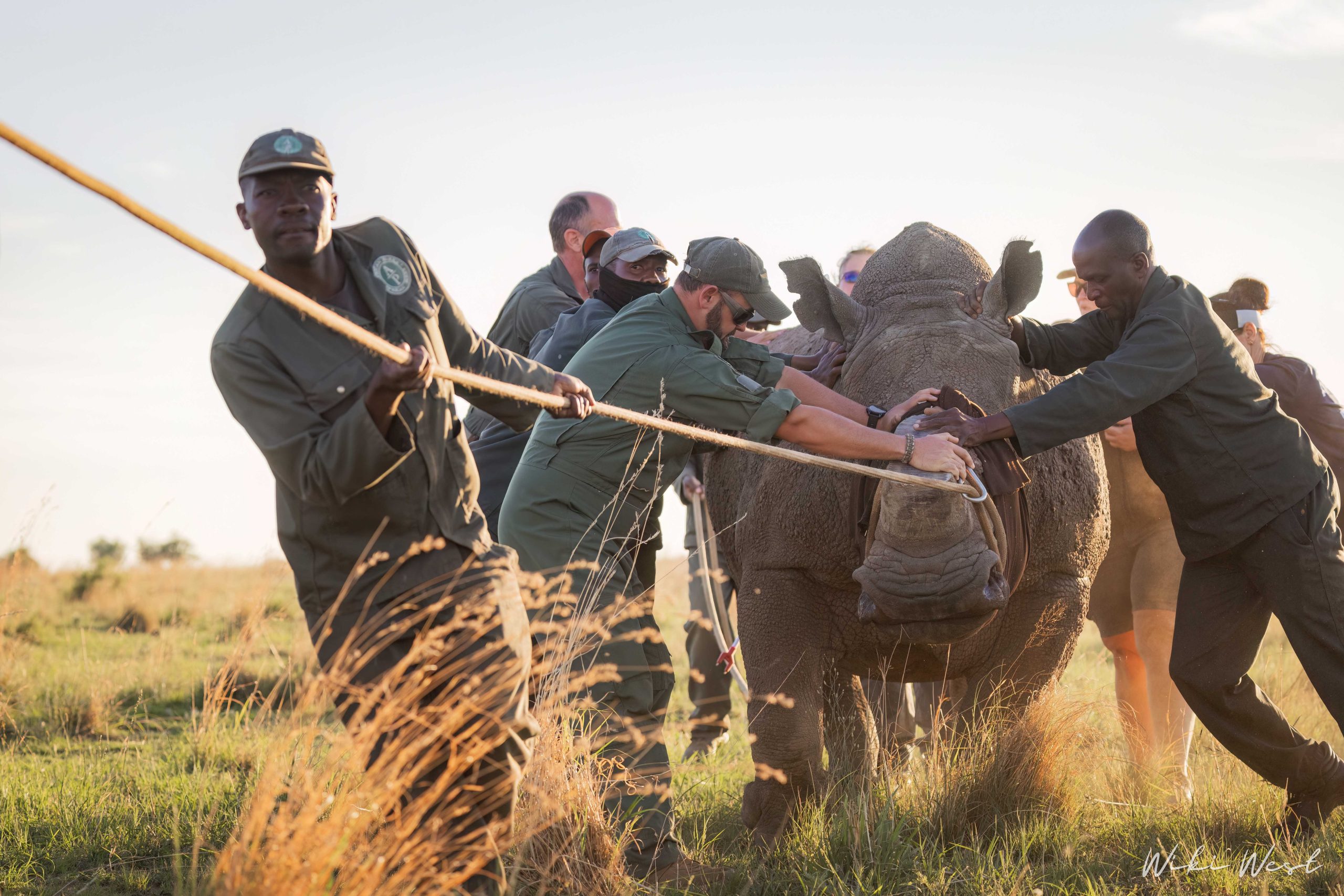
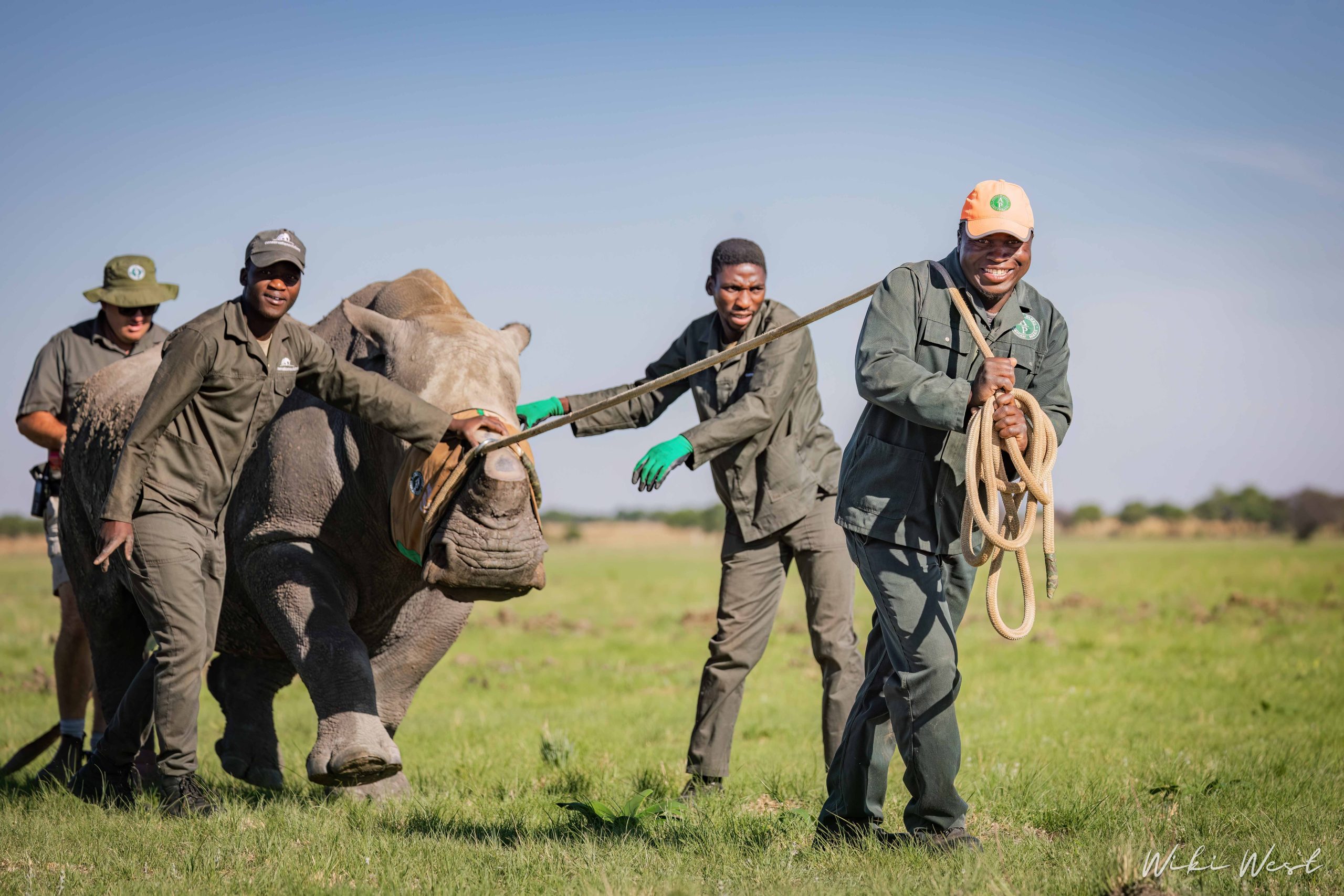
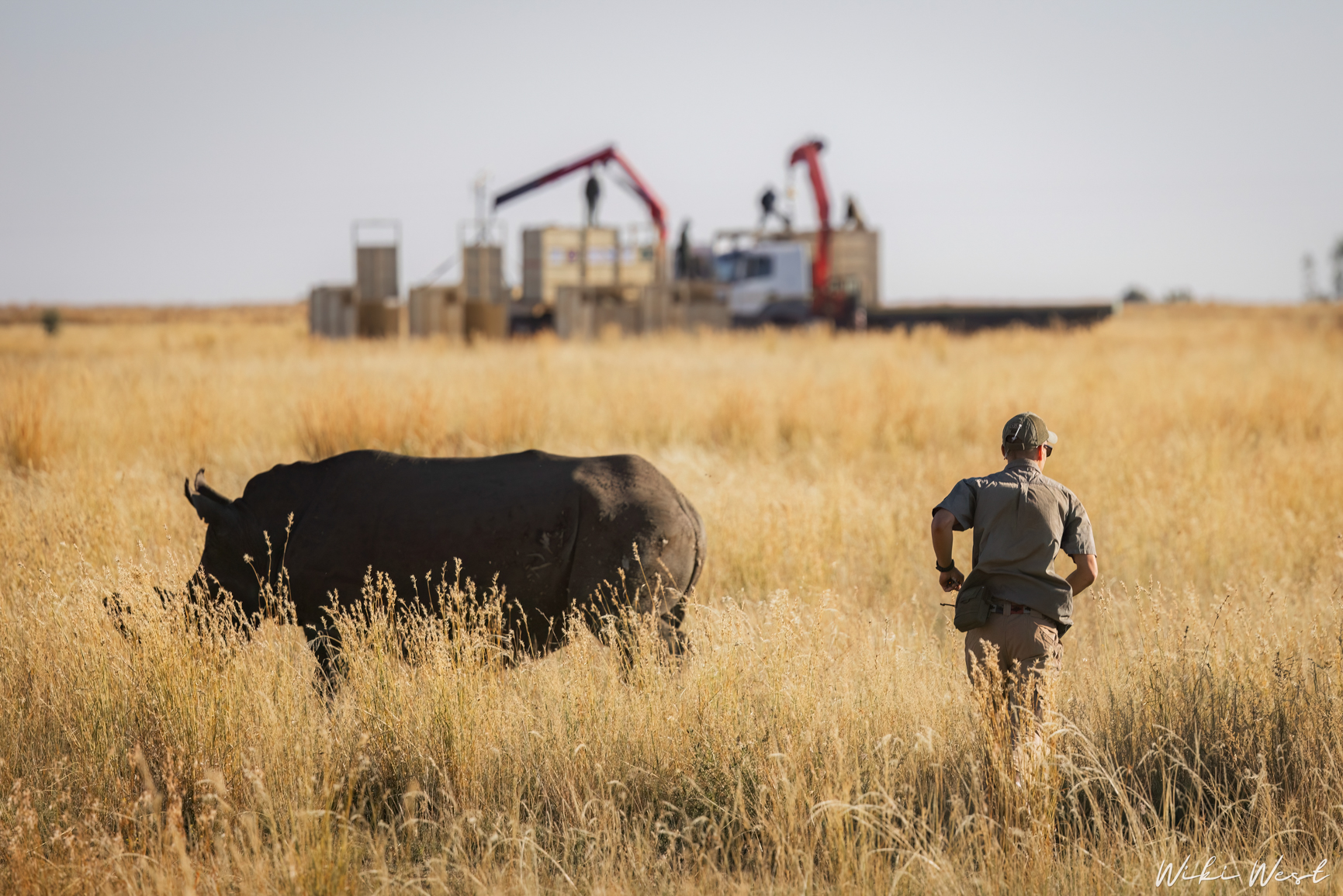
Once darted, the four ground teams sprang into action, all communicating via radios to maximize efficiency. The time was of the essence to safely collar, measure, collect vital data, and address any other issues before administering a reversal drug to wake the rhinos enough for the teams to walk or sometimes run them to the specially designed crates. The teams exerted their strength to push, pull, and support the heavy rhinos while navigating the long savannah, careful to avoid getting stepped on by the over two-ton creatures.

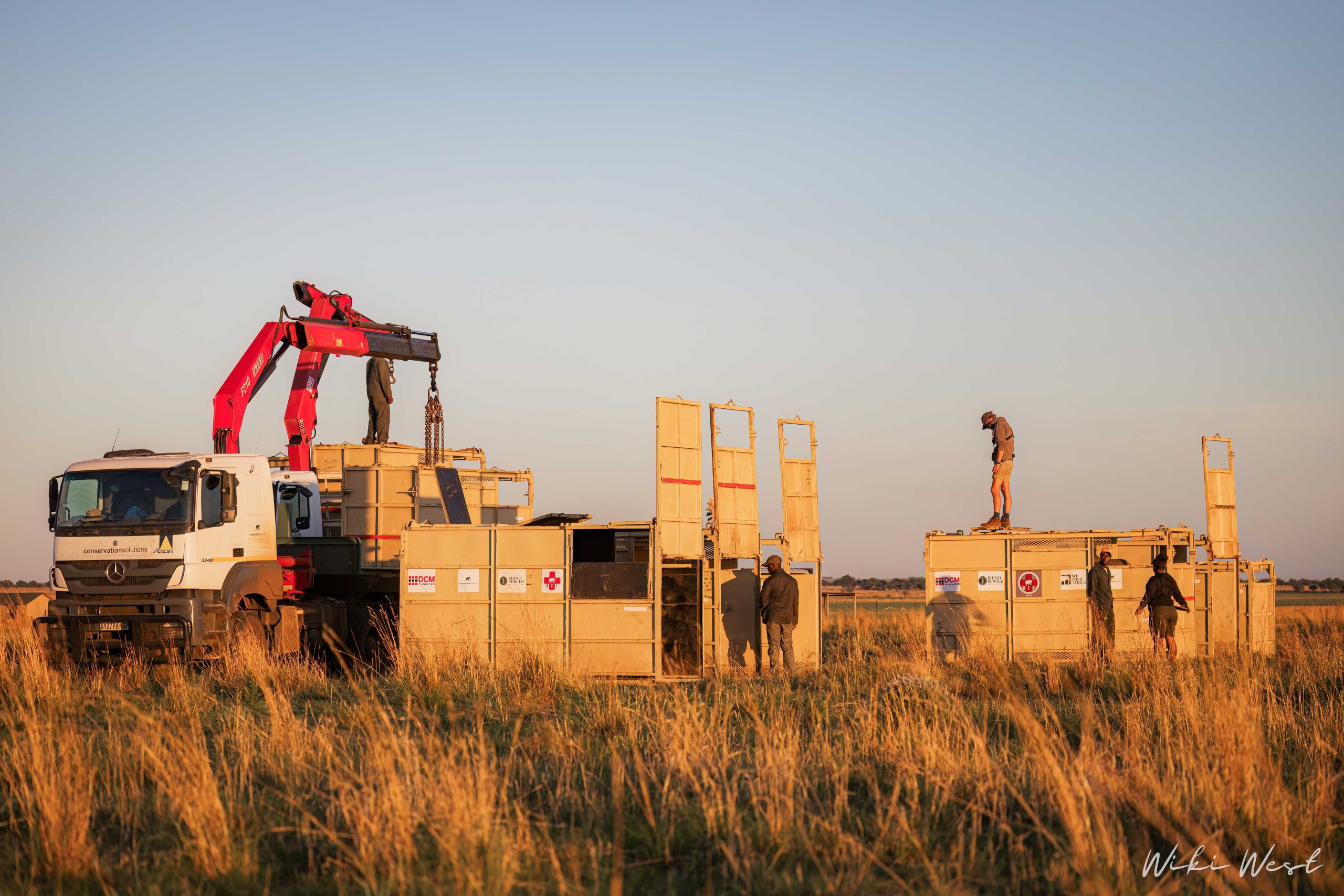
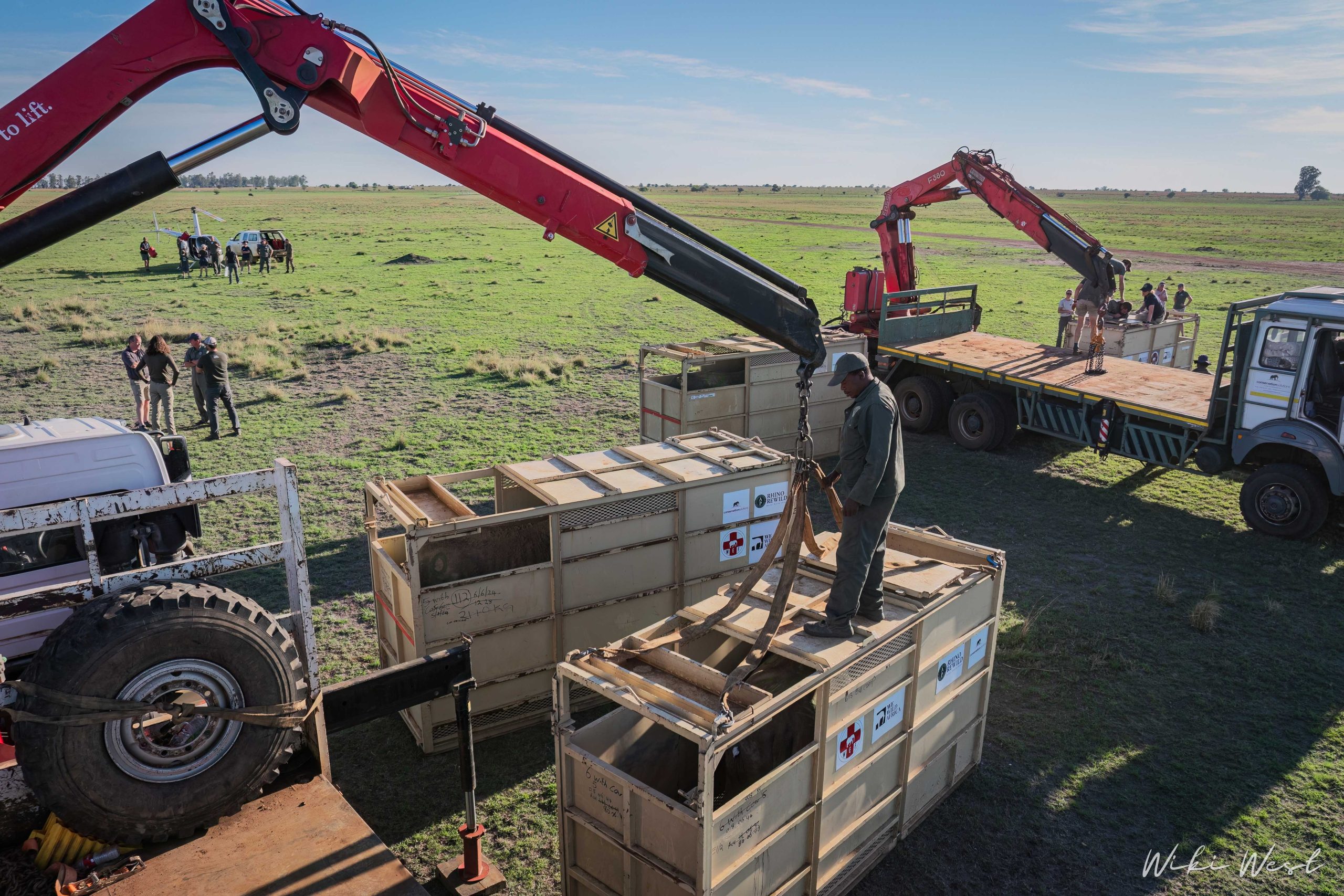
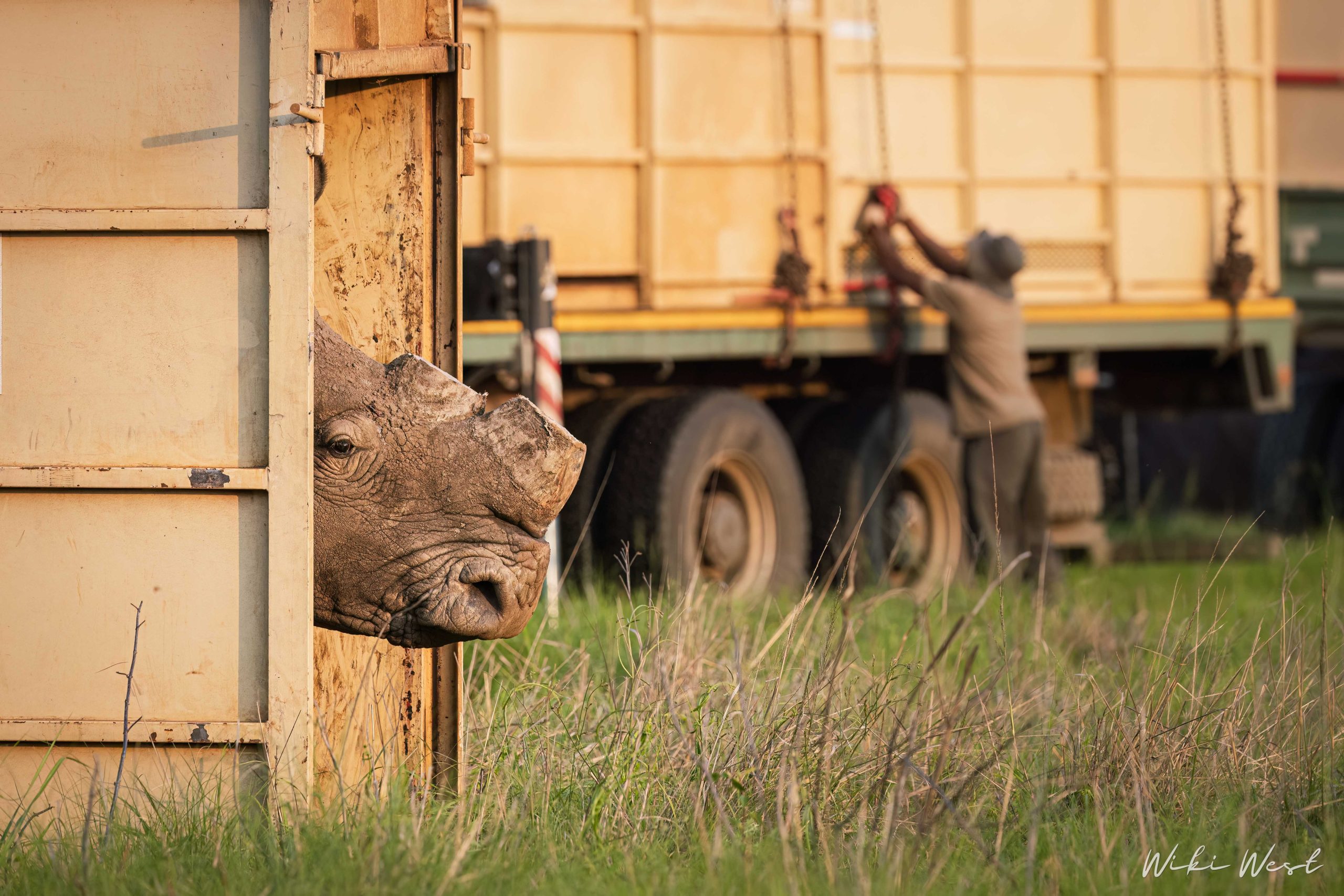
At the crates, another team was ready to guide the rhinos inside. Once secured, each crate was cautiously lifted by a crane onto the loading trucks. Throughout this process, veterinarians continuously monitored the rhinos’ vitals to ensure their well-being.

The team bonded like a family, united by a shared goal, driven by determination and positivity. By dusk, as the last crates were loaded, the team, exhausted yet exhilarated, watched the convoy of trucks and security personnel begin their 12-hour journey to Munywana Conservancy. As the trucks faded into the night, a profound sense of accomplishment set in. It became clear what could be achieved when passion, experience, and teamwork converge for wildlife protection.

At the end of the first long day, Dereck Milburn, Director of the Wildlife Emergency Fund, recapped the day: “Firstly, it’s a privilege to be here and witness such a monumental conservation effort in Southern Africa, on the continent, and worldwide. It’s not every day that one sees so many rhinos in one place, and then has the opportunity to work with them. The teams collaborated effectively today; all the rhinos are safe, and we had four teams in action. It’s been a fantastic experience to be part of this team. We have thousands of rhinos to relocate, and we’re just getting started.

We’ve already identified additional reserves to which we will transfer more rhinos—safe reserves that can accommodate them. South Africa must unite to aid African Parks in achieving the goal of rewilding these rhinos. This is not just their challenge; it’s a global concern, a heritage we must all celebrate and protect. The cost of moving a single rhino is significant, let alone 40.”

The rhinos will be released into the conservancy through a phased environmental acclimatization approach. Following our strict security protocols, these rhinos will undergo continuous monitoring. Additionally, we will assess their body condition and adaptation to local parasites, alongside overall safety checks to ensure their successful acclimatization to the new habitat.

Photography:  © Wiki West

JOIN THE FRONTLINES

© 2026 All Rights Reserved. Powered by Mosquito Media.

Dehorning of Loskop Dam’s Entire Rhino Population

Dehorning of Loskop Dam’s Entire Rhino Population

Dehorning of Loskop Dam’s Entire Rhino Population

Demonstrating our commitment to conservation and efficiency, we collaborated with DCM Surfaces, MTPA, and African Wildlife Vets to dehorn all the rhinos at Loskop Dam in a remarkable three-day operation. This initiative, integral to the broader rewilding project at Loskop, was essential for safeguarding these rhinos from the constant danger of poaching.

DCM Surfaces, renowned for its supporting bespoke surfacing solutions across the UK, played a pivotal role in this operation, funding the several days of helicopter use essential for the operation, whilst also being on the ground to help with the operation.

The dehorning of each rhino is a  sensitive procedure, requiring precision and care. 

Location and Tracking: Helicopters were employed by the team to find each rhino. A cross marked on each rhino’s back ensured that no animal was darted more than once.  

Immobilization: A wildlife veterinarian administered a precisely measured dose of tranquilizer using a dart gun, taking into account each rhino’s size and health condition.  

Safety Measures: After immobilization, the rhino’s eyes were covered, and earplugs were inserted to reduce stress. Vital signs were monitored continuously.  

Dehorning: A chainsaw or a similar tool was utilized to remove the horn, which is a painless procedure because the horn is composed of keratin, similar to human nails.  

Post-Procedure Care: The horn stub received antiseptic treatment, and a reversal agent was given to rouse the rhino from sedation.  

Monitoring: After the procedure, each rhino was carefully observed to ensure a smooth recovery.  

The Cost and Impact of Dehorning: Each dehorning operation incurs costs ranging from $600 to $1,000, covering everything from helicopter usage to veterinary care. Since rhino horns grow back at a rate of 3 to 4 inches per year, these procedures need to be repeated every 12 to 24 months.

This dehorning operation is integral to the broader effort to rewild the Loskop Dam Nature Reserve. WeWild Africa, in collaboration with the local government, is focused on reintroducing the Big Five, enhancing infrastructure, and increasing the reserve’s size to 100,000 hectares. This extensive initiative seeks to revive the historically present biodiversity of the reserve, making it one of the largest and most stunning reserves in Southern Africa.

To learn more about the Loskop Dam Nature Reserve rewilding project and how you can contribute, visit wewildafrica.com. 

JOIN THE FRONTLINES

© 2026 All Rights Reserved. Powered by Mosquito Media.

Race Against the Clock: Rescuing Rhinos in Zimbabwe

Race Against the Clock: Rescuing Rhinos in Zimbabwe

Race Against the Clock: Rescuing Rhinos in Zimbabwe

When a wildlife emergency call comes in, we respond immediately. Five rhinos had been shot, necessitating the swift relocation of the remaining rhinos. The Wildlife Emergency Fund (WEF) Team, in collaboration with our long-term partner, Imire Rhino & Wildlife Conservation, sprang into action. Remarkably fast for the conservation sector, we secured full funding and arrived on-site within three days with specialized emergency vehicles, crates, permits, veterinarians, and a skilled team of rangers and experts ready to implement our plan. 

Initially, we assisted a young rhino bull that suffered critical injuries from a bullet wound.

Our involvement in Zimbabwe demonstrates our readiness to address wildlife emergencies directly, equipped with the essential resources and expertise to implement timely and strategic measures. This not only saves individual animals but also aids in the overall restoration of wildlife and landscapes across Africa. No other organization can rival our speed and efficiency in wildlife conservation; WEF is unparalleled in its rapid response and impactful actions.

This is yet another example of a historic rangeland for rhinos that has been lost to rhino conservation.

JOIN THE FRONTLINES

© 2026 All Rights Reserved. Powered by Mosquito Media.

Saving The Last Rhino of D’Nyala

Saving The Last Rhino of D’Nyala

Saving The Last Rhino of D’Nyala

Nestled in Limpopo Province is the D’Nyala Provincial Nature Reserve, a stunning haven of biodiversity that is both beautiful and vulnerable. The urgency of our mission became clear when we were summoned to assist in the critical task of relocating the last remaining rhino from this reserve.

The D’Nyala Reserve, which was once a flourishing habitat for rhinos, has seen its population wiped out completely. What was once a thriving community of rhinos has now dwindled to just one remaining individual, a stark result of relentless poaching. The relocation of this last rhino represents larger, troubling trends: the loss of habitat because reserves can no longer support their rhino populations. This crisis does not merely pertain to habitat loss in general; it focuses specifically on reserves that previously thrived with rhinos but eventually found it economically unfeasible to sustain them. The expenses associated with rhino care have skyrocketed, primarily due to the demand for comprehensive anti-poaching measures, fencing, and continuous monitoring. In numerous instances, reserves assign a full-time armed guard for each rhino, showcasing the substantial resources necessary to ensure their protection.

In the last five years, more than half a million hectares, once allocated as rhino reserves, have been lost due to their significant economic costs. Protecting rhinos has become prohibitively expensive for both private landowners and government reserves. The financial and logistical challenges of safeguarding them from poachers are too daunting. Consequently, there is an increasing trend of private landowners giving up their rhinos as they can no longer bear these costs.

The imbalance in tourist visitation exacerbates this issue. Although there are many nature reserves, most eco-tourists gravitate towards larger national parks such as Kruger National Park or renowned private wildlife reserves like Phinda and Amakala. Smaller, equally stunning, and biodiverse reserves, like Nyala, often go unnoticed. This neglect leads to a substantial decline in income generation, further complicating efforts for these reserves to maintain their wildlife populations, including rhinos.

Private wildlife reserves cover approximately 20 million hectares of marginal agricultural land, making up 16.8% of the nation’s total land area. The Wildlife Emergency Fund supports smaller, underfunded reserves, highlighting their vital role in biodiversity protection.

JOIN THE FRONTLINES

© 2026 All Rights Reserved. Powered by Mosquito Media.

Rescue of a Shot Rhino

Rescue of a Shot Rhino

Rescue of a Shot Rhino

In South Africa, our team responded to a rhino cow that had been shot. We treated her bullet wound and simultaneously darted her calf to prevent it from wandering away while the mother was receiving medical attention. 
Thankfully, she has now recovered from her injuries, showcasing the successful intervention and care provided by our ability to mobilize emergency response and funding urgently.

JOIN THE FRONTLINES

© 2026 All Rights Reserved. Powered by Mosquito Media.

In the Nick of Time: Shot Rhino Rescue

In the Nick of Time: Shot Rhino Rescue

In the Nick of Time: Shot Rhino Rescue

Our commitment to urgent wildlife rescue was once again put into action to save a shot and severely wounded rhino west of Kruger National Park, an often overlooked area by both tourists and NGOs. 

Our team quickly mobilized a helicopter, ready to tackle the life-threatening situation. Upon arrival, our veterinary team found the rhino with multiple bullet wounds, a disturbing sight. 

The veterinarians performed emergency procedures on-site. The removal of bullets and treatment of wounds were vital steps in the rhino’s road to recovery. This intervention continues to showcase our commitment to responding to wildlife emergencies.

JOIN THE FRONTLINES

© 2026 All Rights Reserved. Powered by Mosquito Media.