Successful Elephant Range Expansion in the Eastern Cape

Successful Elephant Range Expansion in the Eastern Cape

Successful Elephant Range Expansion in the Eastern Cape

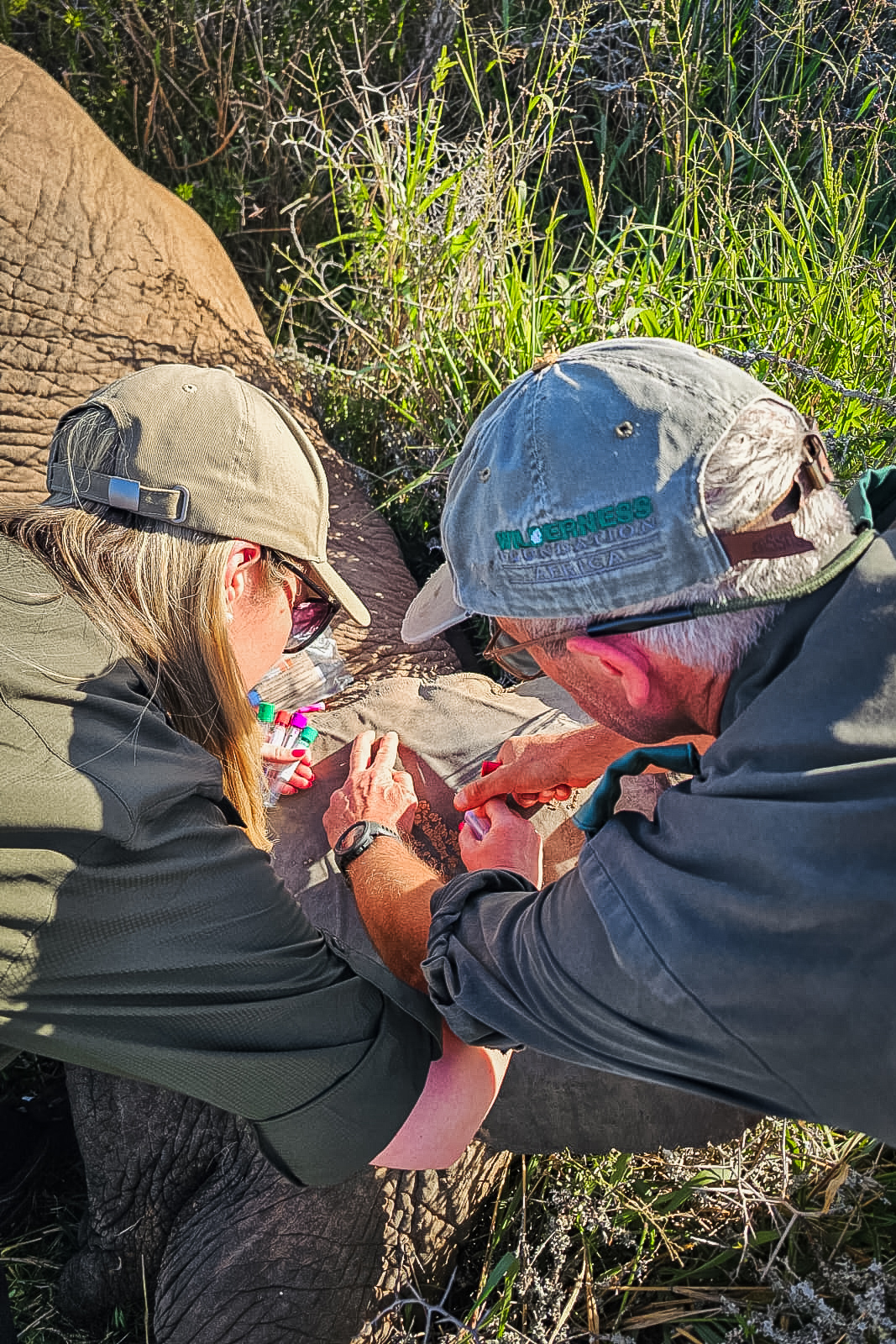
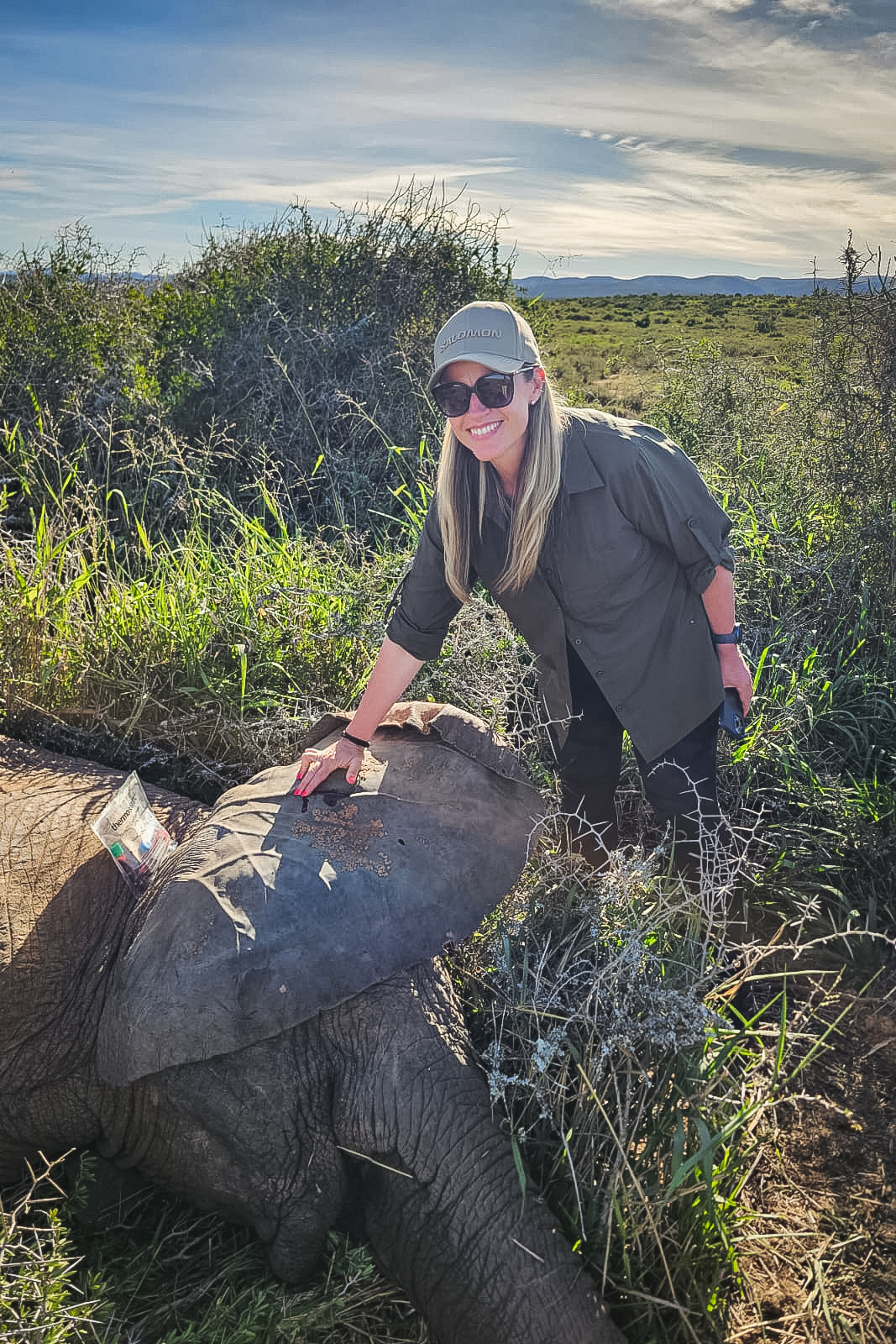
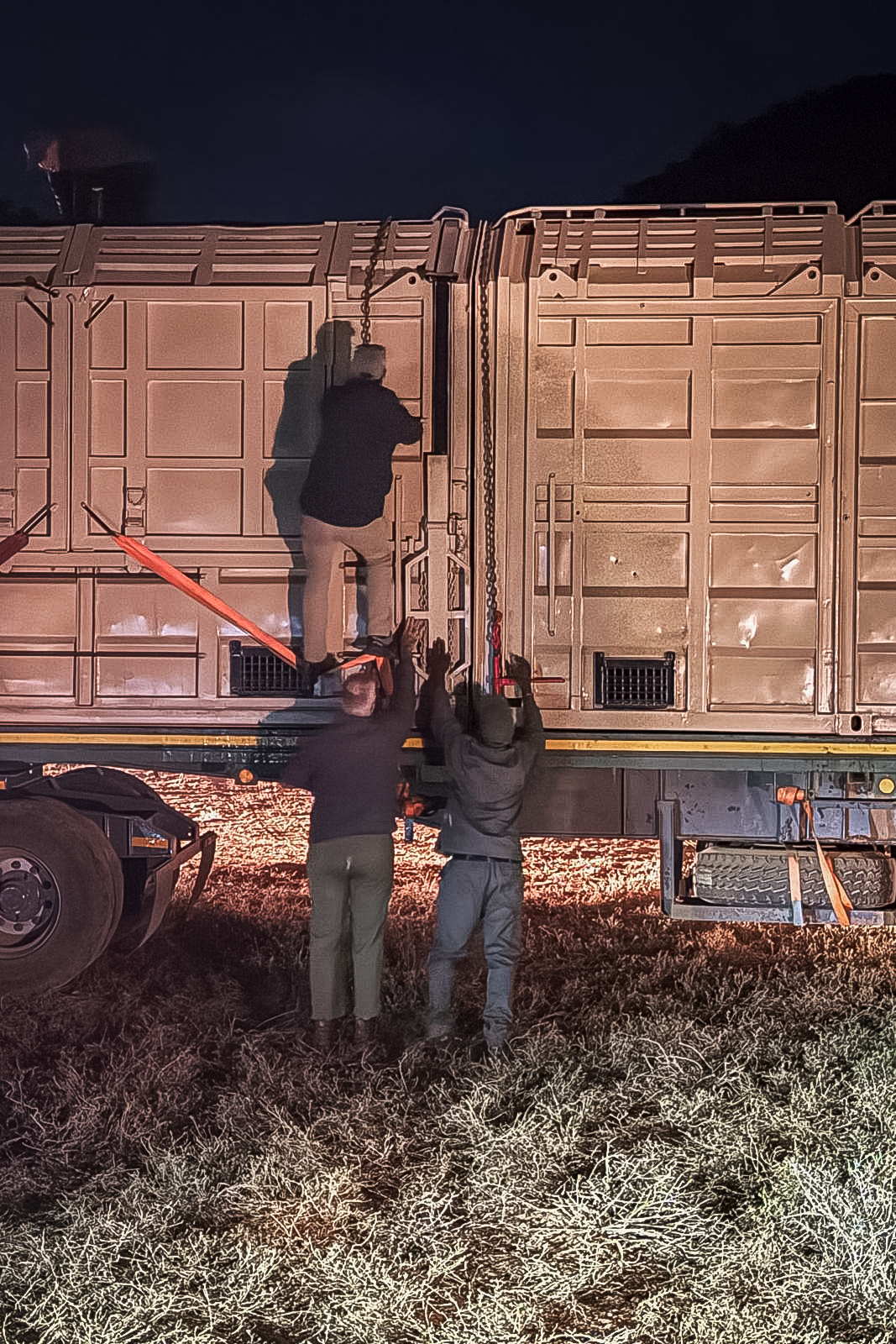
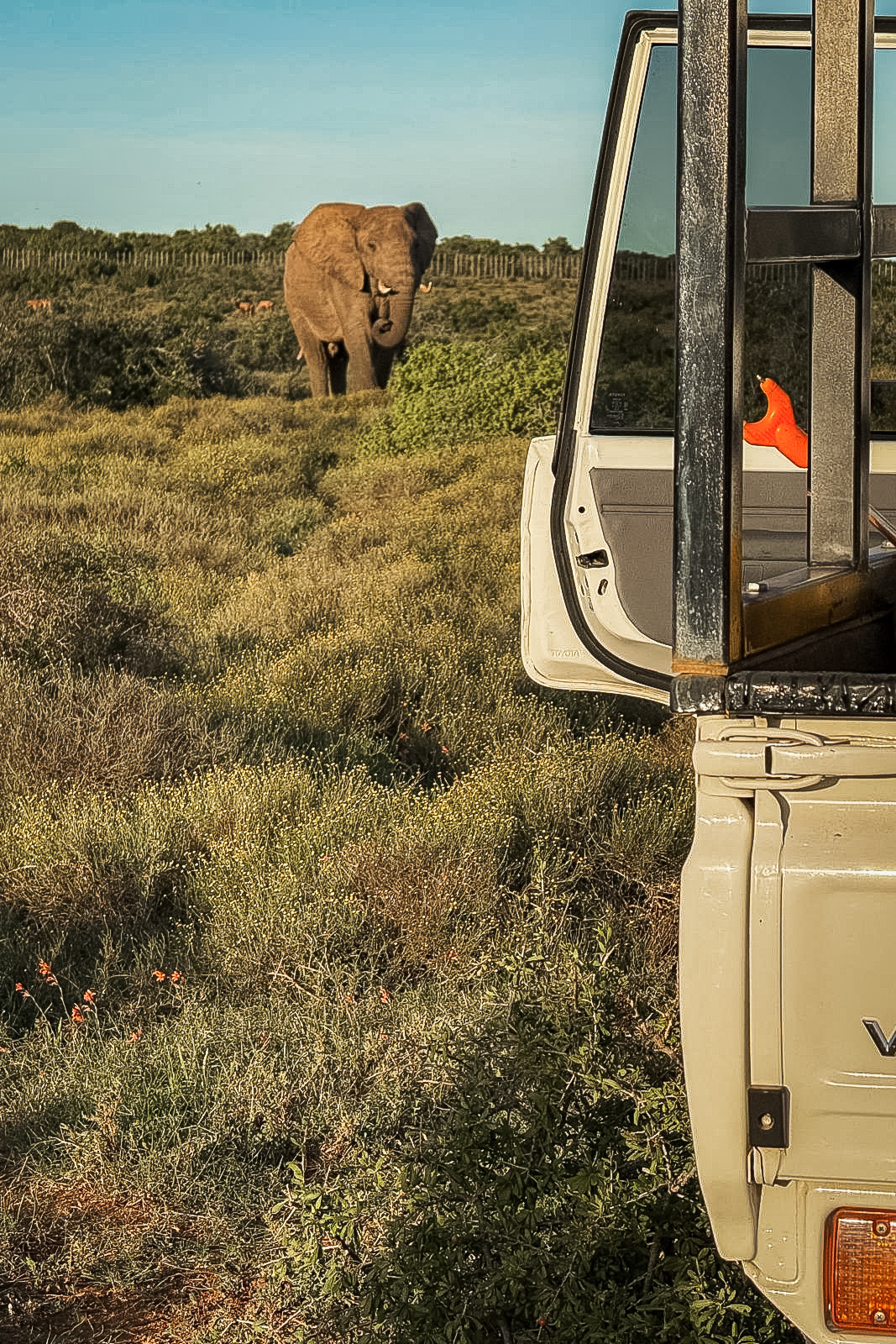
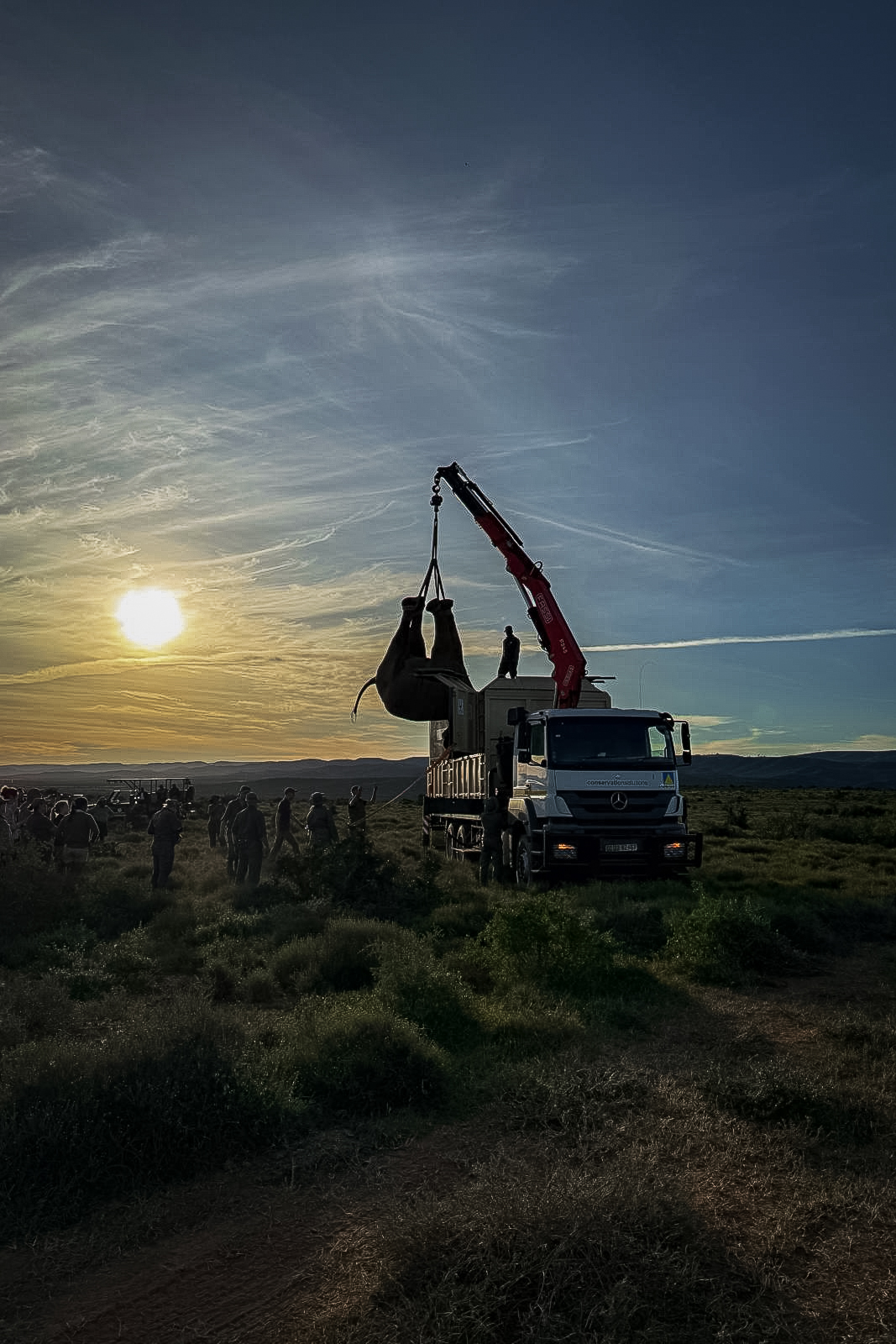
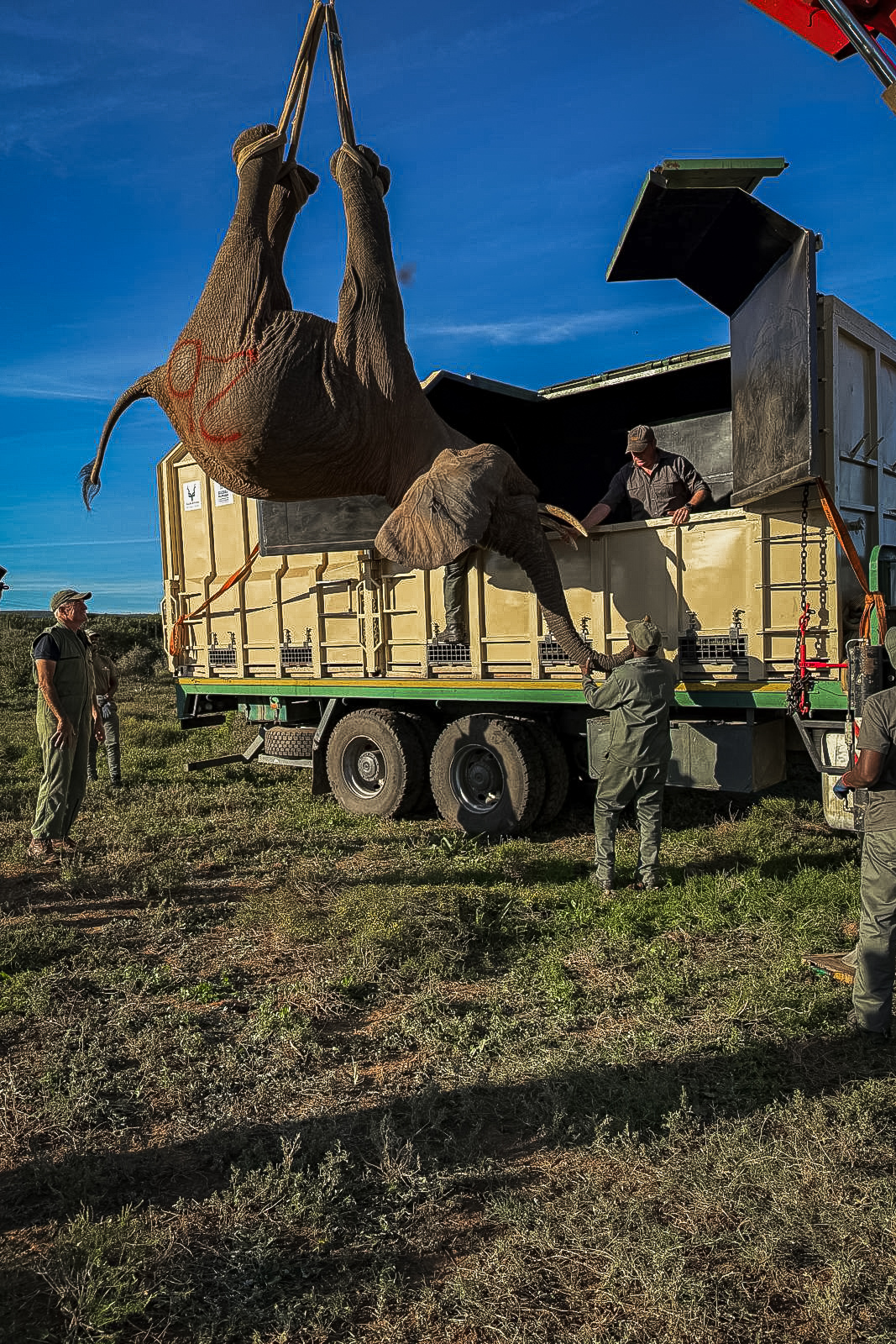
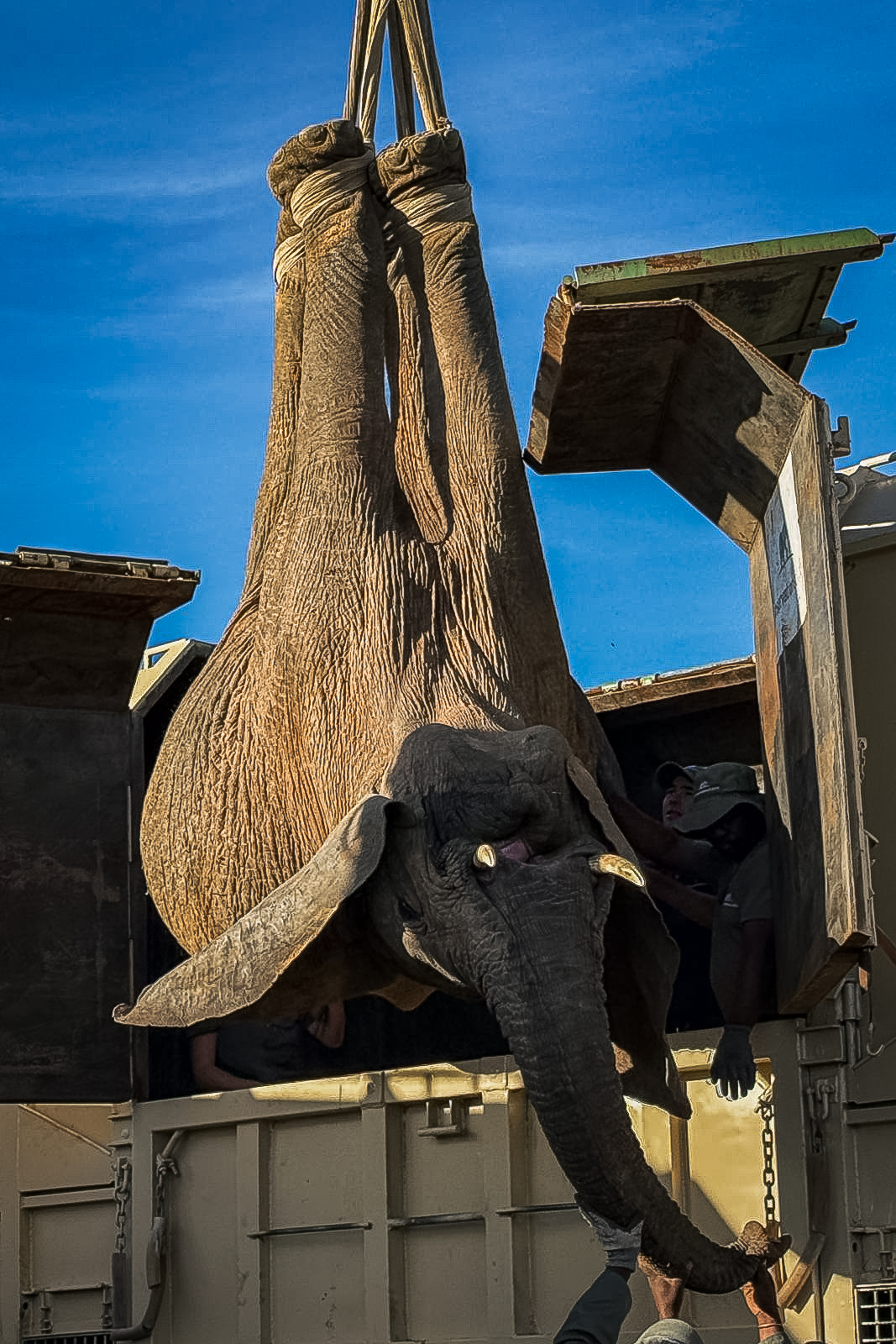
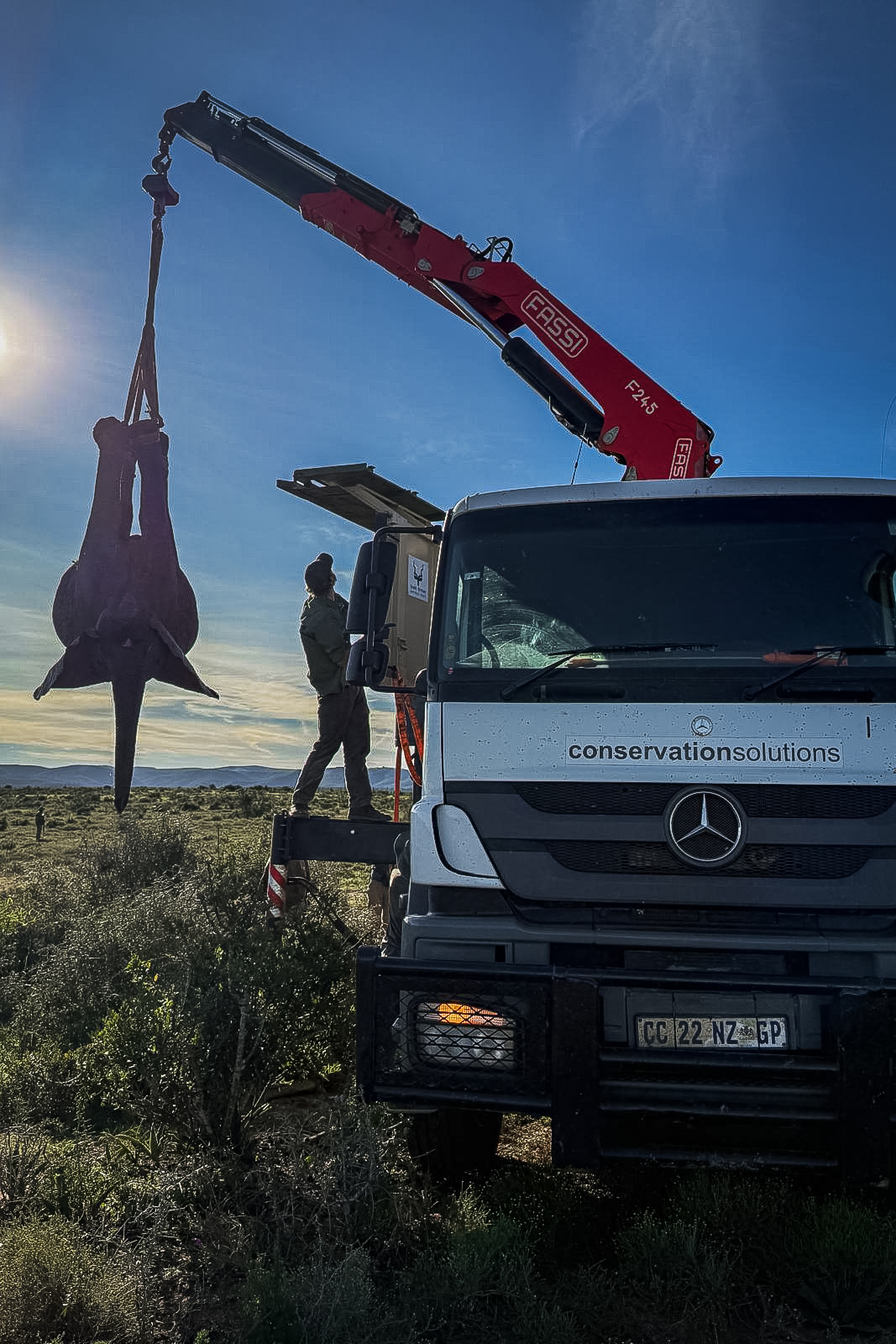
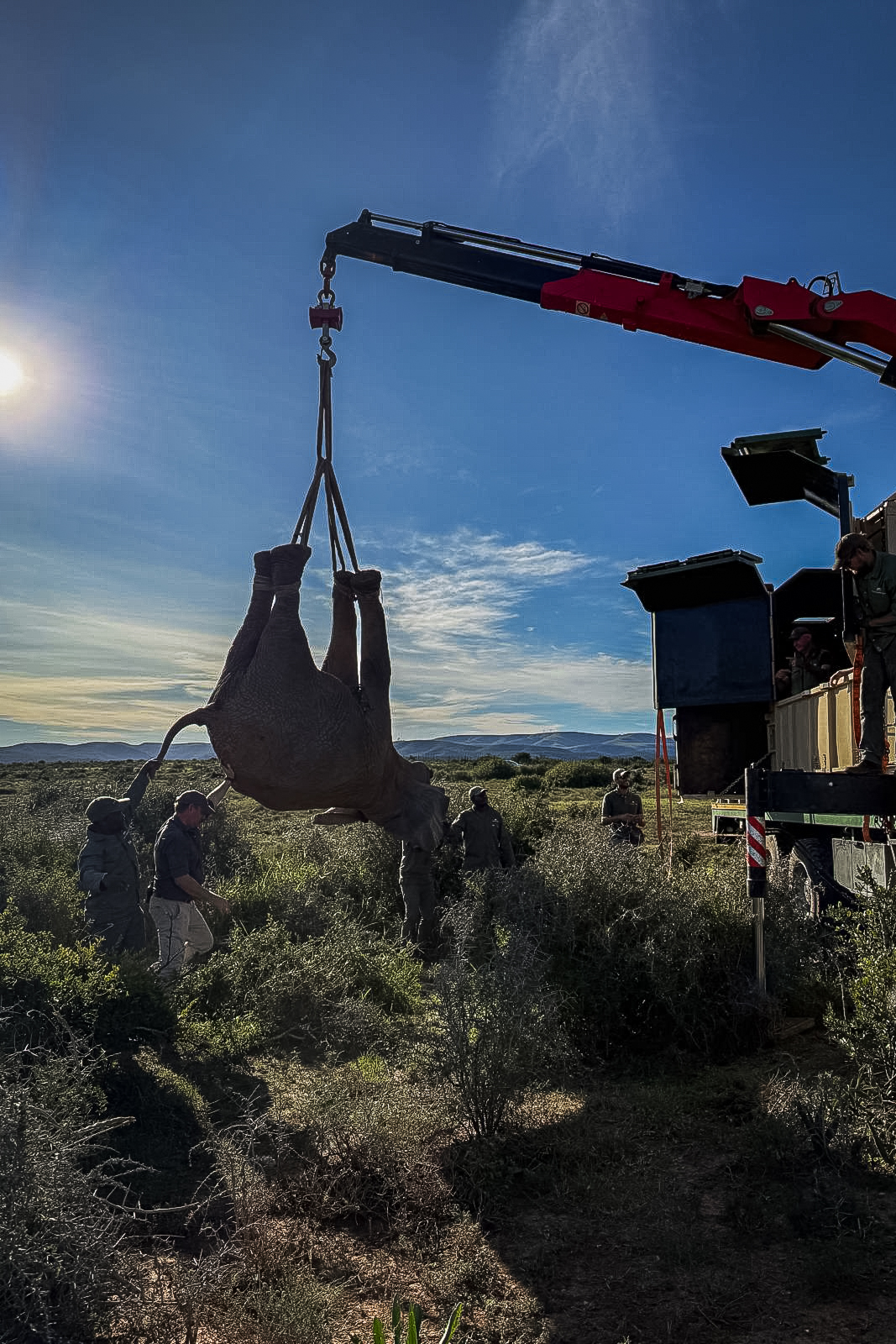
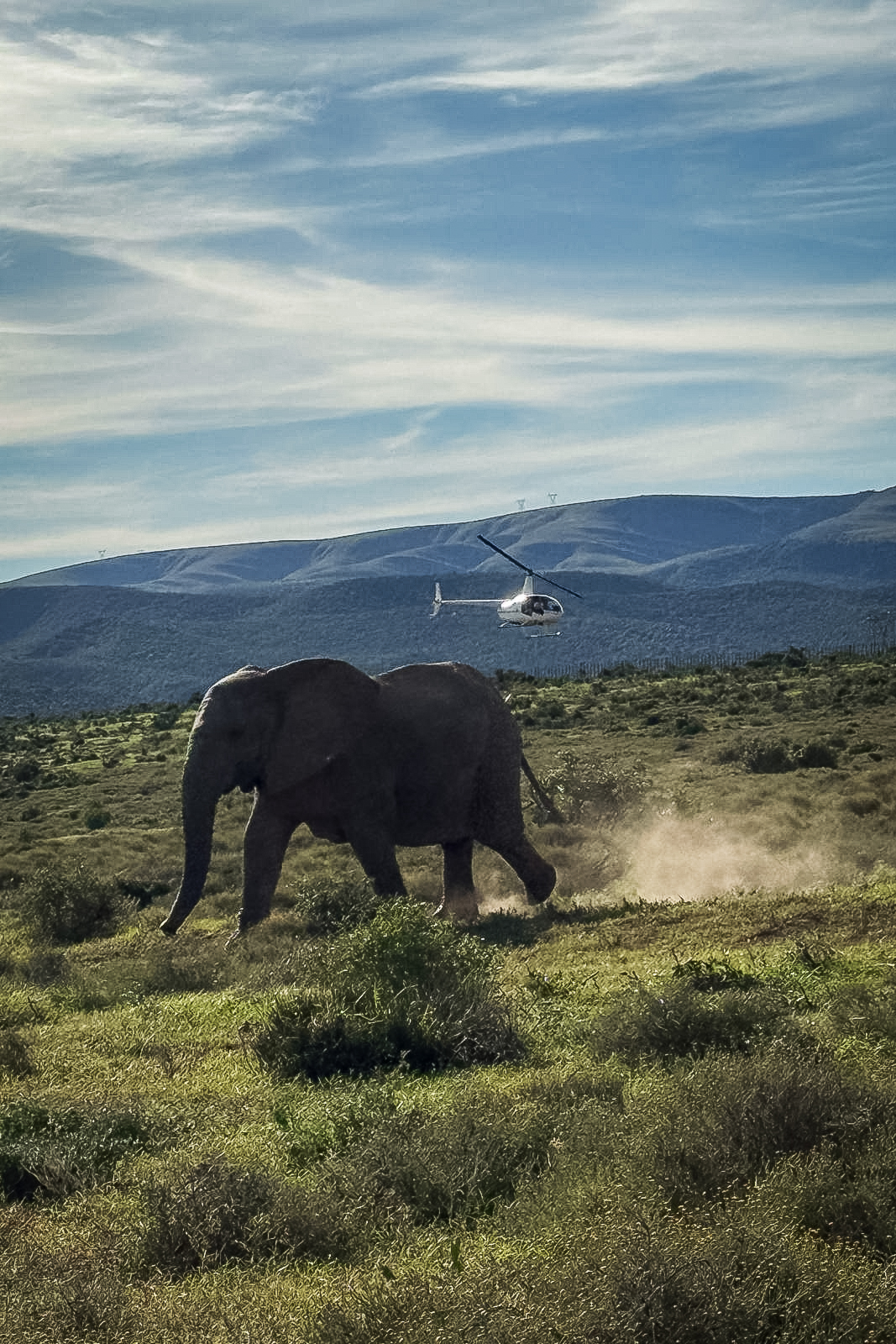
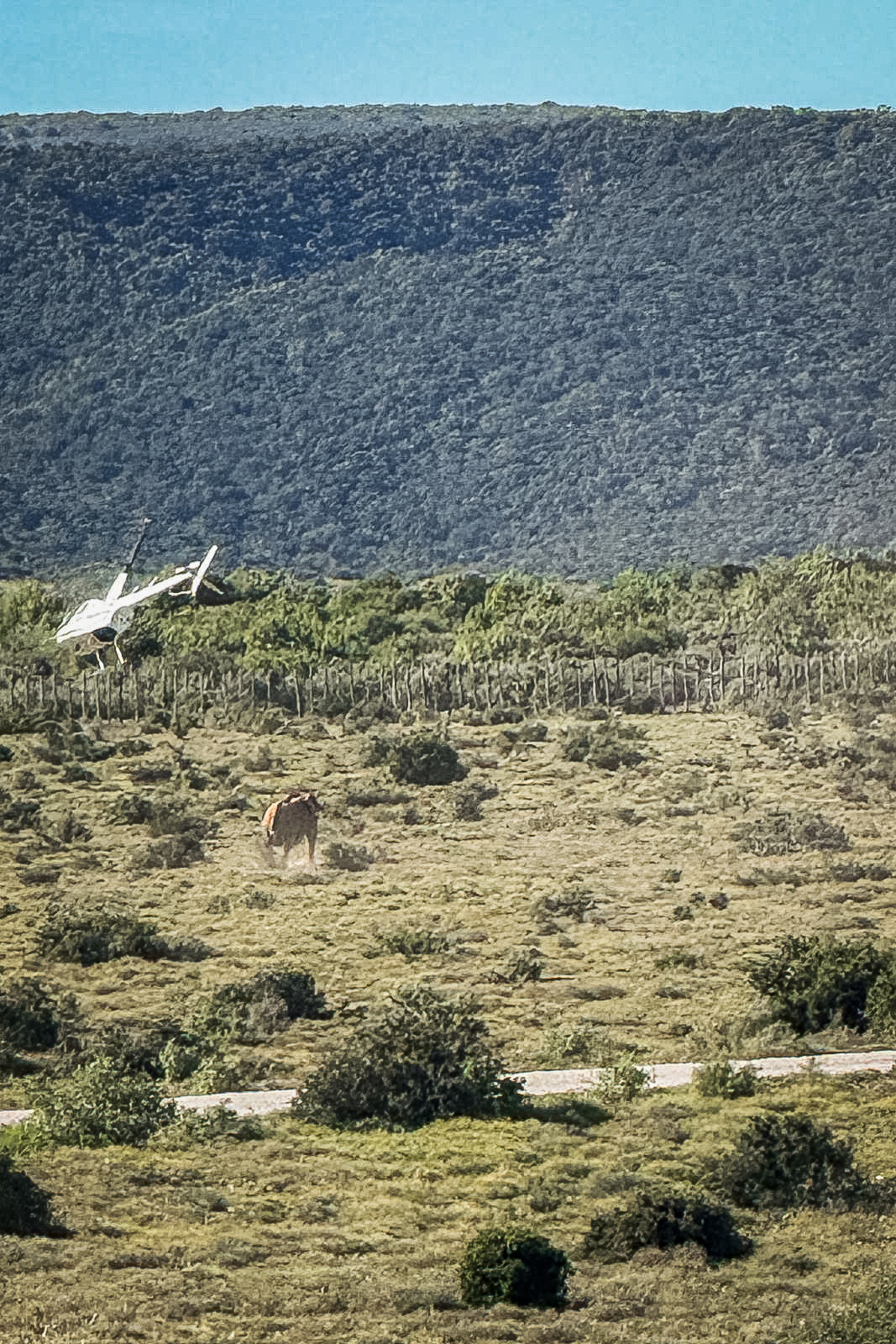
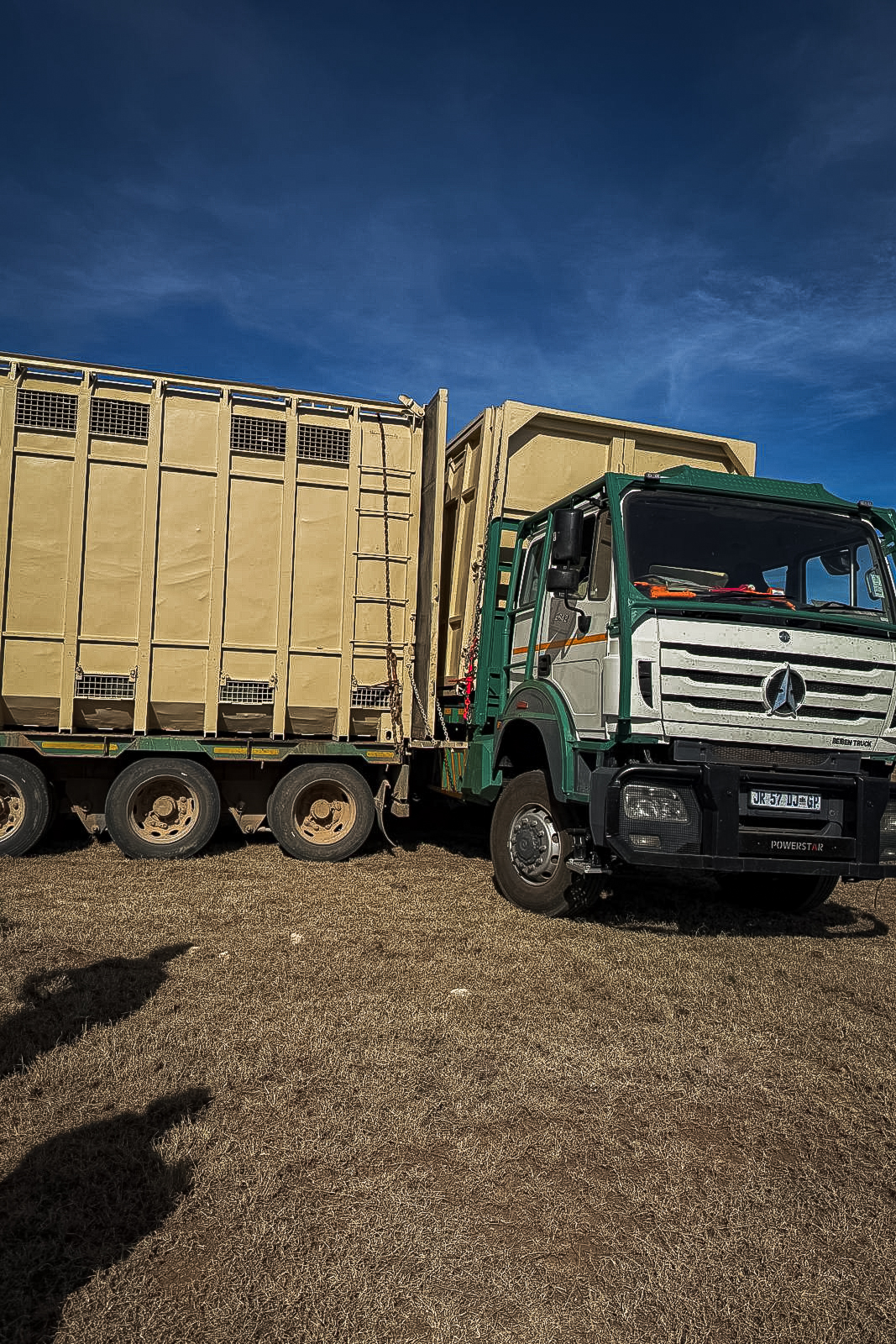
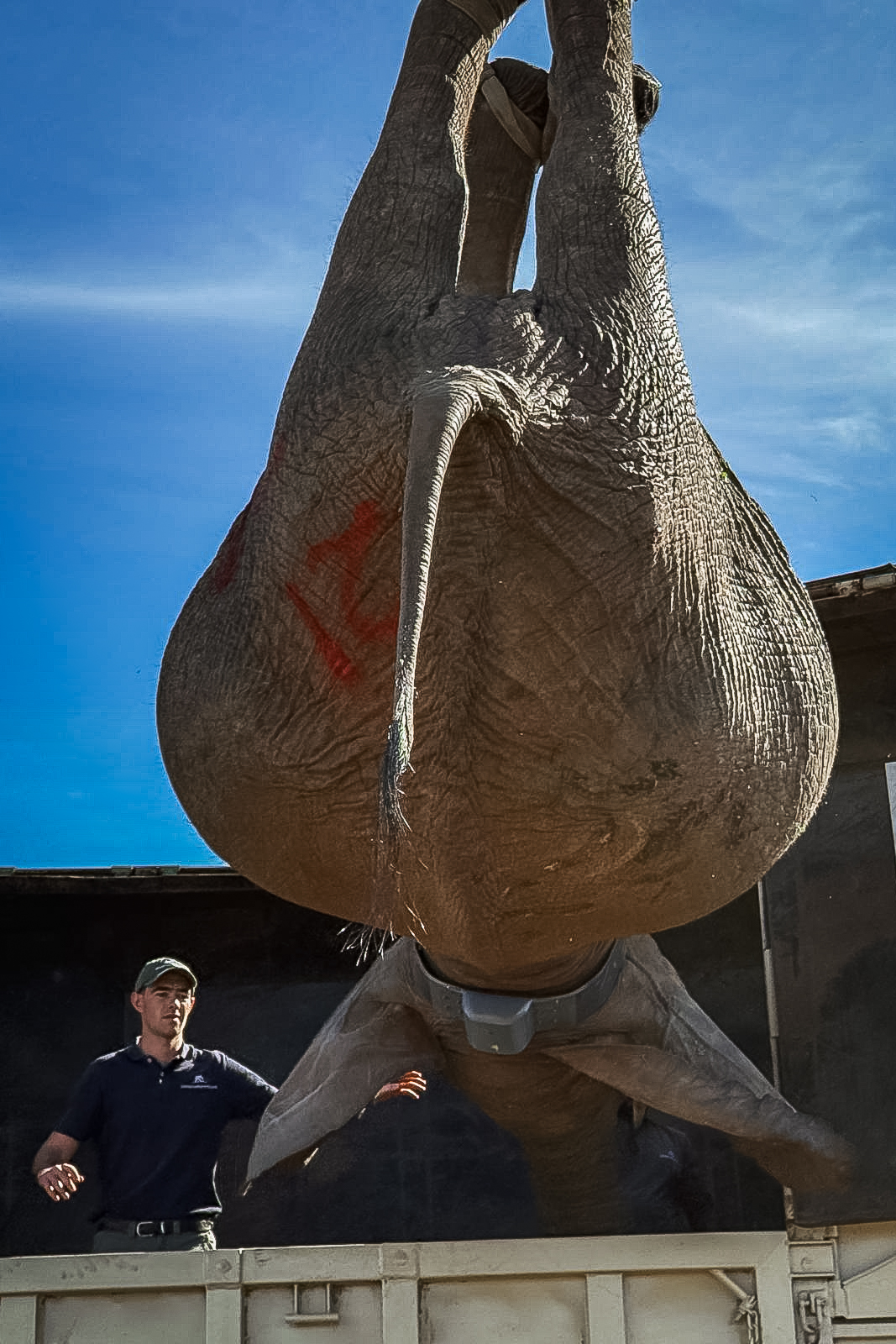
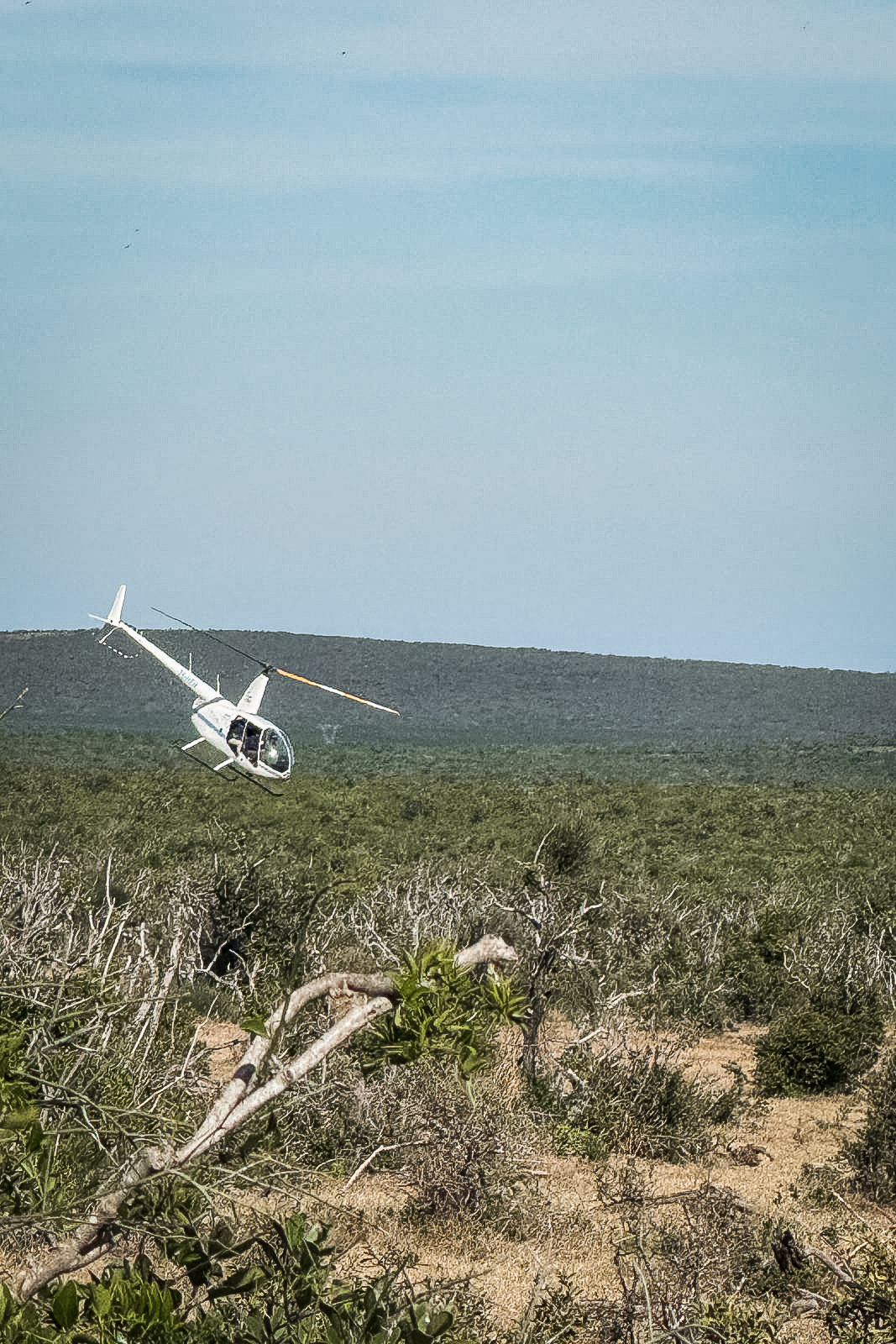
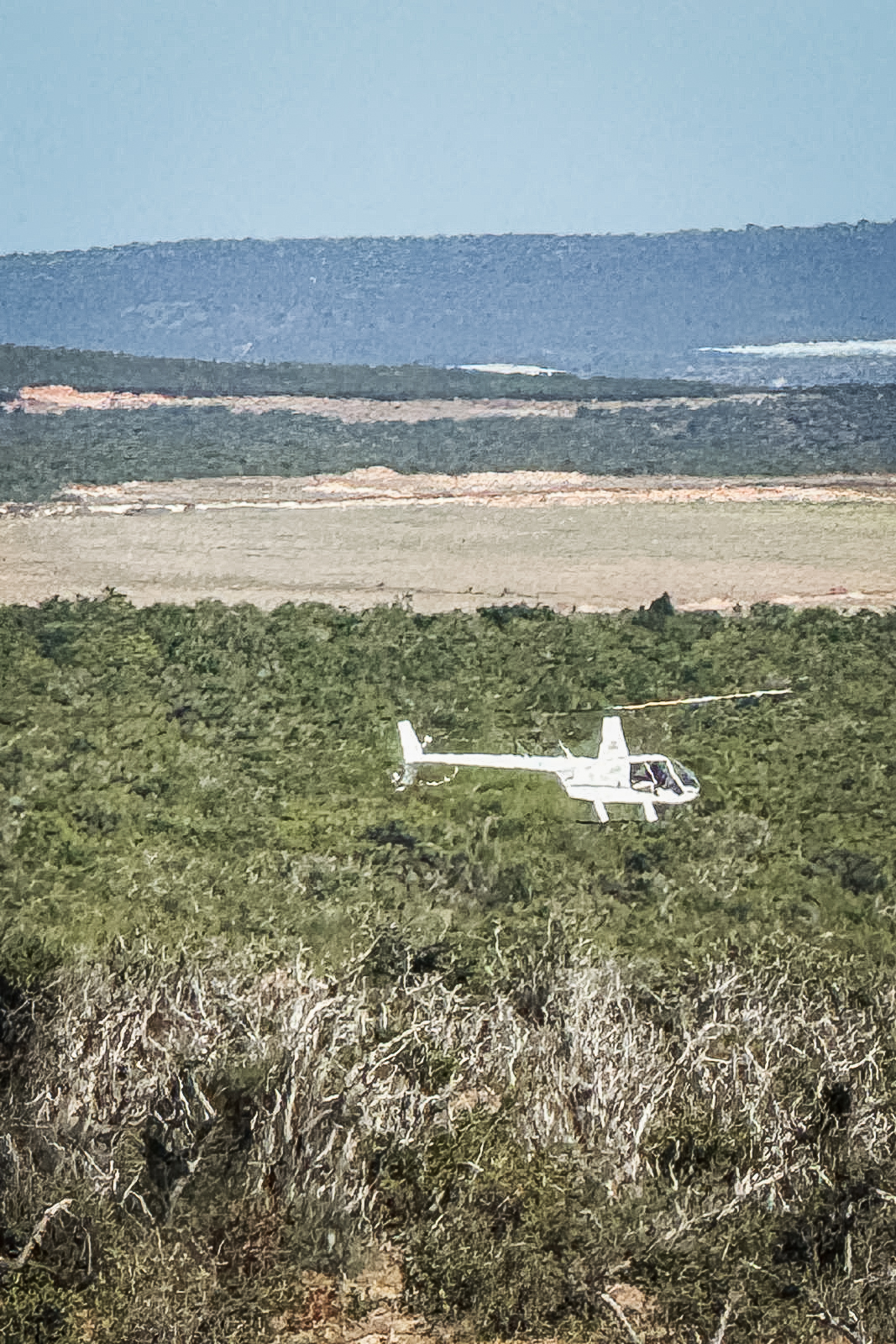
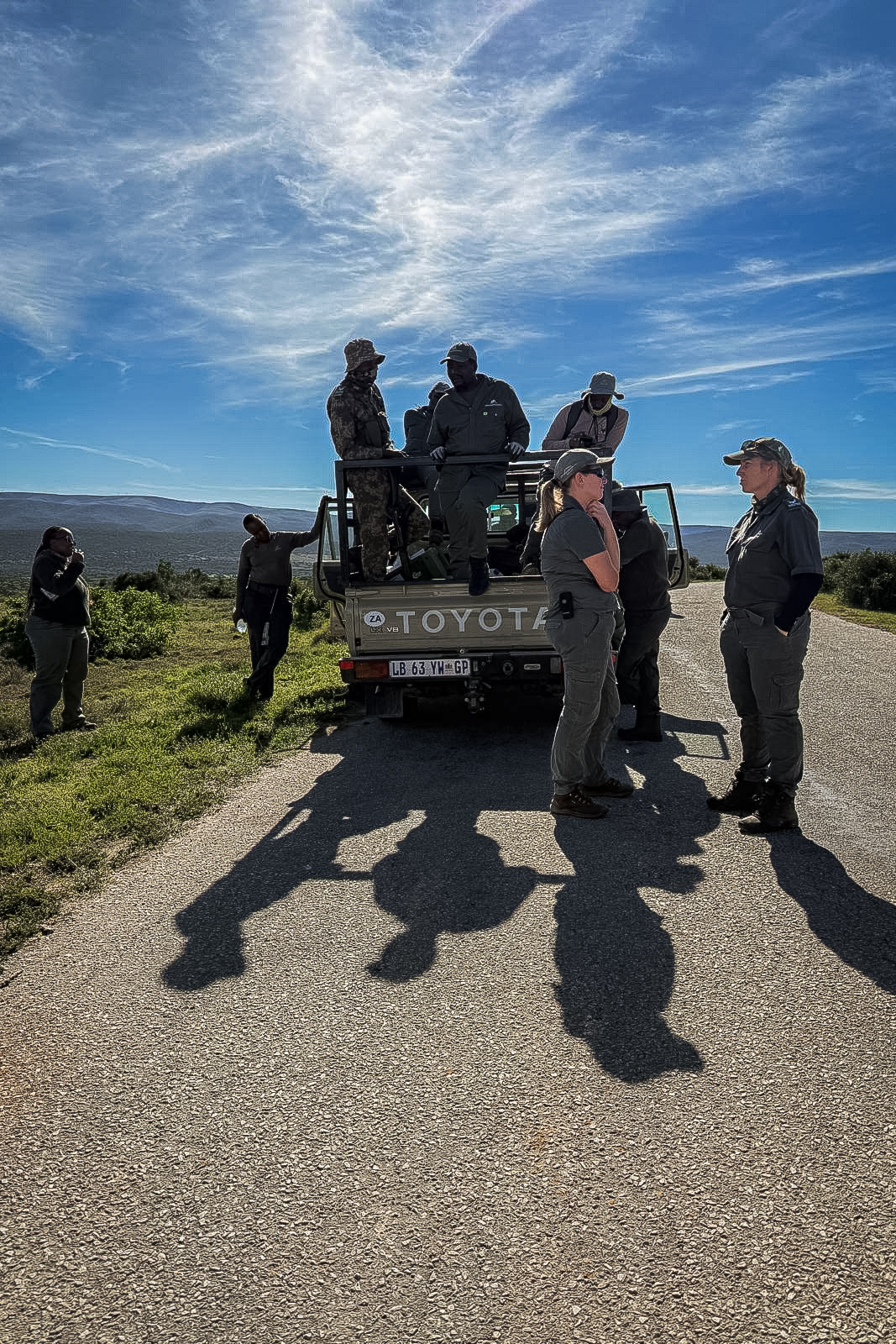
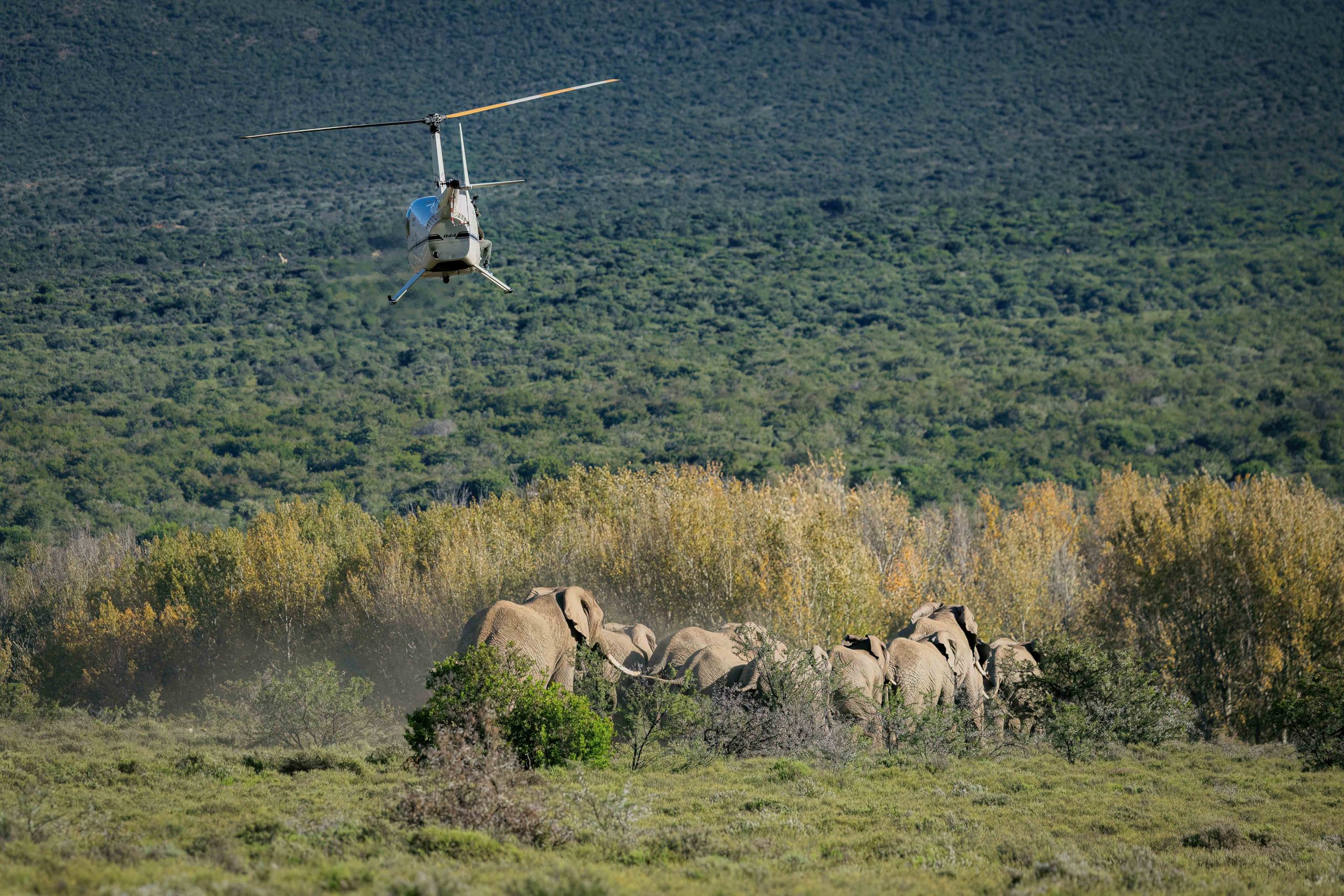
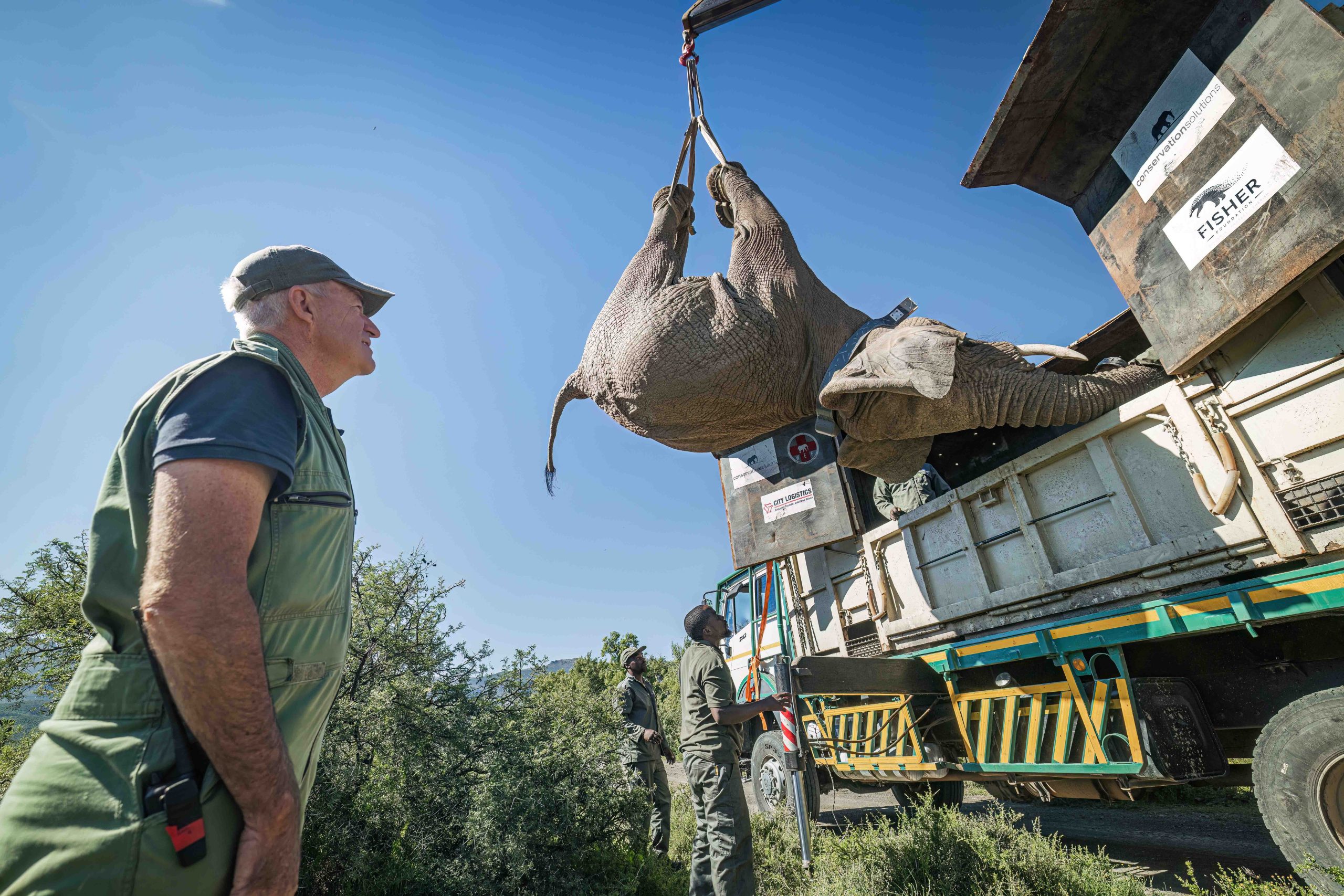
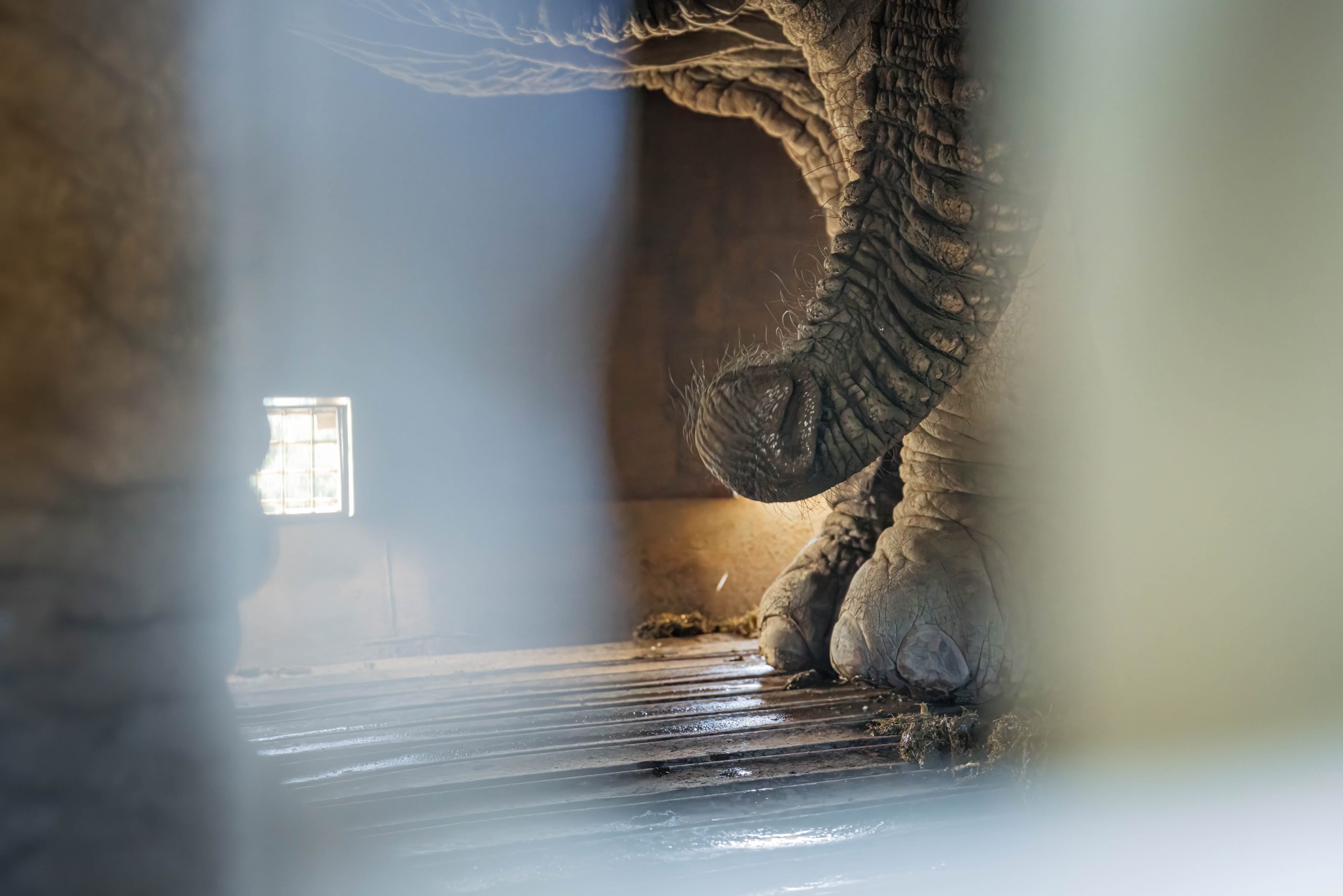
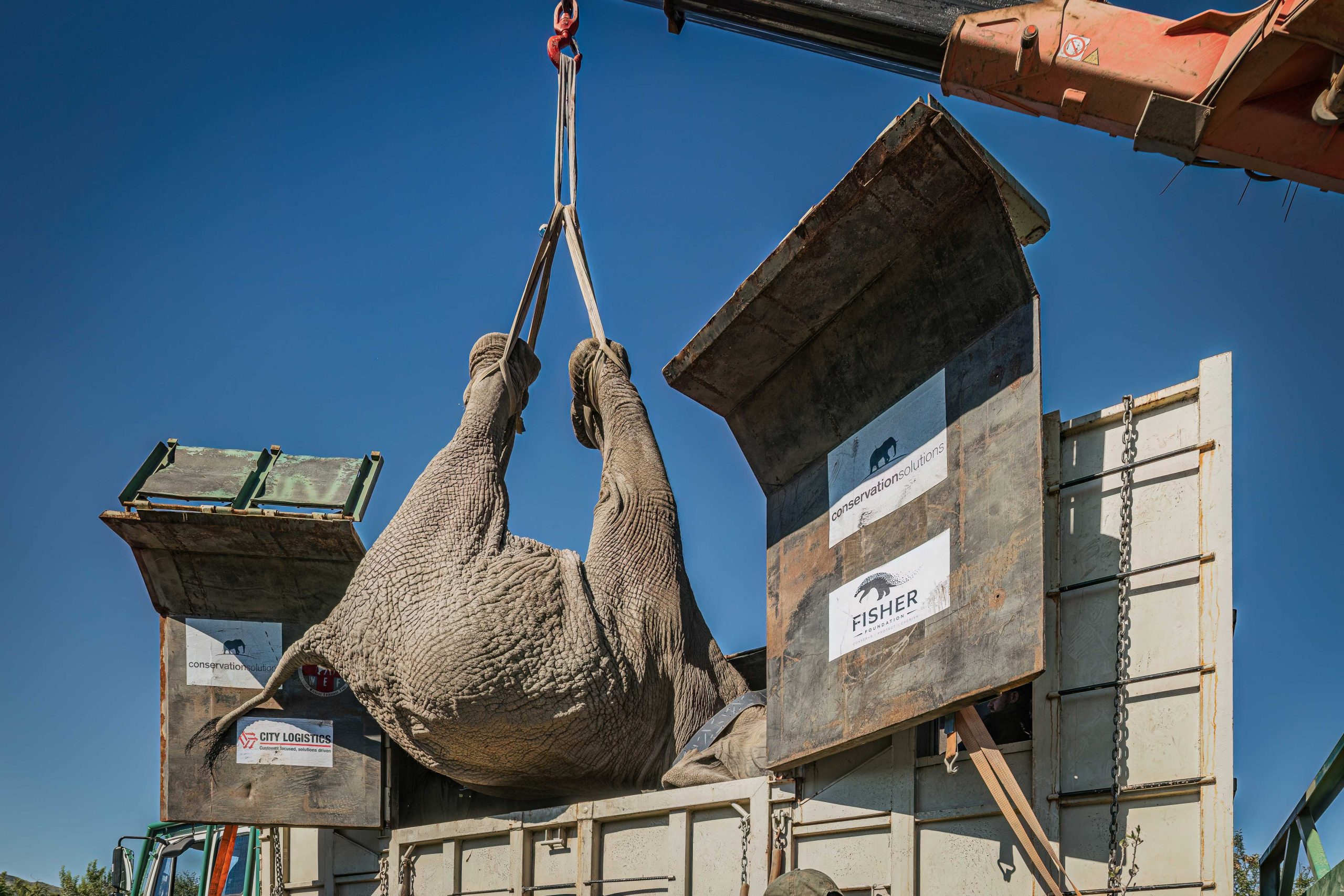
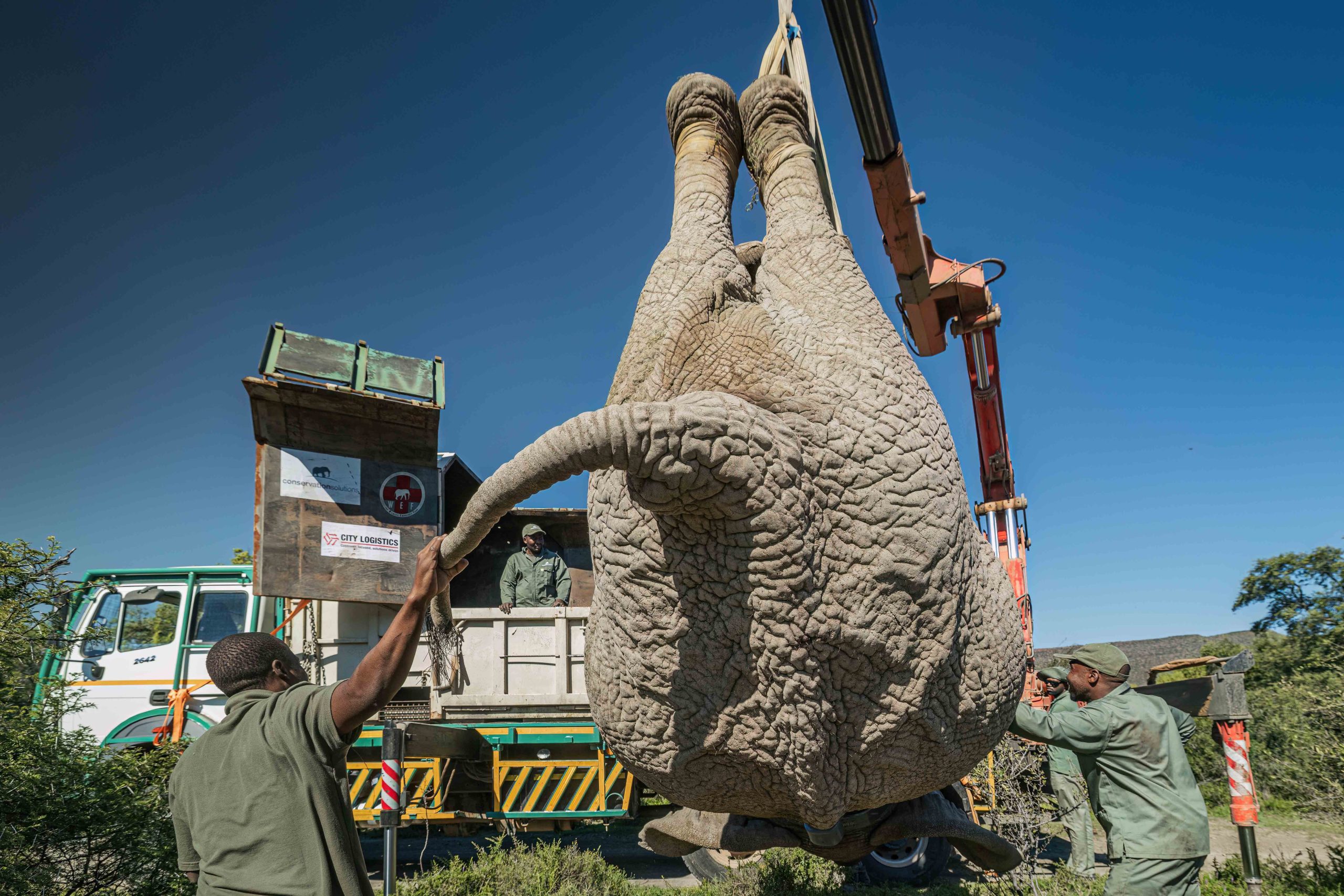
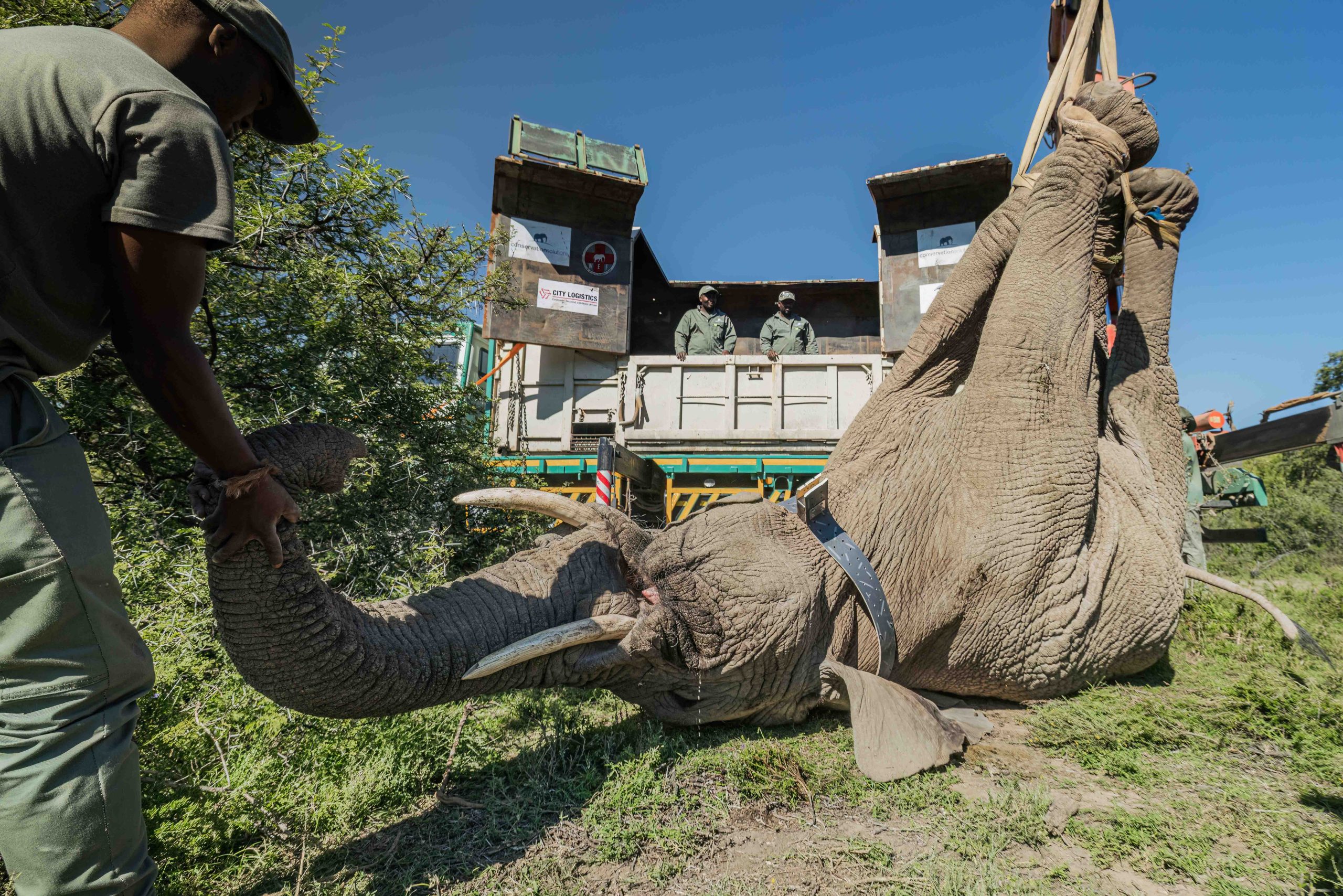
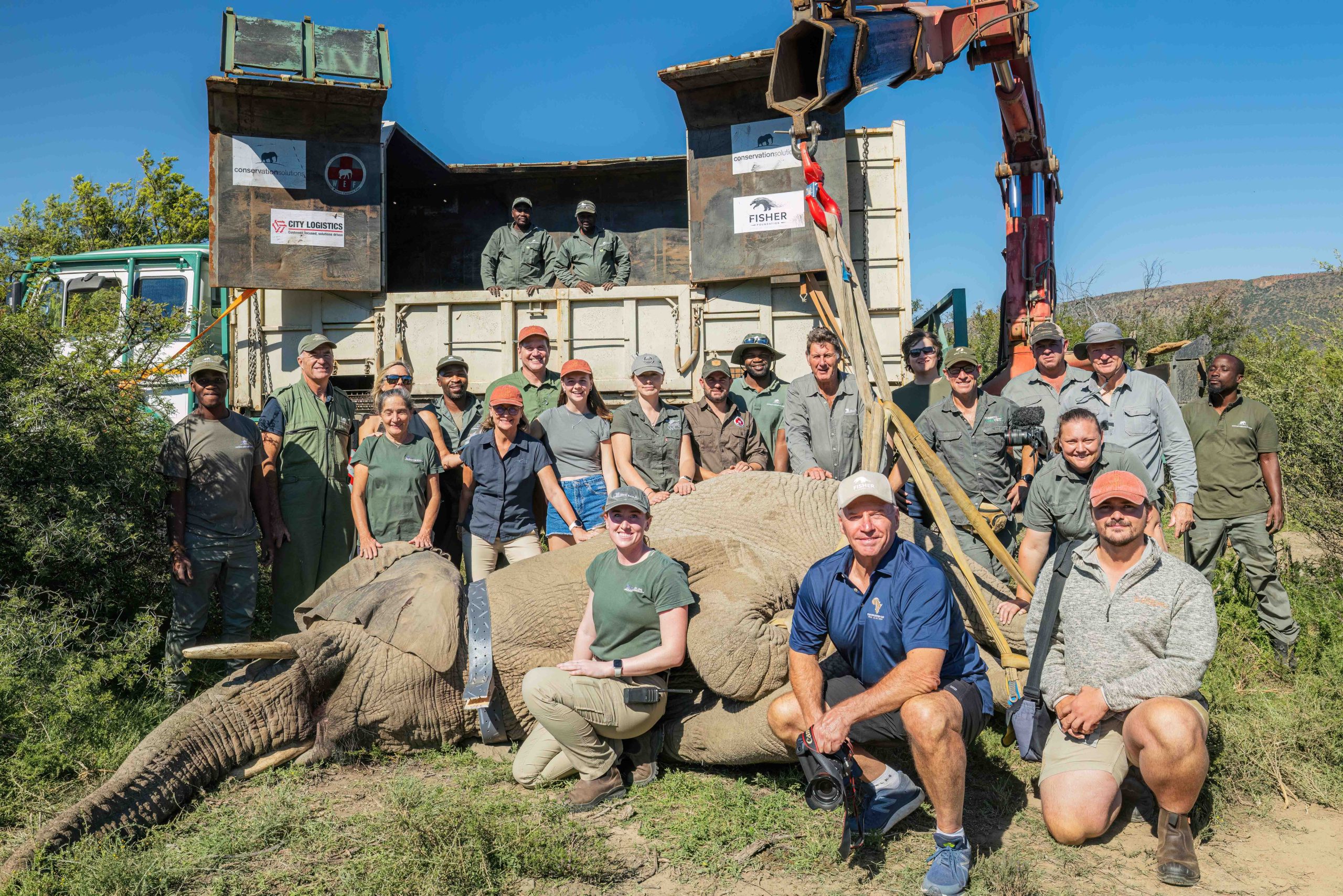
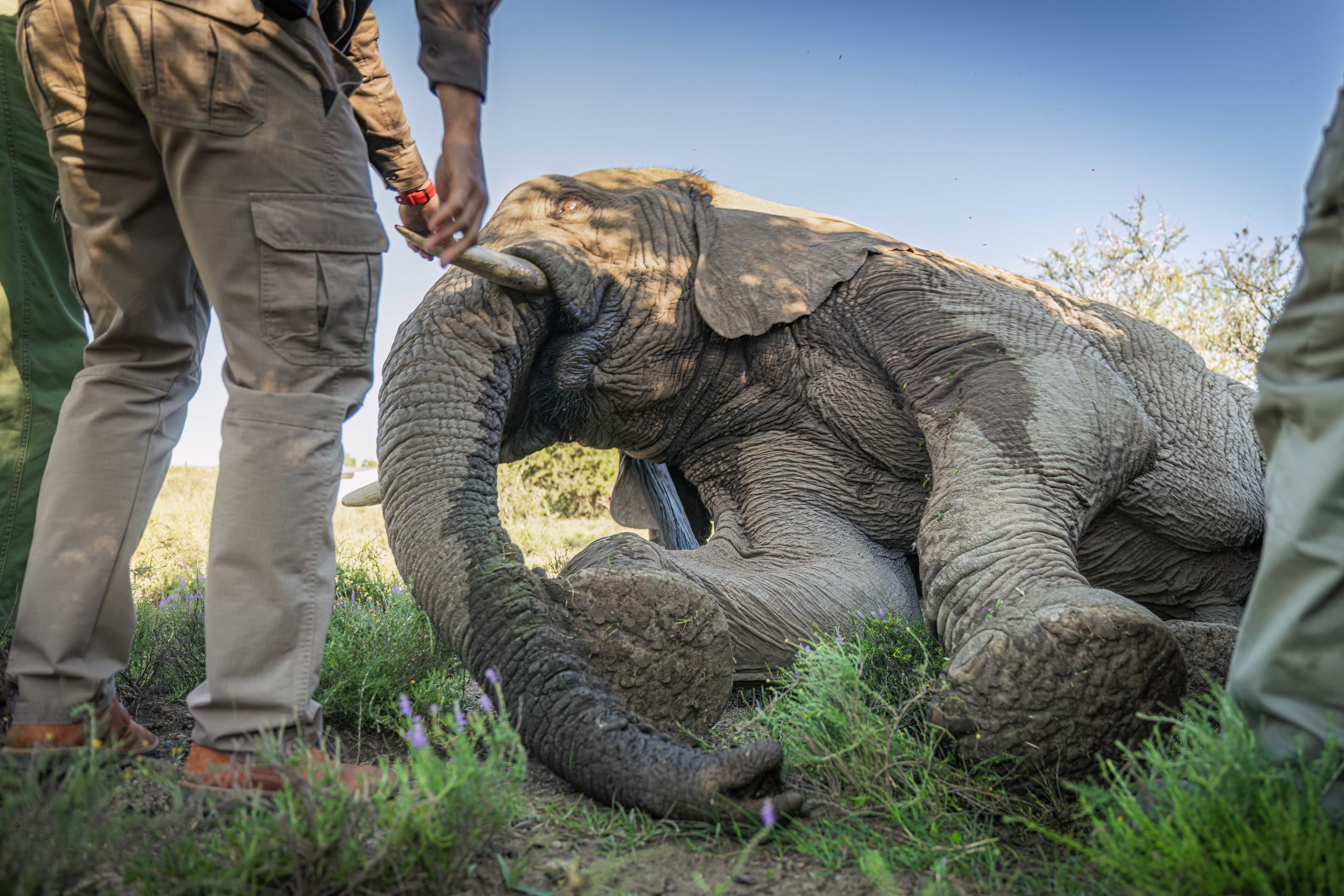
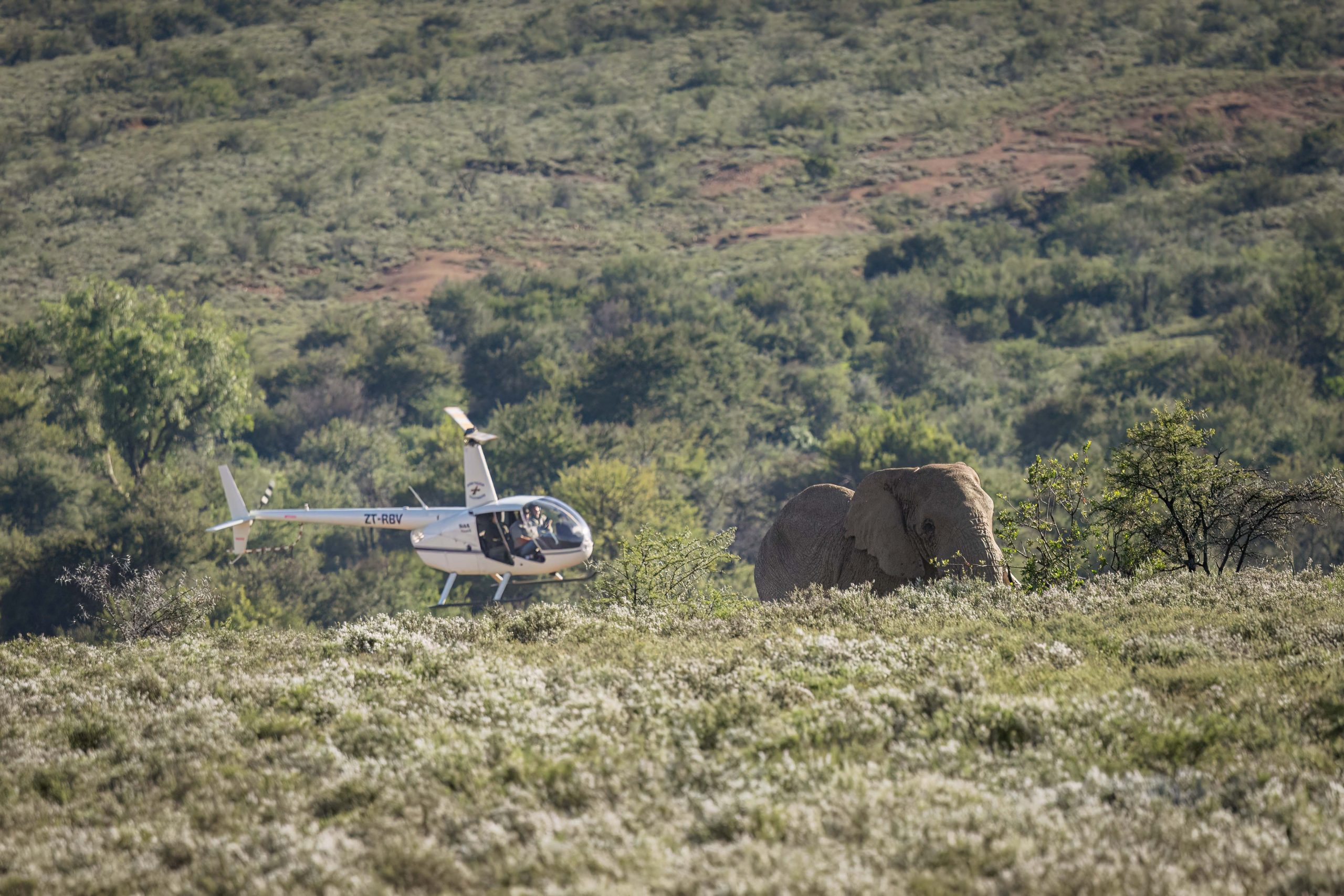
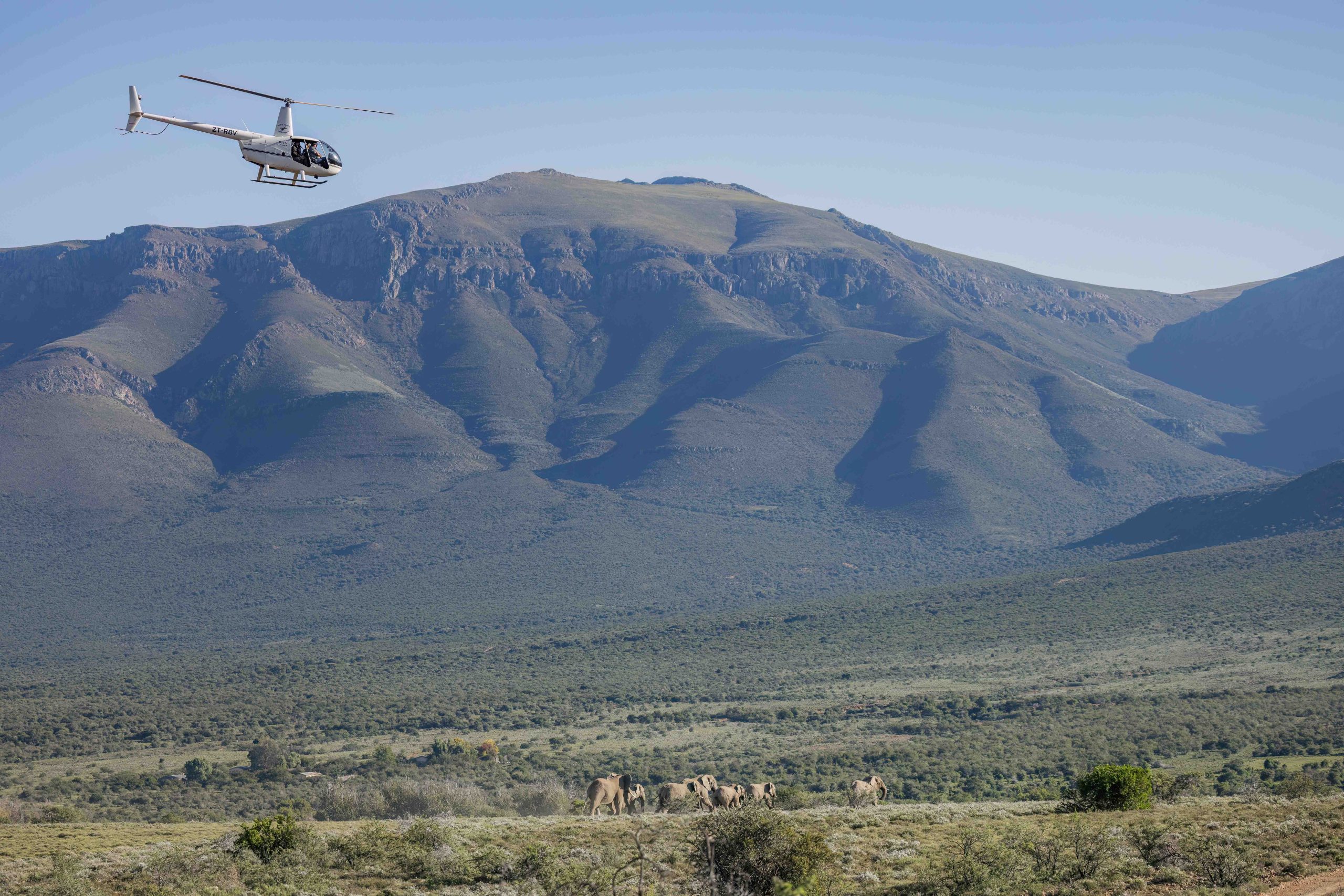
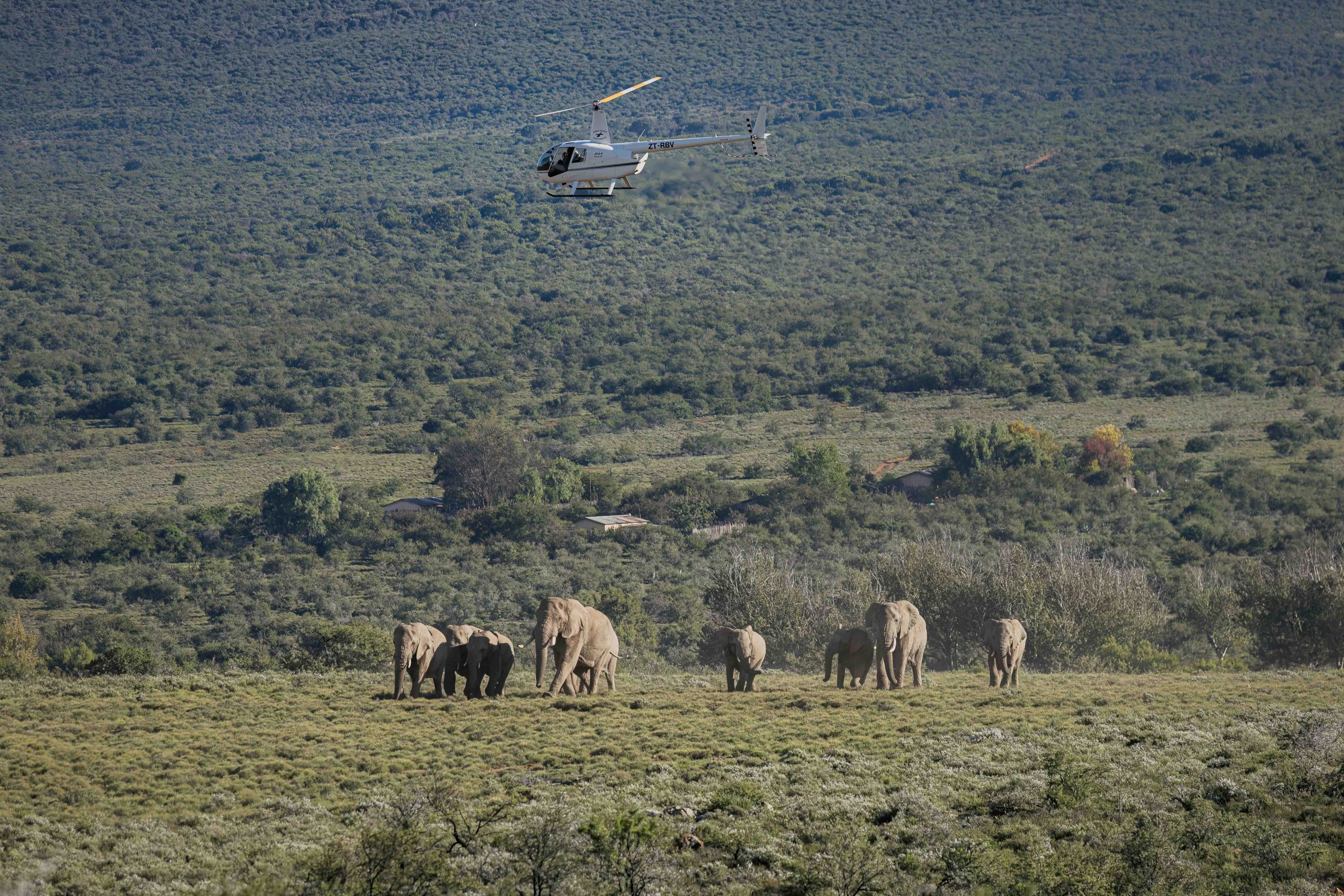
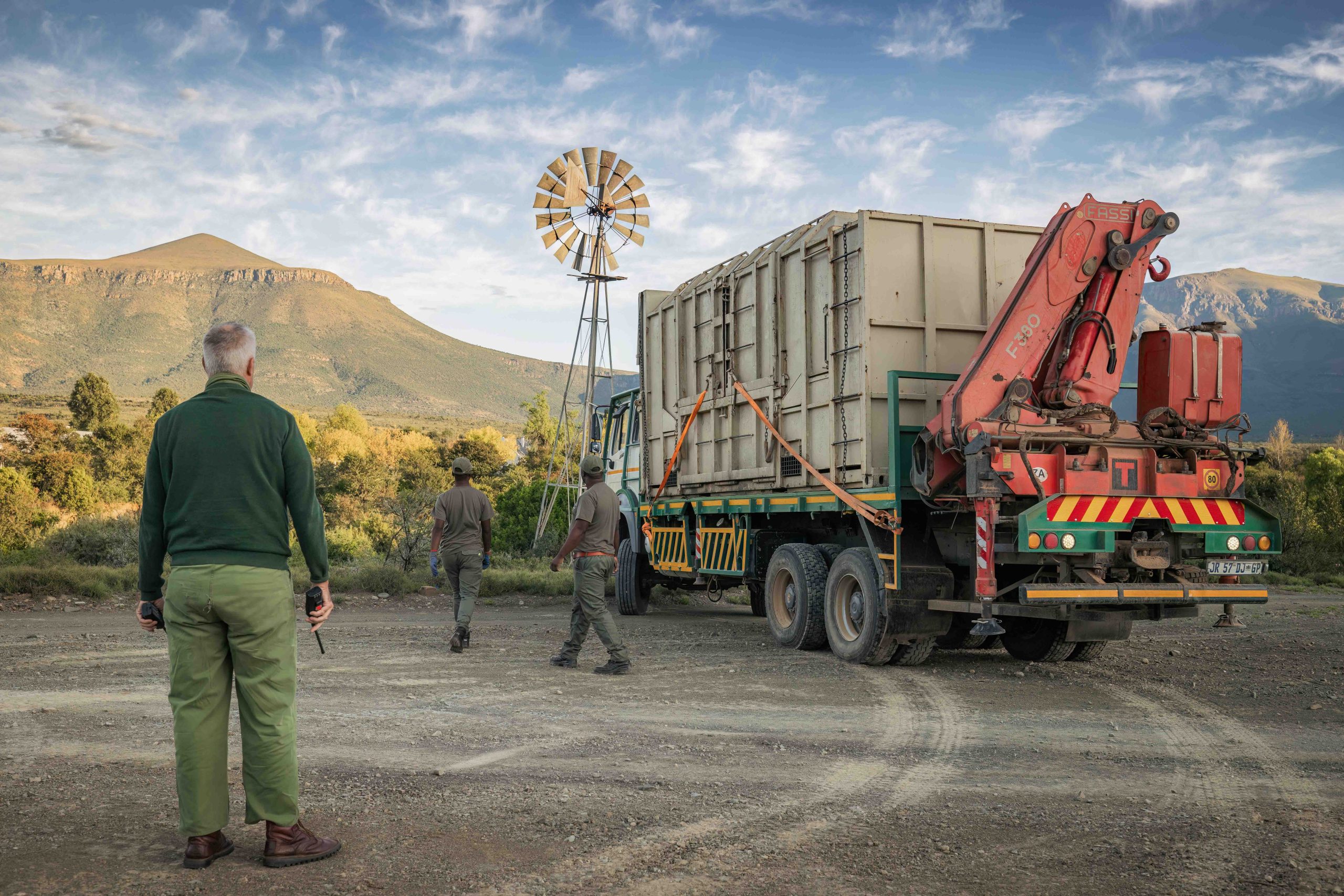
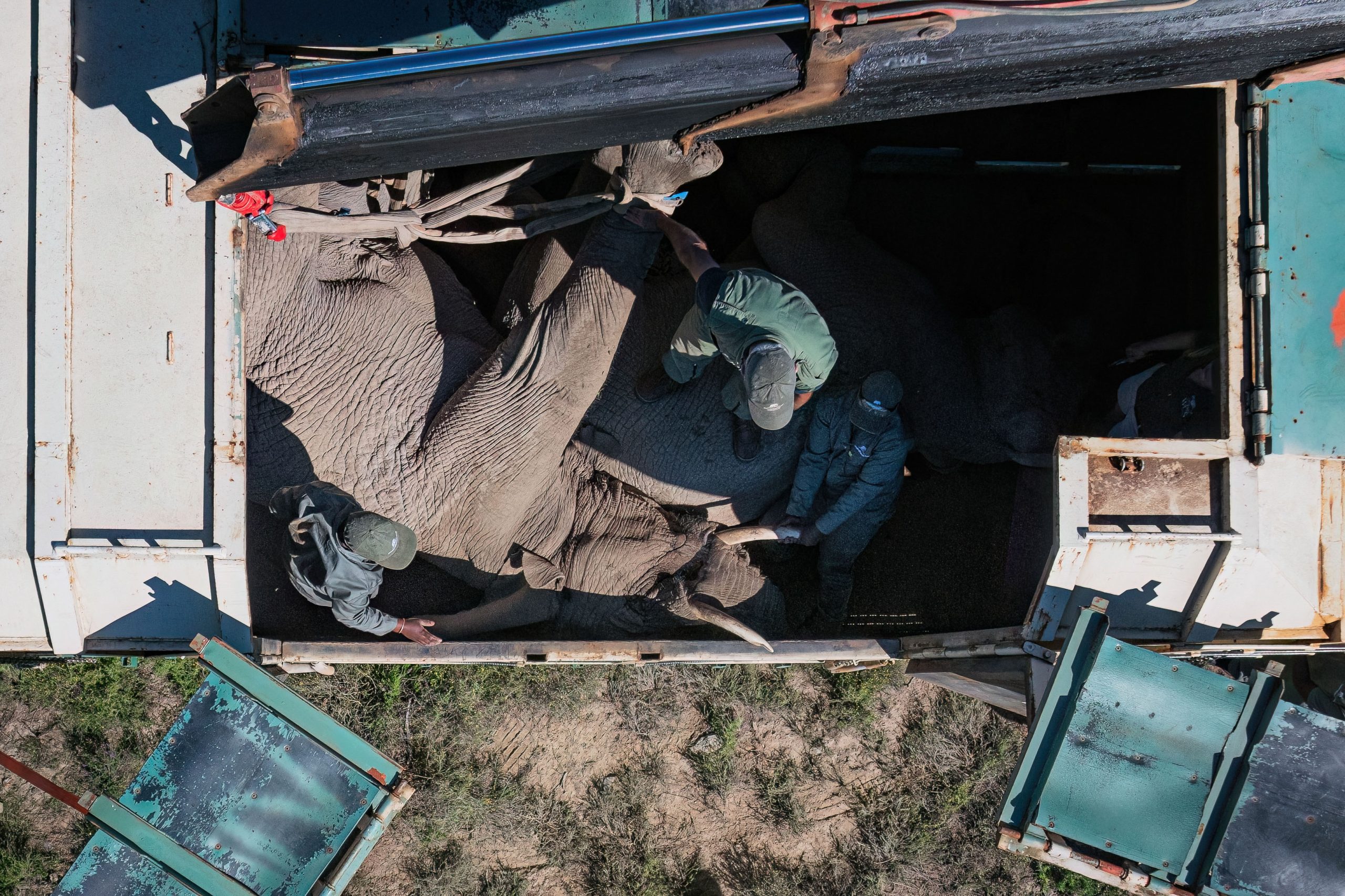
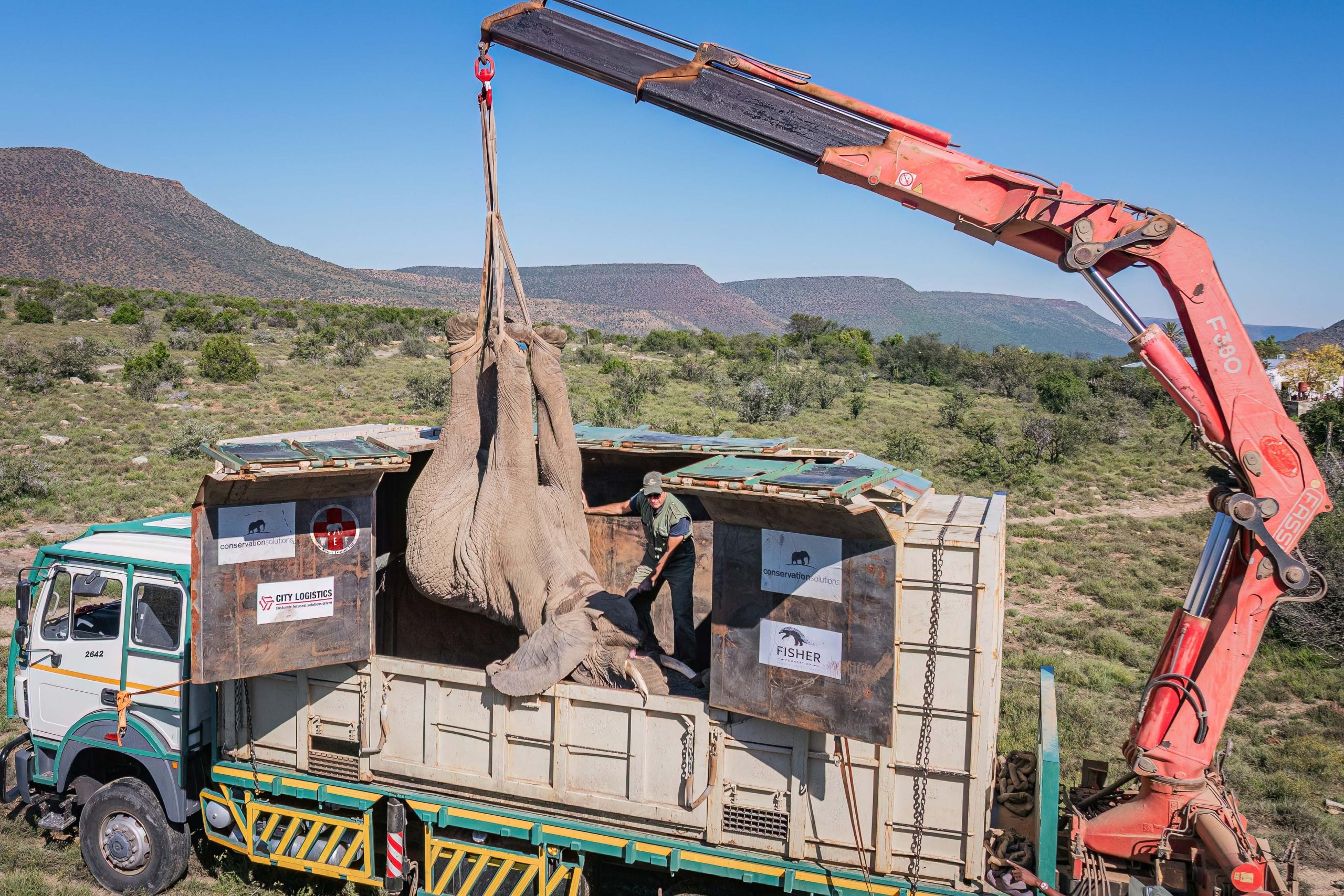
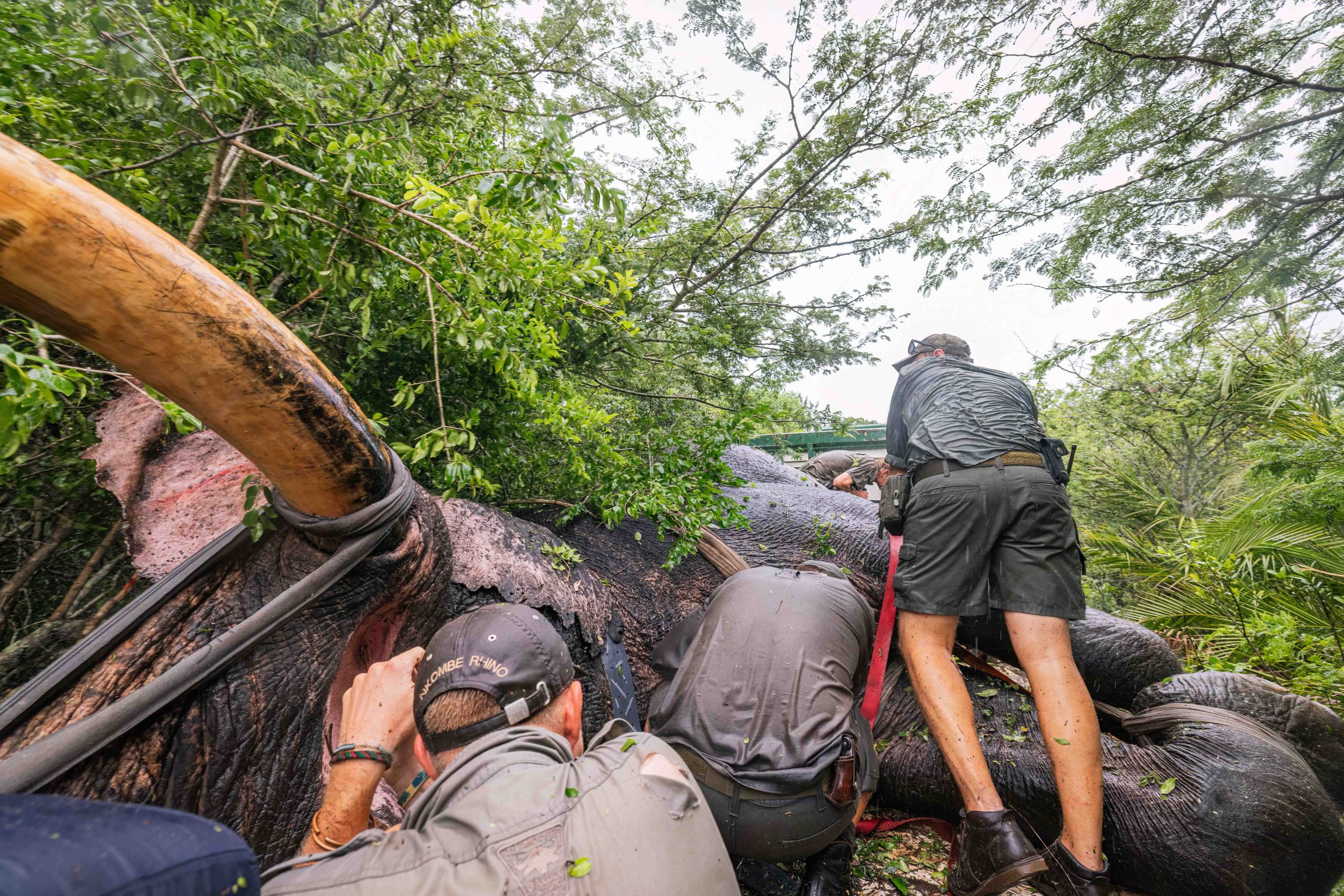
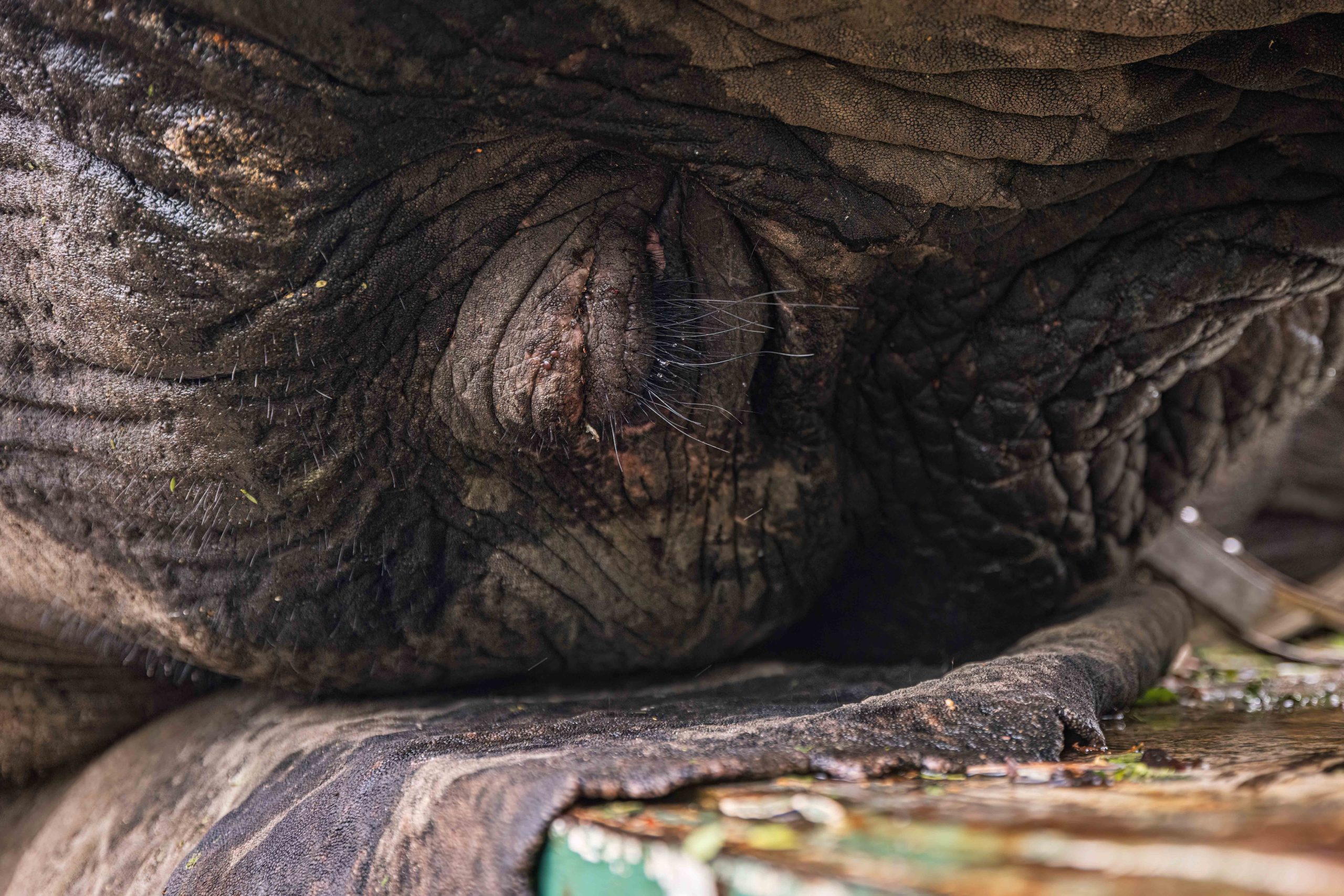
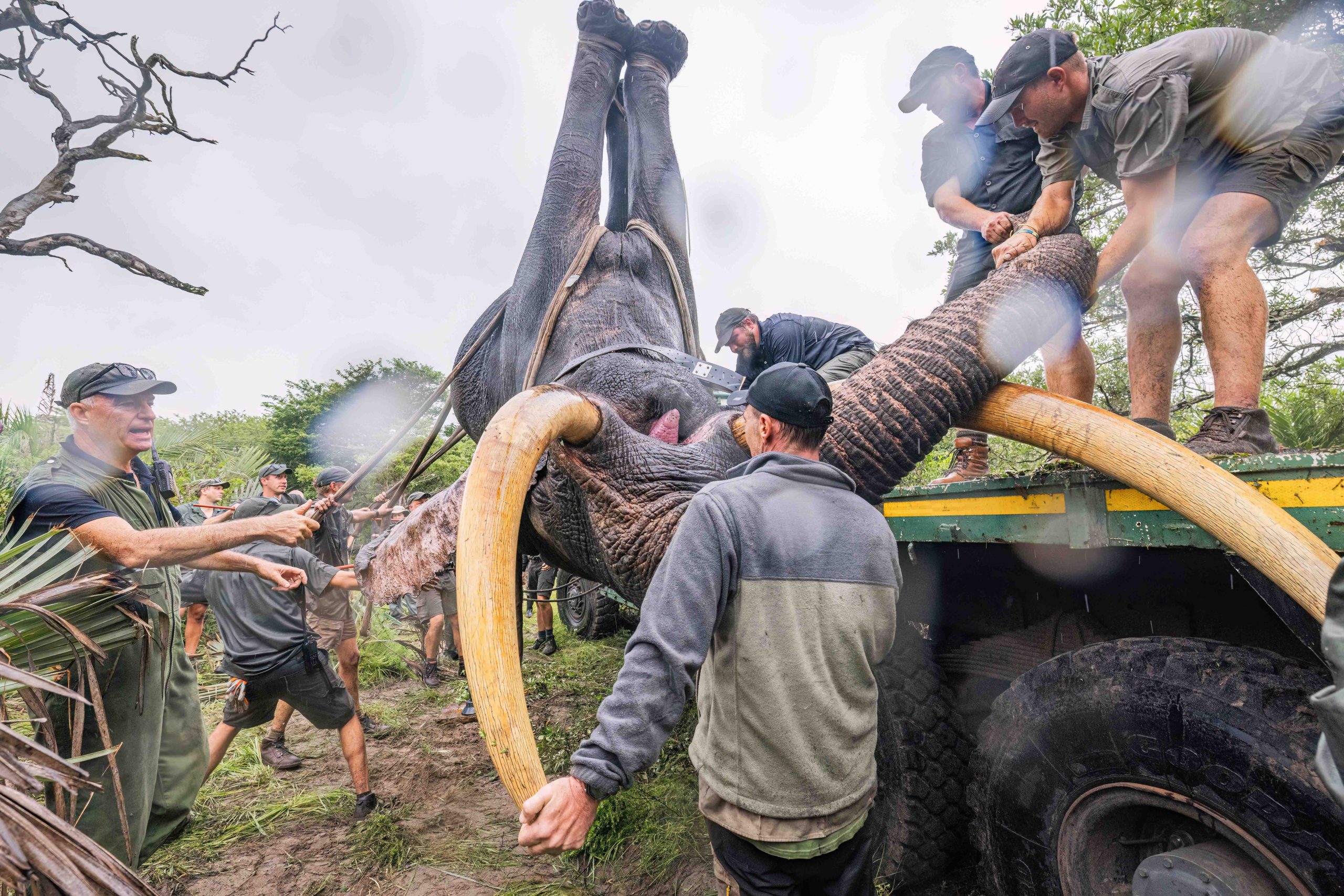
On Friday, May 9th, a cohesive family unit of five elephants was translocated from the Asante Sana Game Reserve in the Karoo to the Longhill Private Reserve in the Addo Region. The operation was carried out through a collaboration among the Fisher Foundation, the Wildlife Emergency Fund, Conservation Solutions, and the reserves. 

Due to the breeding success at Asante Sana, the reserve’s elephant population had reached its prescribed ecological carrying capacity; therefore, the decision was made to move a small family unit to ensure the long-term sustainability of the reserve. 

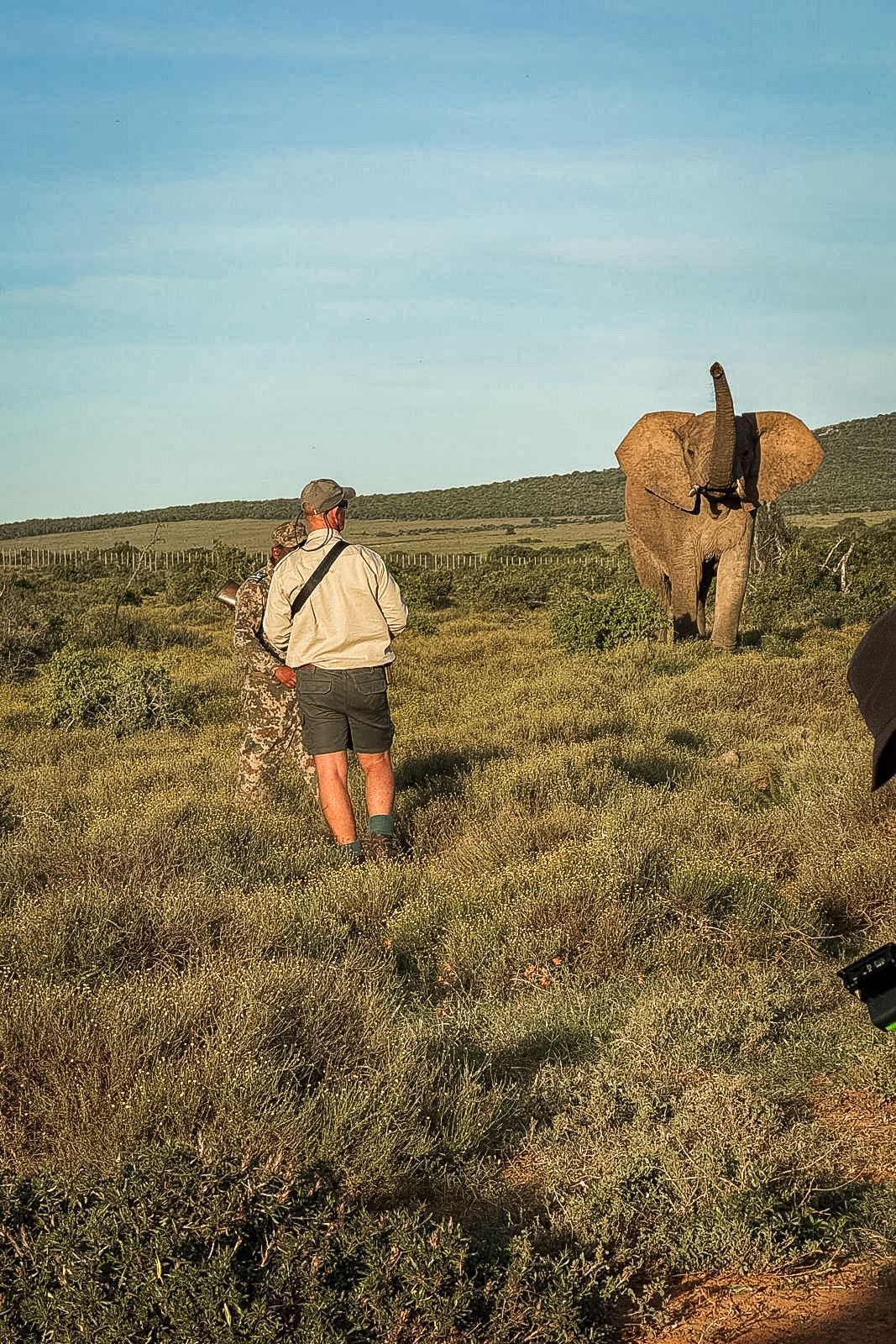
The elephant family was translocated to Longhill Private Reserve, which previously did not have elephants. This operation marks a successful expansion of elephant range in the Eastern Cape. Elephant populations are reaching their carrying capacity in many reserves in South Africa, and it is essential that more safe spaces, like Longhill, are established to secure the future of elephant populations in the country.

Longhill Reserve, under the stewardship of the Biggs family, has become a growing conservation success in the Eastern Cape. The reserve removed internal fencing in 2018 and has since reintroduced cheetah, buffalo, and other species. Longhill is positioning itself as a key conservation anchor in the Addo region, with future introductions such as rhino and brown hyena on the horizon.

An operation of this size requires a highly specialized and experienced team. The operation was led by capture veteran Kester Vickery and the team from the Wildlife Emergency Fund, while Dr. Annie Mears and Dr. Brendan Tindall provided veterinary expertise. Critical funding support was provided by the Fisher Foundation. 

Dereck Milburn, Director of the Wildlife Emergency Fund, said, “We are thankful that the operation went well and that the range for elephants continues to expand in the Eastern Cape. Without reserves such as Asante Sana and Longhill Private Reserve, the elephant populations in South Africa would be at risk in the long term.”

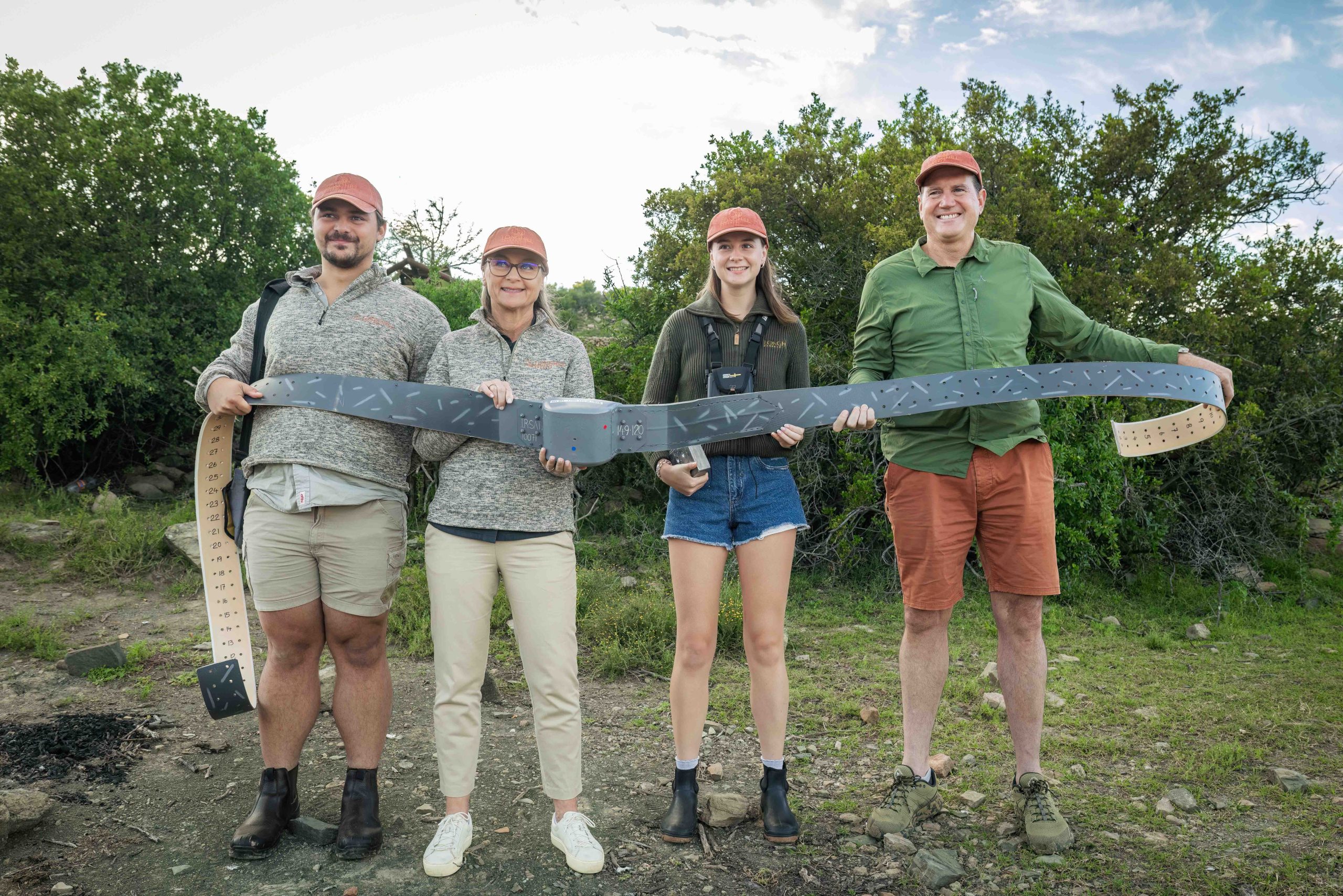
The matriarch of the herd was fitted with a GPS collar so the herd can be tracked daily to ensure their safety and well-being after their journey. They have settled in well, are making good use of their new home, and have already found favorite feeding areas.

Partners & Collaborators

WEF Asante Sana Elephants Logos (1)

Photography:  © Wiki West

JOIN THE FRONTLINES

© 2026 All Rights Reserved. Powered by Mosquito Media.

42 Elephants Relocated to a New Section of Addo Elephant National Park

42 Elephants Relocated to a New Section of Addo Elephant National Park

42 Elephants Relocated to a New Section of Addo Elephant National Park

The Wildlife Emergency Fund (WEF) team is often called to be part of specialist capture teams in complex operations across Africa. Recently, some WEF members were requested to join an experienced capture team at Addo Elephant National Park, where 42 elephants were translocated to a new section of the park.

The elephants were captured in the Main Camp section and subsequently transported to the newly fenced Kabouga Section. This was part of Addo’s range expansion strategy for the park’s elephant and black rhino populations.

The operation was funded by the Global Humane Conservation Fund of Africa and was implemented in partnership with SANParks. WEF provided technical input during the project’s planning phase and offered technical expertise throughout the capture process, particularly in the recovery and loading of the elephants.

The operation was a significant success, and the elephants were fitted with satellite collars that allow them to be monitored on an ongoing basis to ensure their safety and well-being.

JOIN THE FRONTLINES

© 2026 All Rights Reserved. Powered by Mosquito Media.

Tusker Destruction Averted

Tusker Destruction Averted

Tusker Destruction Averted

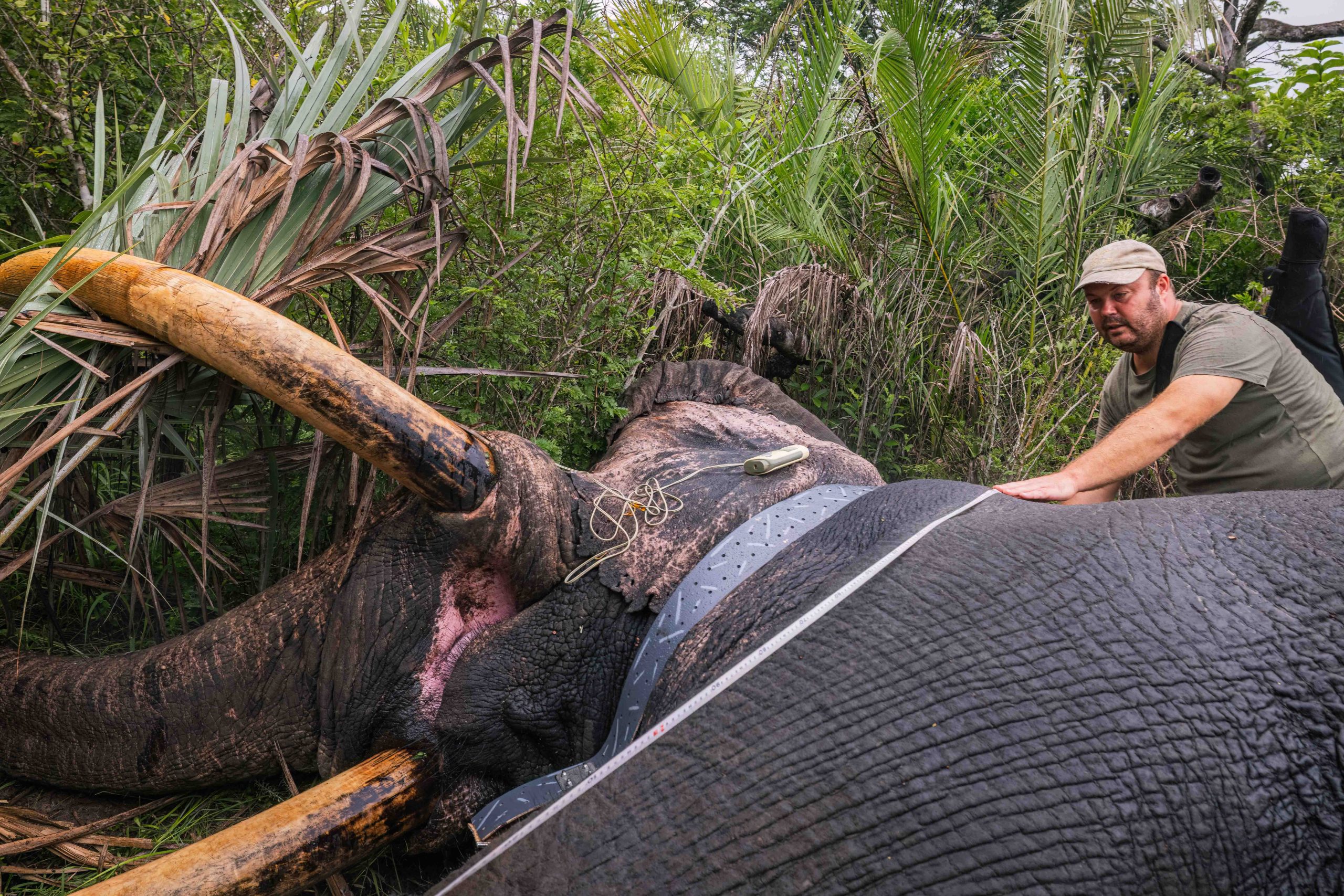
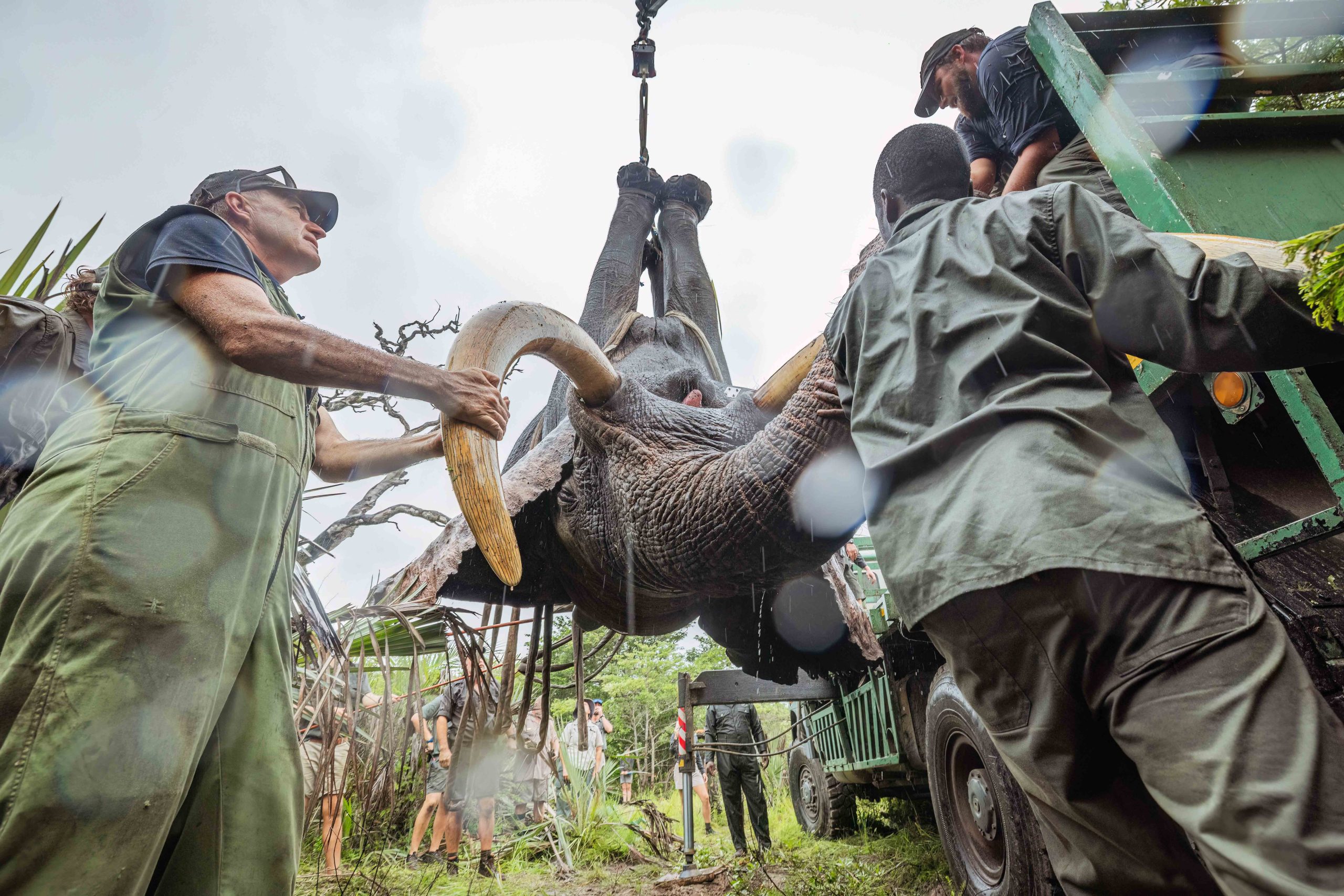
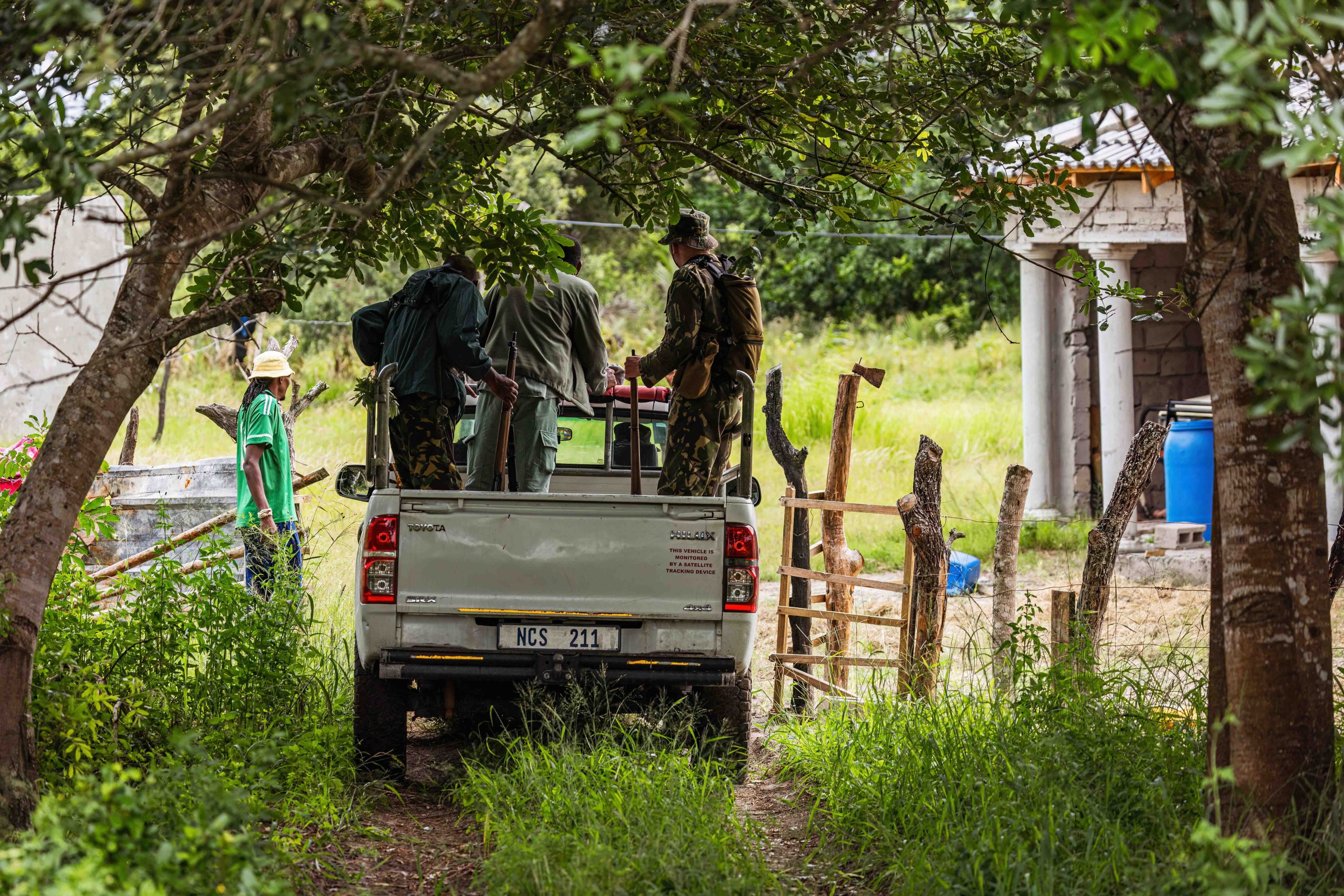
In northern Zululand, near the Mozambique border, a multi-disciplinary team races against time. The sun rises over the Indian Ocean, misty with the threat of rain—bad for the beach, perfect for moving a giant.

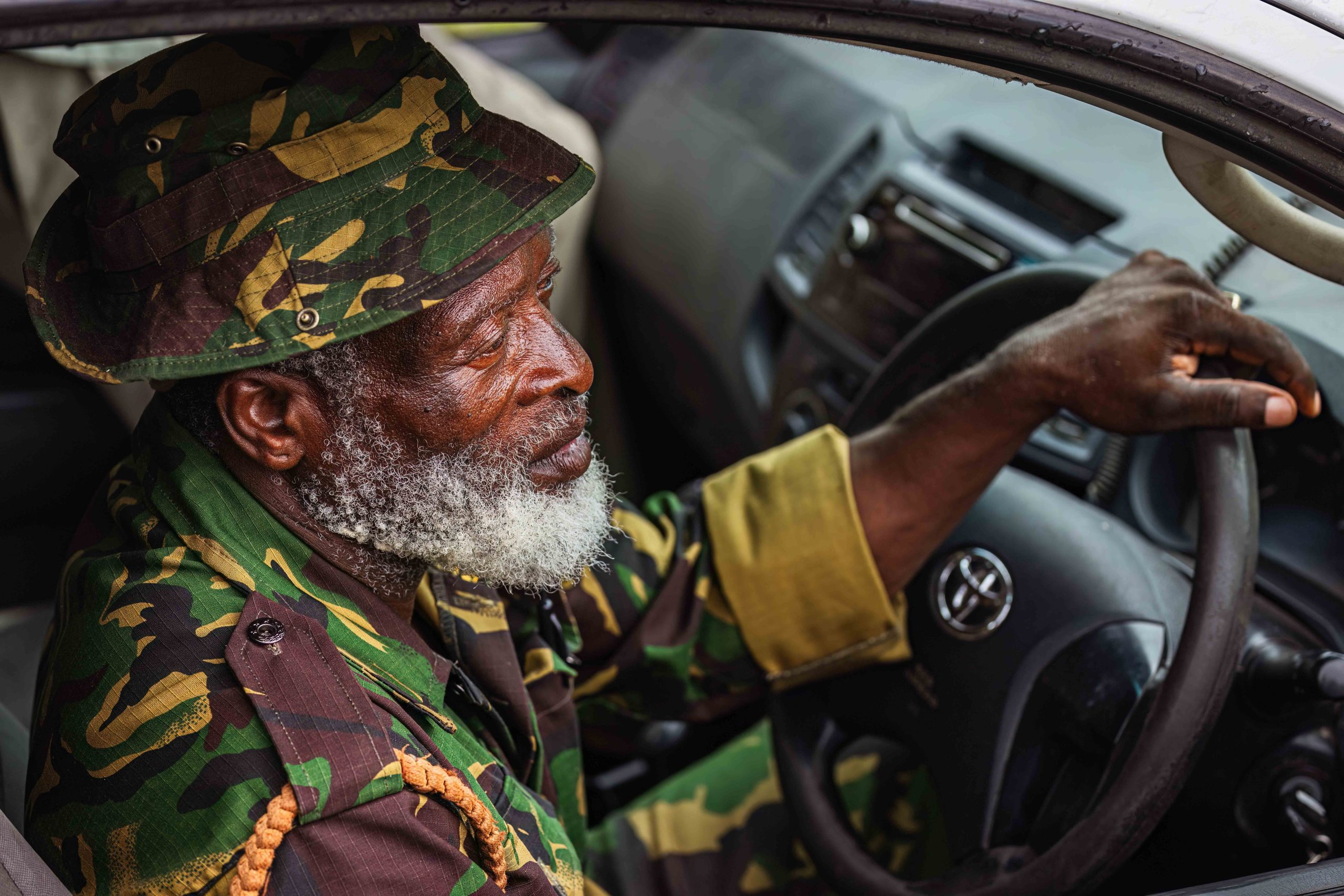
Life in rural South Africa is slower, shaped by realities absent from cities. Running water, data, and electricity are luxuries. Wildlife like leopards, crocodiles, and snakes are a daily presence.

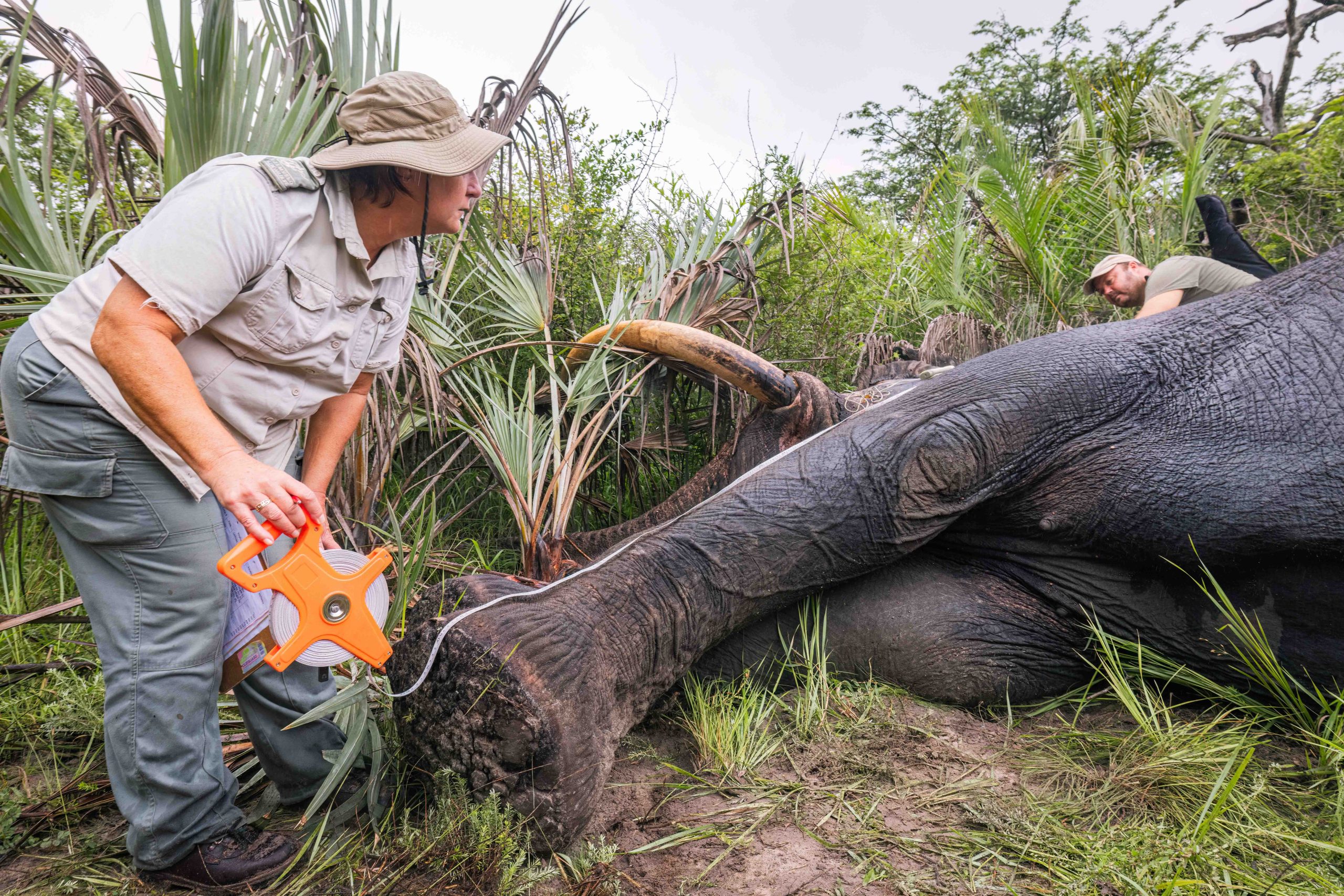
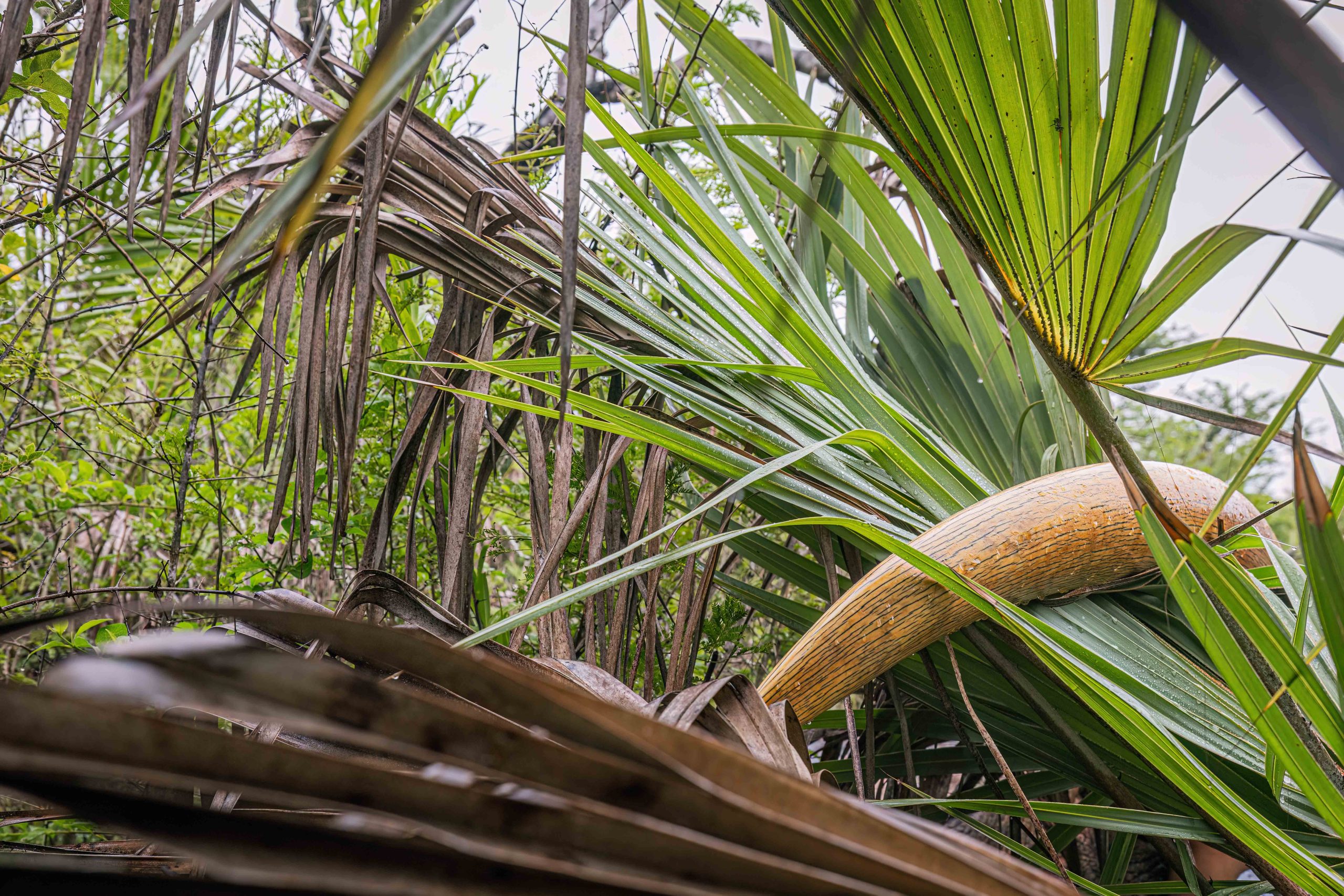
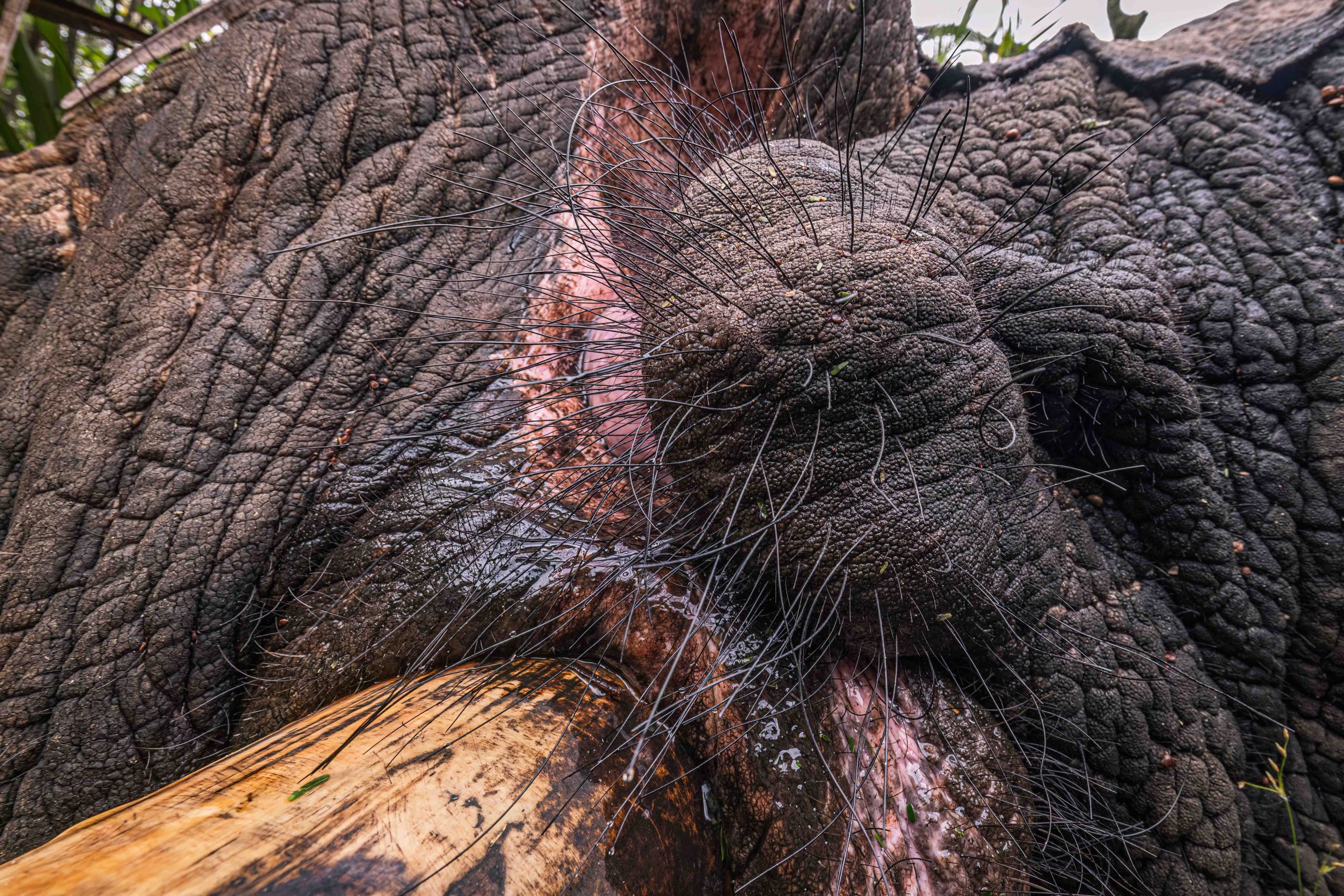
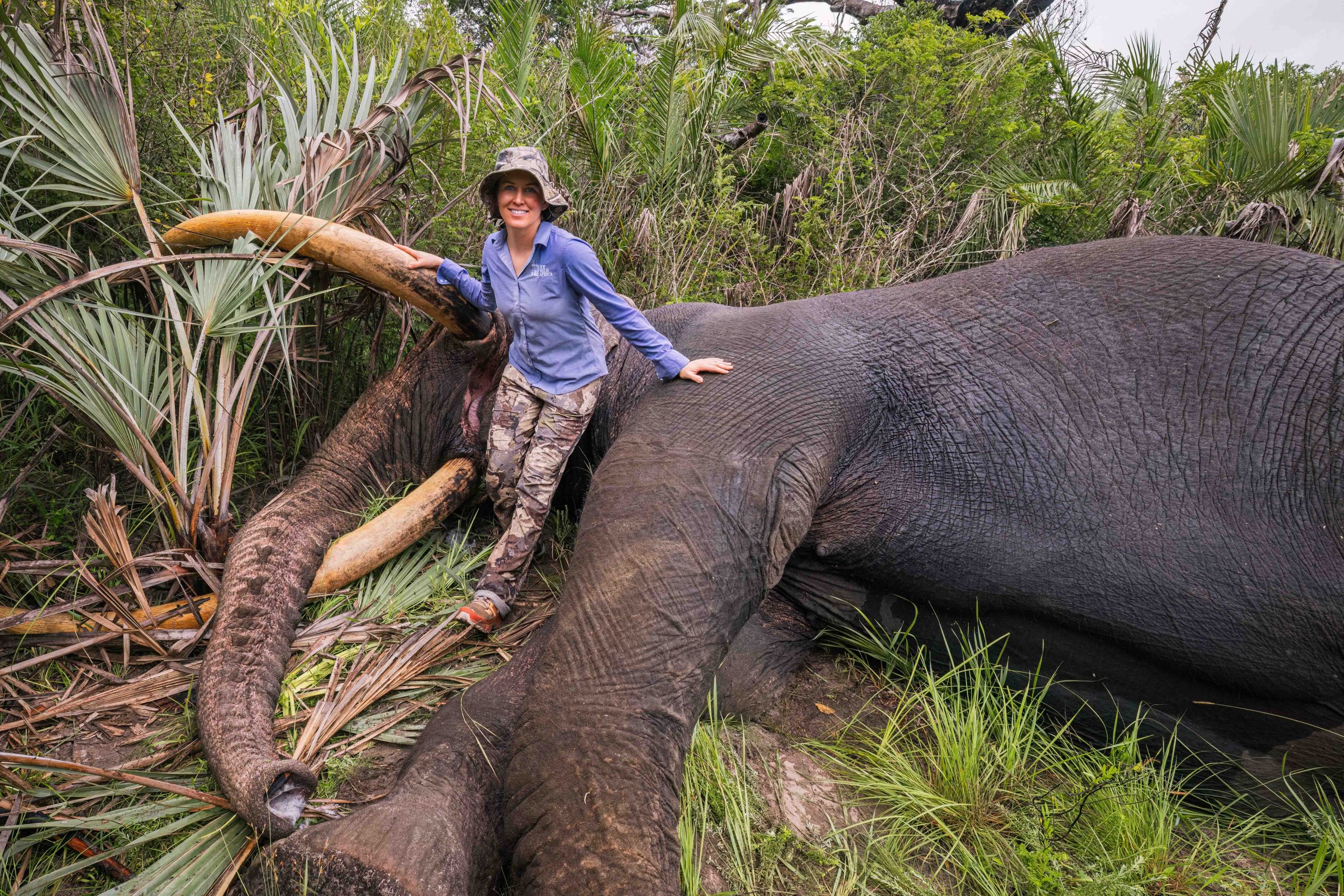
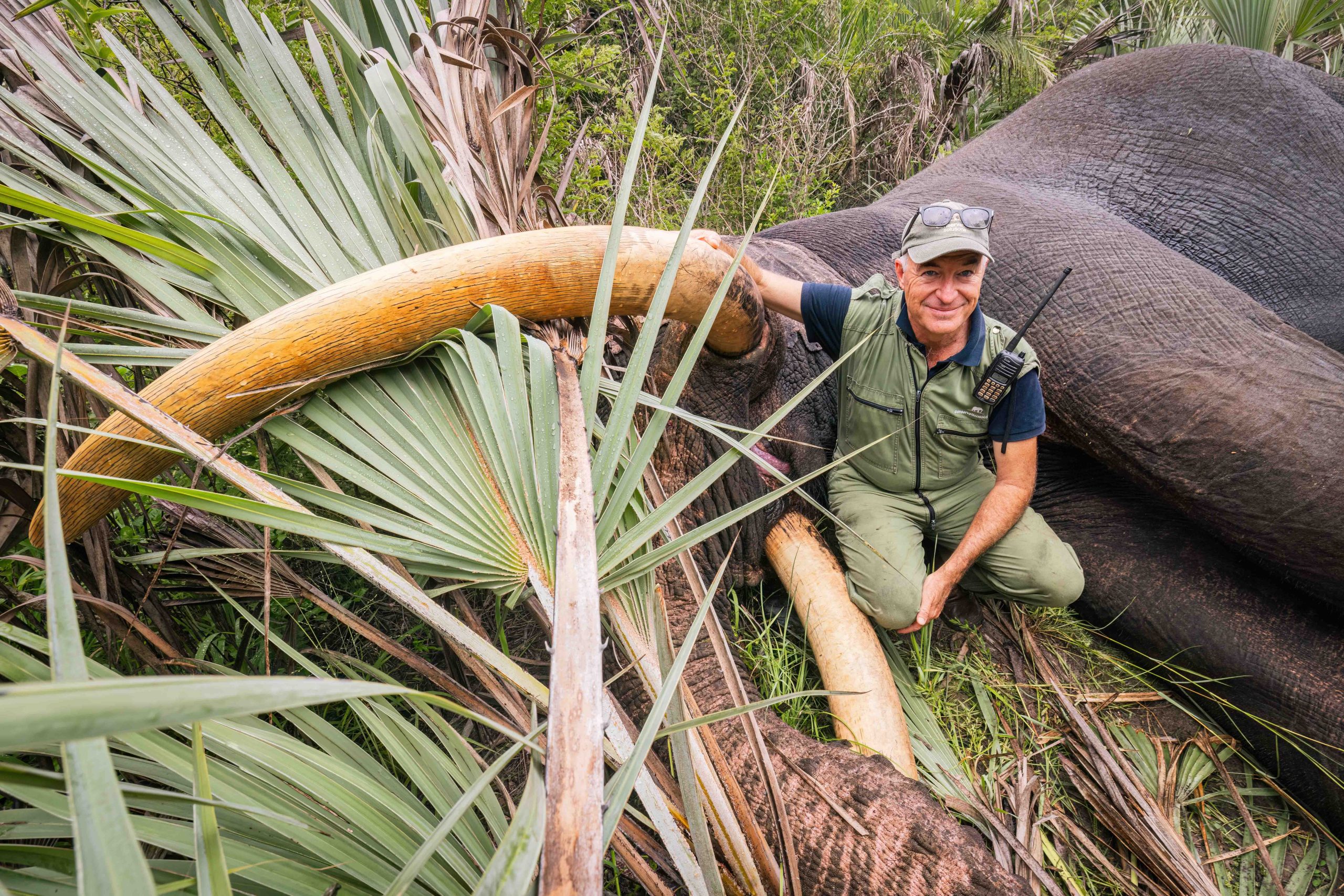
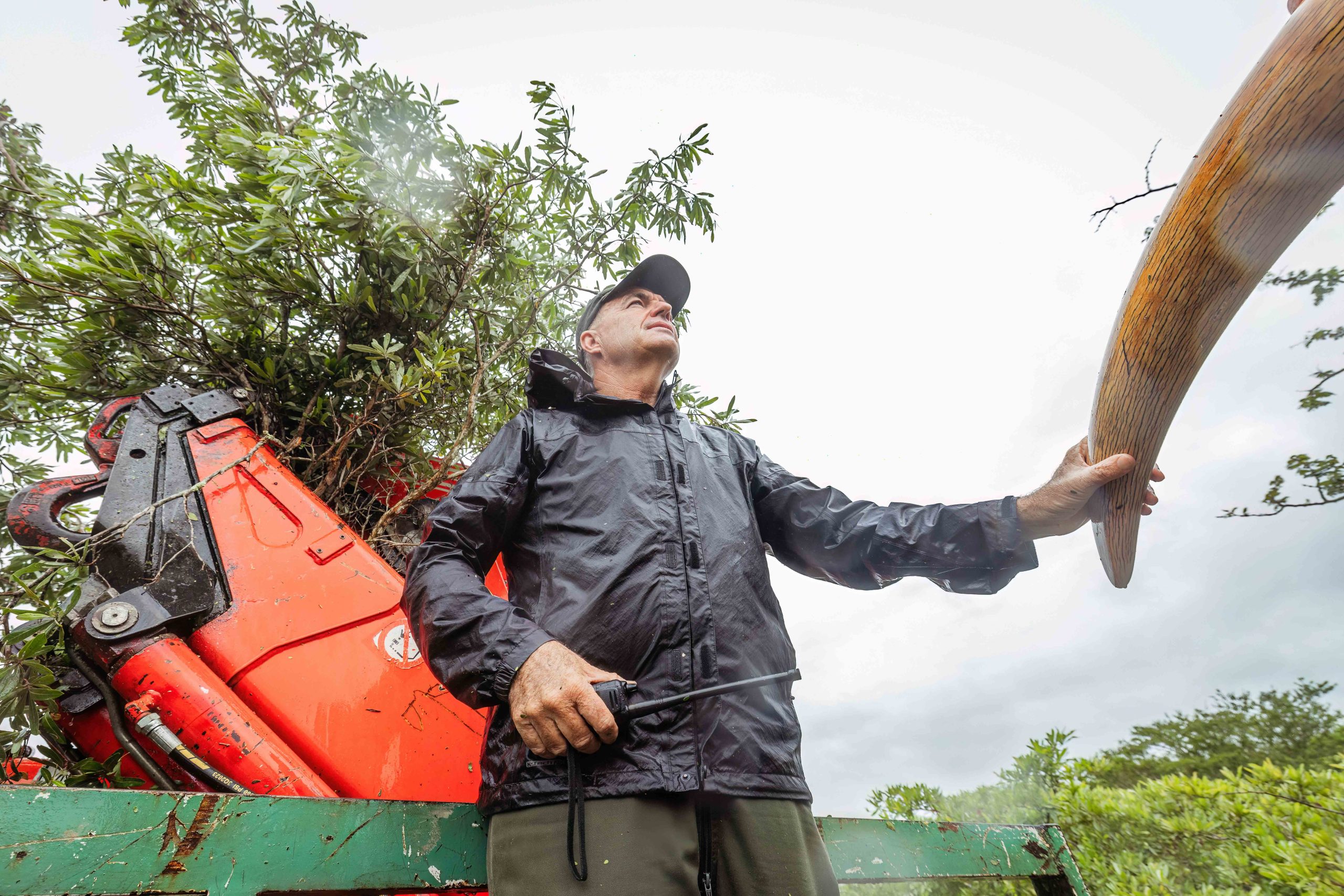
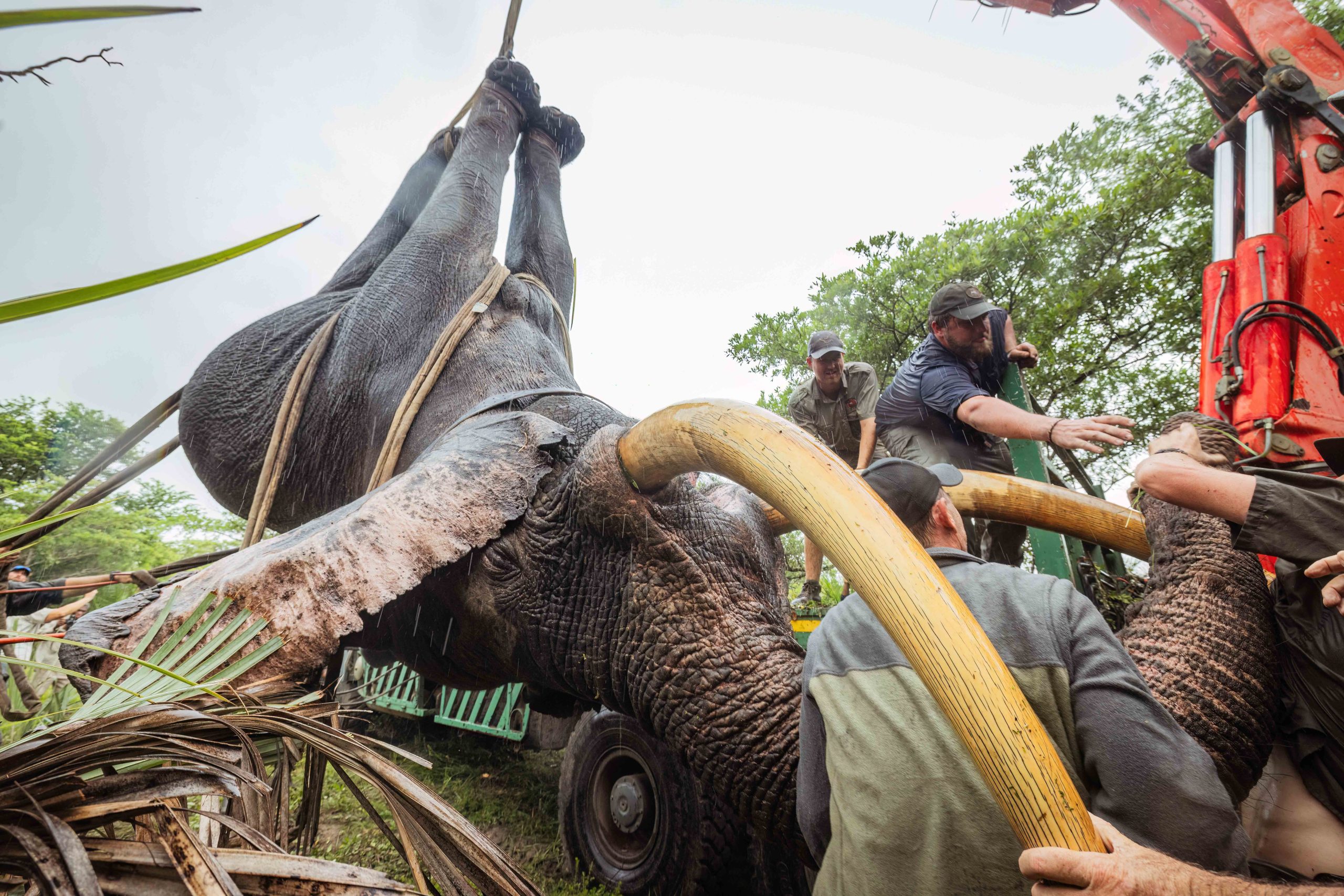
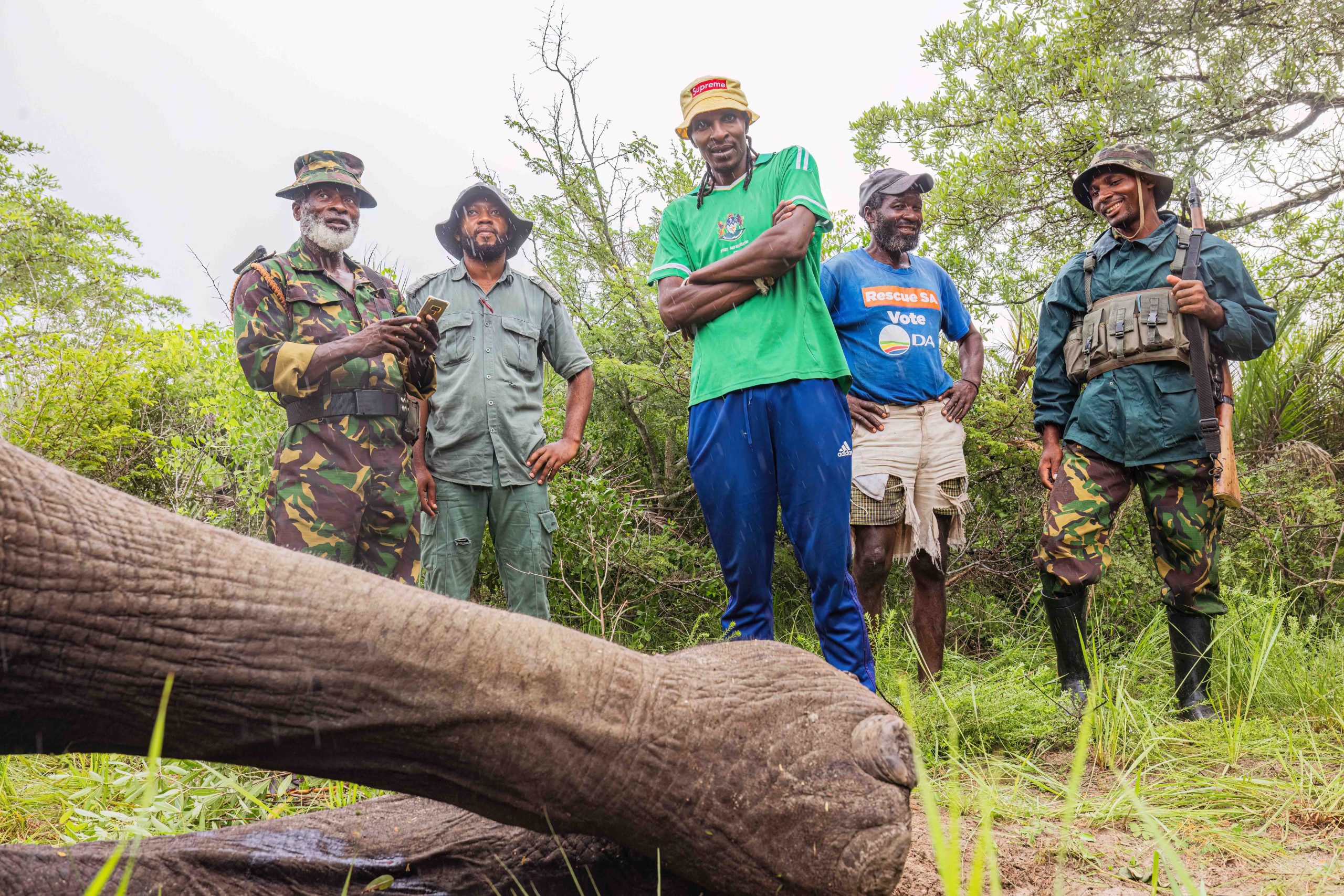
At Tembe Elephant Park, one 120-pounder (50 kg per tusk) has become a problem elephant, breaking fences and raiding crops. Electric fences are a psychological barrier, but once breached, containment is nearly impossible.

For the community living in the area, the damage is devastating. Imagine spending months tending your subsistence garden, sweet potatoes, mielies and green peppers, only to find it ravaged one morning, a light snack for the roaming pachyderm. Or worse, stumbling on this wayward elephant in the middle of the night or early morning. Human fatalities due to elephants are rare, but have happened in South Africa. With destruction looming, relocation was the only option—but moving a six-ton elephant is no small task.

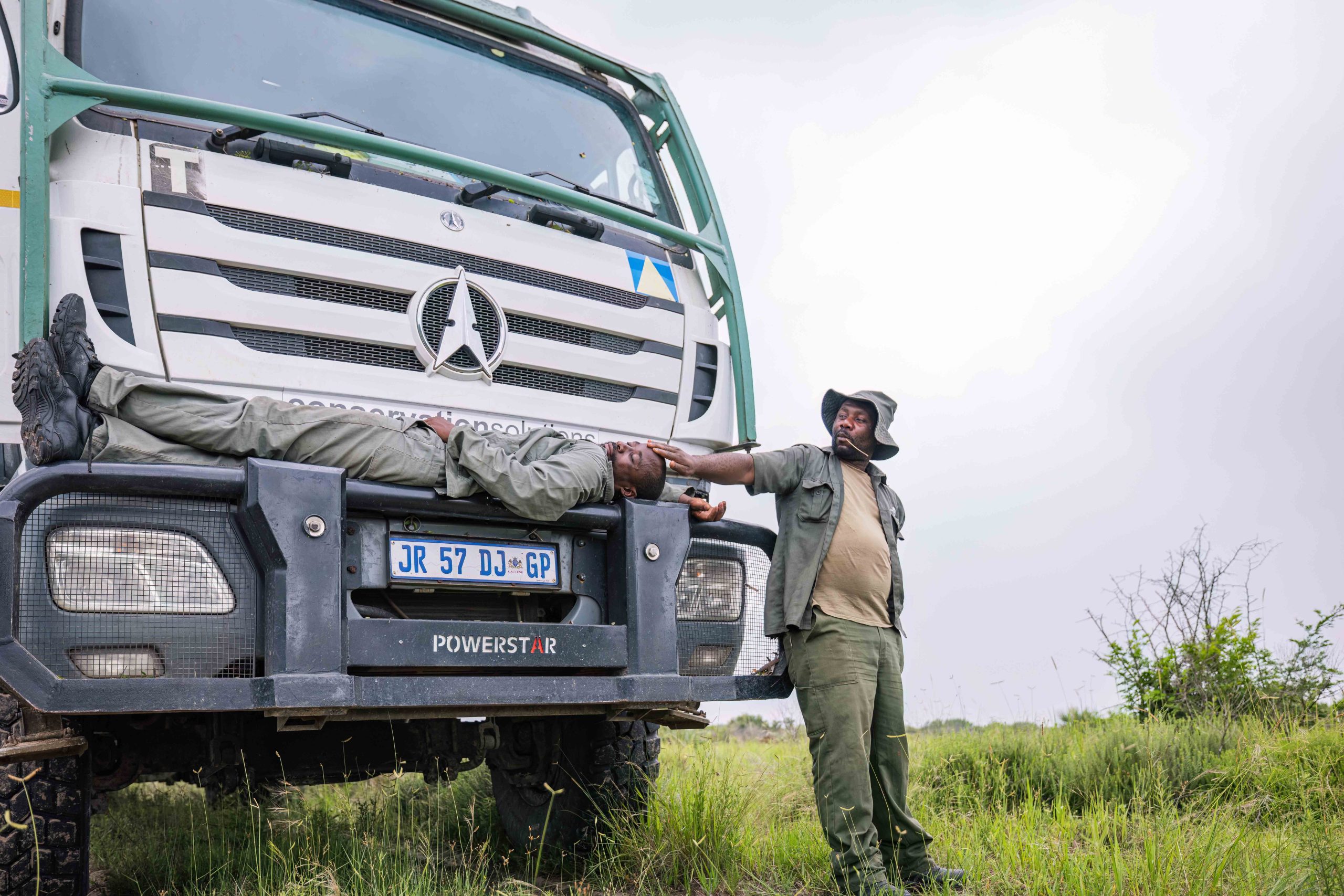
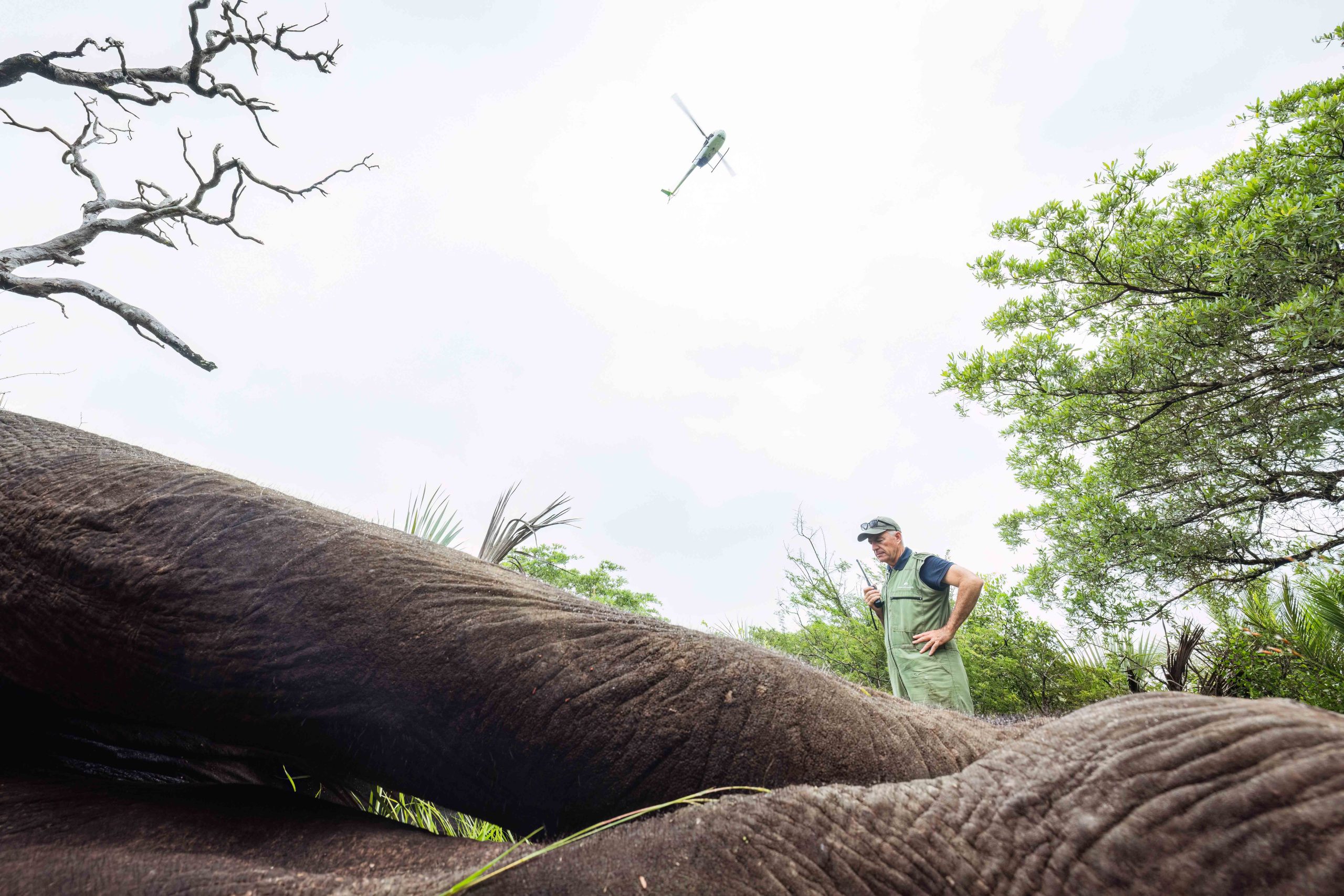
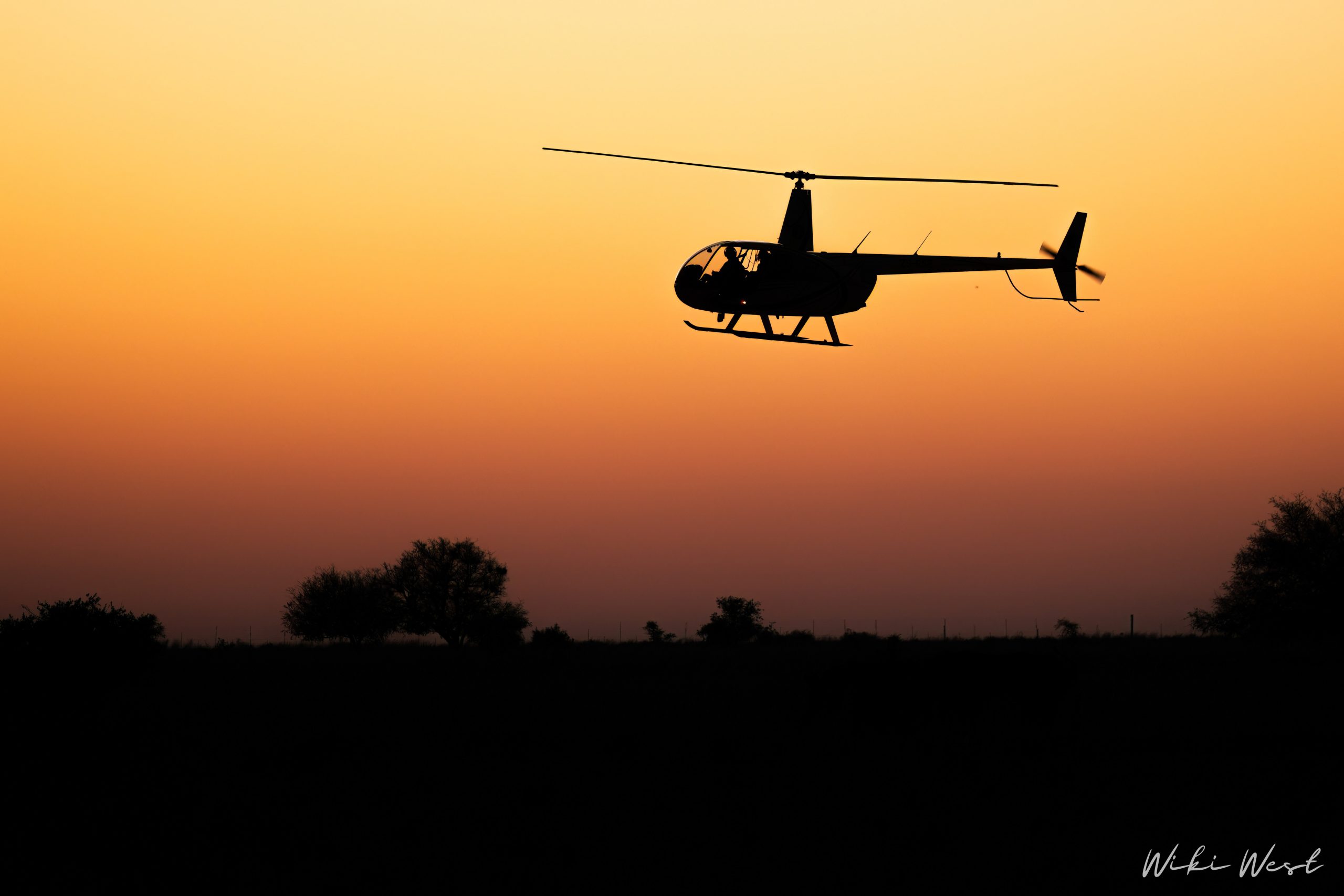
A team from Ezemvelo Wildlife Game Capture, Conservation Solutions, Phinda Reserve, and WeWild Africa assembled at 5am. An R44 helicopter, two semi-trucks, multiple 4x4s, and a thermal drone were deployed. 

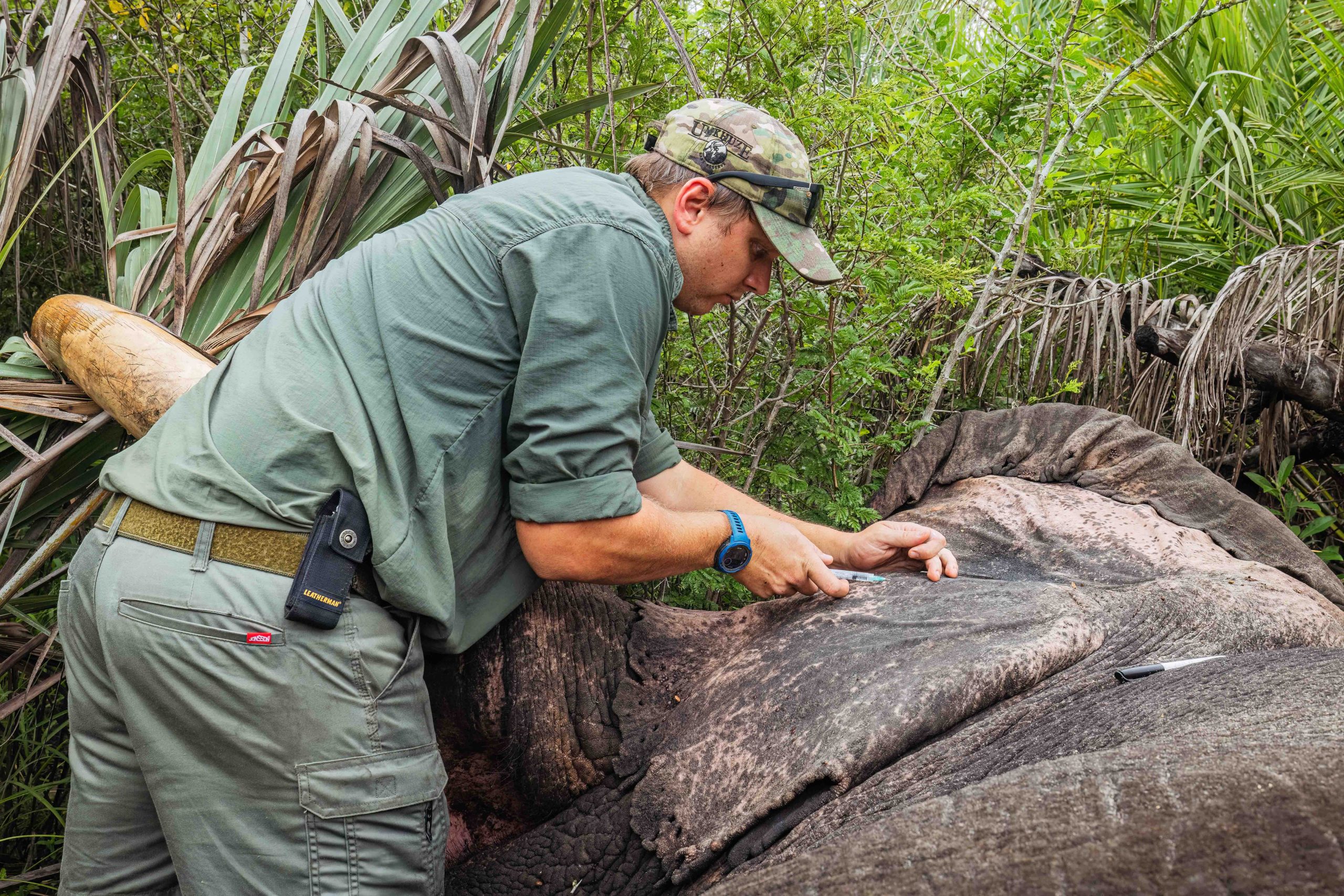
After five hours of tracking, the chopper and drone finally located the elephant. Despite sirens and attempting to corral it to the open, it kept retreating into thick vegetation.  Once the veterinarian darted the elephant, the clock started ticking.

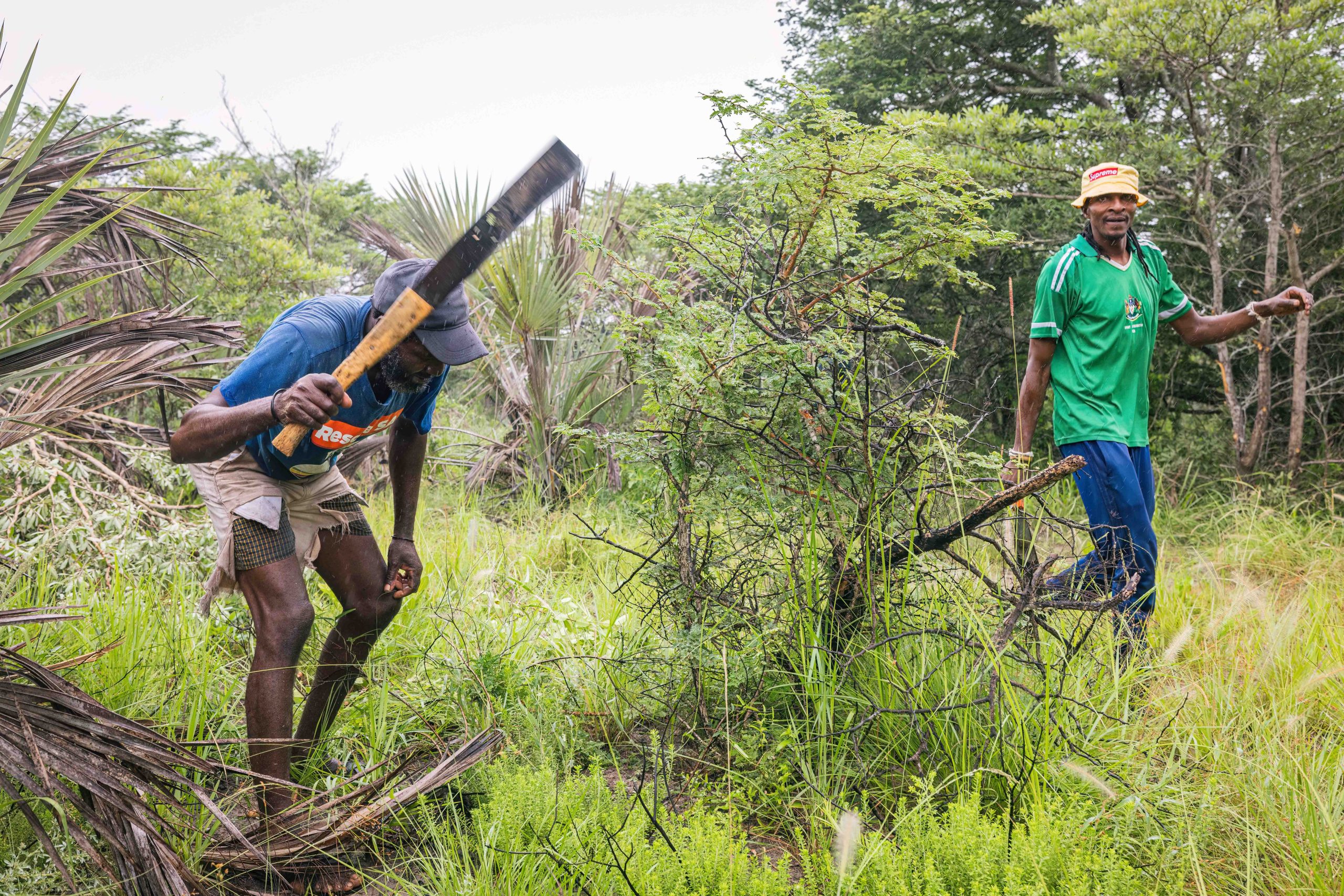
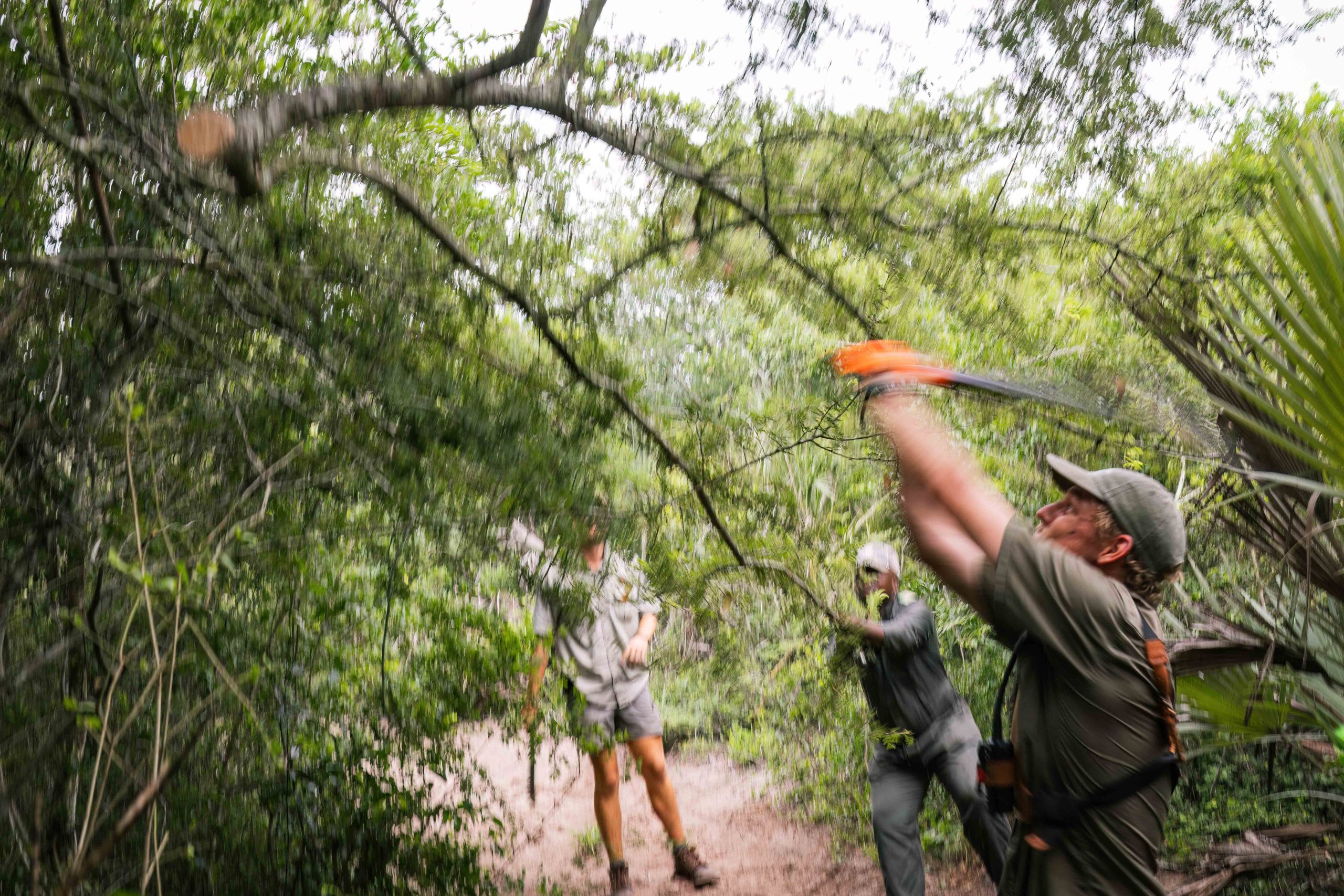
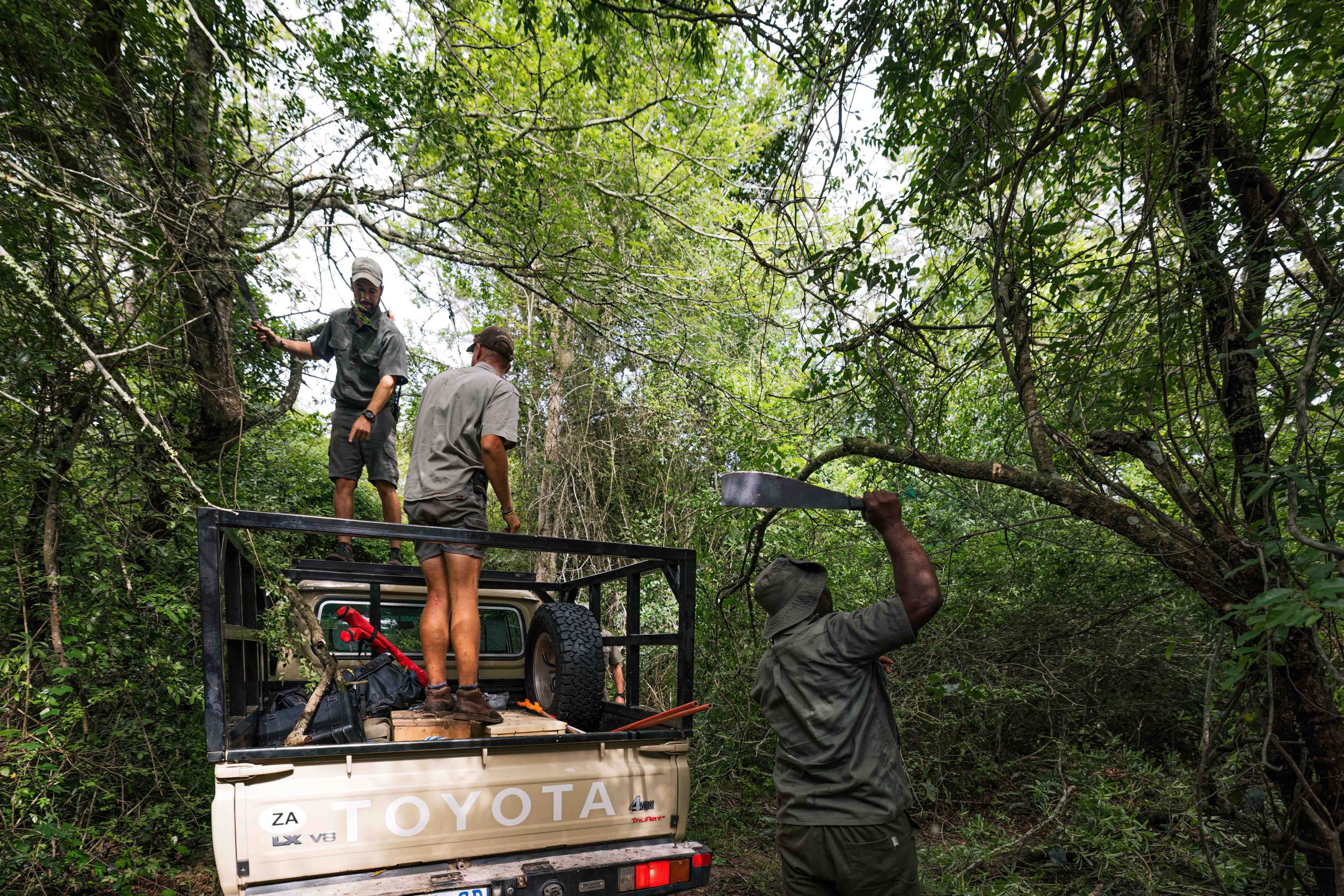
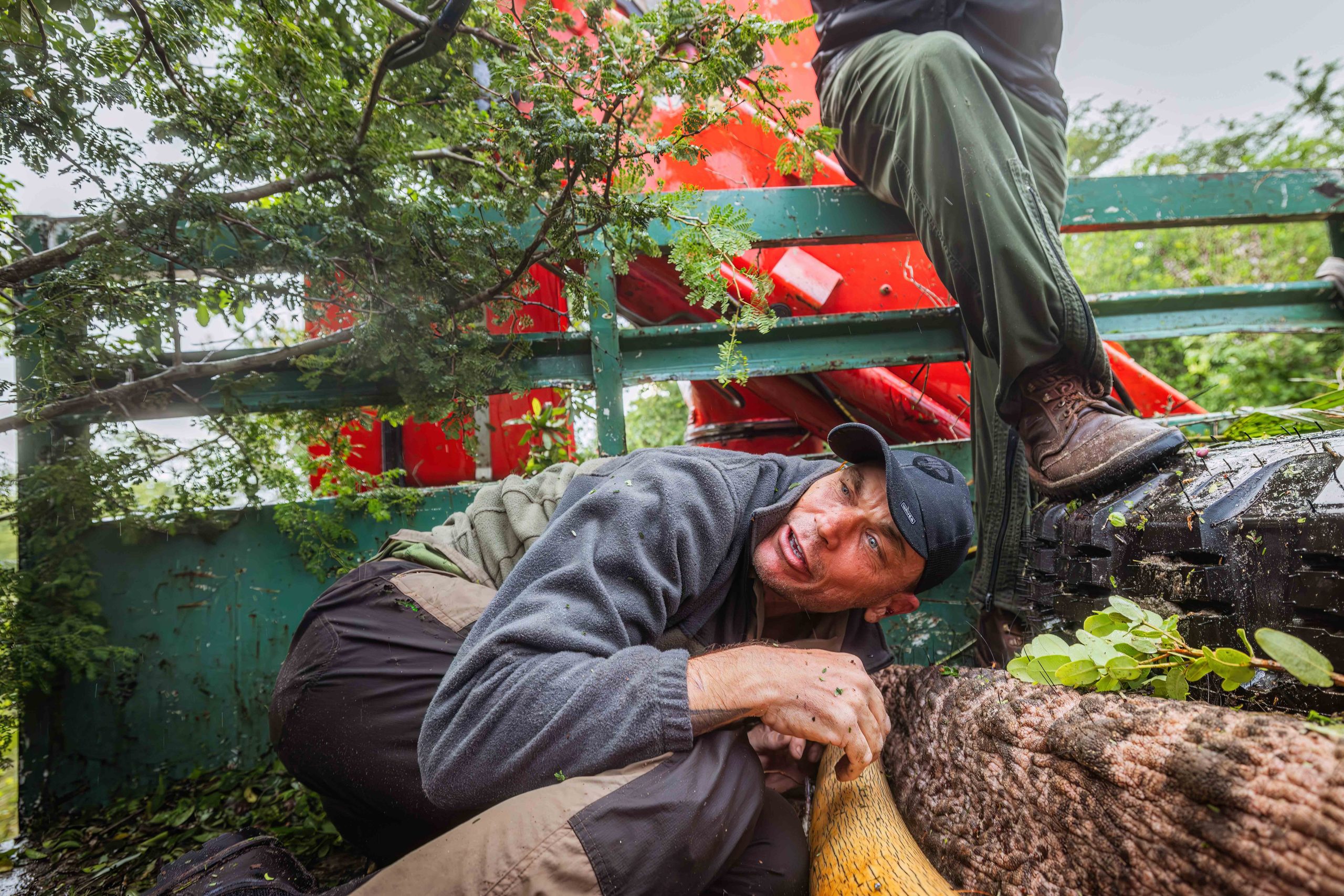
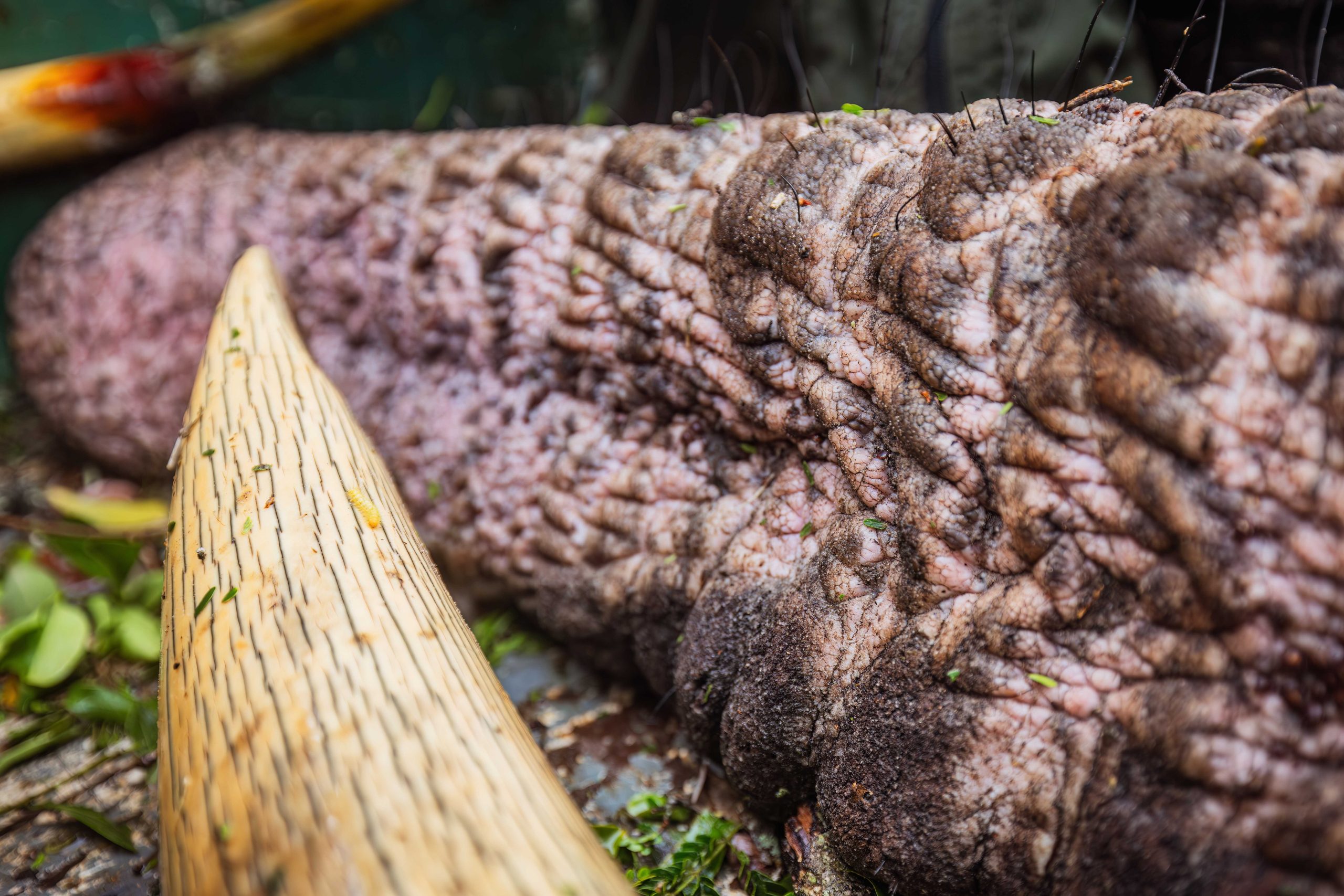
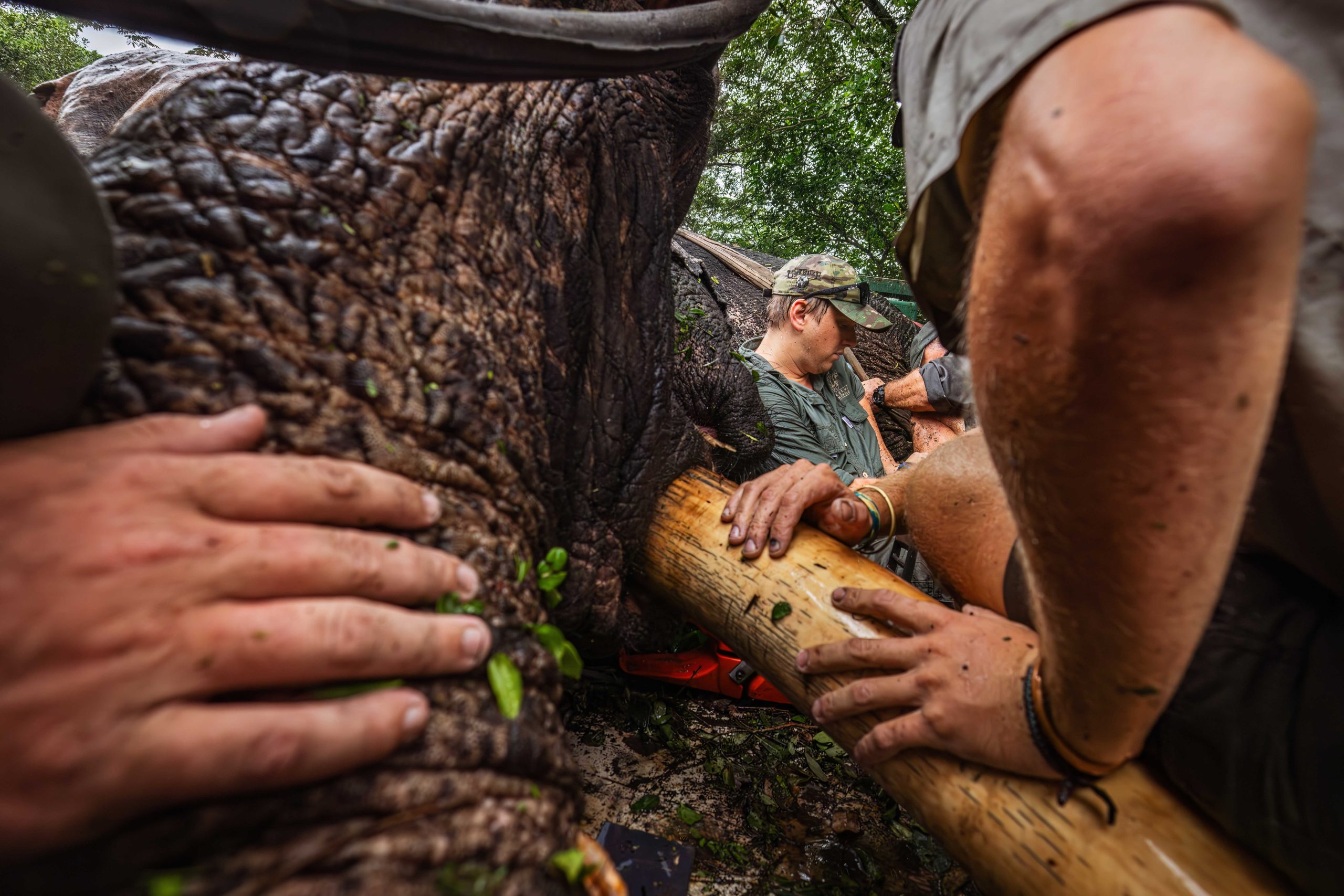
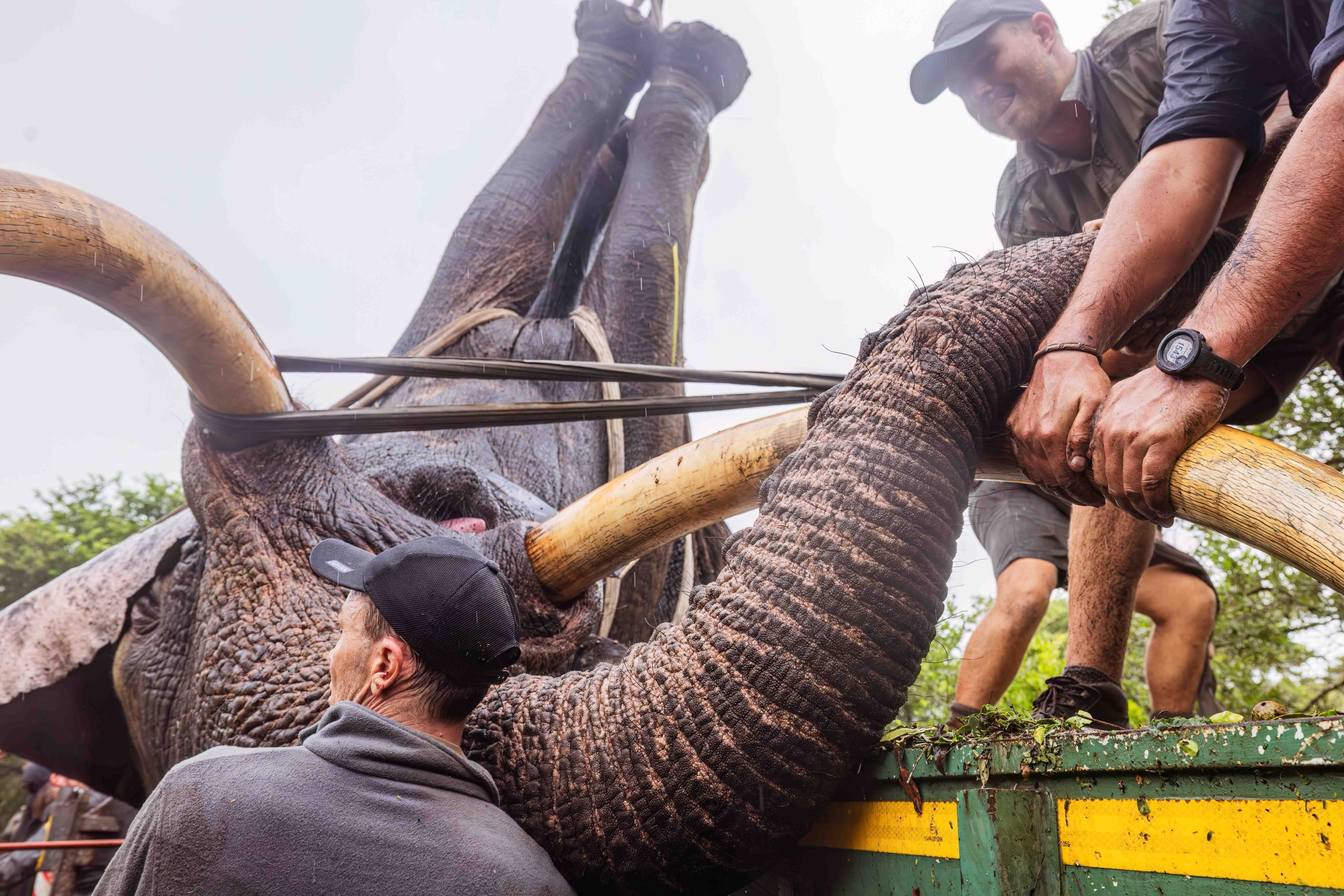
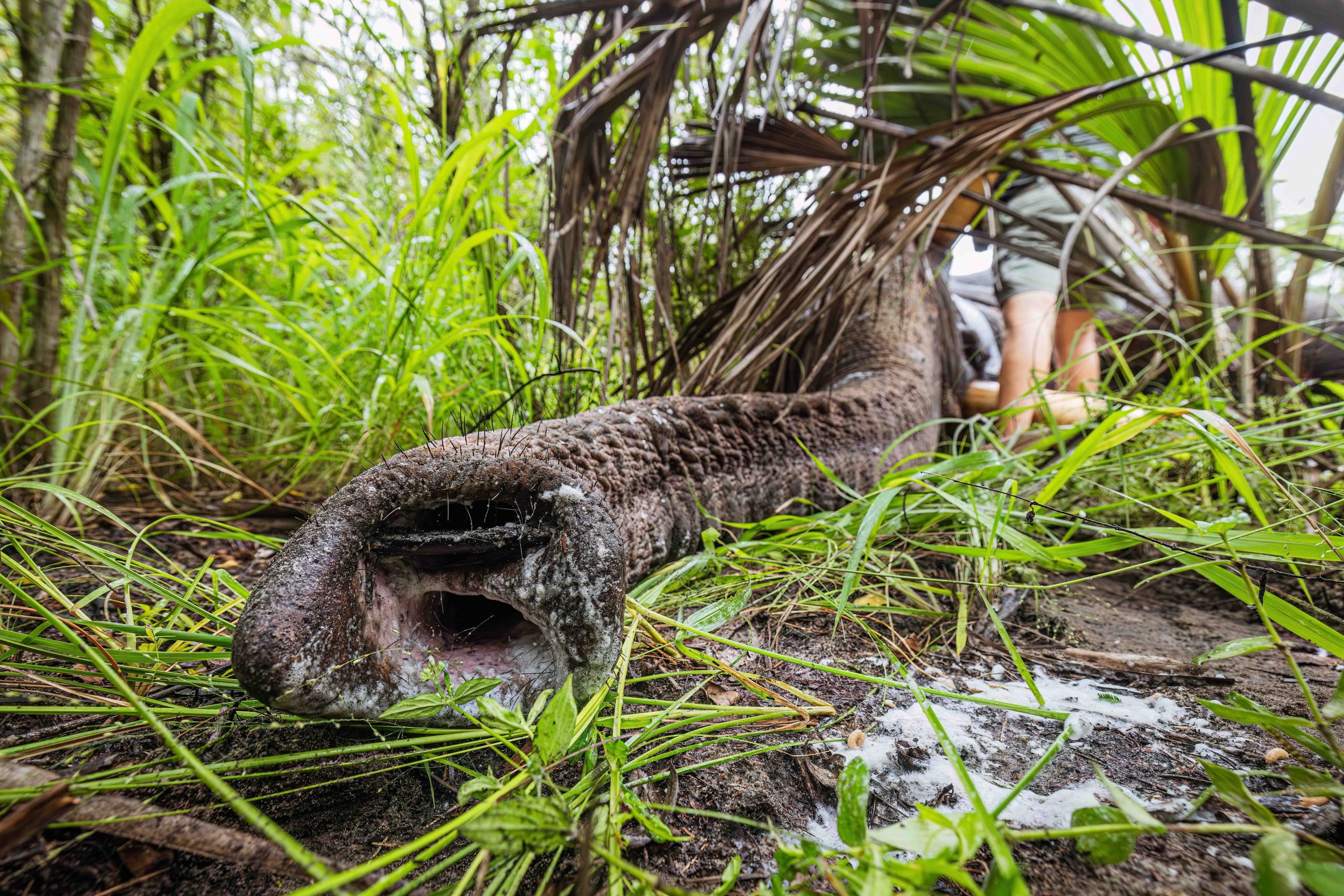
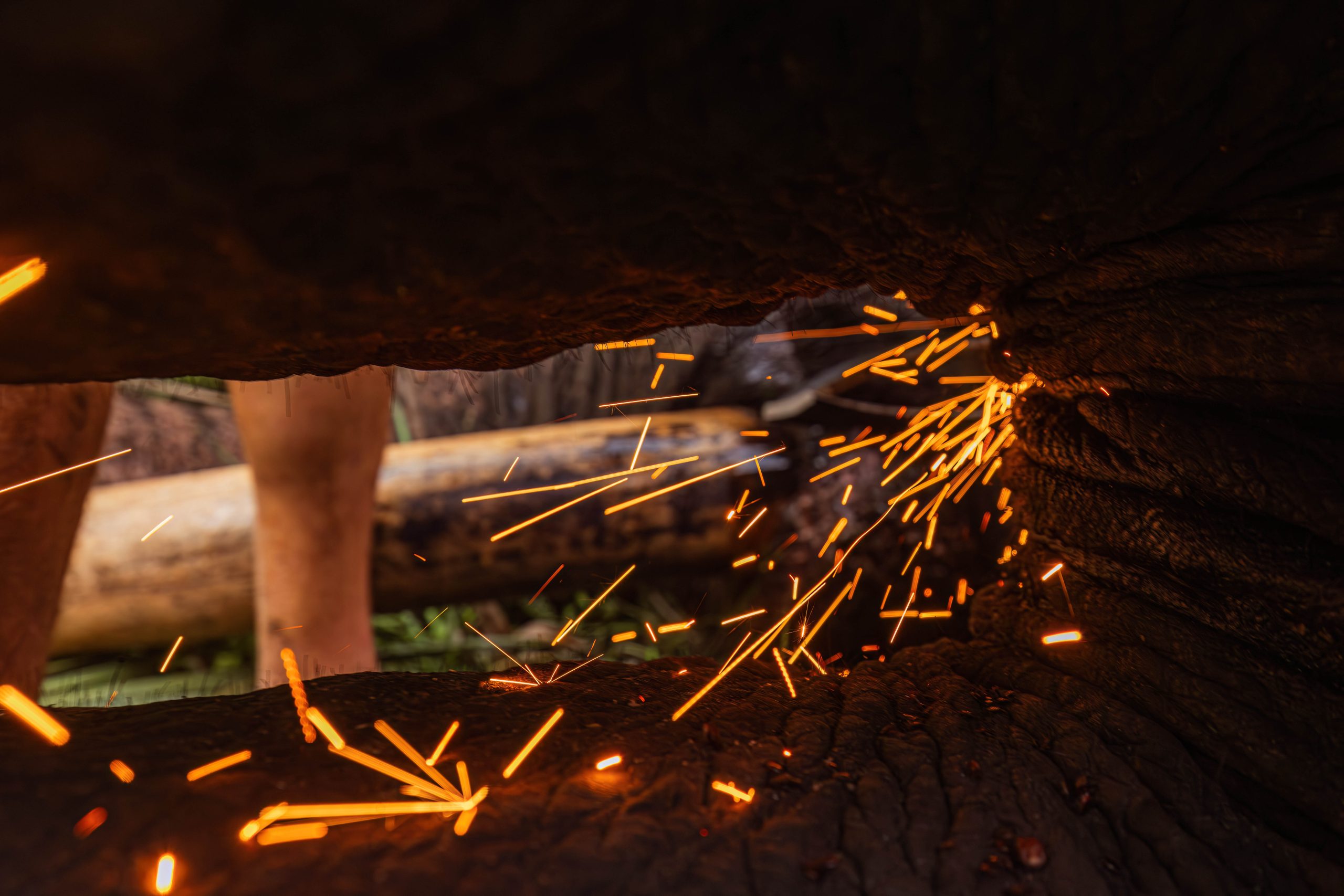
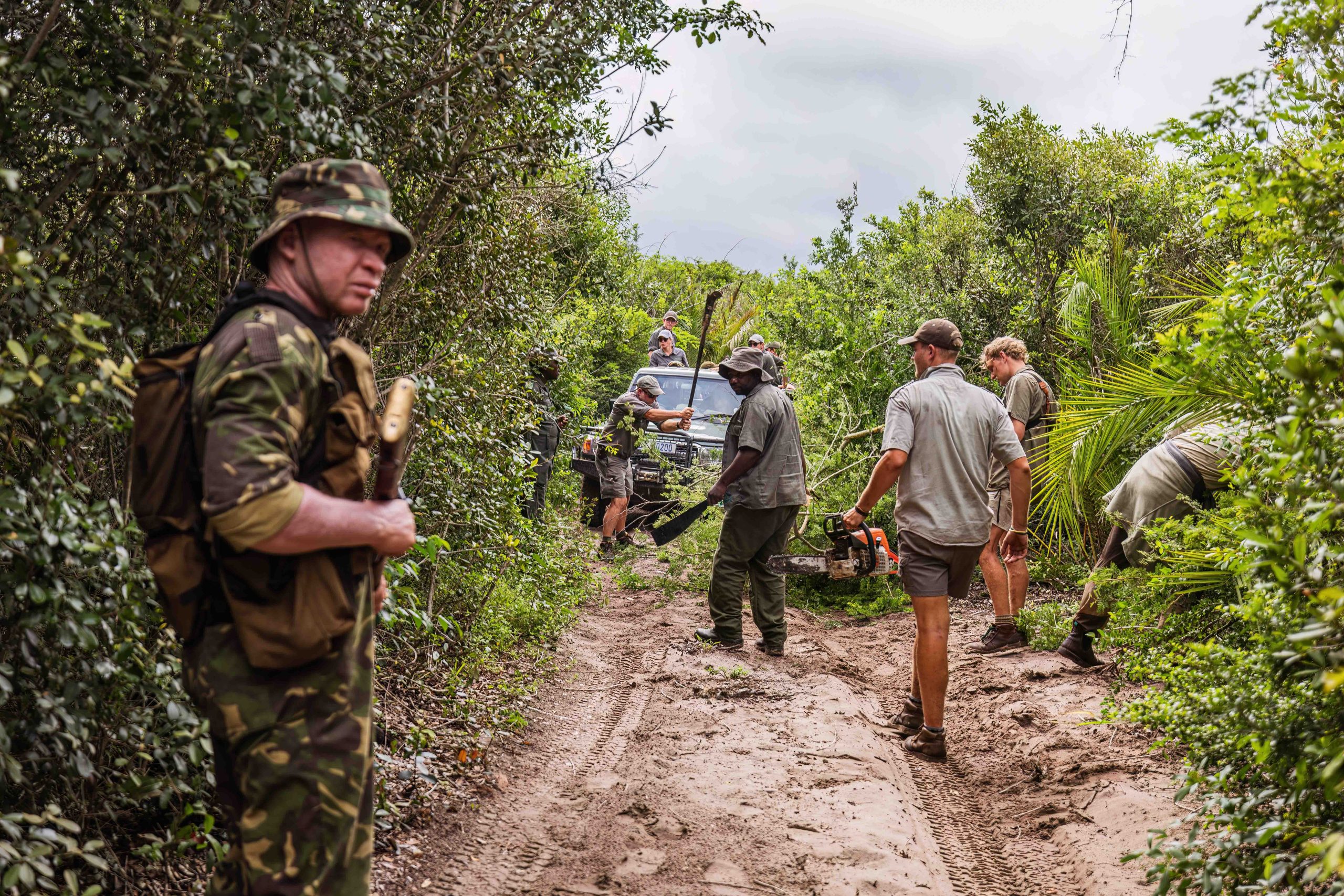
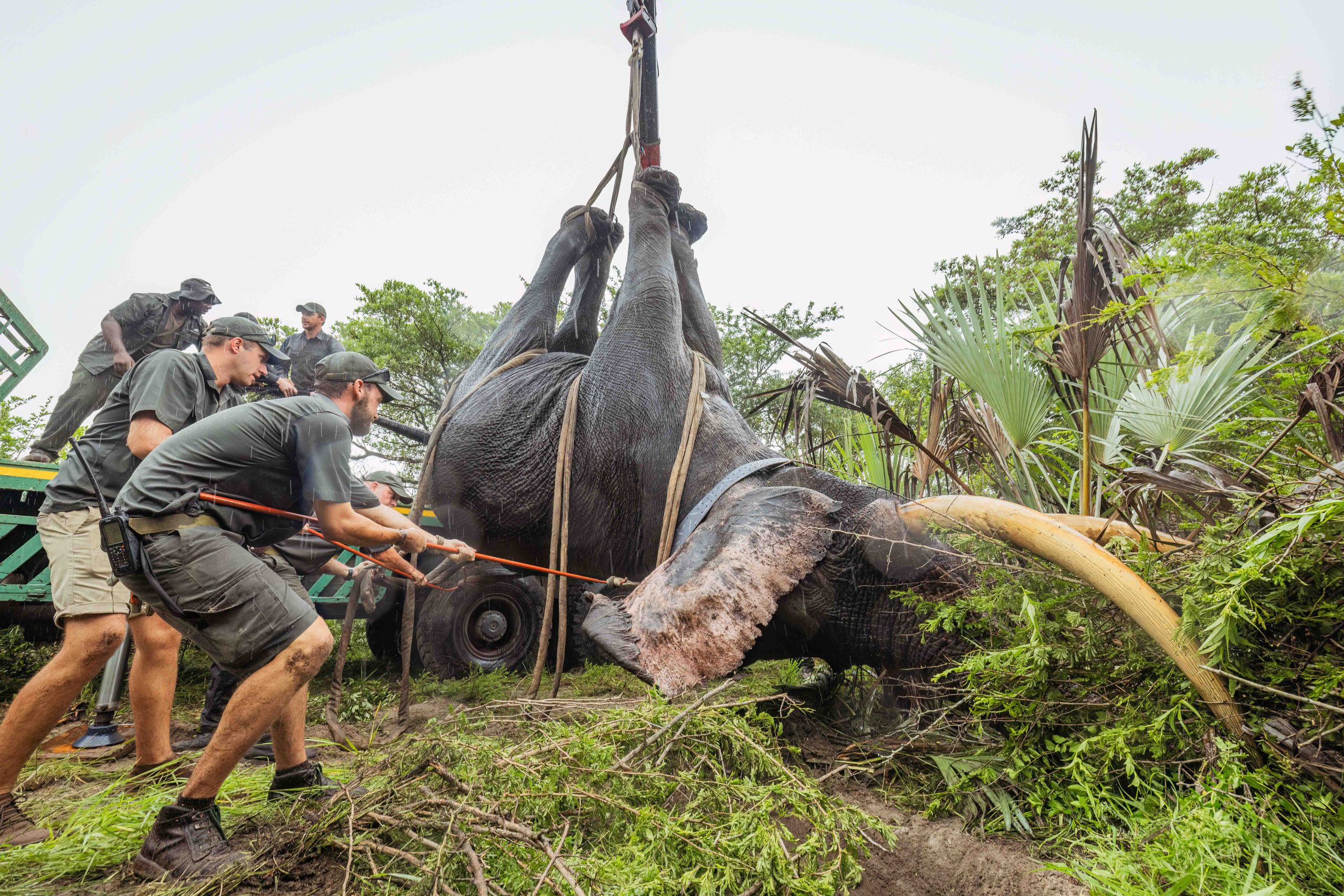
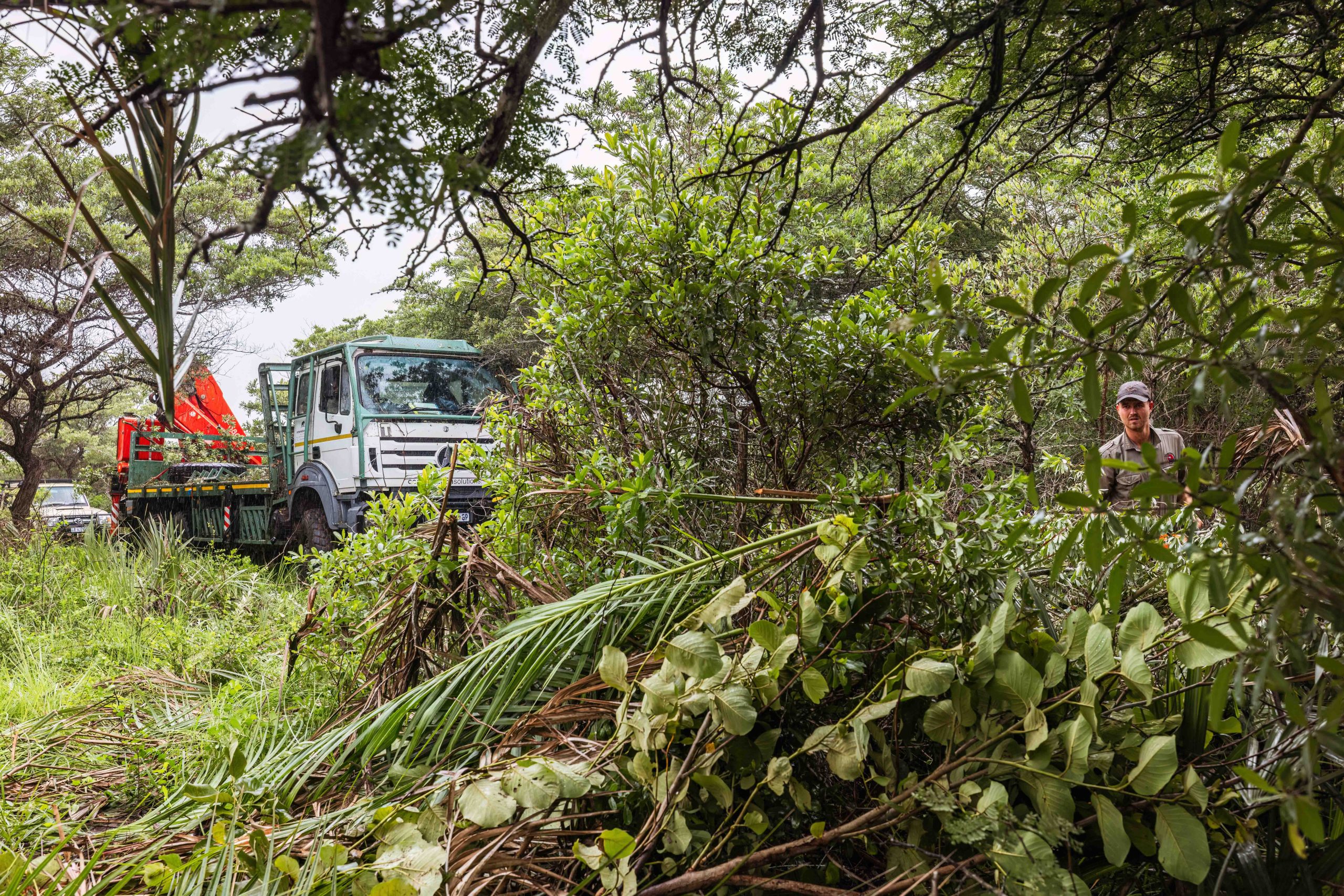
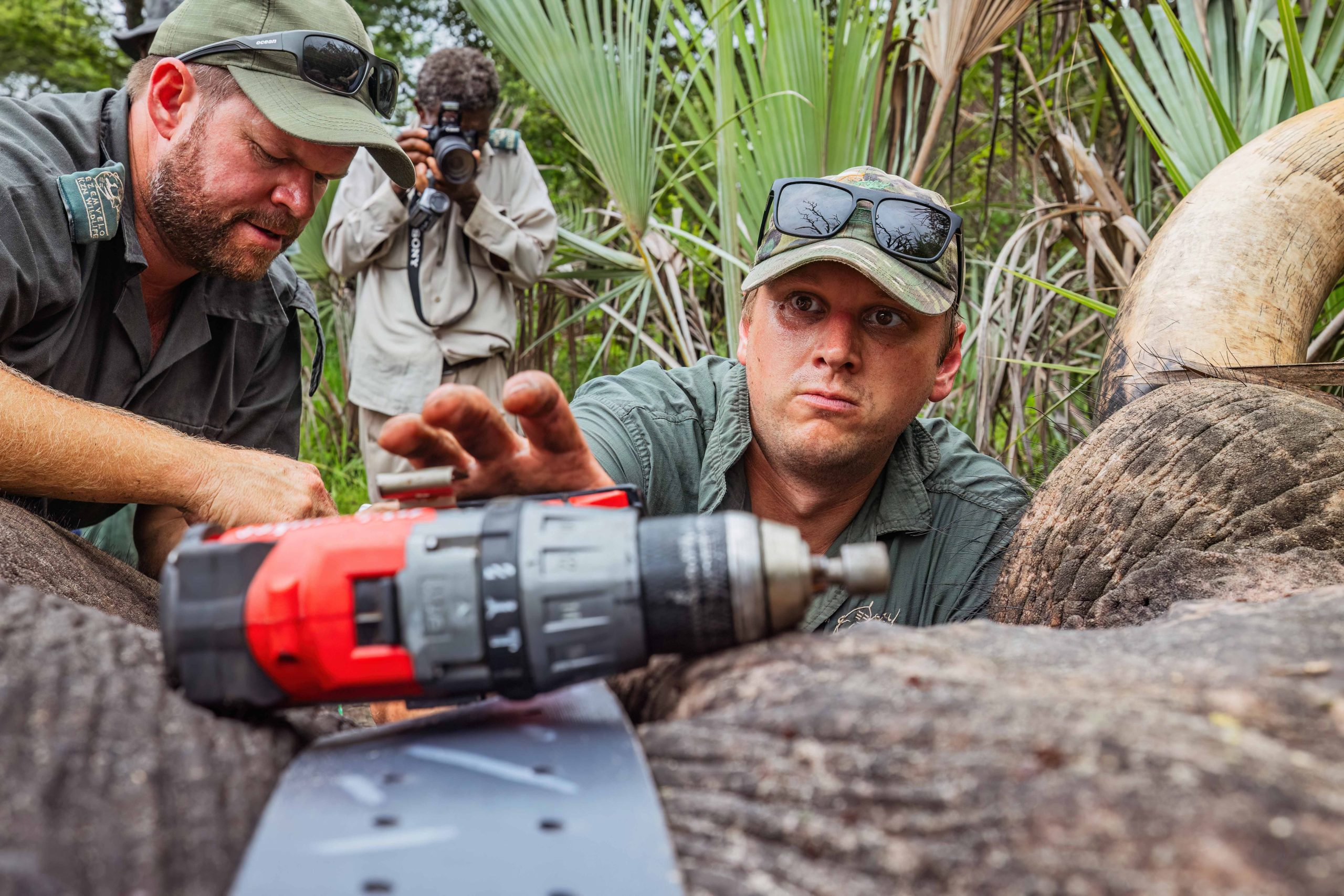
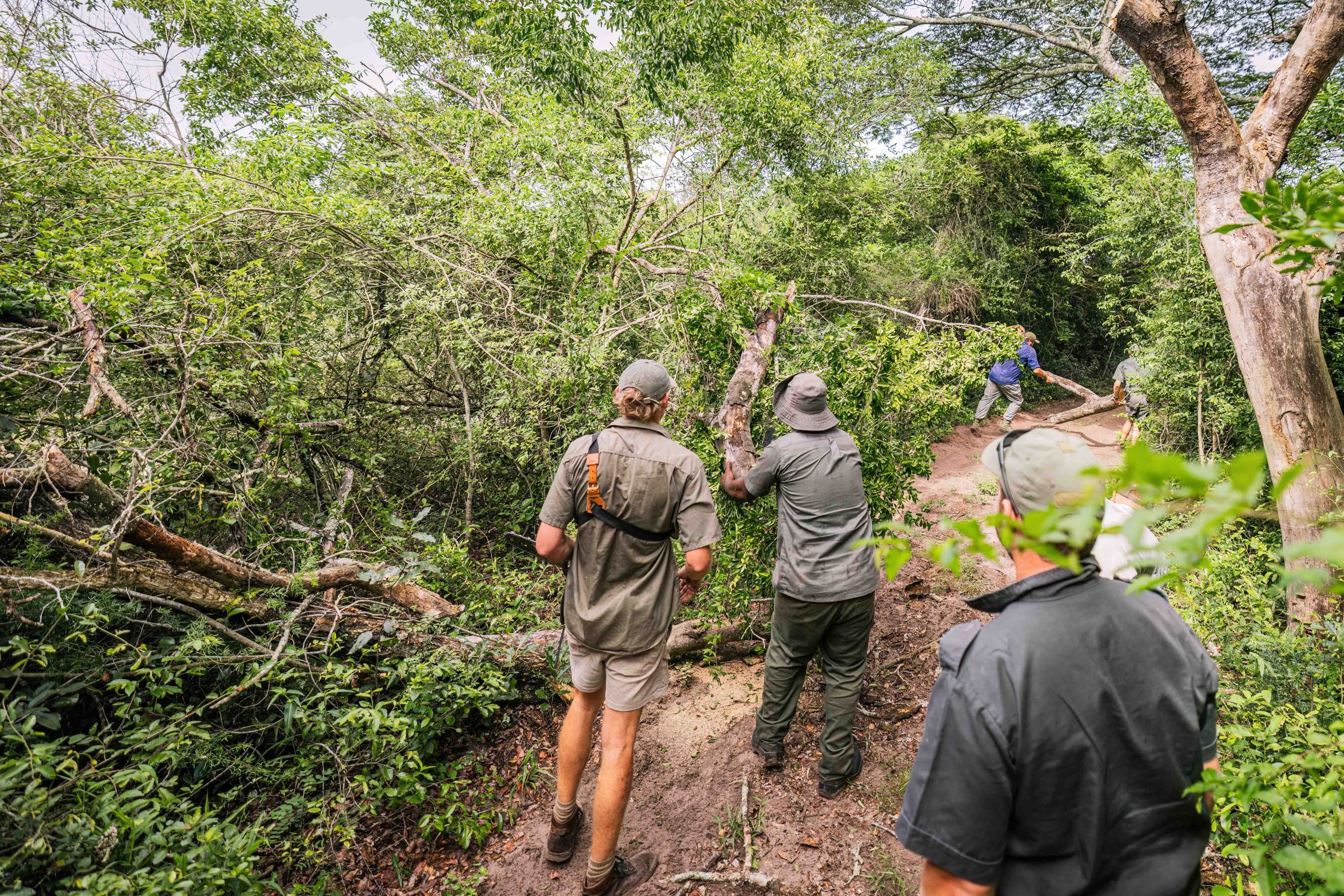
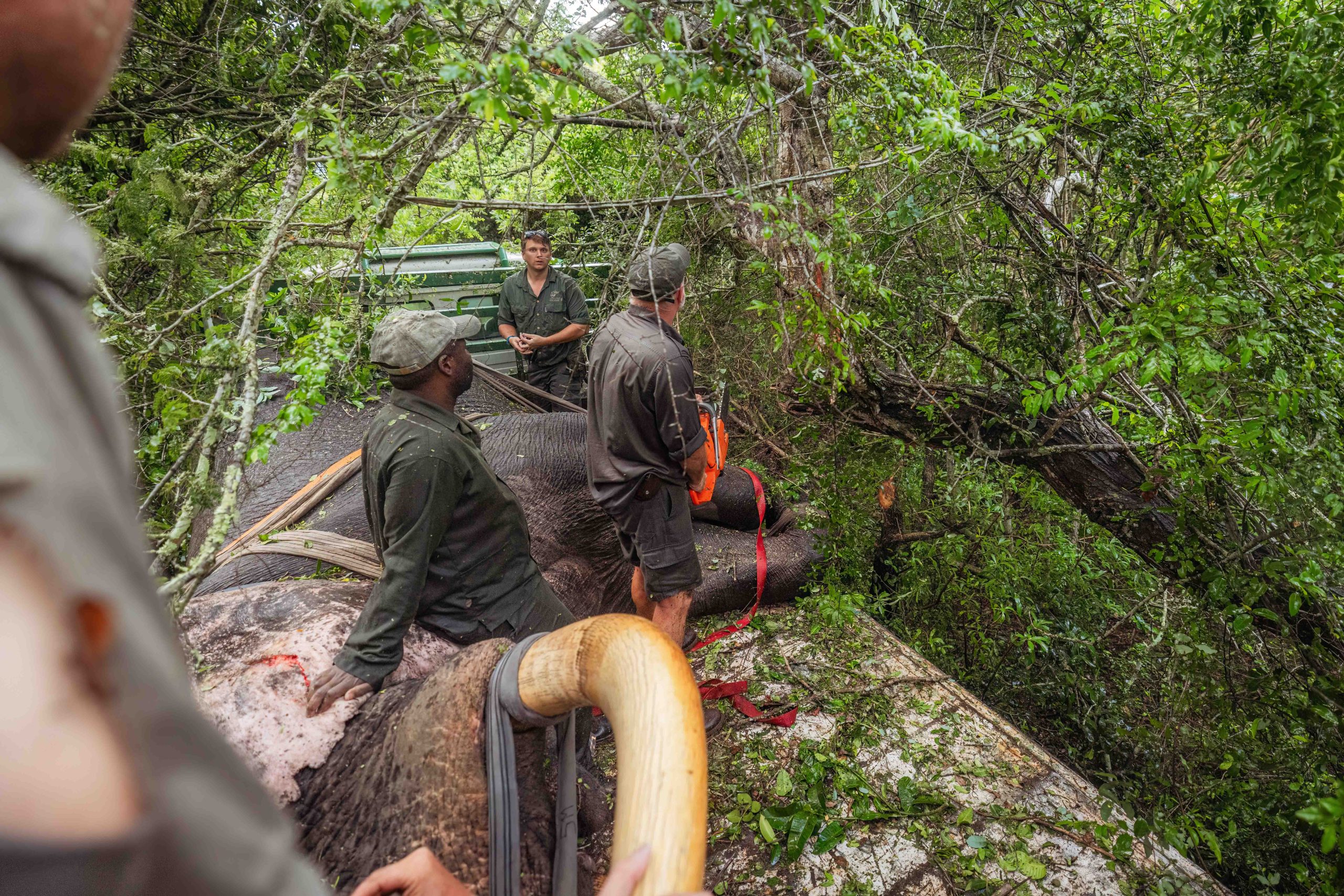
Three teams split up: one to stabilize the elephant, another to cut a path, and the last to clear access for the recovery truck. Chainsaws roared, the smell of cut trees, diesel, and elephant sweat filled the air. A 6.5-ton crane struggled, forcing manpower to lift parts of the animal—three men barely lifting its trunk.

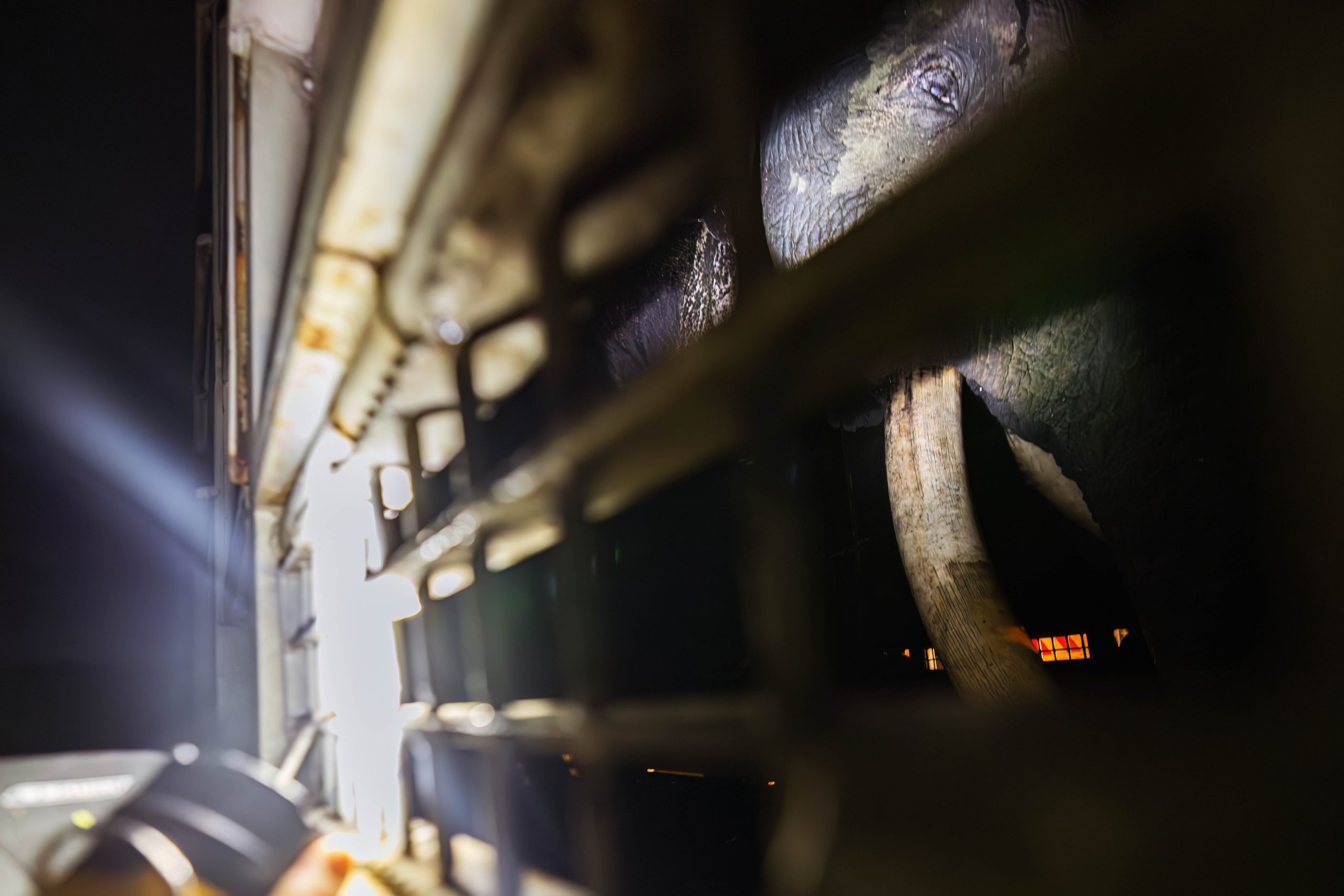
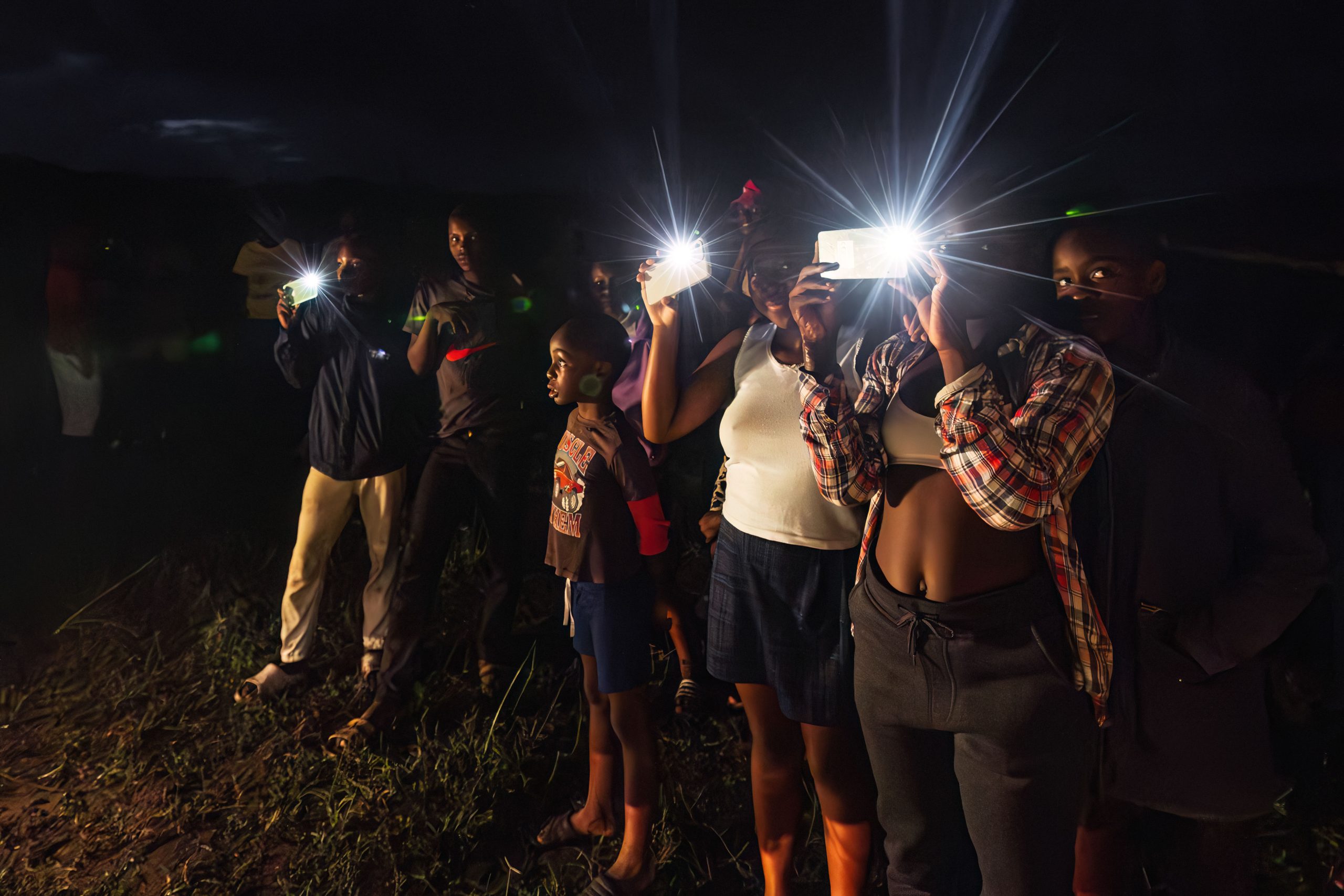
By nightfall, after hours of transport in heavy rain, the final transfer to the recovery crate was tense. The elephant woke up angry, shaking the crate, trumpeting loud enough to hit like a blow to the chest. The community lined the roads, watching the giant leave, waving it goodbye and cheering.

At 1 AM, heavy rain turned the release ramp into mud, impassible for trucks. Improvising, the team opened the crate before the ramp. The elephant hesitated, sniffed the air, reached toward its exhausted captors—then stepped into the darkness of the new reserve.

Partners & Collaborators

WEF Asante Sana Elephants Logos (2)

Photography:  © Wiki West

JOIN THE FRONTLINES

© 2026 All Rights Reserved. Powered by Mosquito Media.

Continuing the World’s Largest Rewilding Effort: Protected Area in KwaZulu-Natal Welcomes a New Herd of Southern White Rhinos

Continuing the World’s Largest Rewilding Effort: Protected Area in KwaZulu-Natal Welcomes a New Herd of Southern White Rhinos

Continuing the World’s Largest Rewilding Effort: Protected Area in KwaZulu-Natal Welcomes a New Herd of Southern White Rhinos

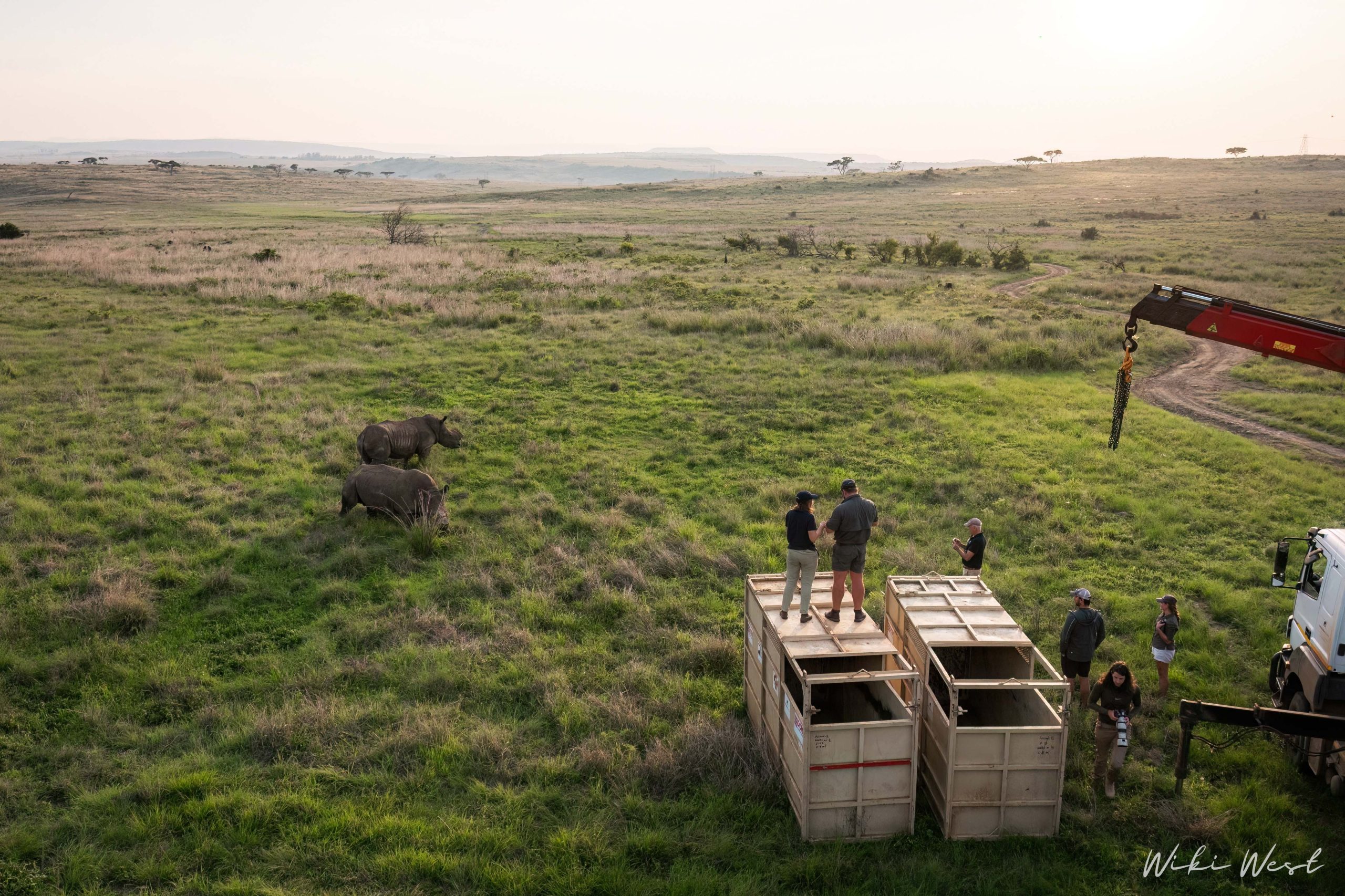
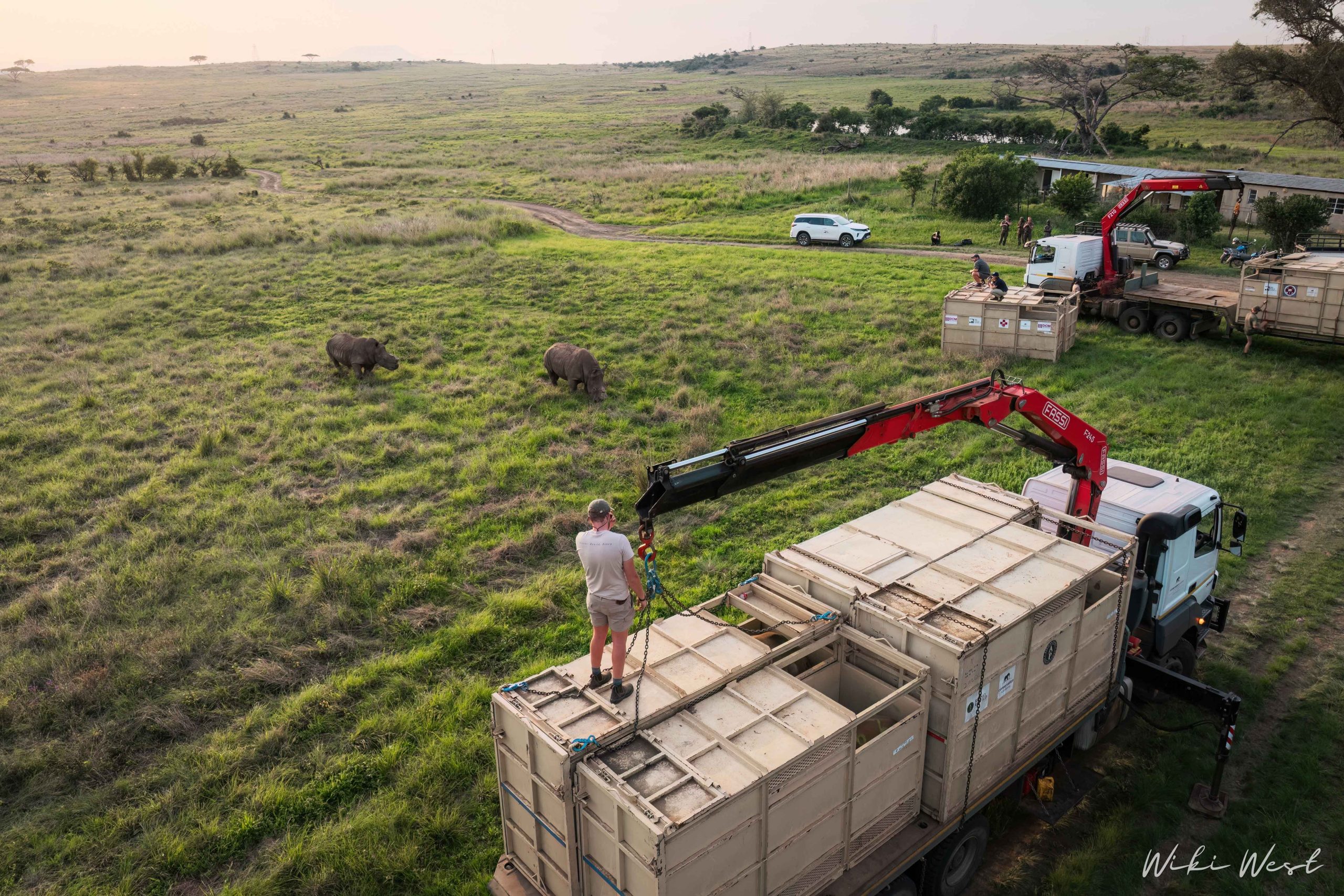
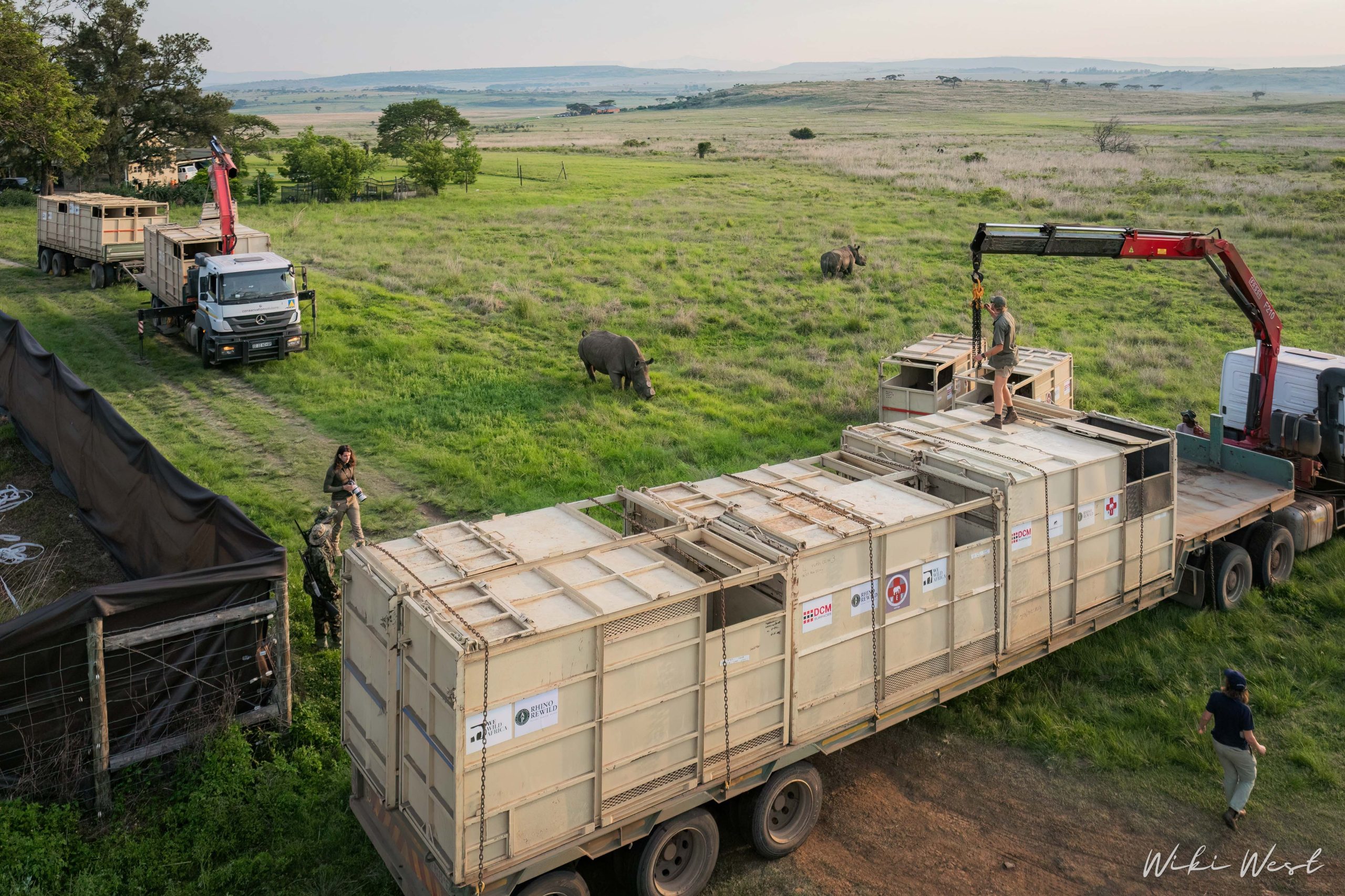
A conservation area in KwaZulu-Natal has welcomed a new herd of Southern White Rhinos as part of African Parks’ Rhino Rewild Initiative, which is the largest rewilding project in the world. This ambitious initiative aims to rewild over 2,000 rhinos, making it the most extensive rewilding effort ever undertaken.

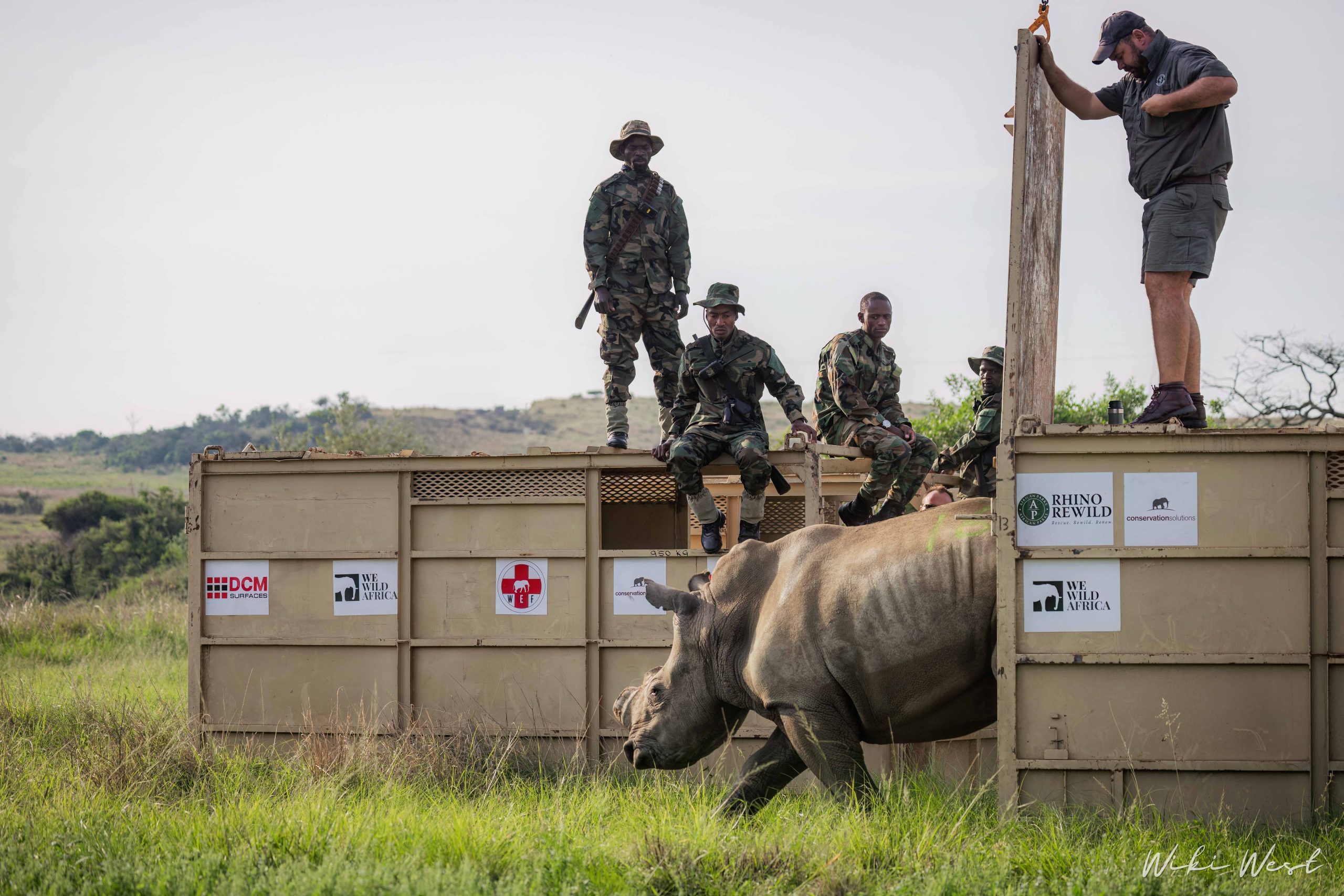
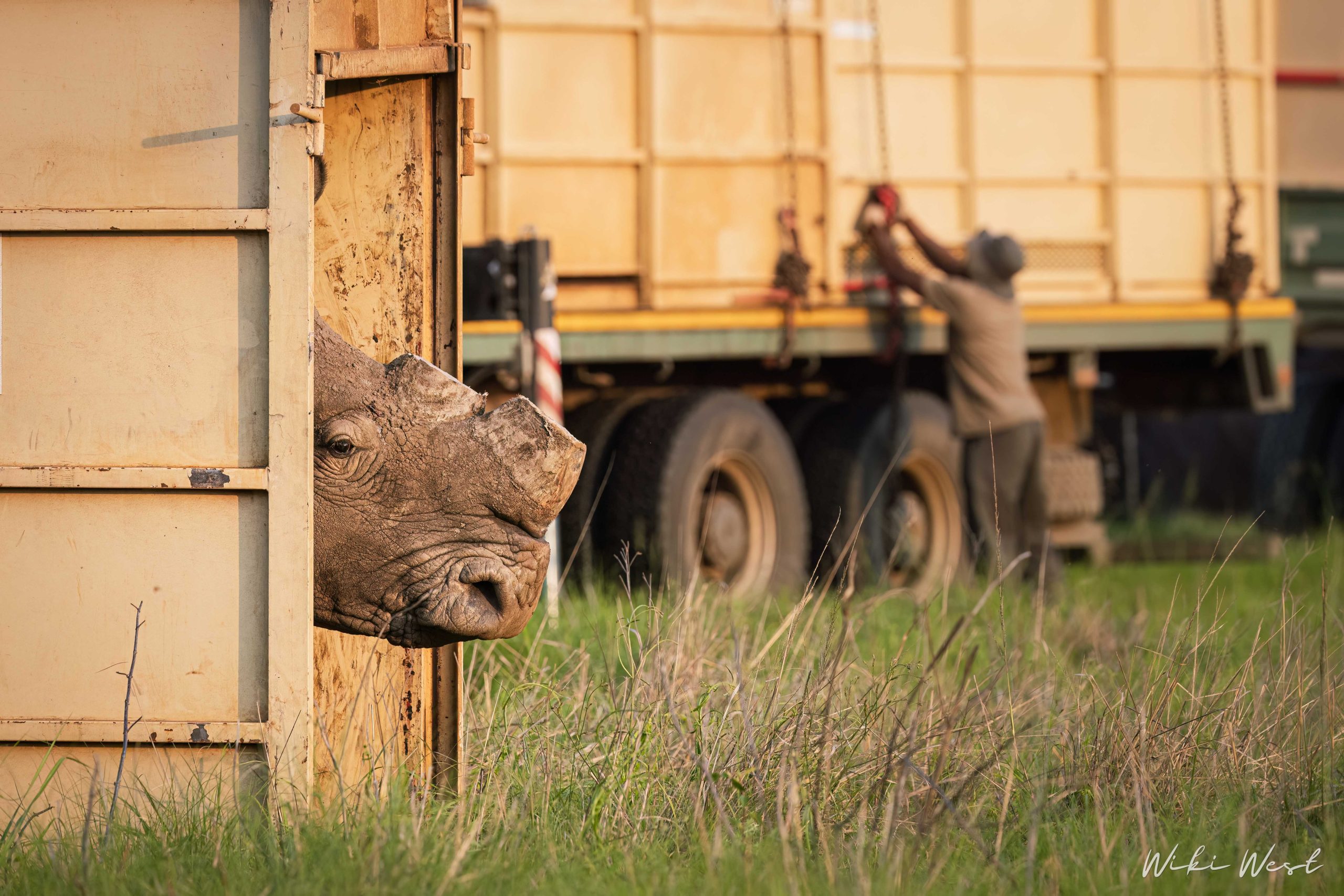
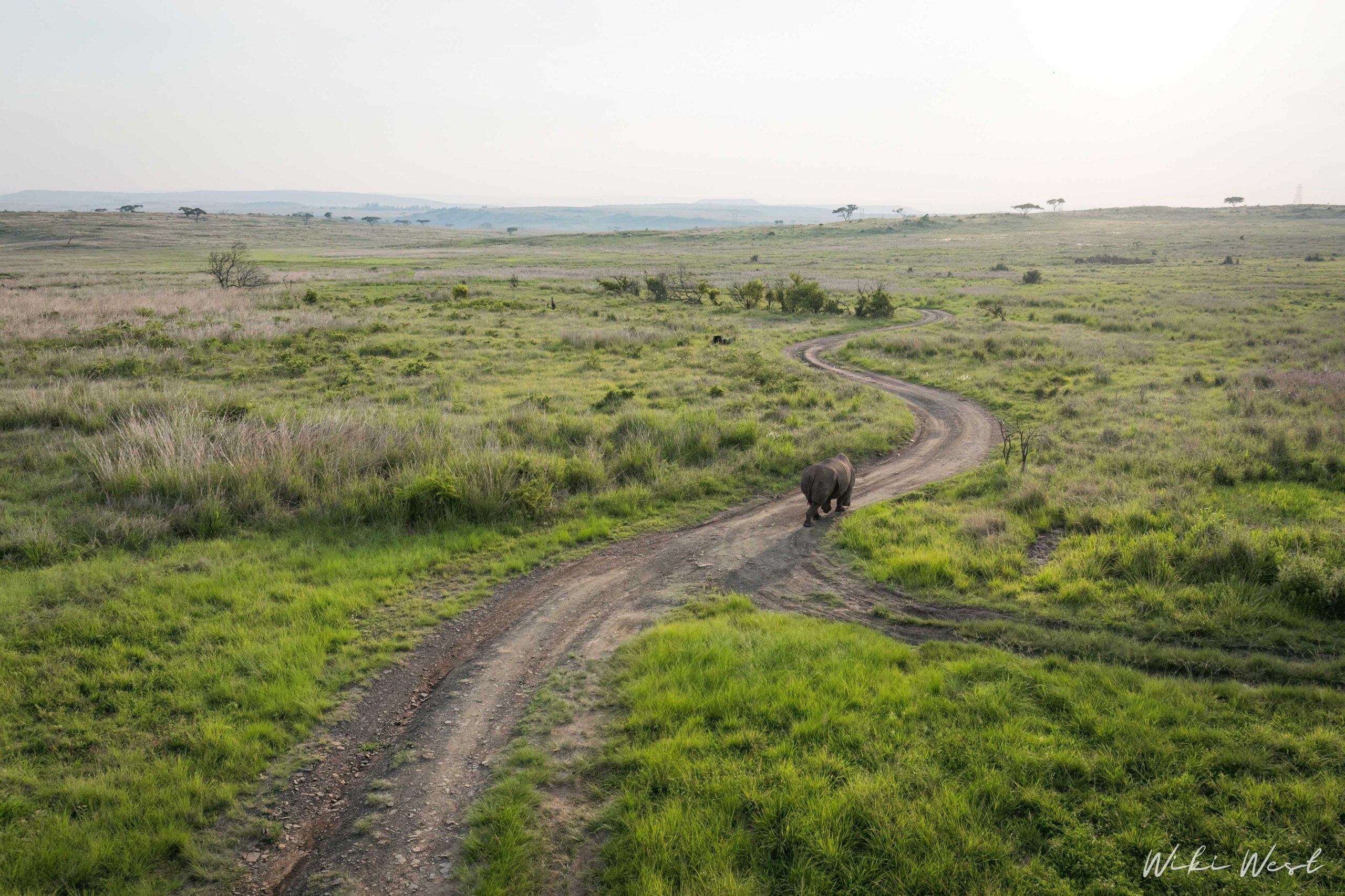
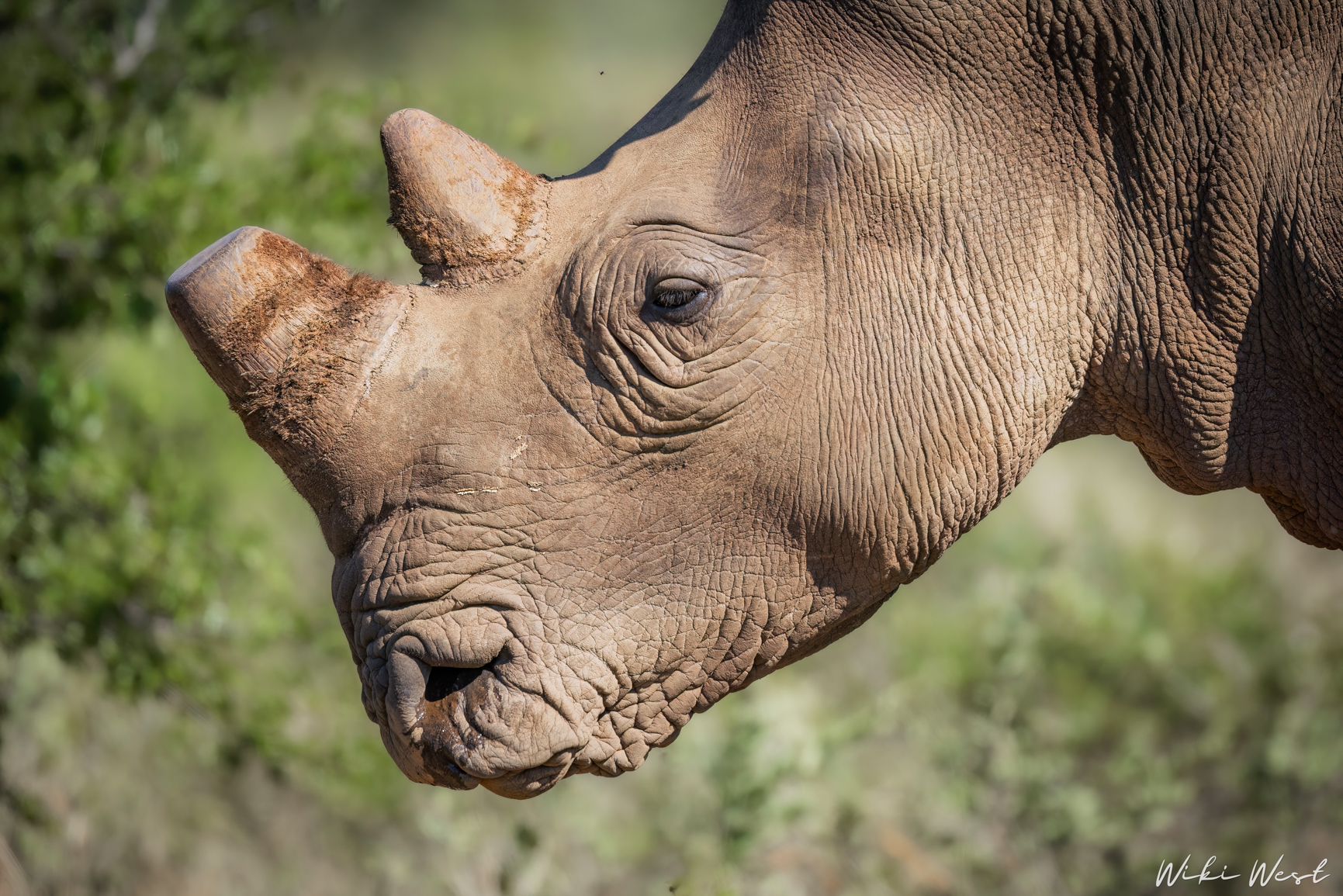
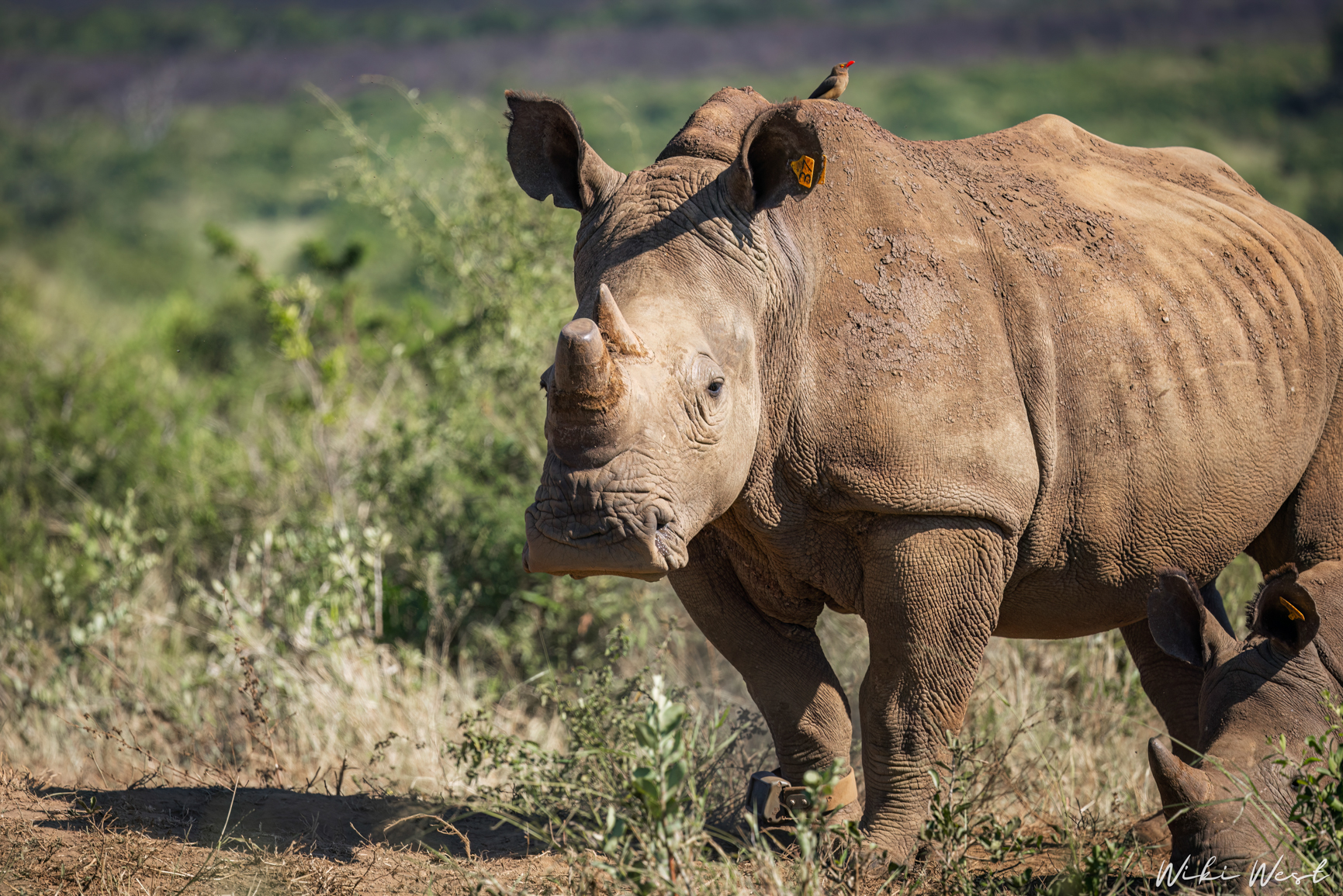
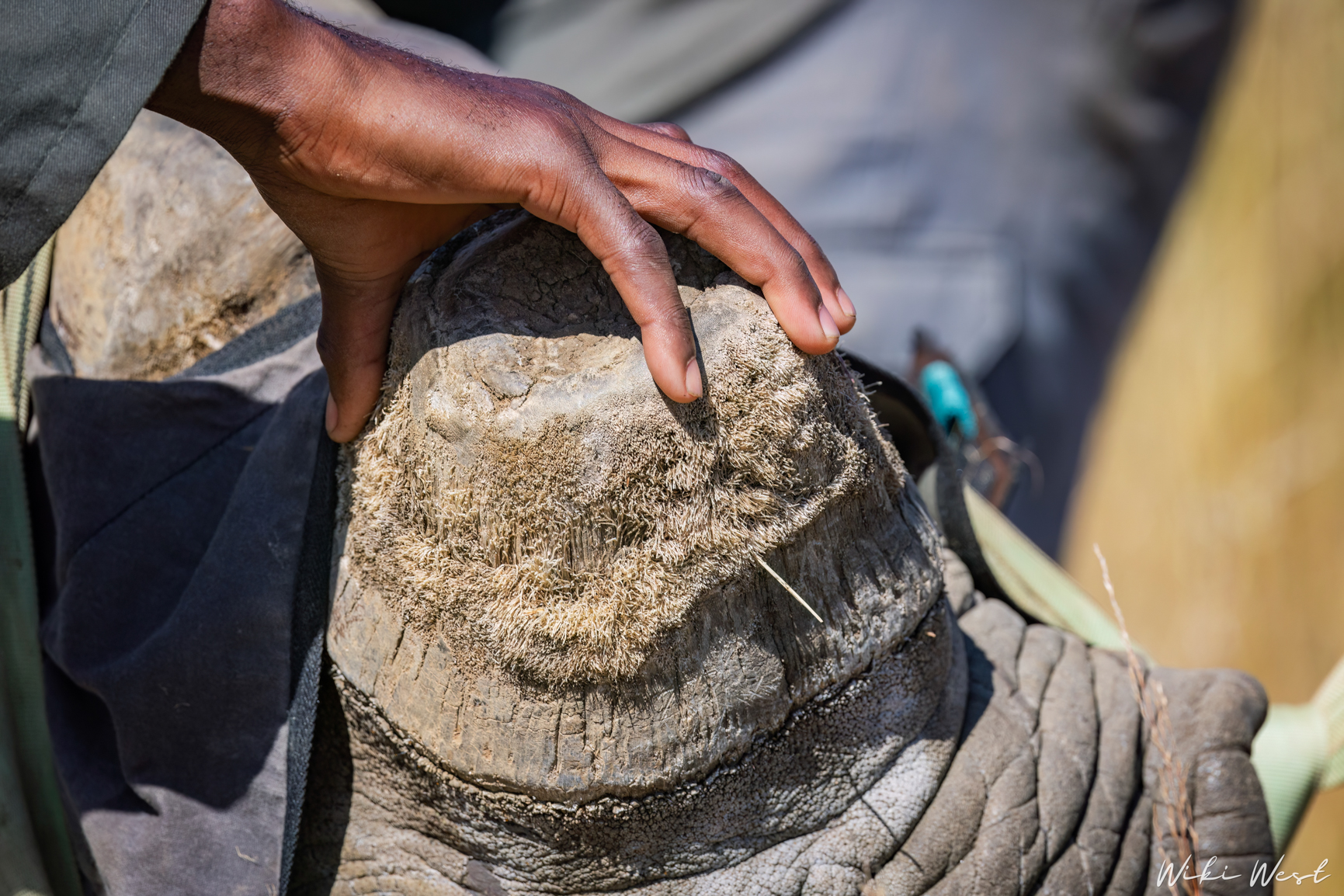
The new home for the rhinos is a conservation area in KwaZulu-Natal, South Africa, spanning over 20,000 acres and featuring diverse ecosystems such as savannah, thornveld, and grassland. This reserve contains important historical sites from the Anglo-Zulu and Anglo-Boer wars, adding a deep cultural heritage to its ecological significance. This initiative is designed to improve the reserve’s current rhino population by introducing new genetics. Prior to their relocation, all rhinos underwent dehorning.

This move is particularly significant for The Wildlife Emergency Fund (WEF) as it marks their second and final action for the year, emphasizing their ongoing partnership with African Parks. This collaboration is part of a sustained effort to relocate rhinos following the acquisition of 2,000 Southern White Rhinos last year. 

“Our third rhino translocation project with African Parks is now complete, bringing a new herd of rhinos to their beautiful new home in KwaZulu-Natal. As we approach the end of the year for this long-term project, the urgent need to secure new, safe habitats becomes even more critical. How do we move 2,000 rhinos? We do it one rhino at a time, emphasizing that every individual matters—this is the ethos at the heart of our mission. We are grateful for our ongoing collaboration with partners like DCM Surfaces, African Parks, and Conservation Solutions.”

Dereck Milburn, Director, Wildlife Emergency Fund 

We are excited to have this conservation area as our partner in our Rhino Rewild Initiative. This is the exact outcome that we desire: a well-managed, efficiently run, safe reserve boasting excellent habitat to support these rhinos. We are confident that the rhinos will thrive here, and we look forward to collaborating with this reserve and other locations where rhinos can realize their ecological potential in a secure environment that promotes optimal growth.

Don Jooste, Director, Rhino Rewild  

“We are proud to be receiving a number of white rhinos from African Parks as part of their rhino rewilding program. White rhinos are an iconic African species that have faced severe threats over the last decade due to poaching. We take pride in our efforts to protect our rhinos and other wildlife populations. The rhinos we are receiving will be dehorned like the rest of our population. We are confident they will enjoy making our beautiful and diverse game reserve their new home.”

Chairman of the Receiving Reserve

JOIN THE FRONTLINES

© 2026 All Rights Reserved. Powered by Mosquito Media.

Monumental Translocation and Rewilding of 40 Southern White Rhino

Monumental Translocation and Rewilding of 40 Southern White Rhino

Monumental Translocation and Rewilding of 40 Southern White Rhino

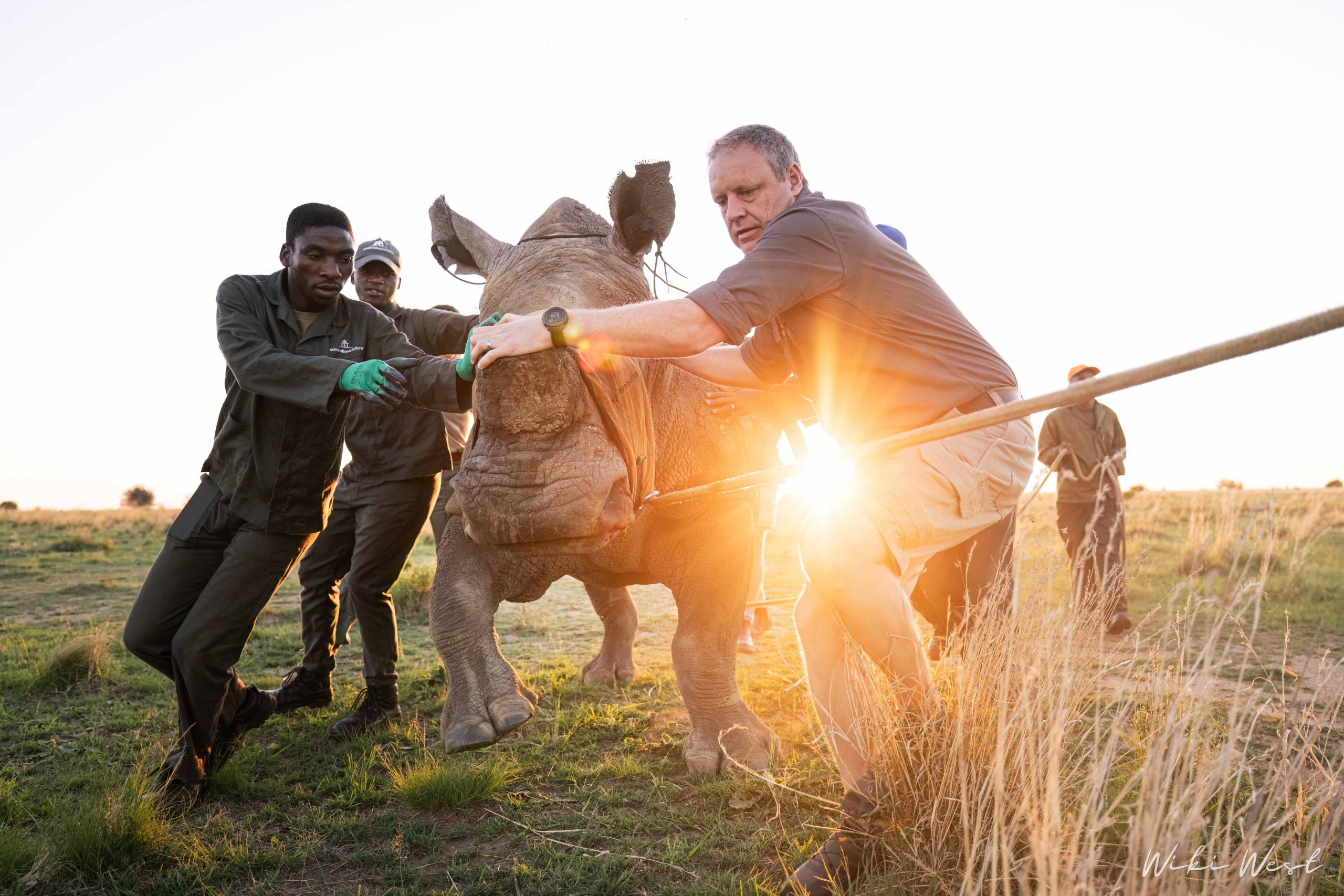
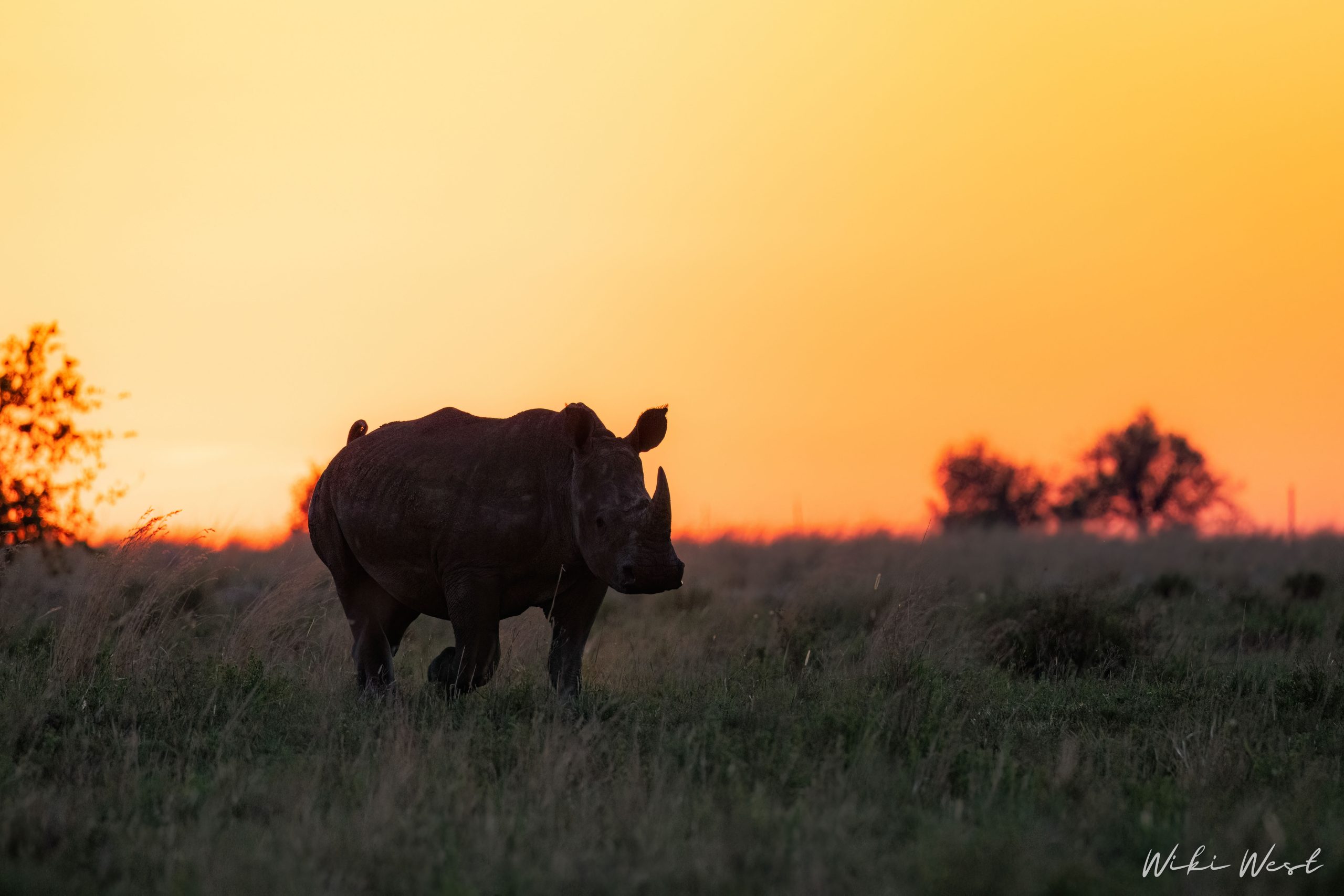
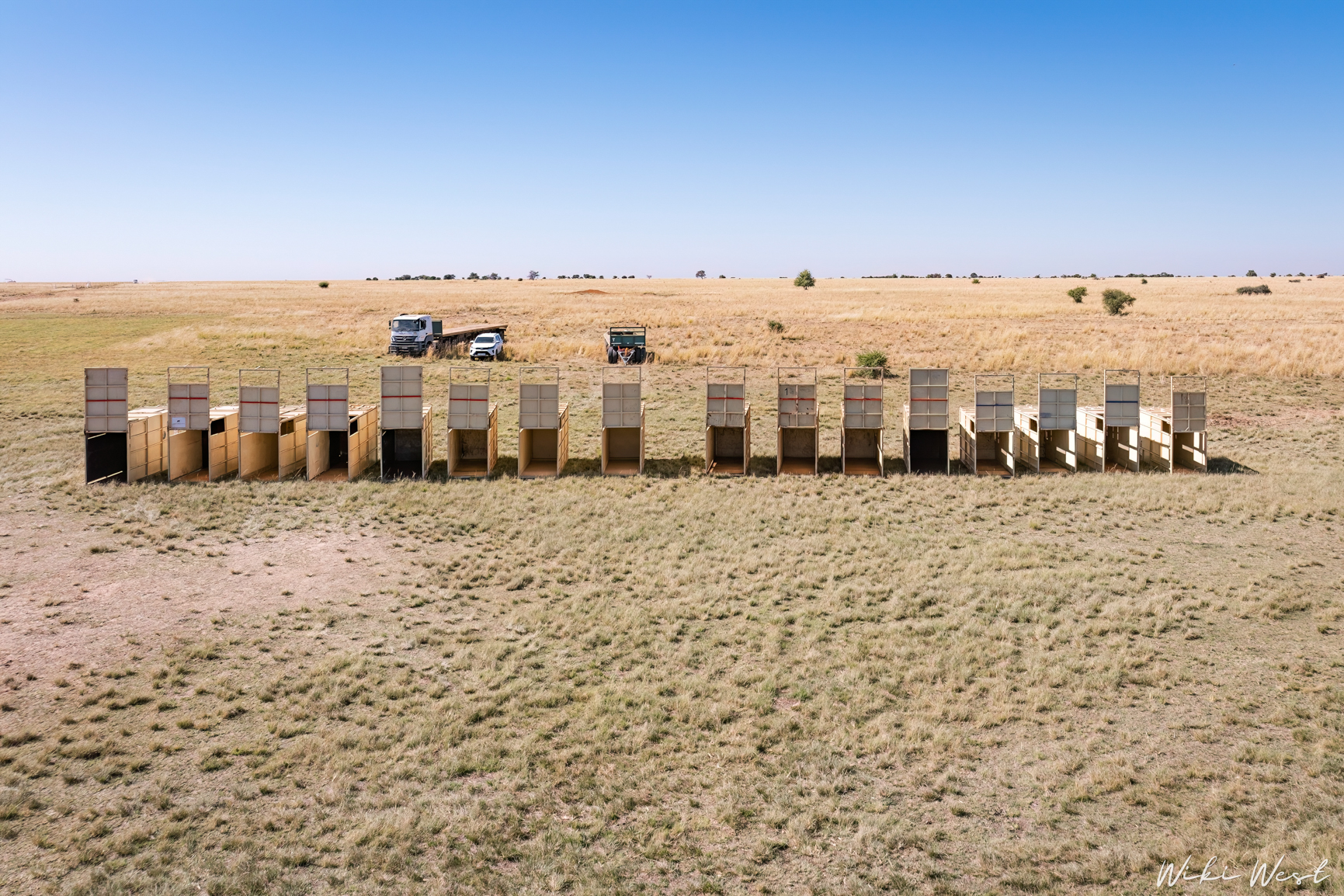
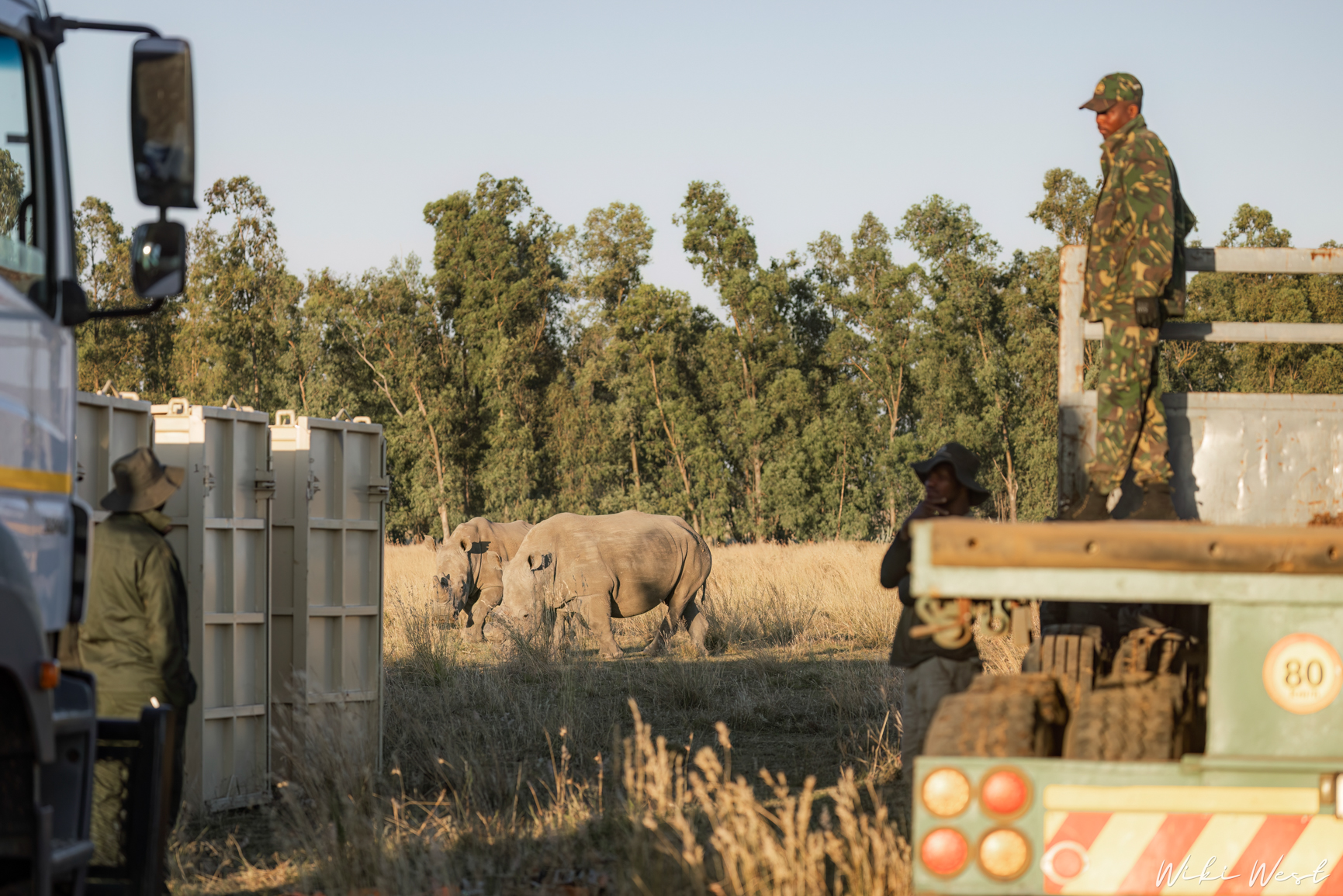
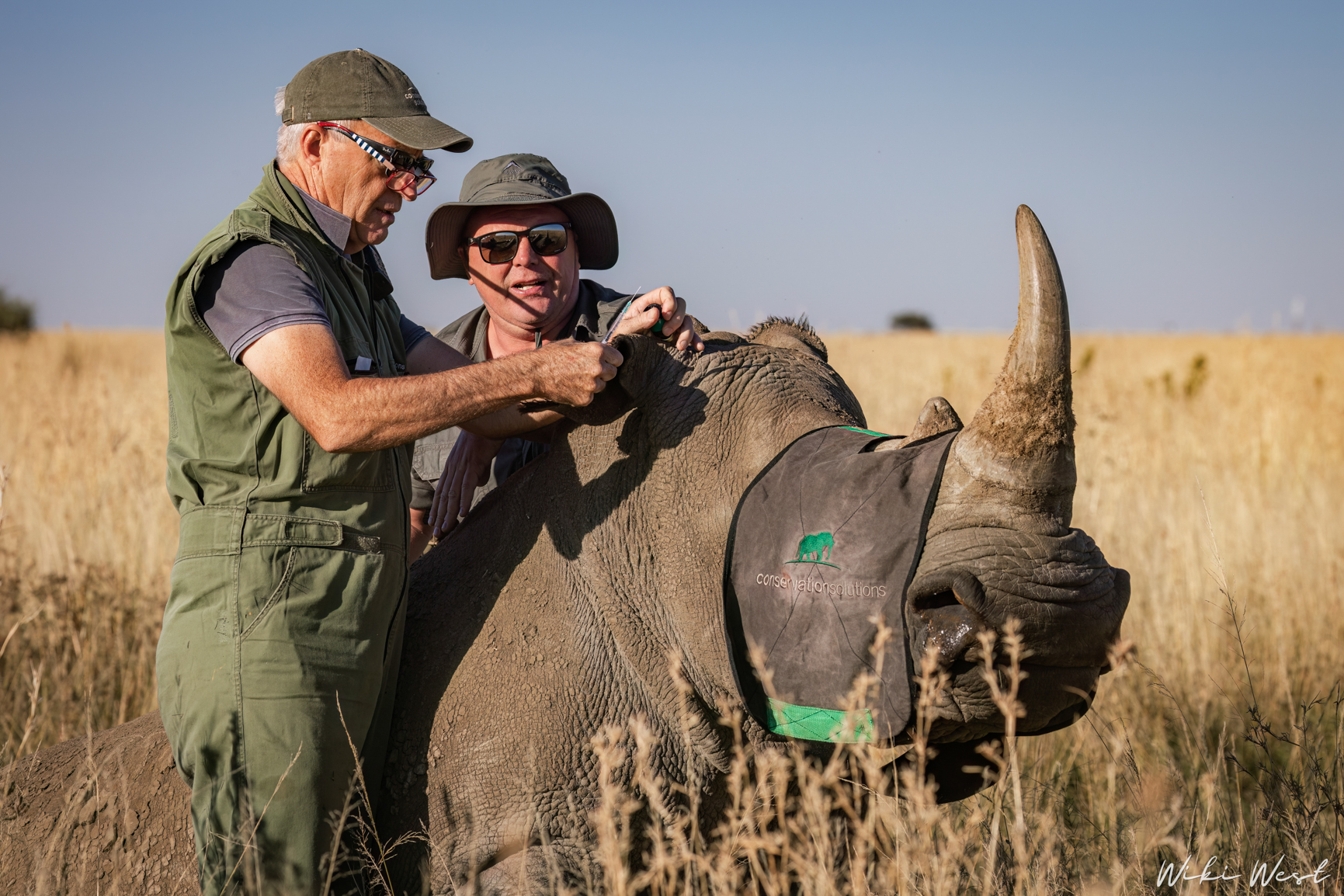
Thanks to remarkable teamwork in tough circumstances, the Munywana Conservancy in South Africa has received a donation of 40 southern white rhinos to enhance their existing population. This marks the first of many translocations under the ‘Rhino Rewild’ initiative, which aims to reintroduce 2,000 southern white rhinos over the next ten years. 

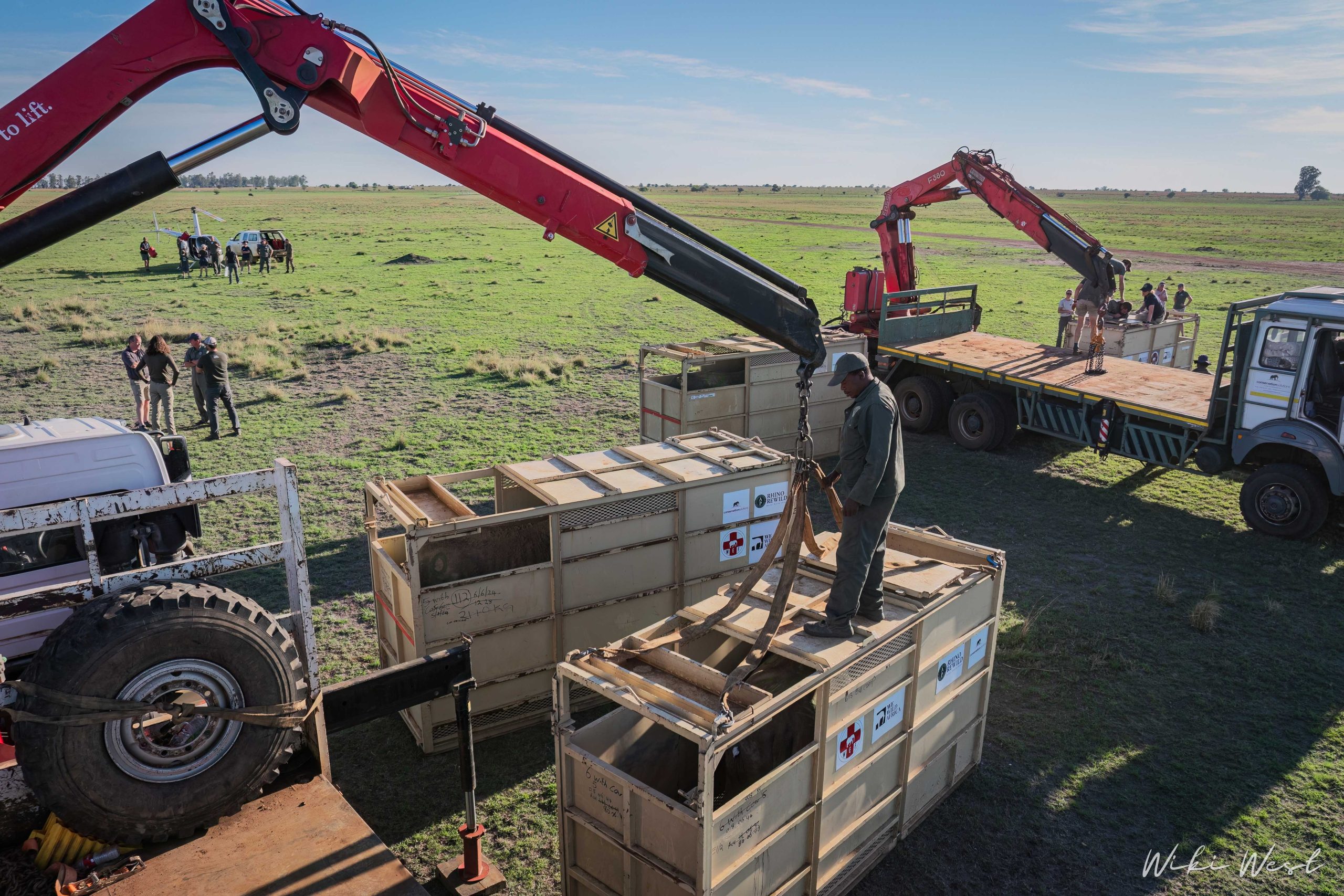
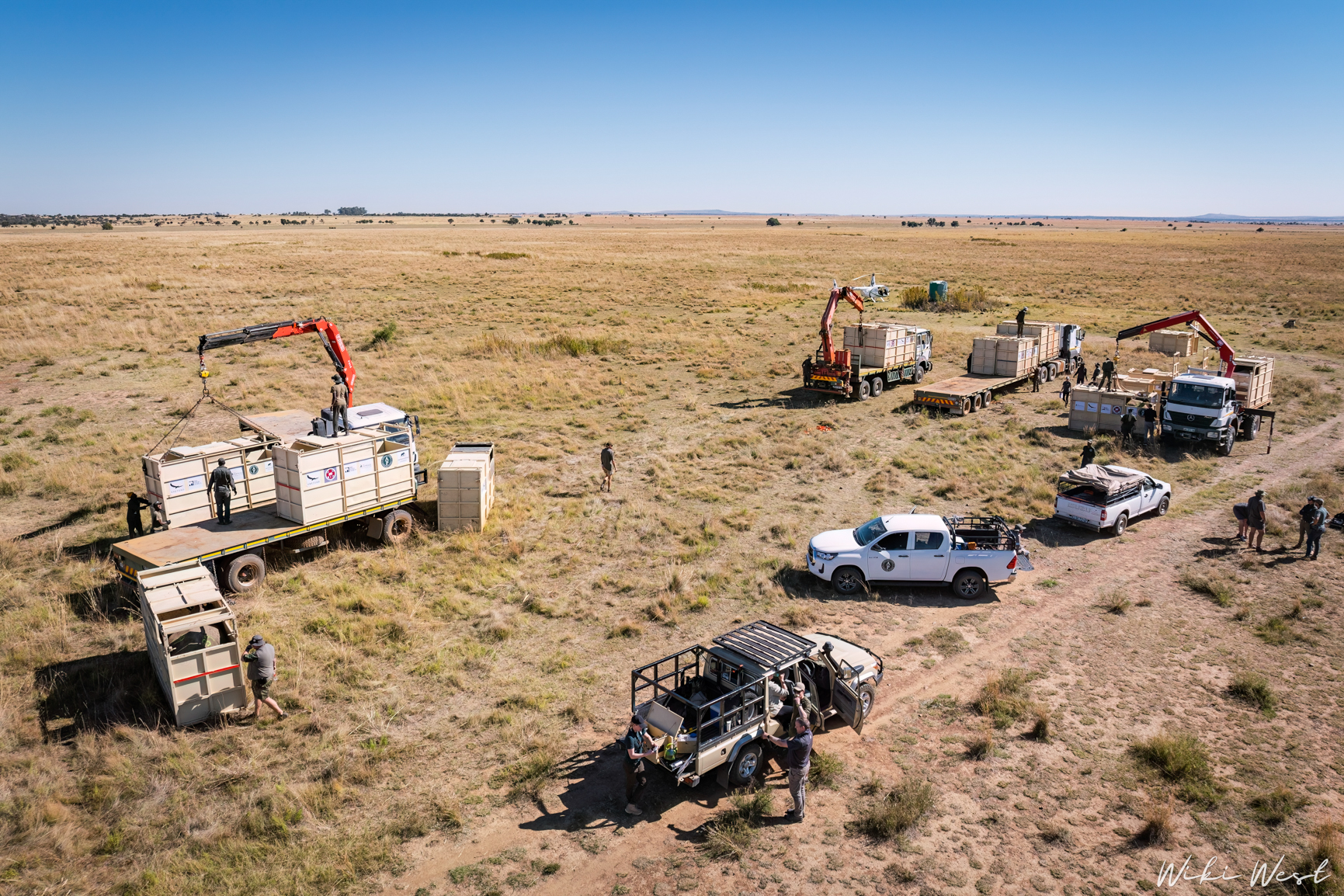
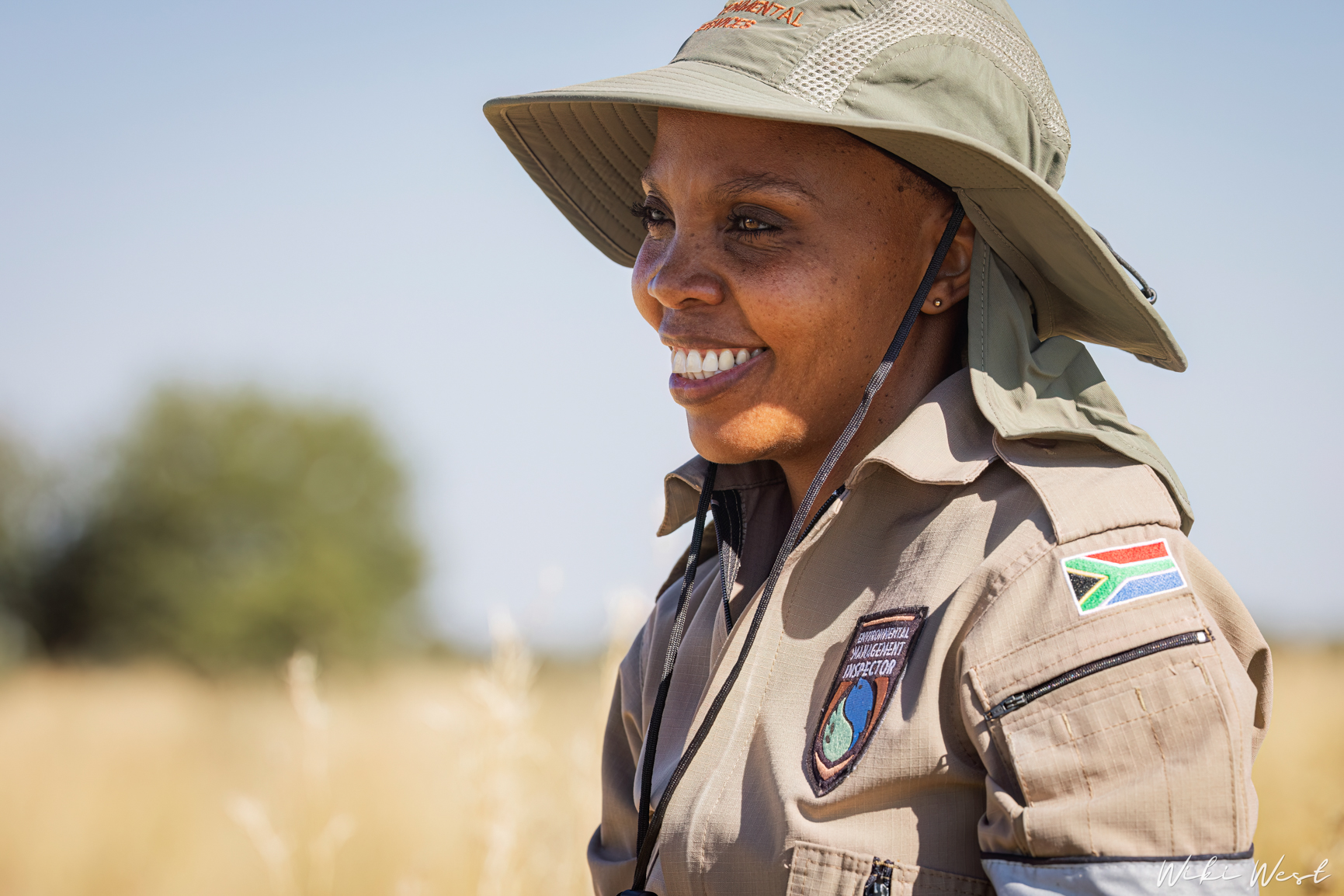
As the sun rose, excitement filled the air. This operation featured a collaboration of world-class teams, including some of the most skilled and passionate individuals worldwide—renowned conservationists, veterinarians, helicopter pilots, biologists, logistical experts, and photographers—all supported by dedicated staff who drove the vehicles, operated the massive cranes, and provided essential food and water throughout the hot day. We gathered to embark on a significant mission with a shared objective: to safely capture and relocate 40 rhinos.

“We are very privileged to be here; this is one of the largest rhino translocations ever undertaken, and it represents a significant milestone because these rhinos are being donated to the Munywana Conservancy (which consists of a partnership between community and private landowners, including the Makhasa Community Trust, the Mnqobokazi Community Trust, &Beyond Phinda, and ZUKA Private Game Reserves). I would like to express my gratitude to all our partners, especially the Wildlife Emergency Fund, with Beverly Holden and Max Baxton for providing the necessary funds. A big thank you also to WeWild Africa and &Beyond for accepting these rhinos at Munywana, as well as our long-term partners, African Parks and Conservation Solutions, for their collaboration in making this project successful. We are incredibly thankful that everything has gone so well,” said Dereck Milburn, Director of The Wildlife Emergency Fund.

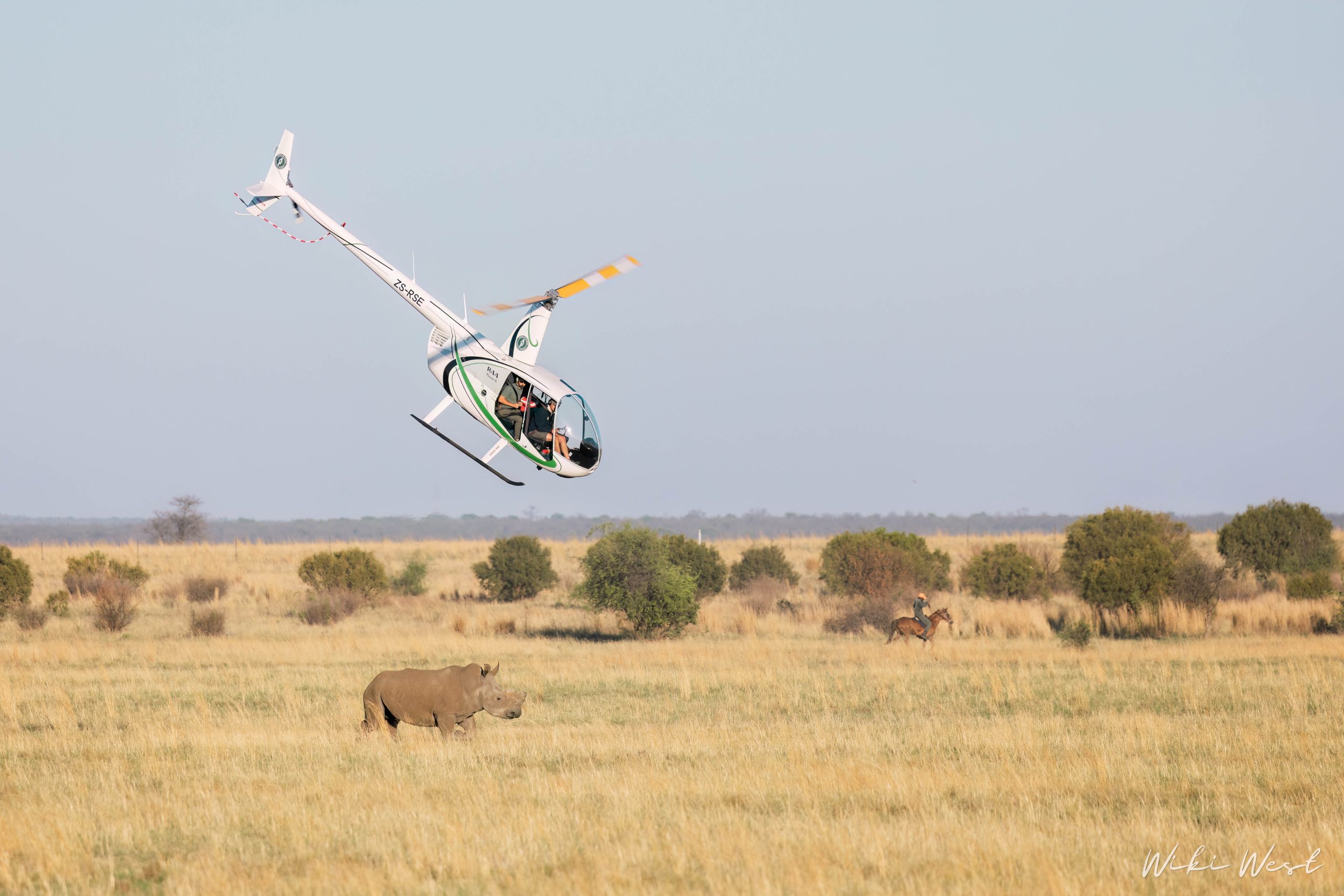
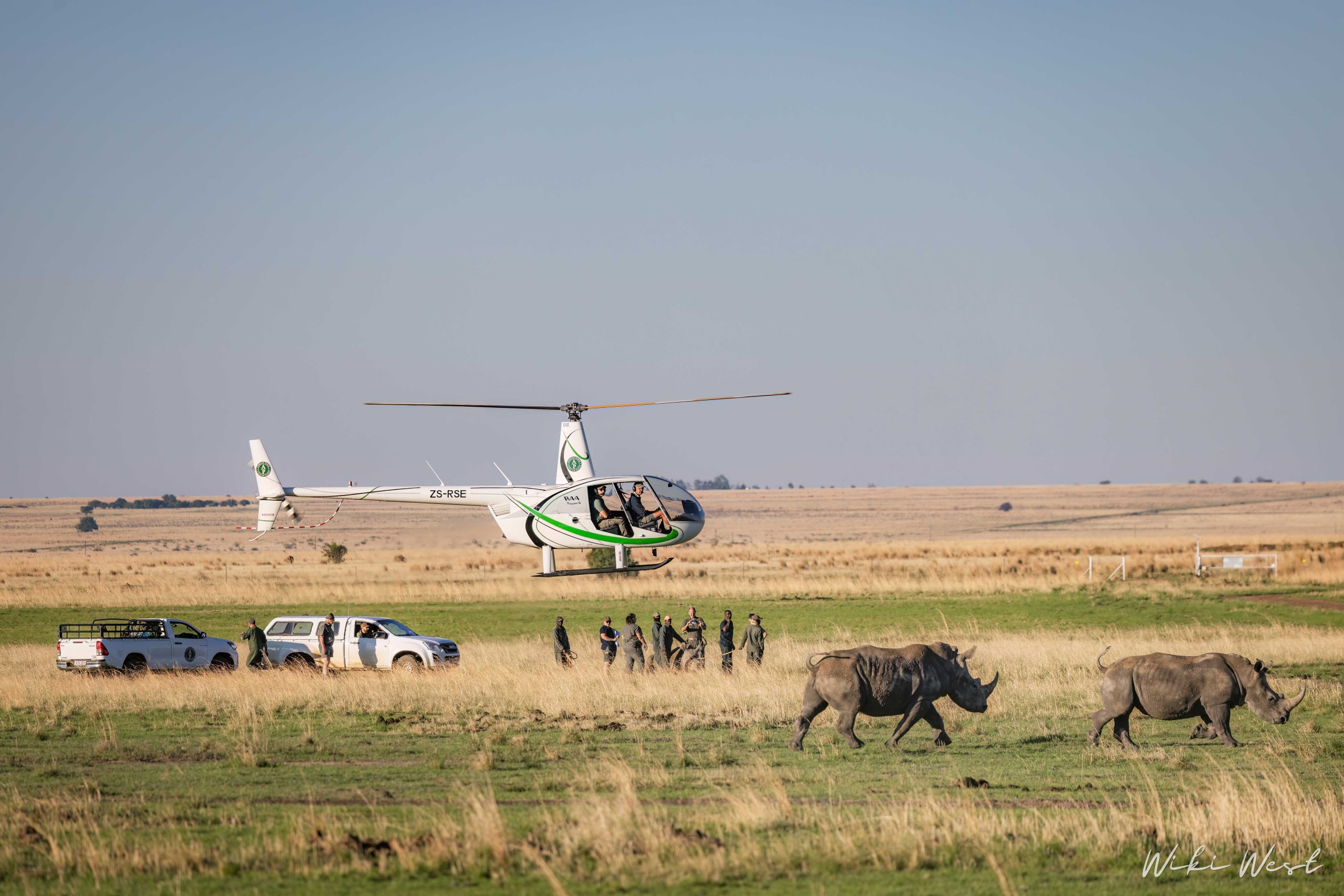
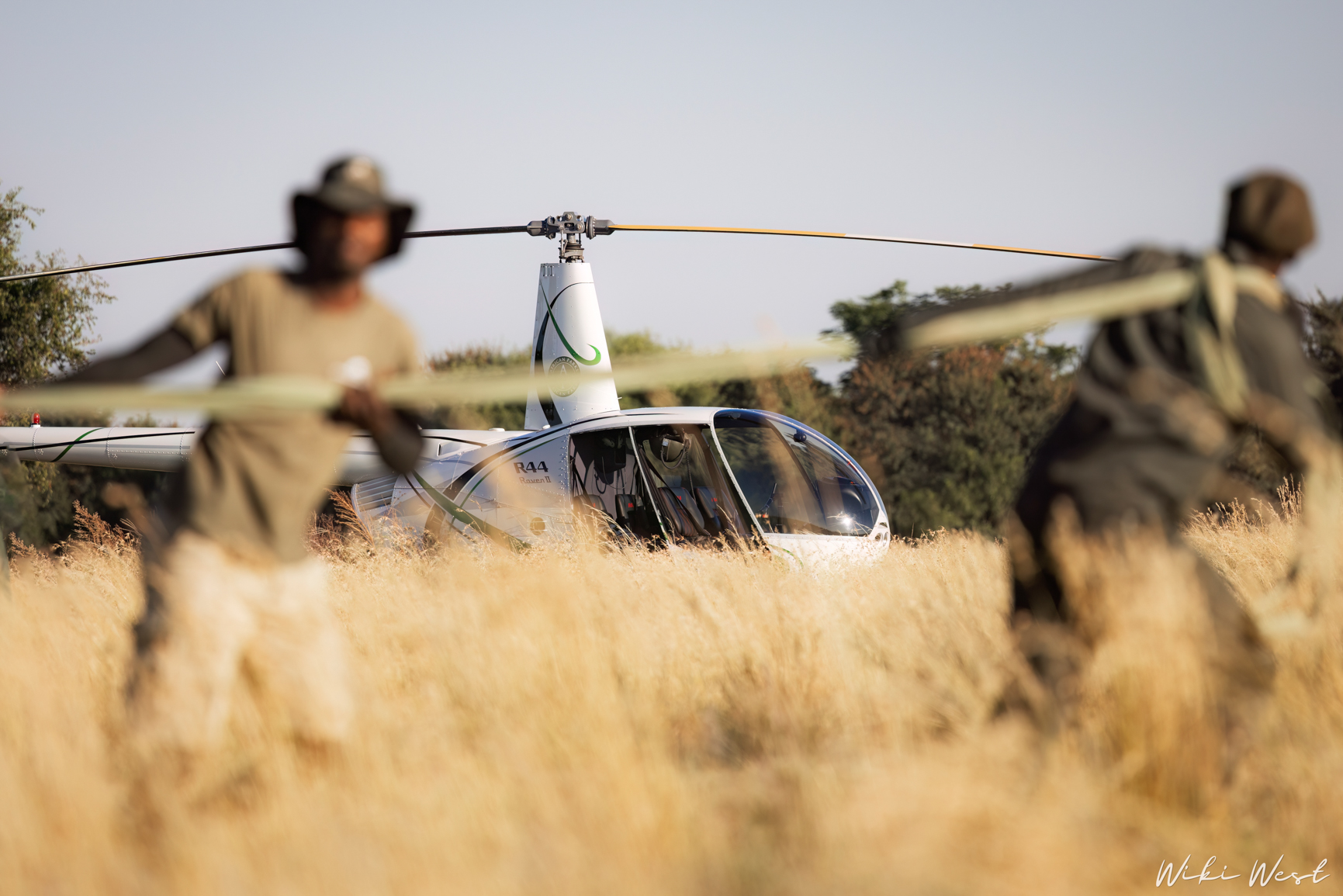
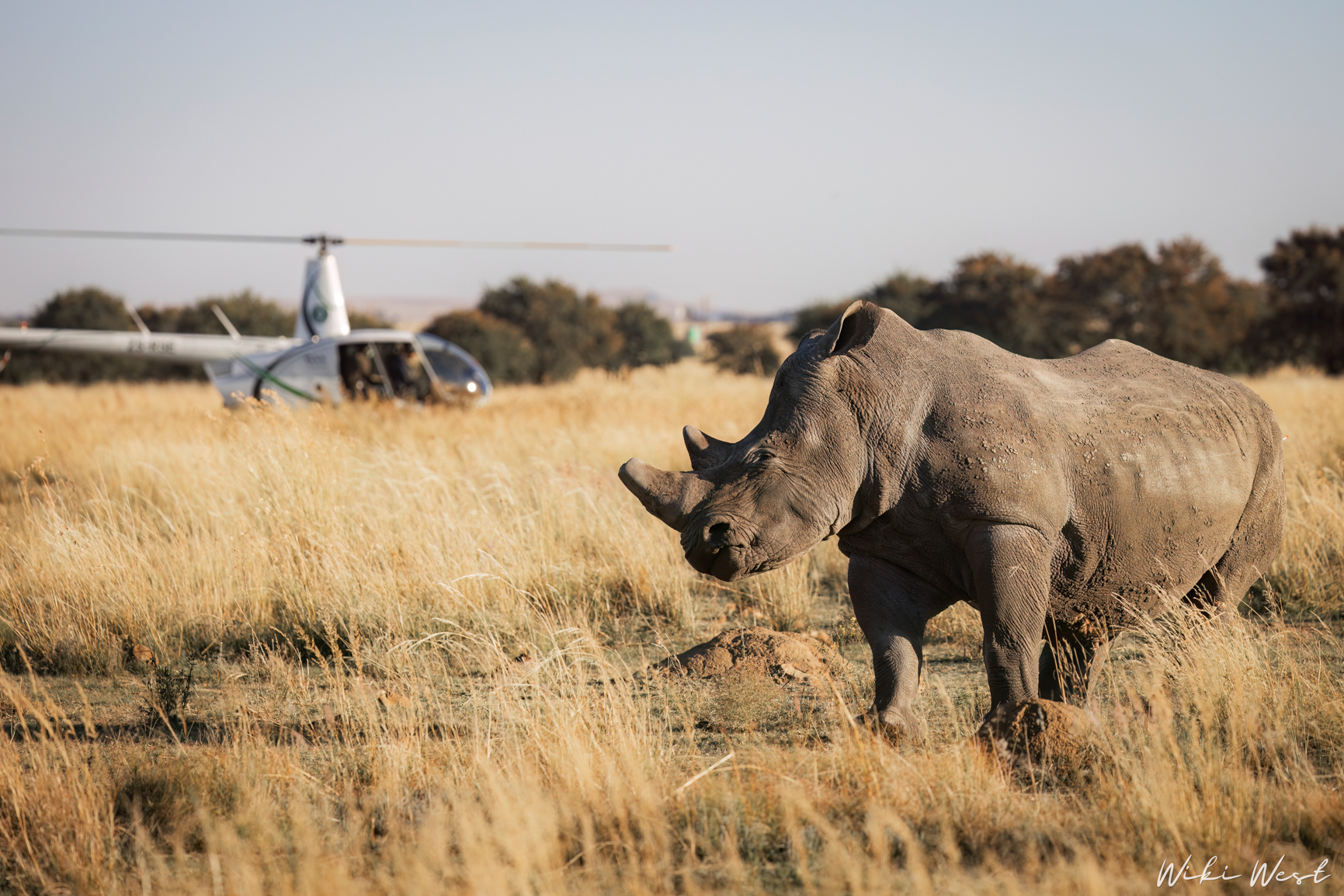
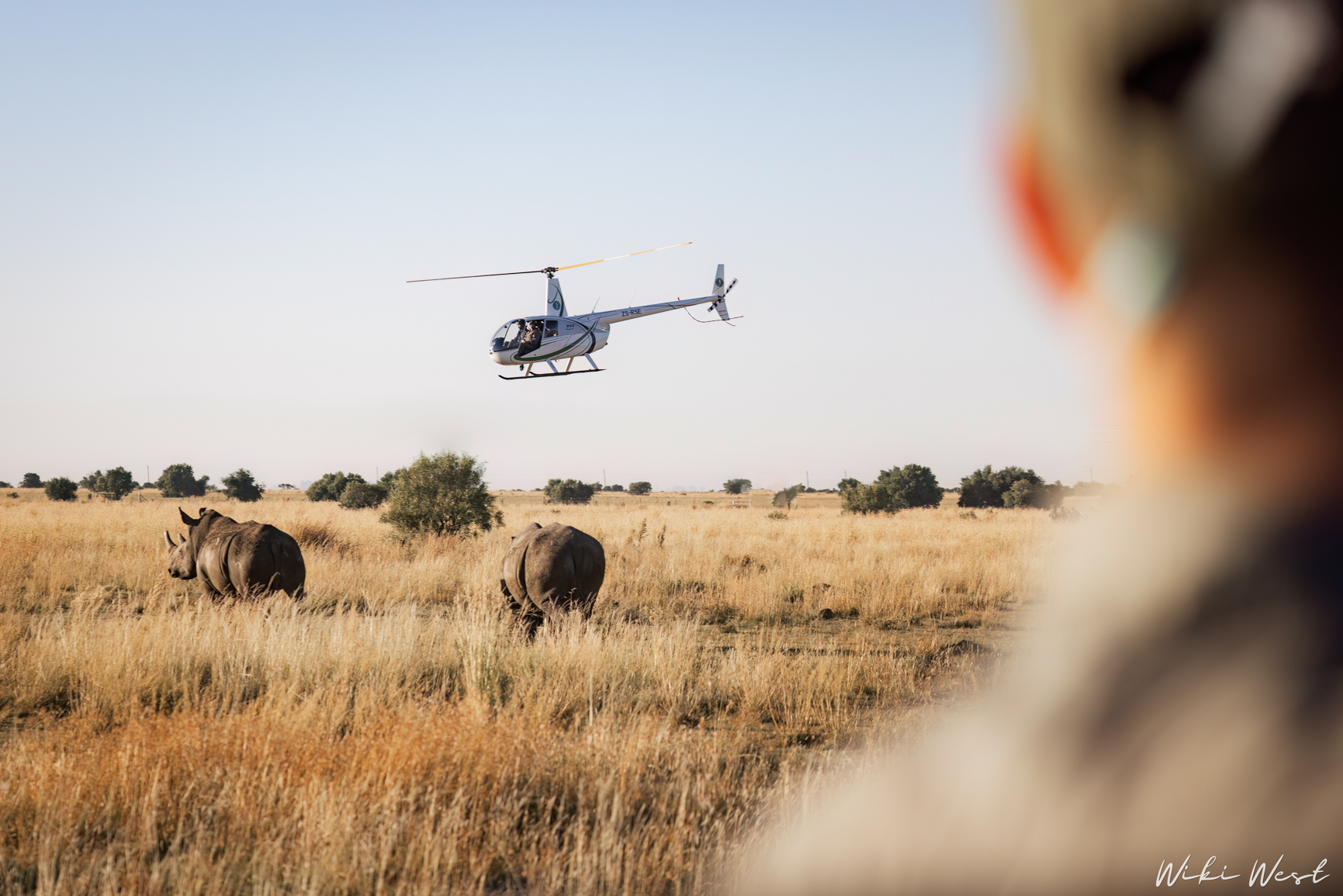
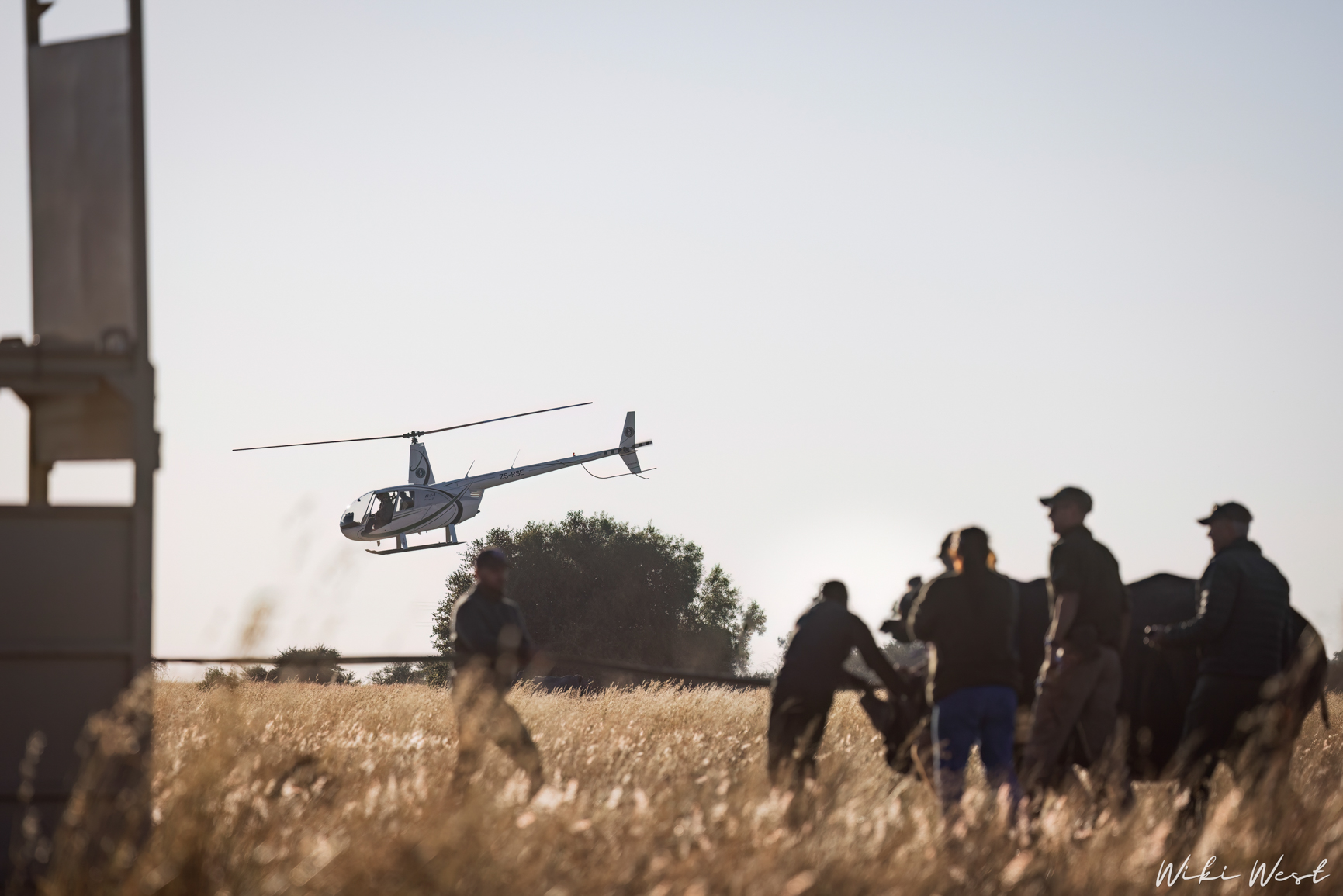
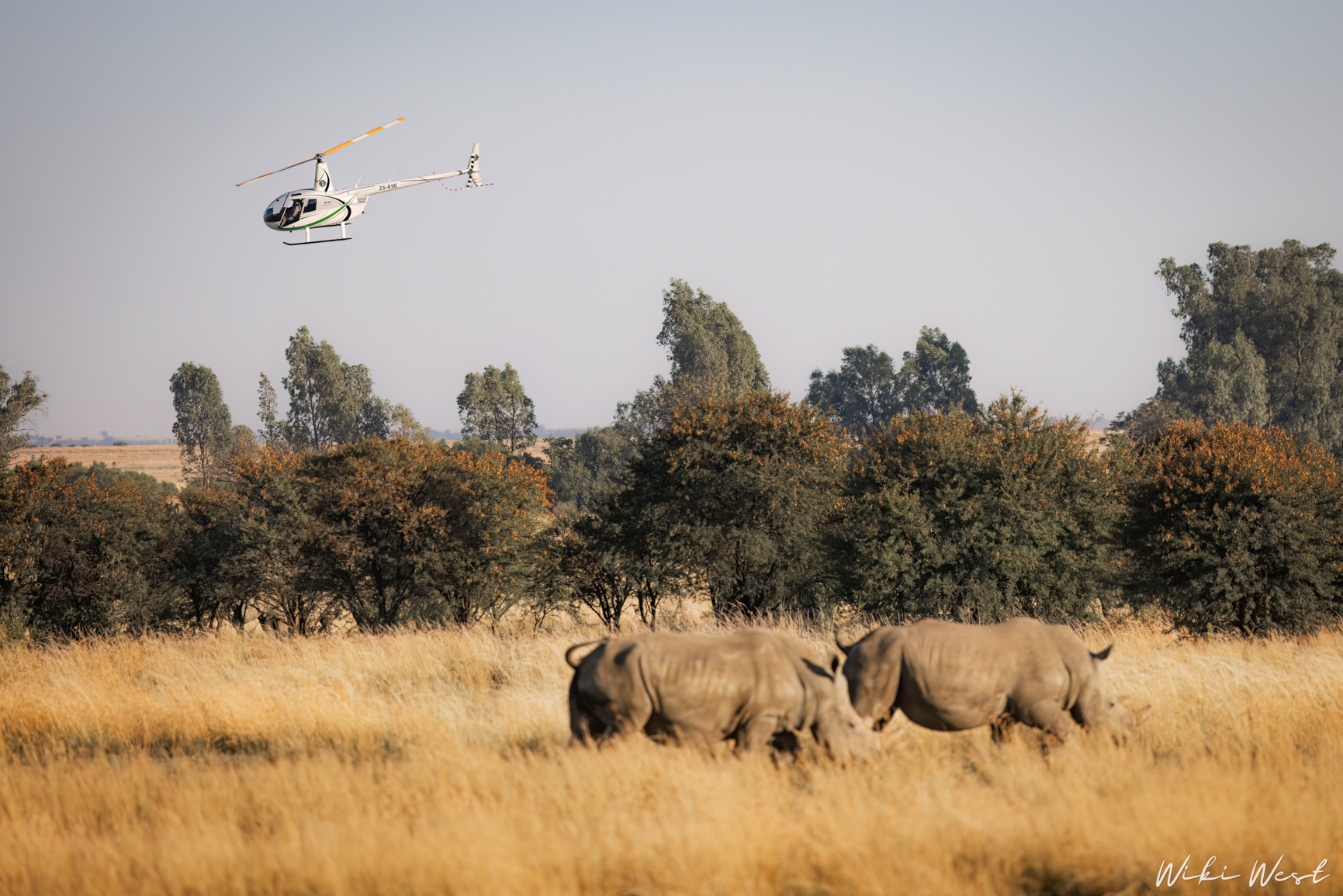
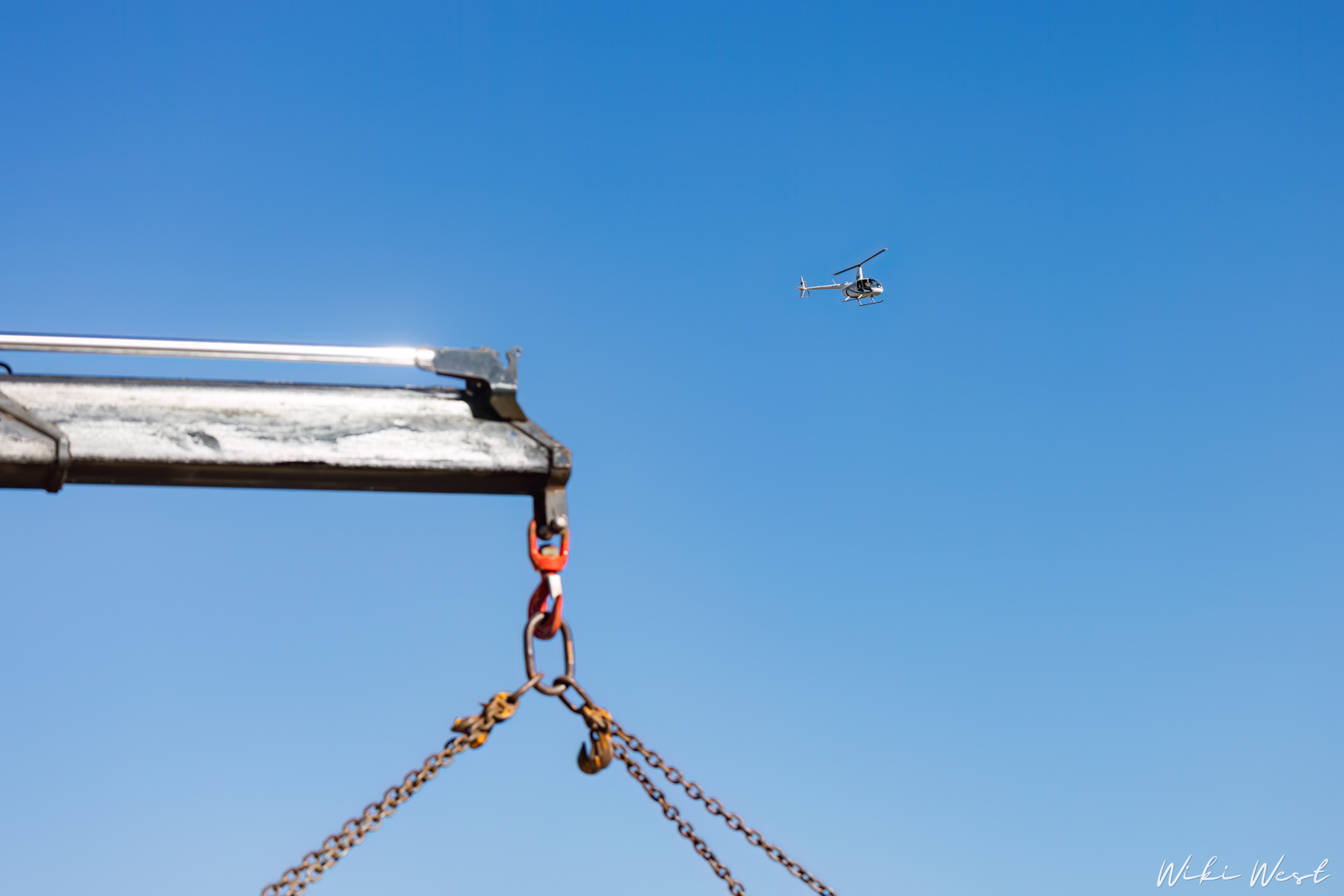
The initial phase involved helicopter darting, a carefully planned effort to sedate the rhinos from the air. The helicopter navigated the skies, its pilot expertly maneuvering as Joel Alves, a renowned veterinary expert and helicopter sharpshooter, readied his tranquilizers. Each dart was crucial, requiring the team to work swiftly to ensure that the rhinos did not flee too far, received the correct dosage, and landed in a location accessible to the terrestrial capture teams who would lead them to the crates.

Joel Alves explained, “We prioritize animal welfare as much as possible by controlling the drug dosages for darting in the field, ensuring they are safely transported to the crates, and managing their welfare within those crates. This comes down to effective tranquilization to ensure that the animals stay healthy, and having drugs on hand if they become too lively inside the crates.”

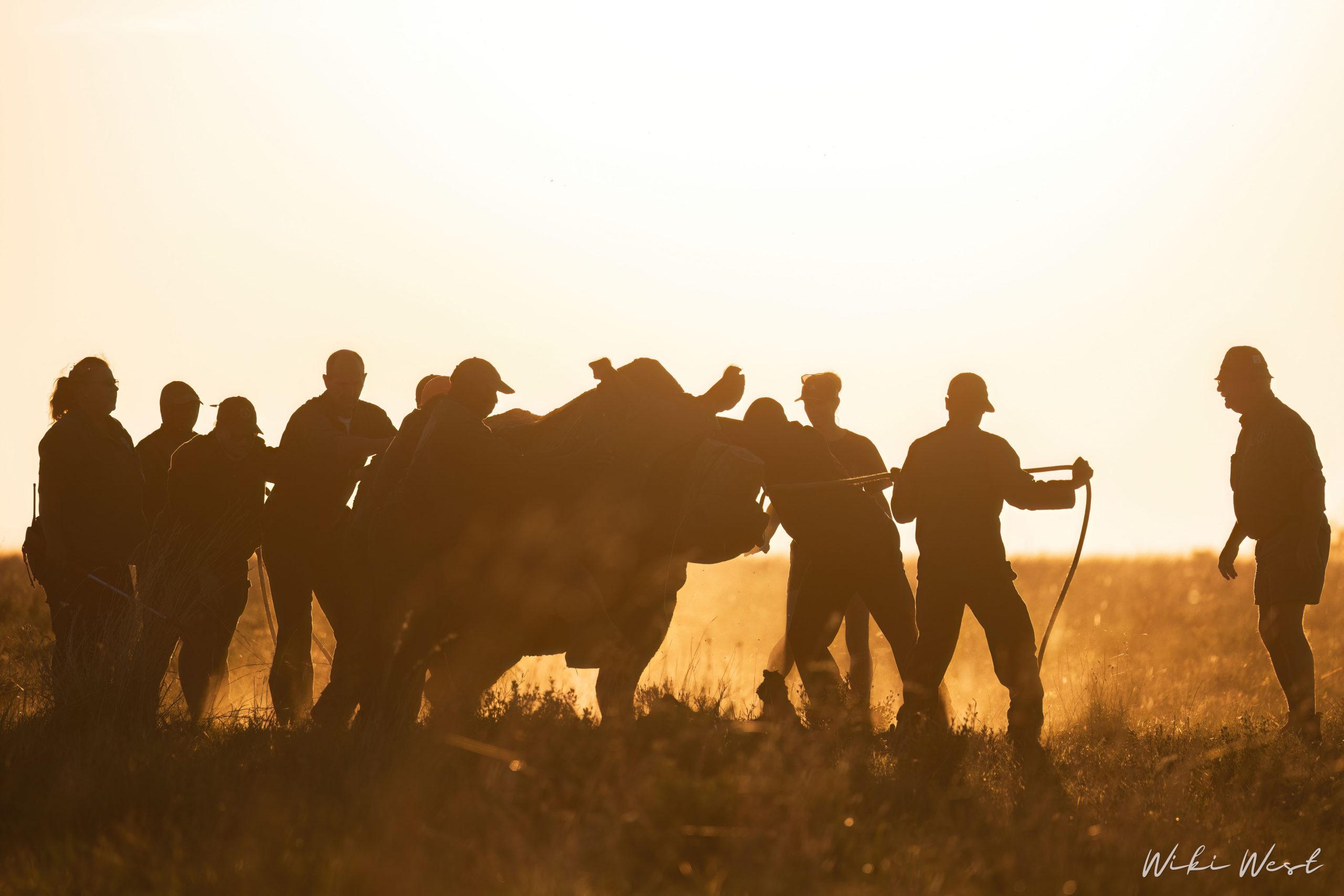
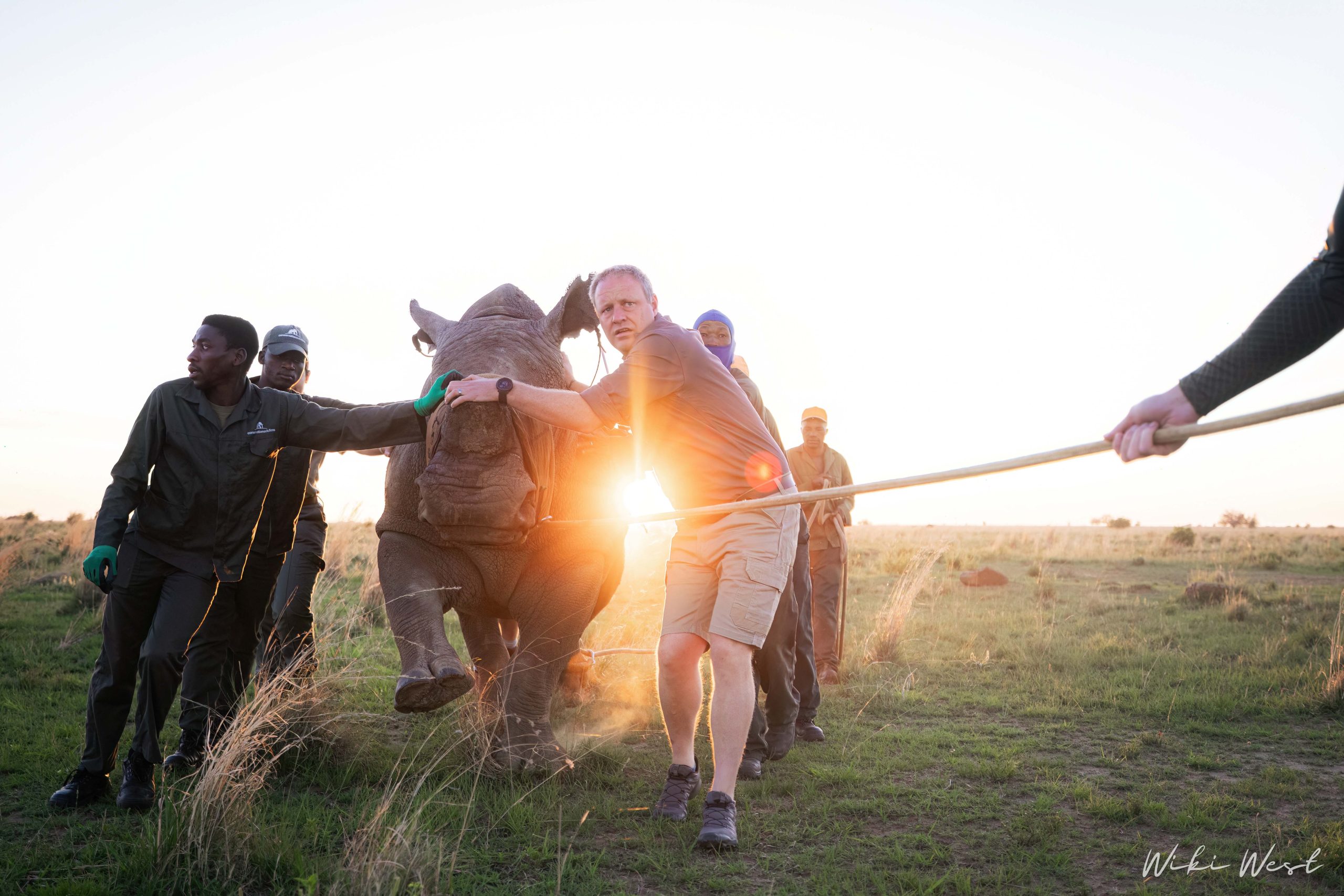
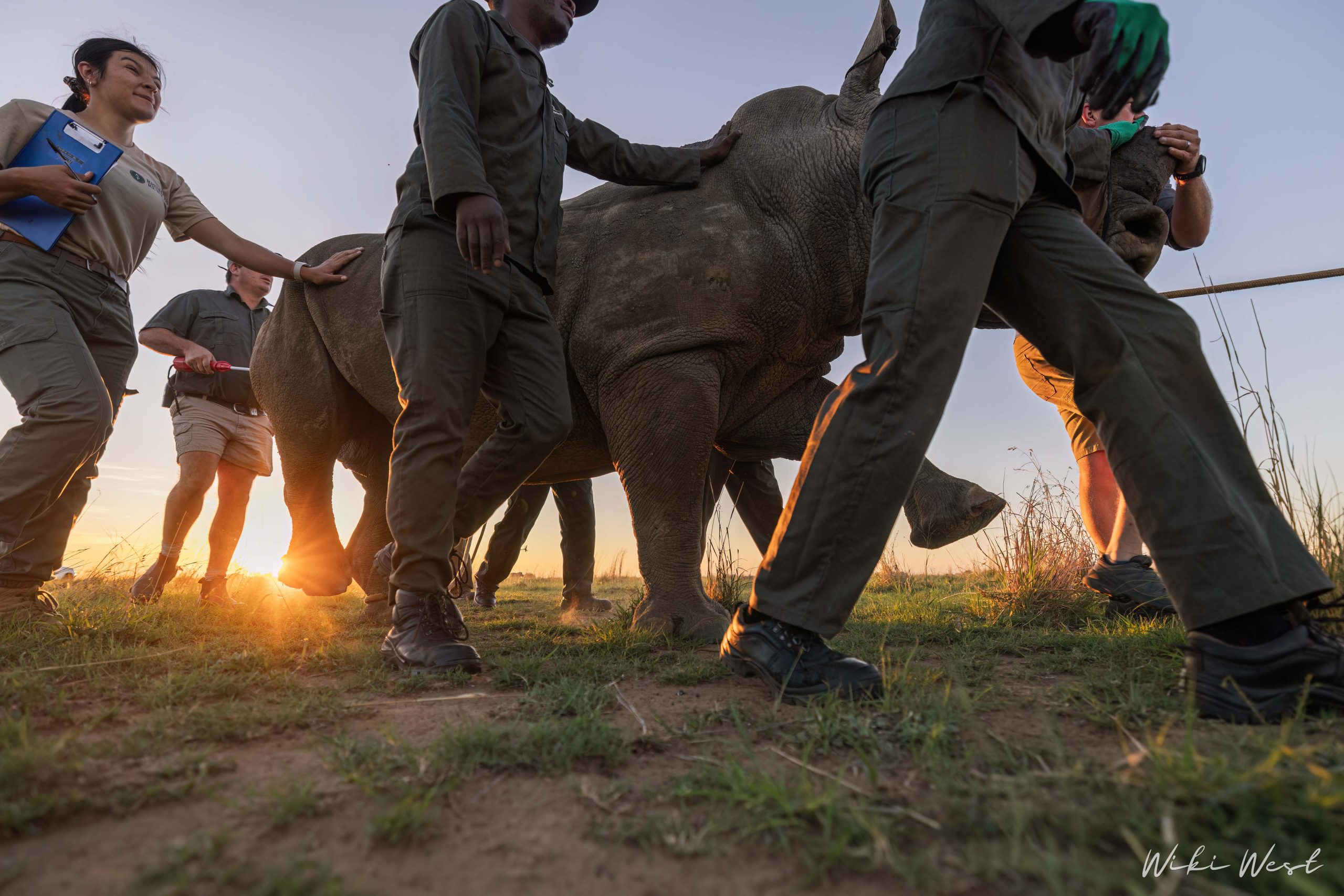
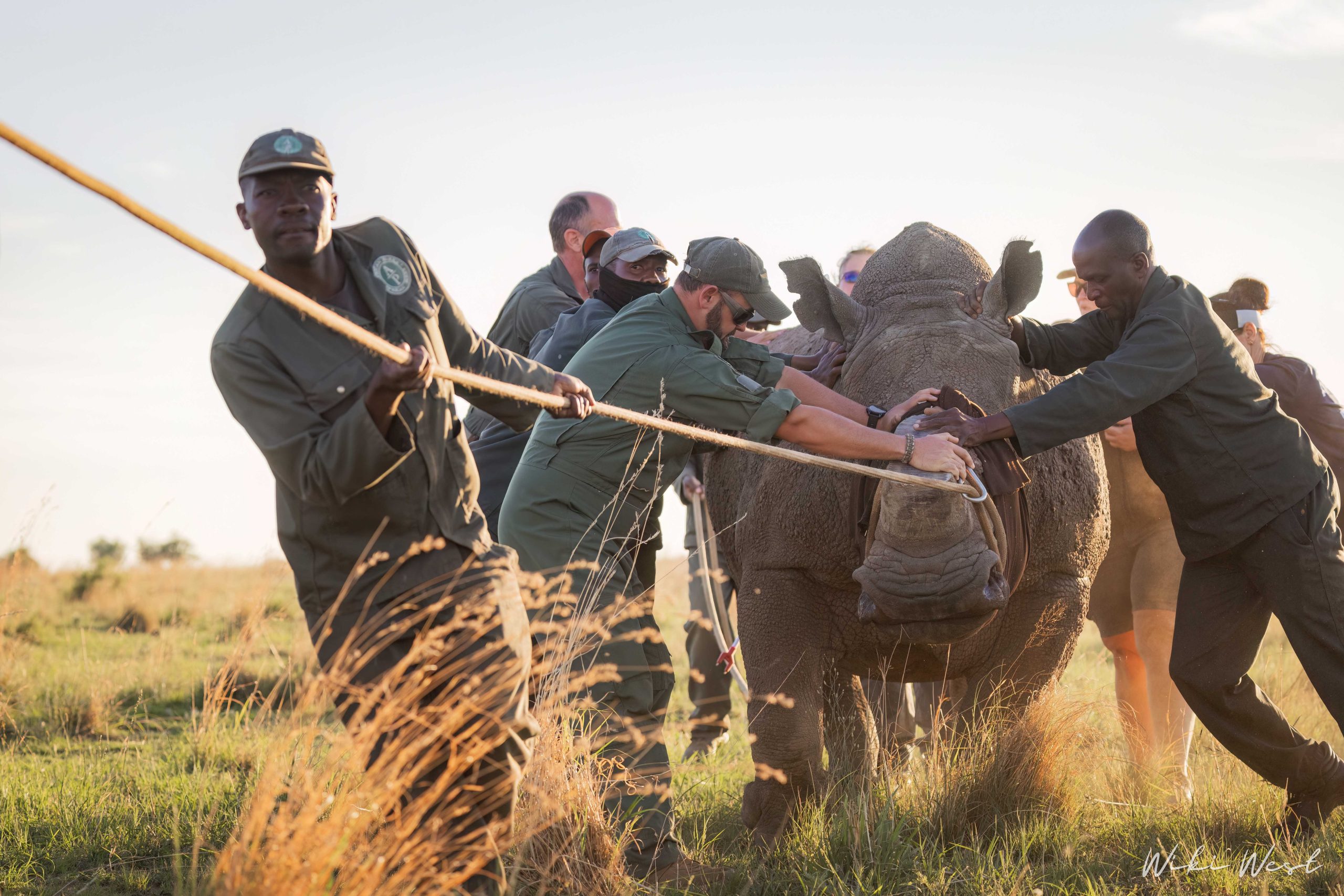
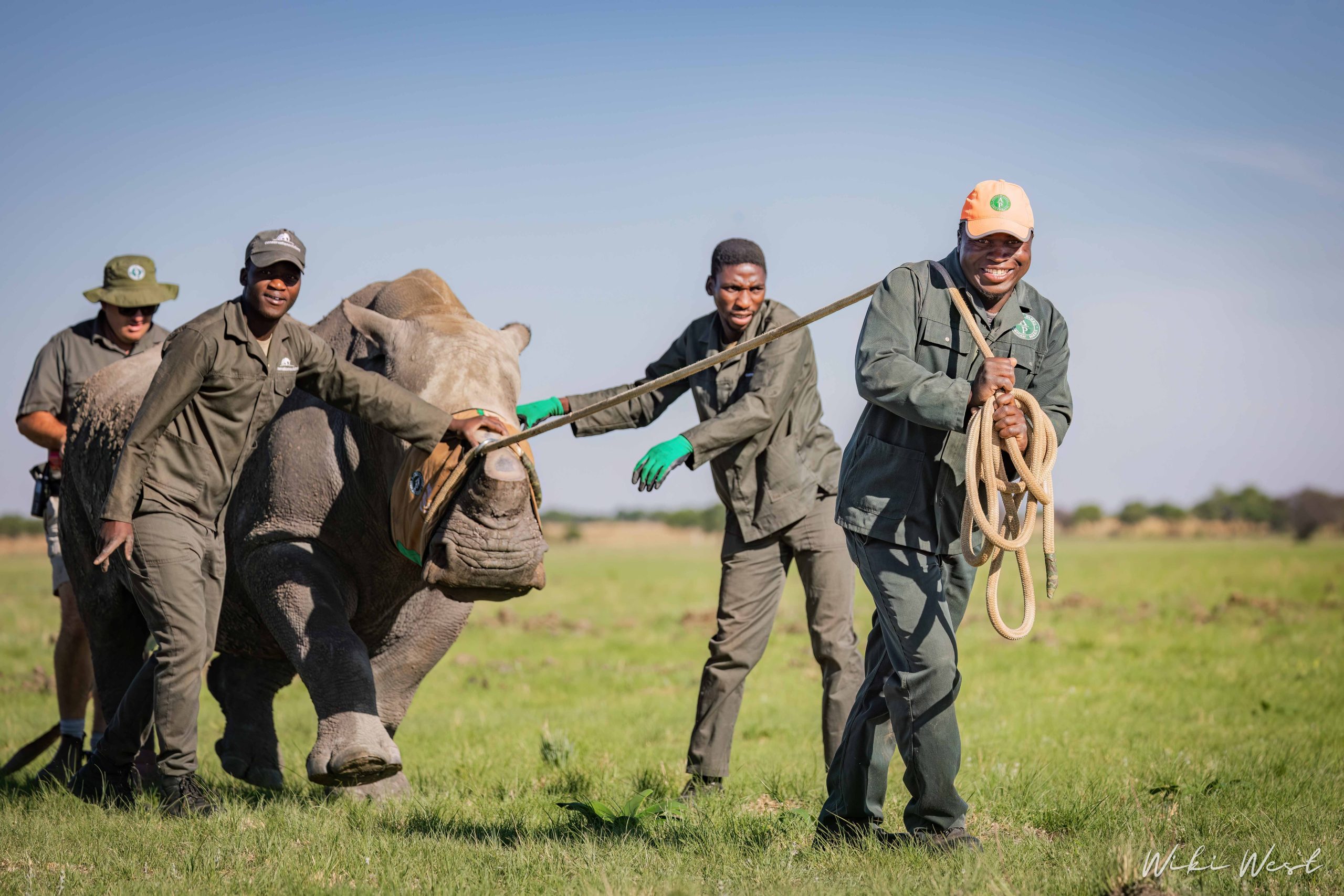
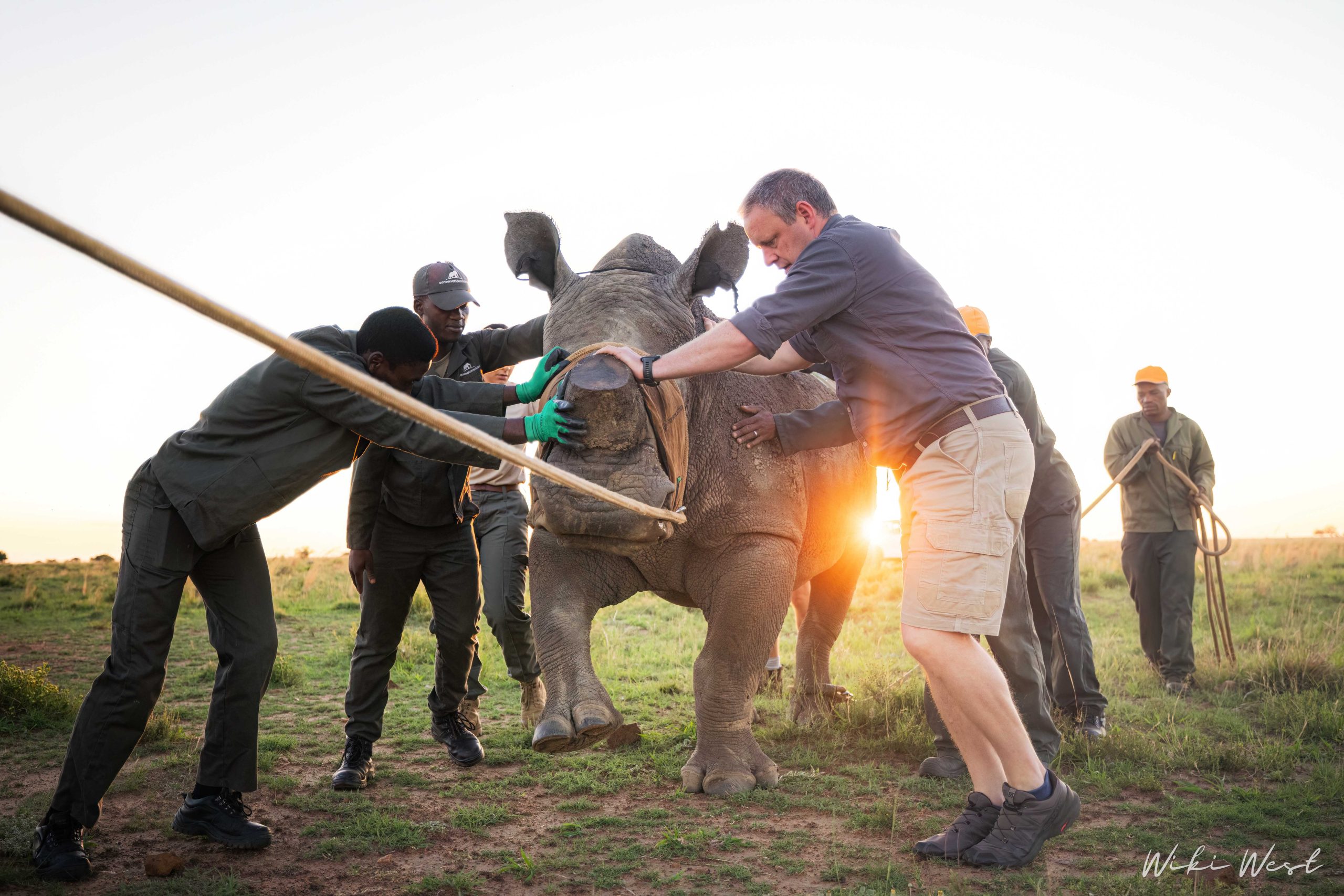
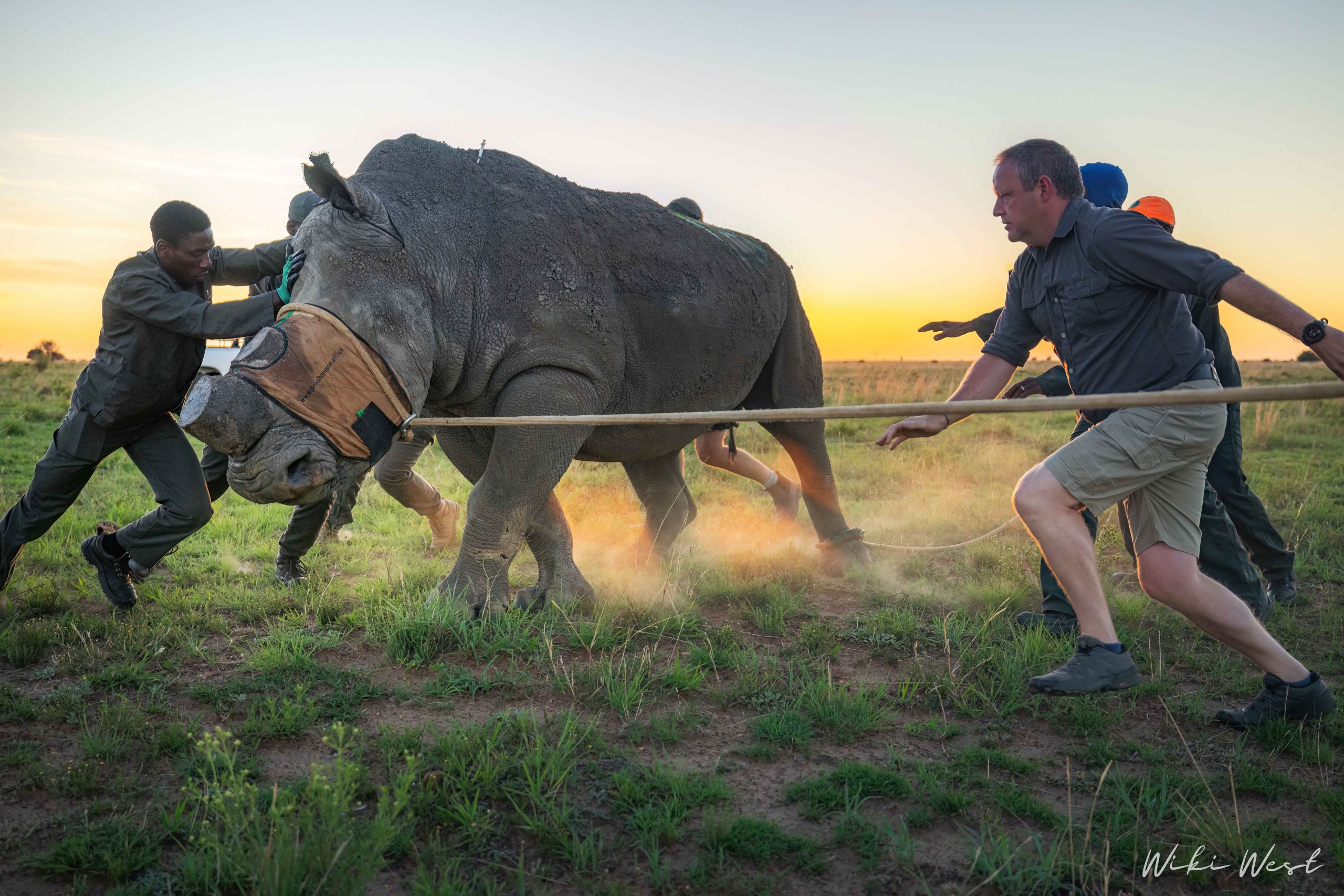
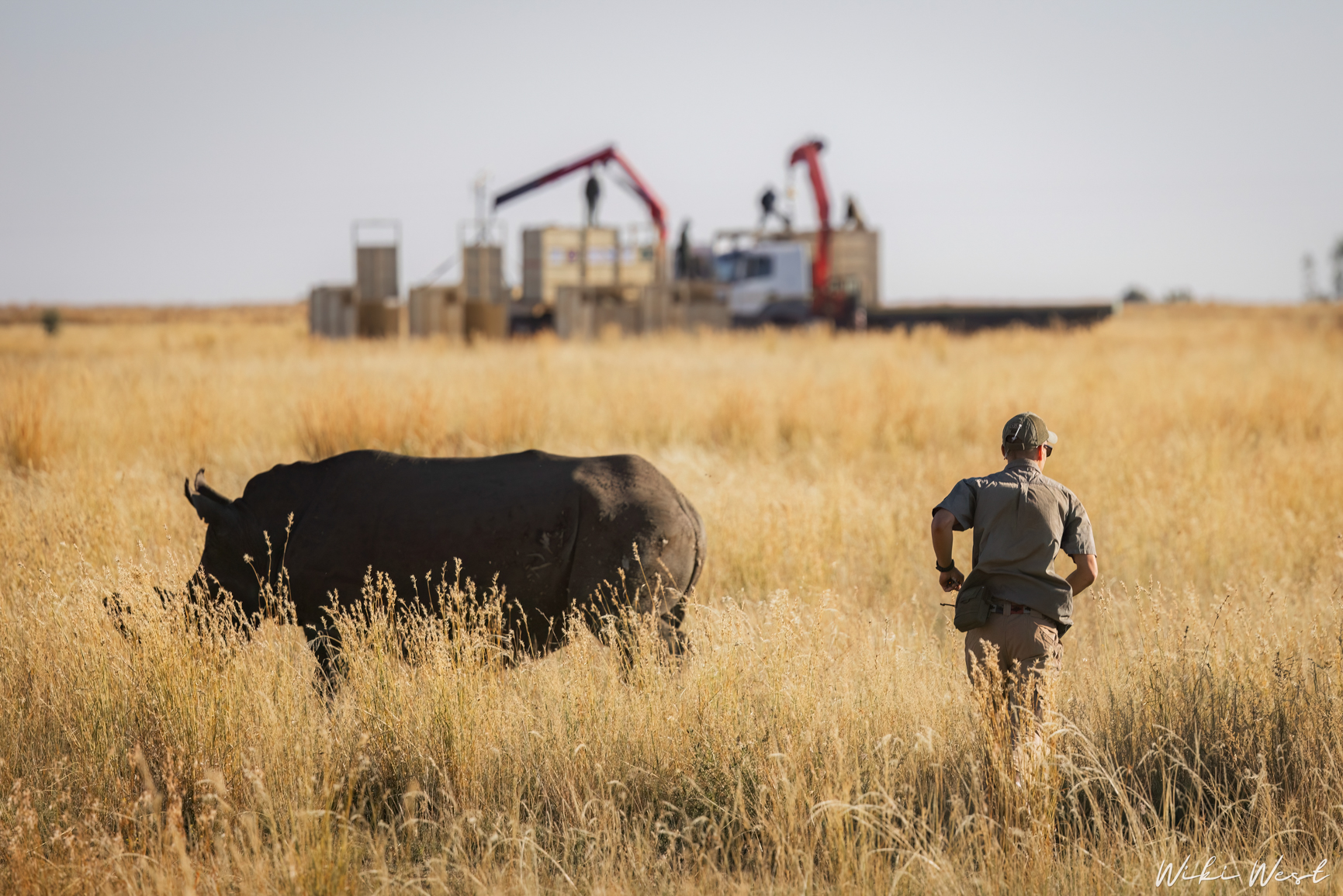
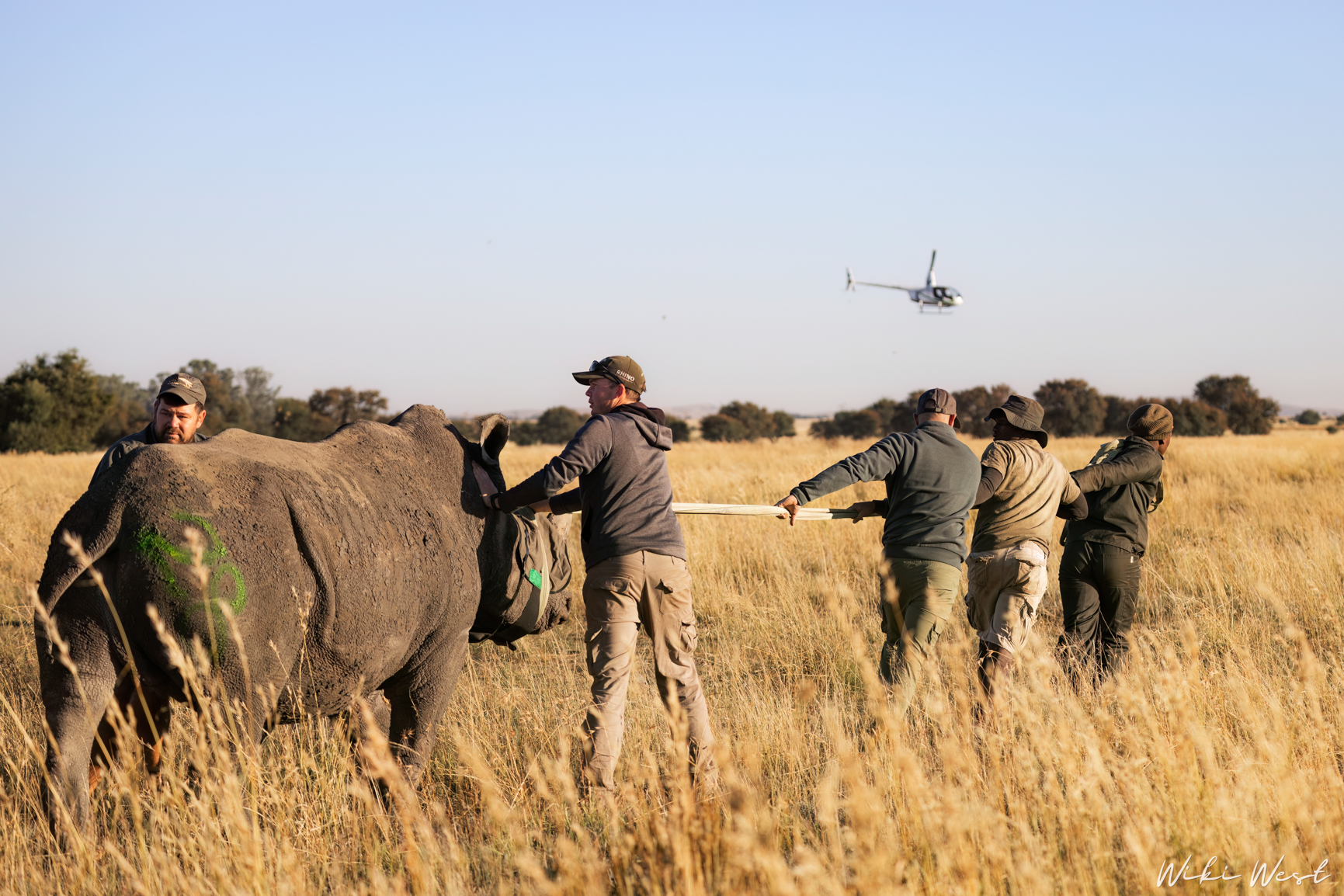
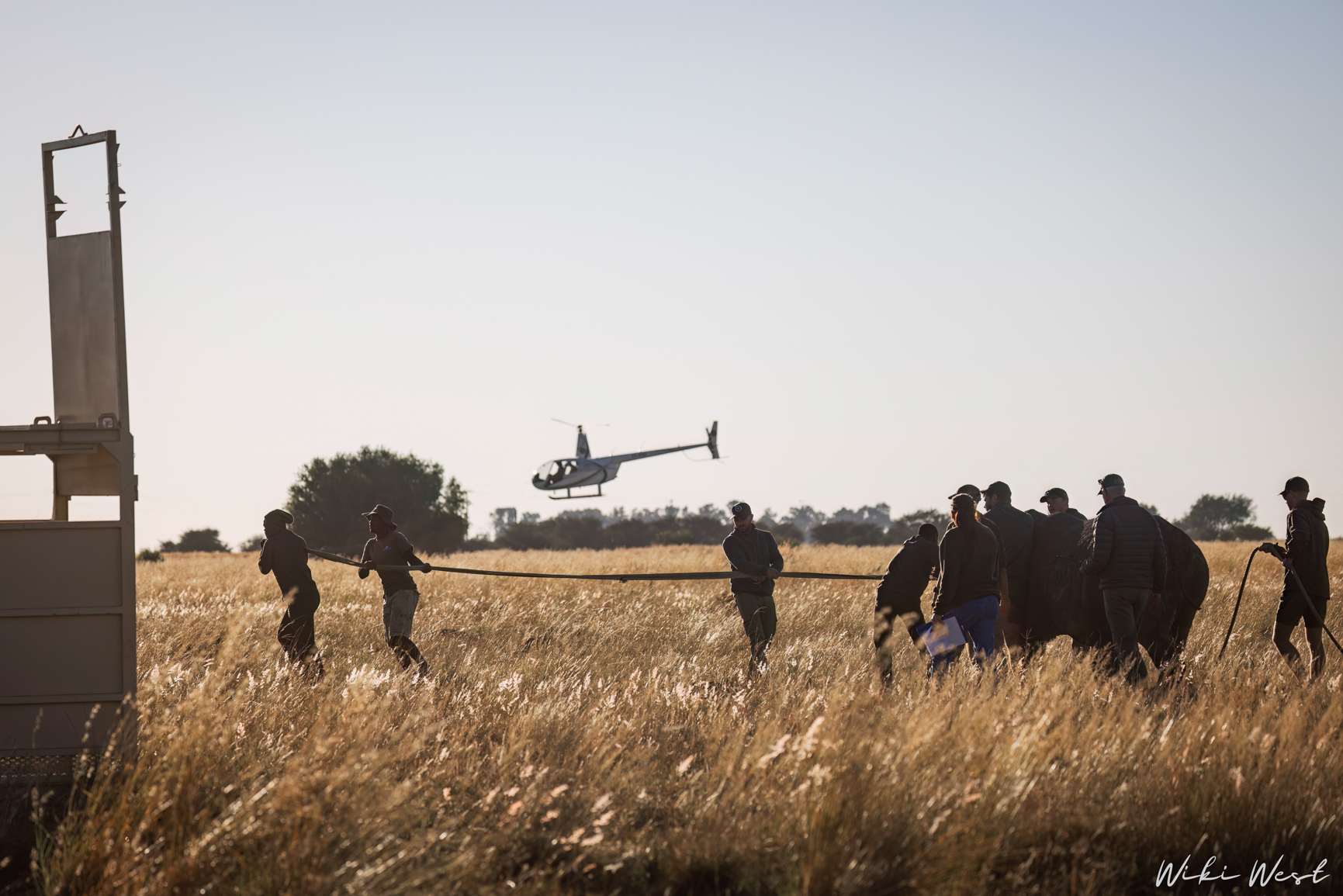
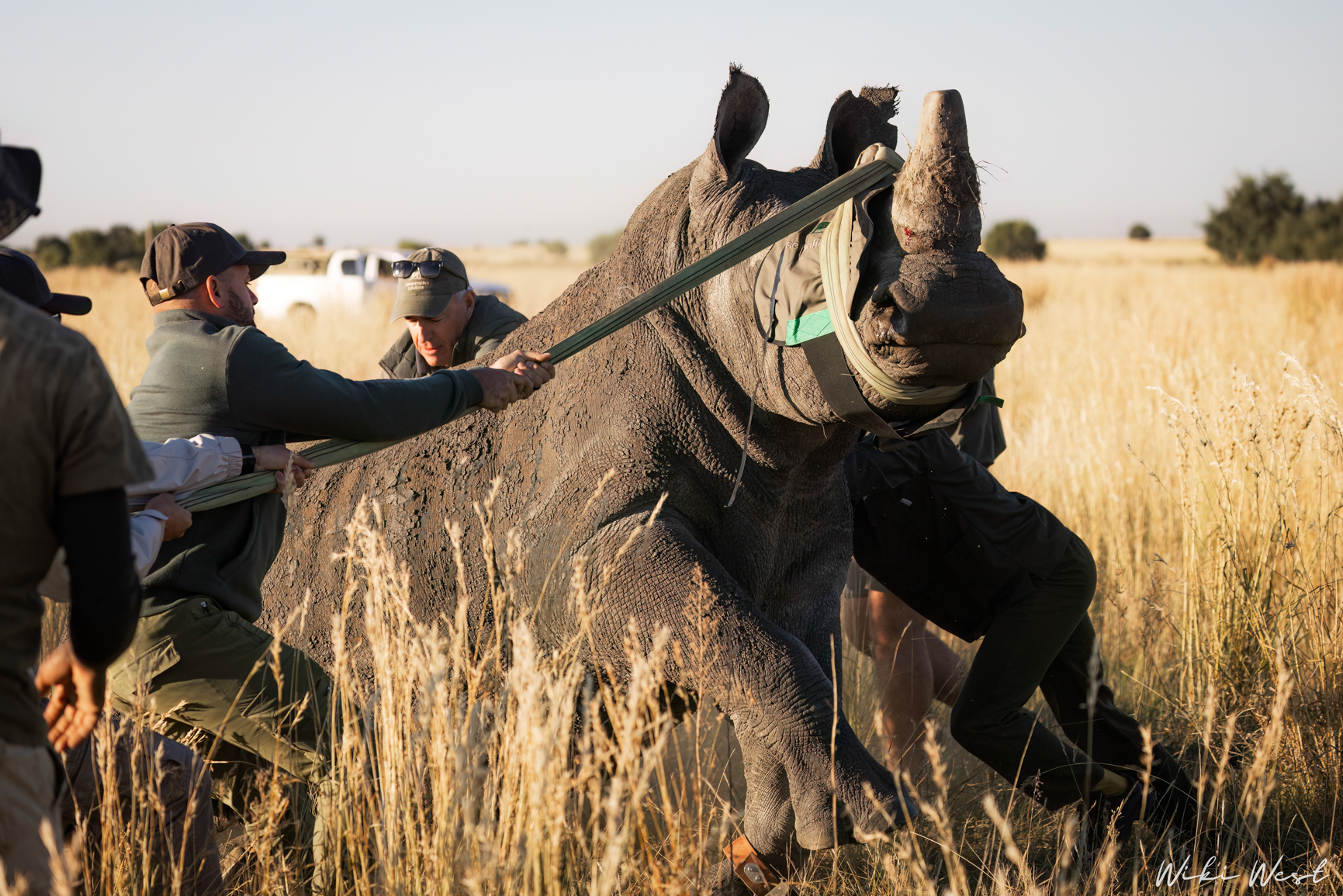
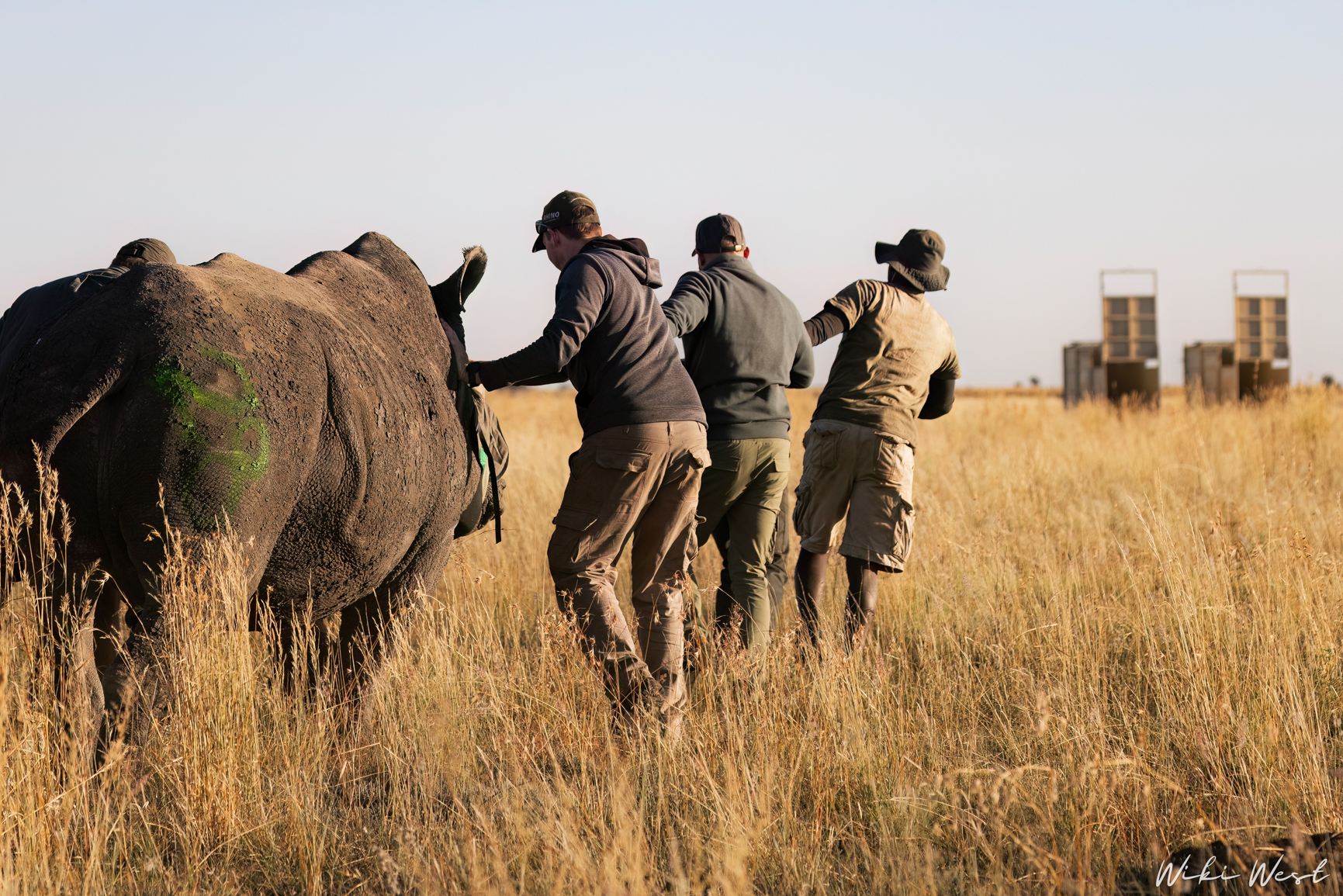
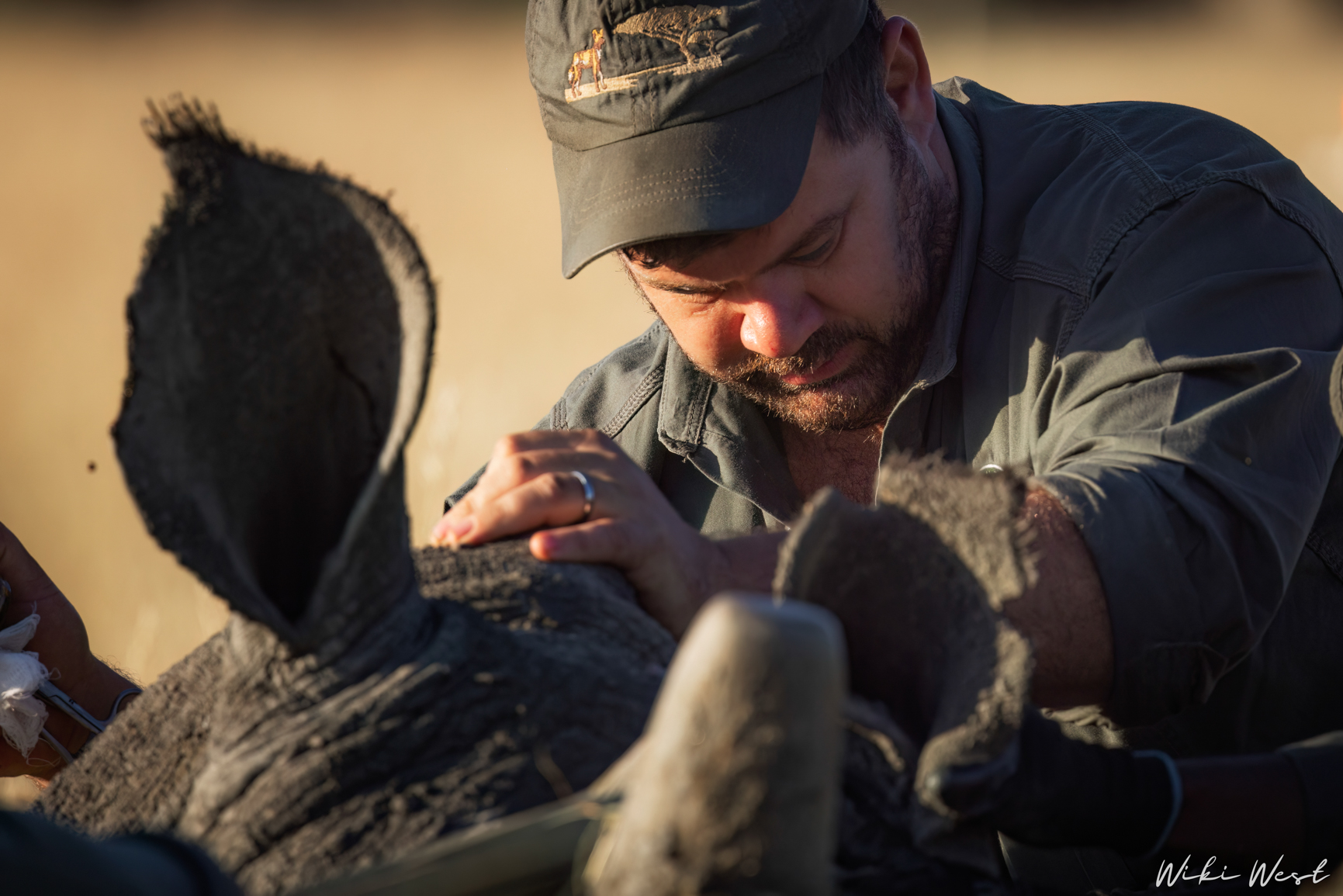
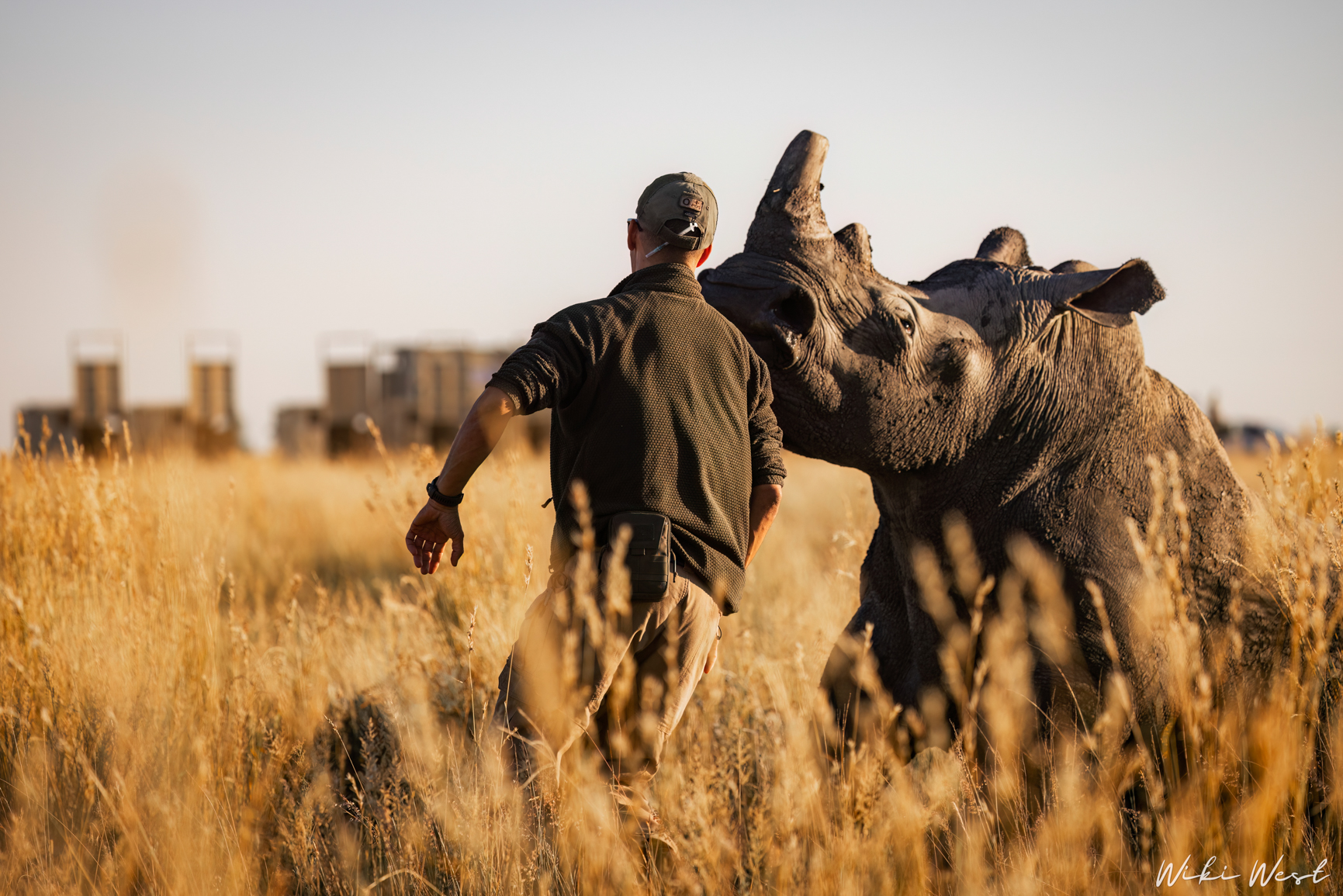
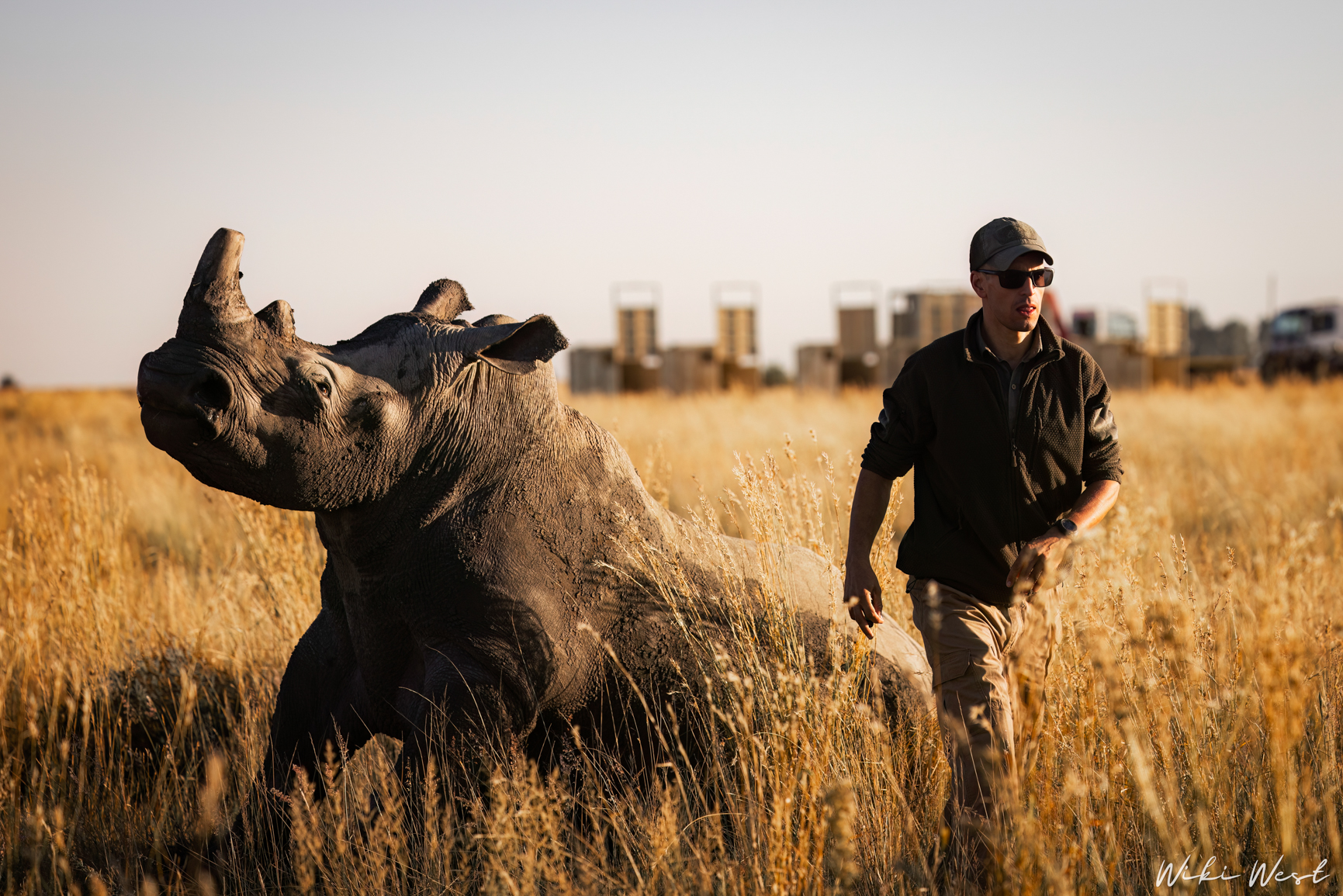
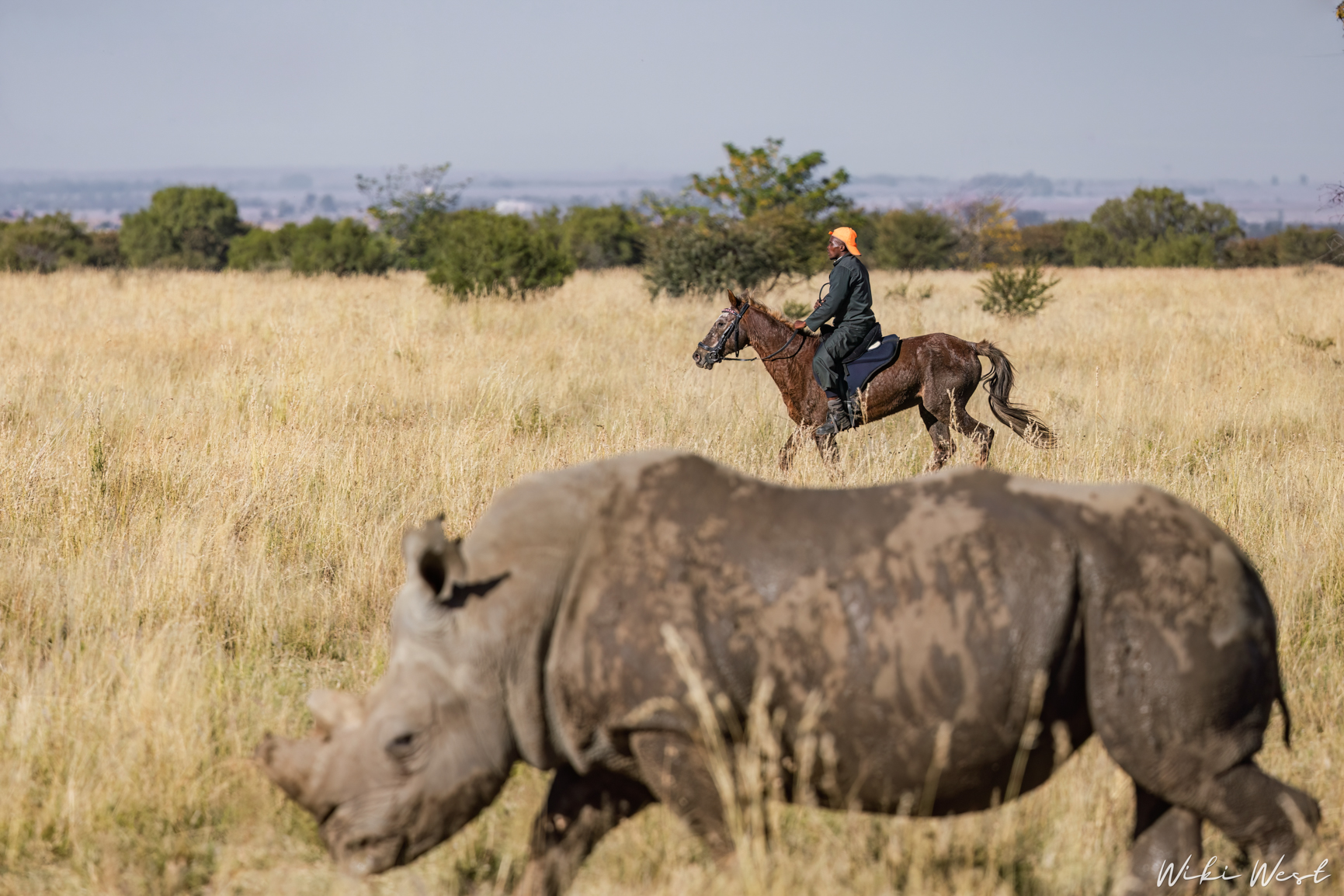
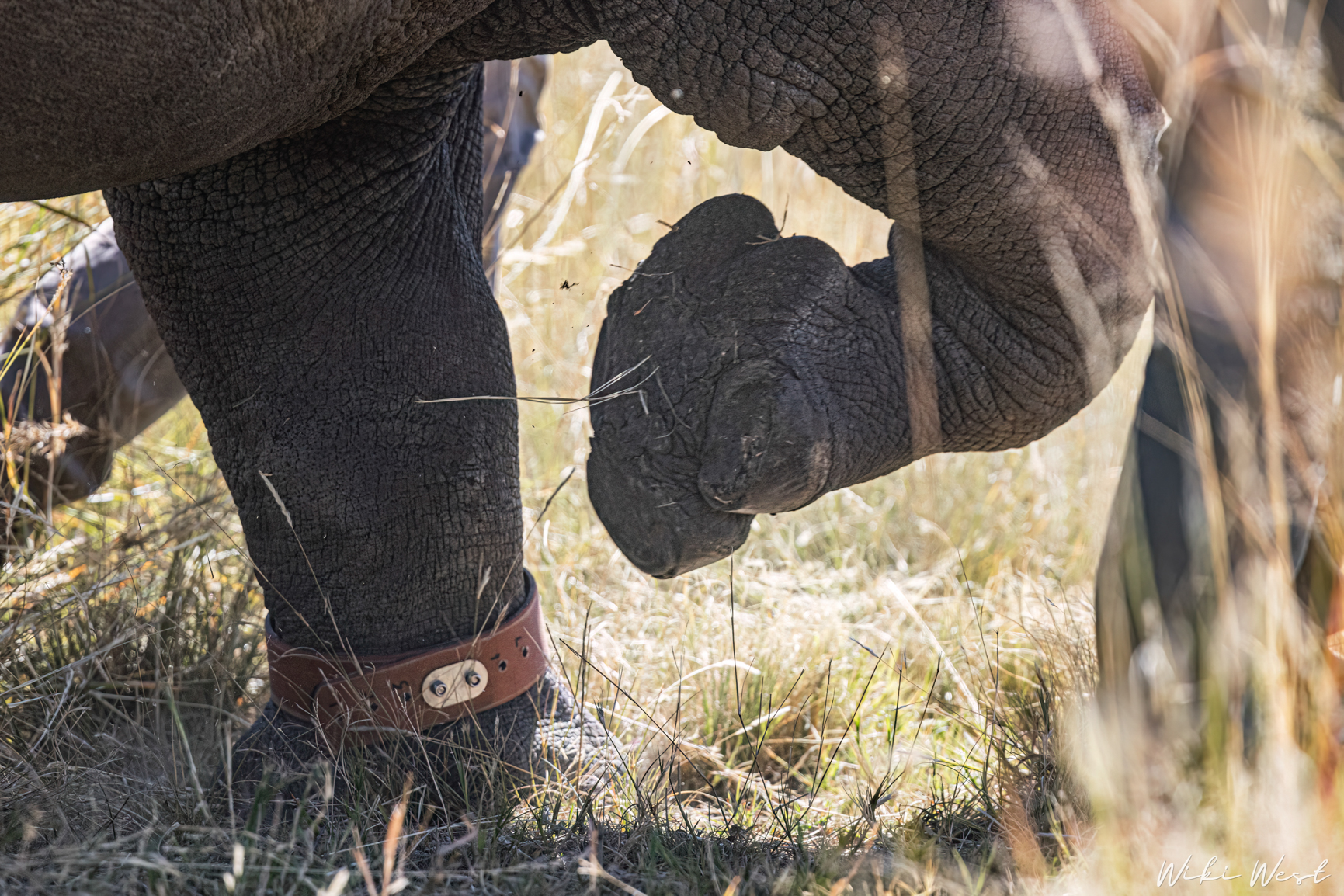
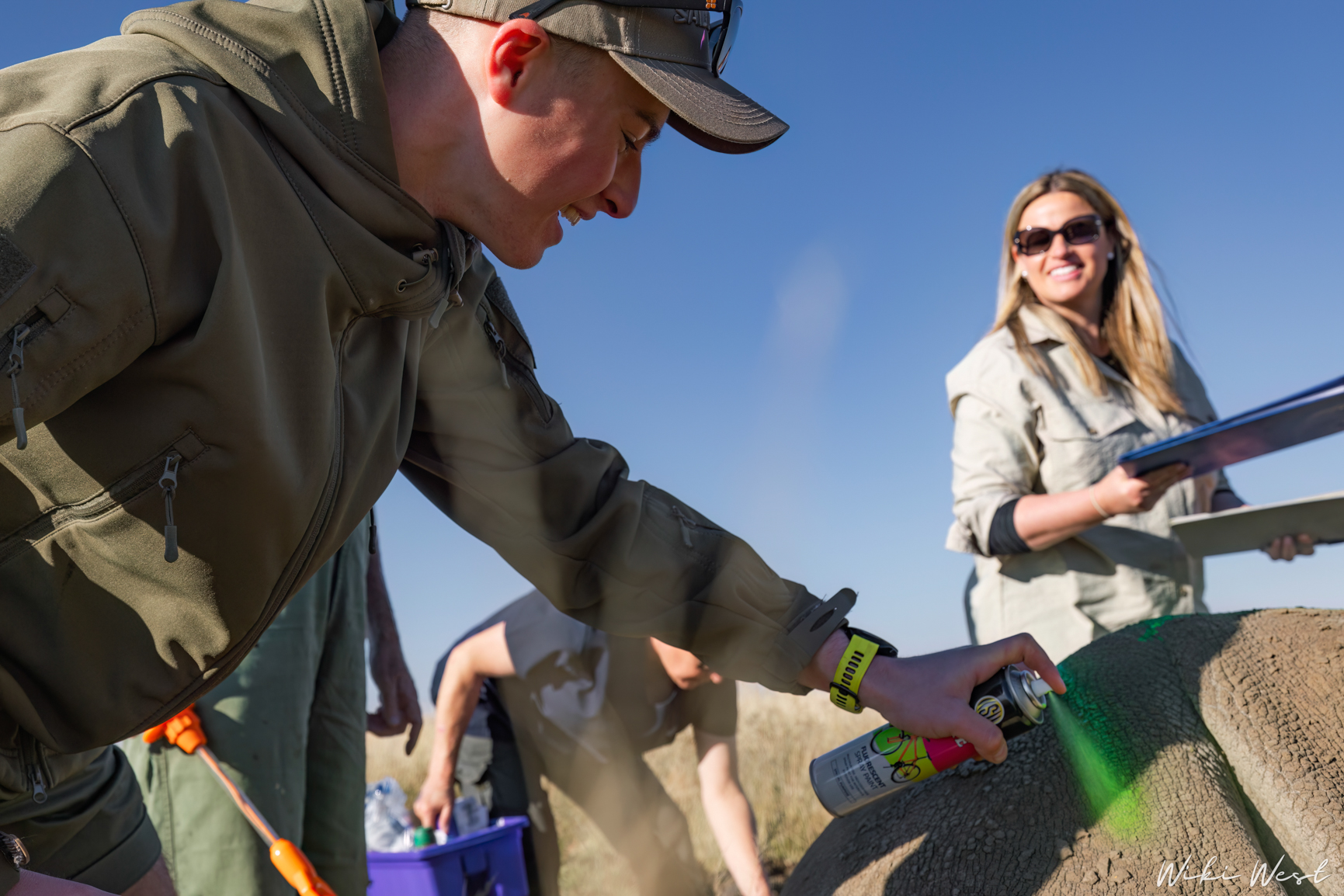
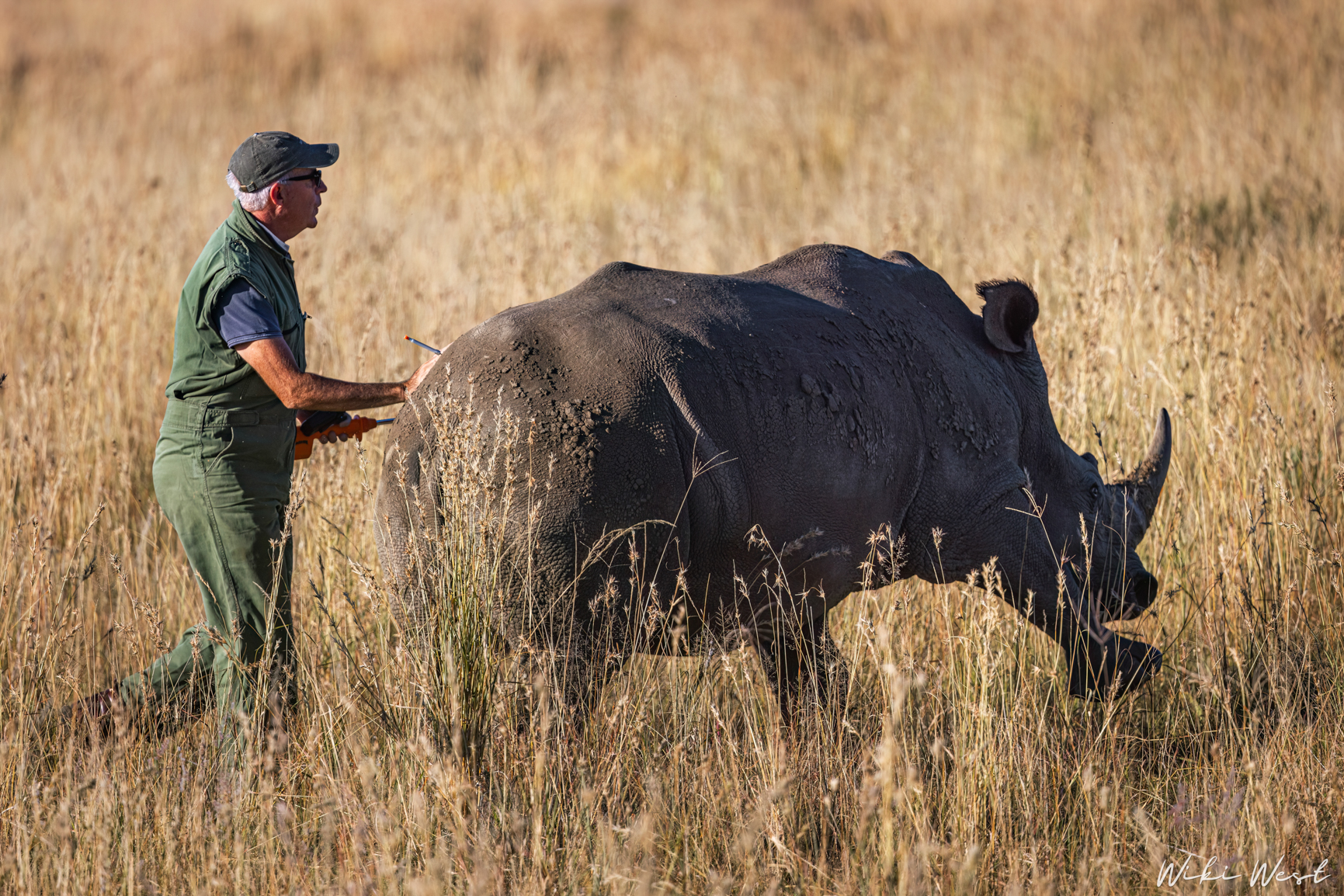
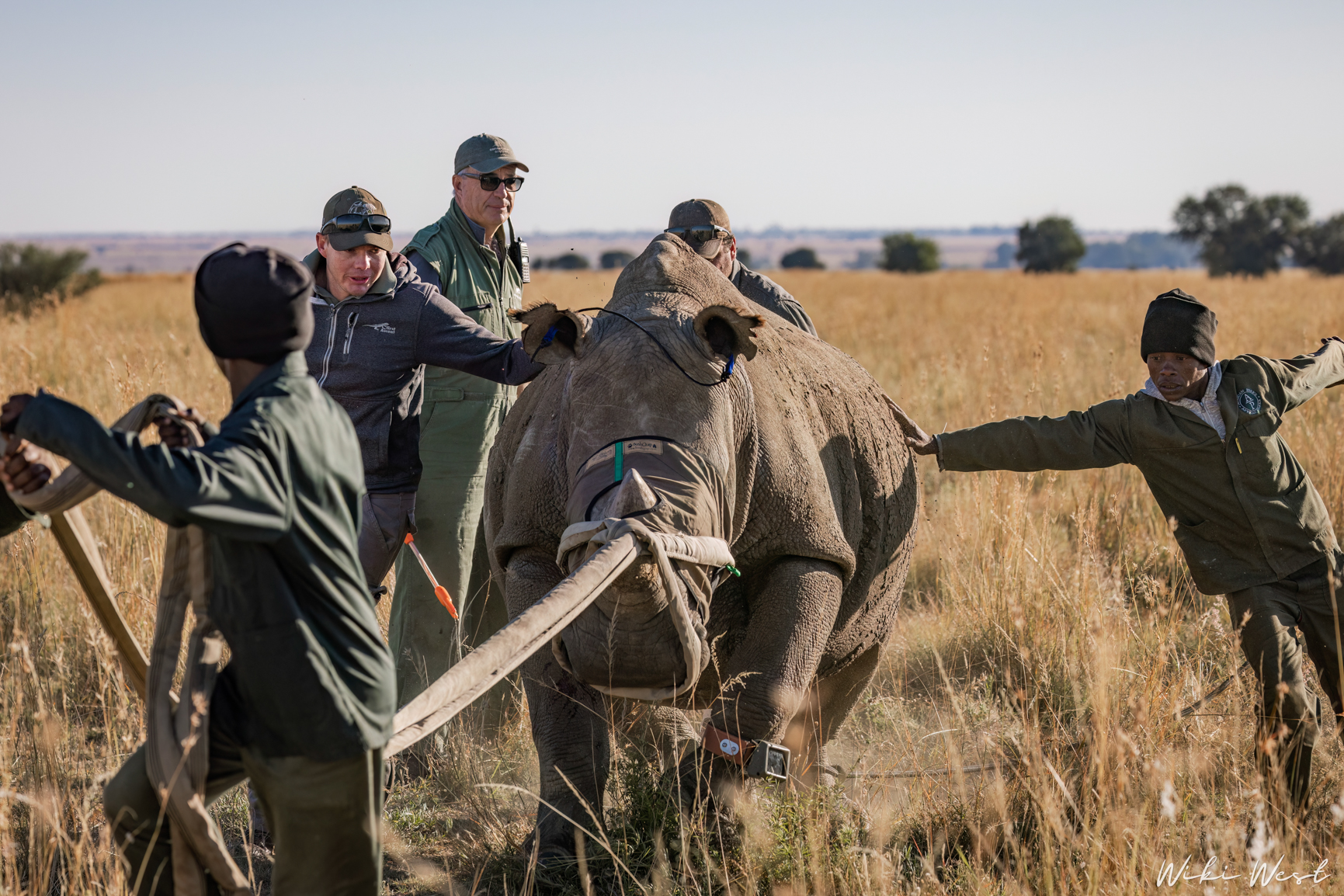
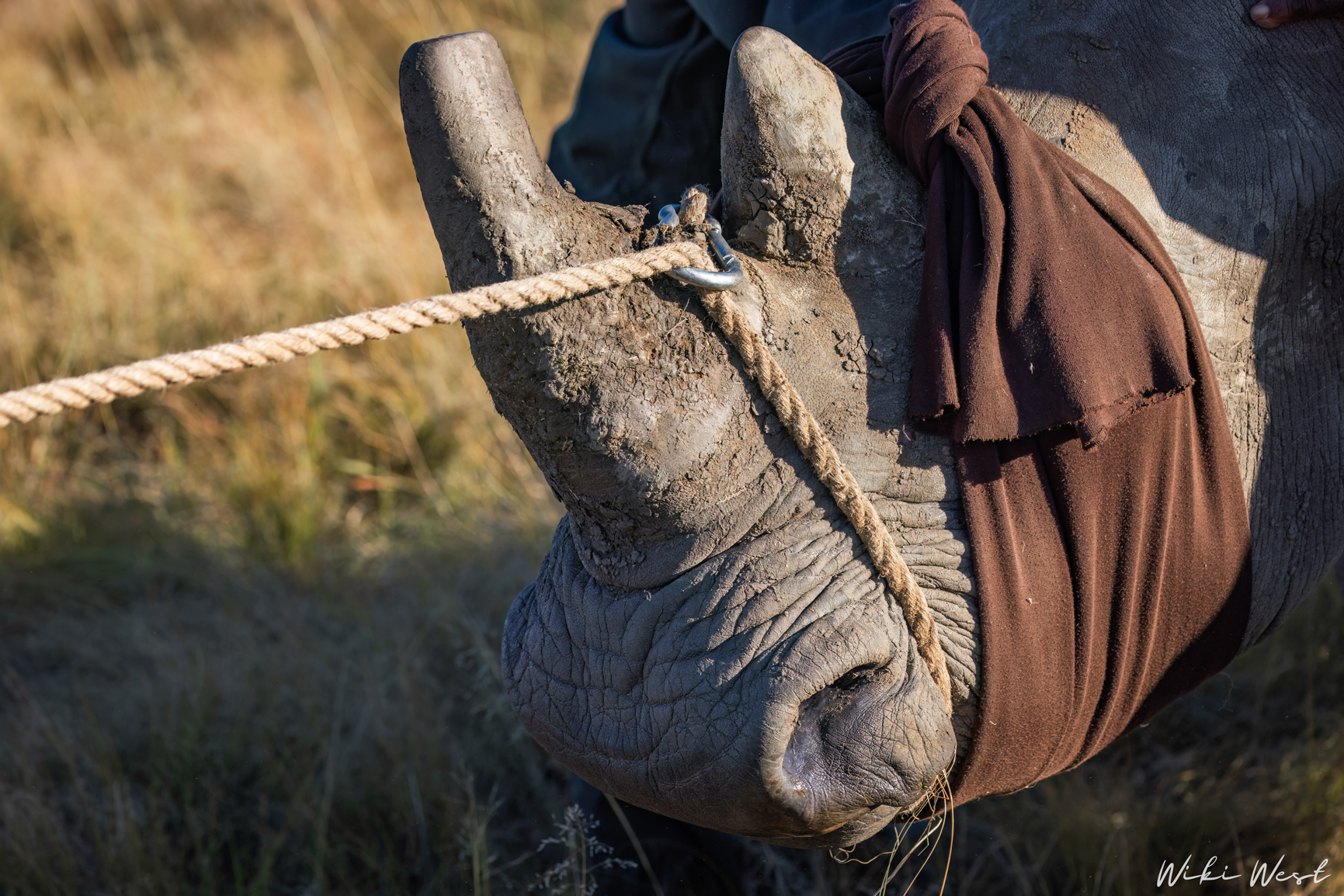
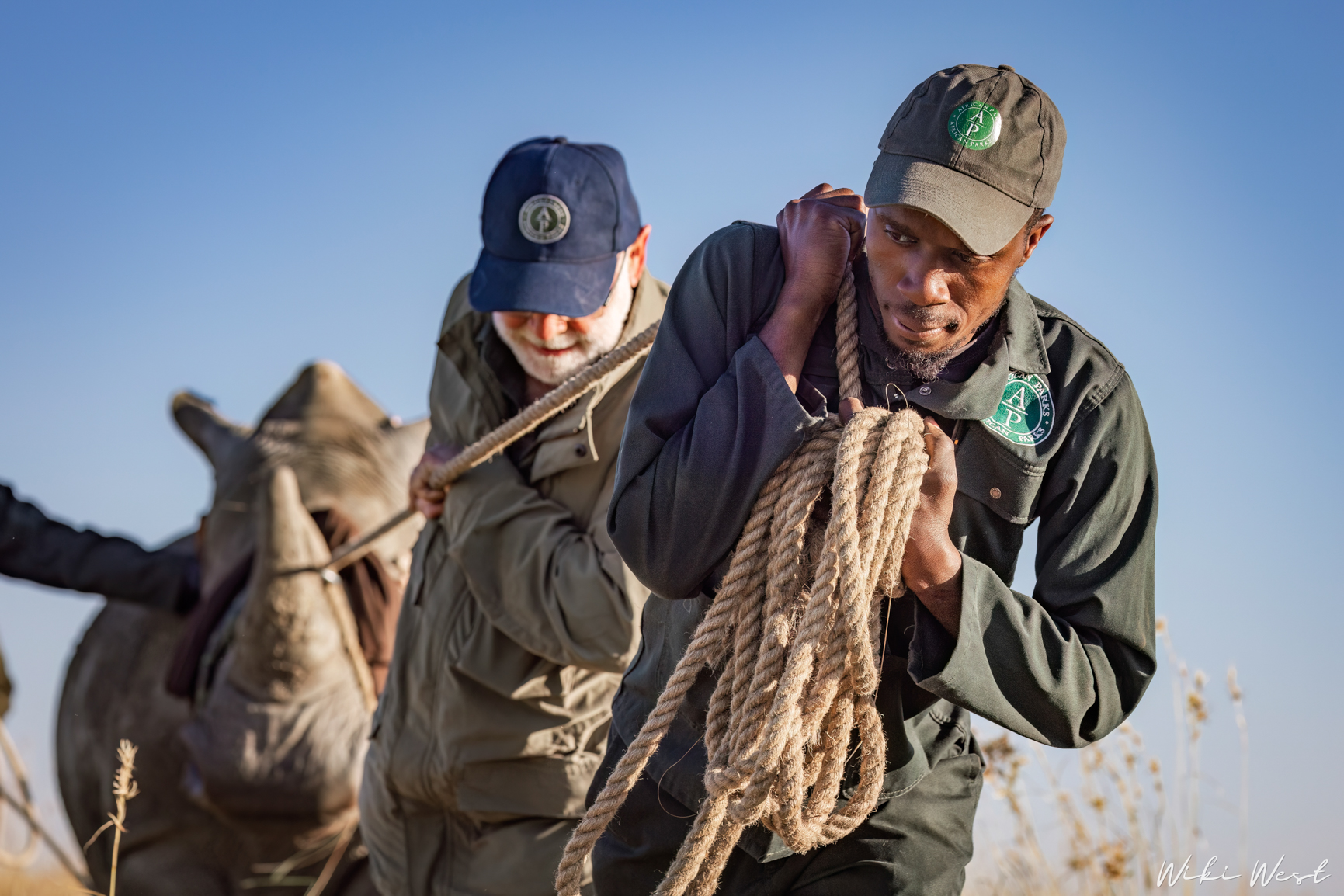
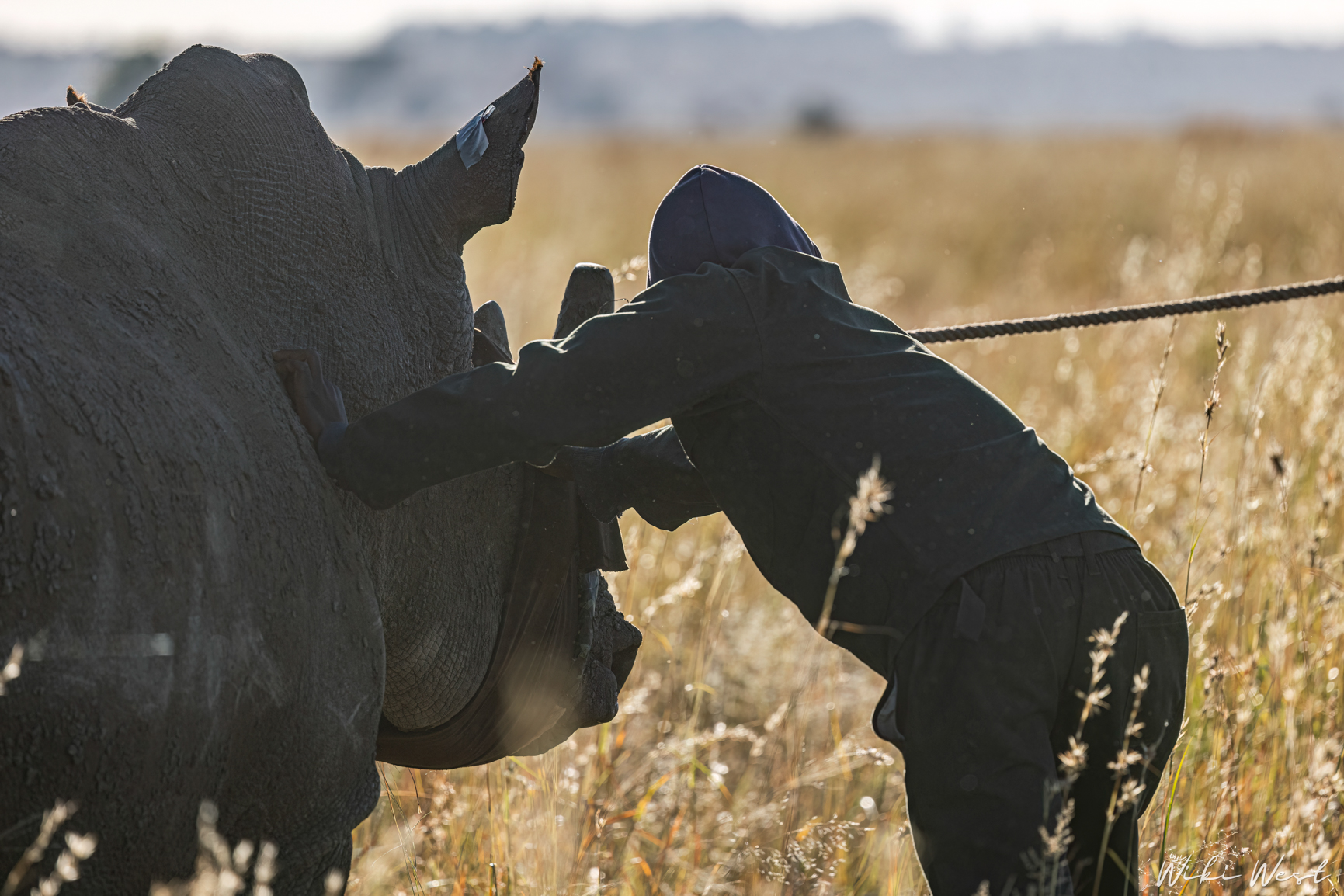
Once darted, the four ground teams sprang into action, all communicating via radios to maximize efficiency. The time was of the essence to safely collar, measure, collect vital data, and address any other issues before administering a reversal drug to wake the rhinos enough for the teams to walk or sometimes run them to the specially designed crates. The teams exerted their strength to push, pull, and support the heavy rhinos while navigating the long savannah, careful to avoid getting stepped on by the over two-ton creatures.

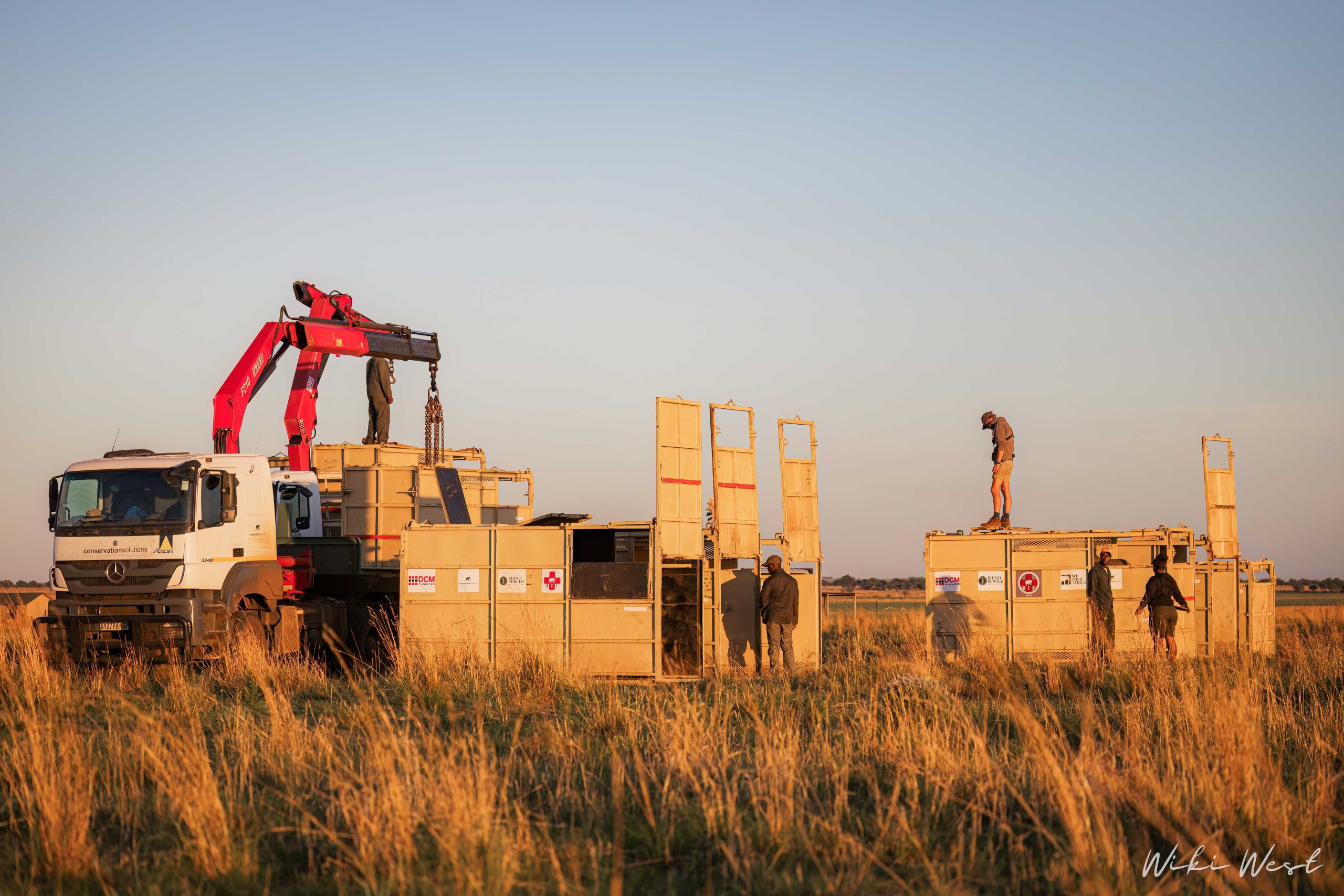
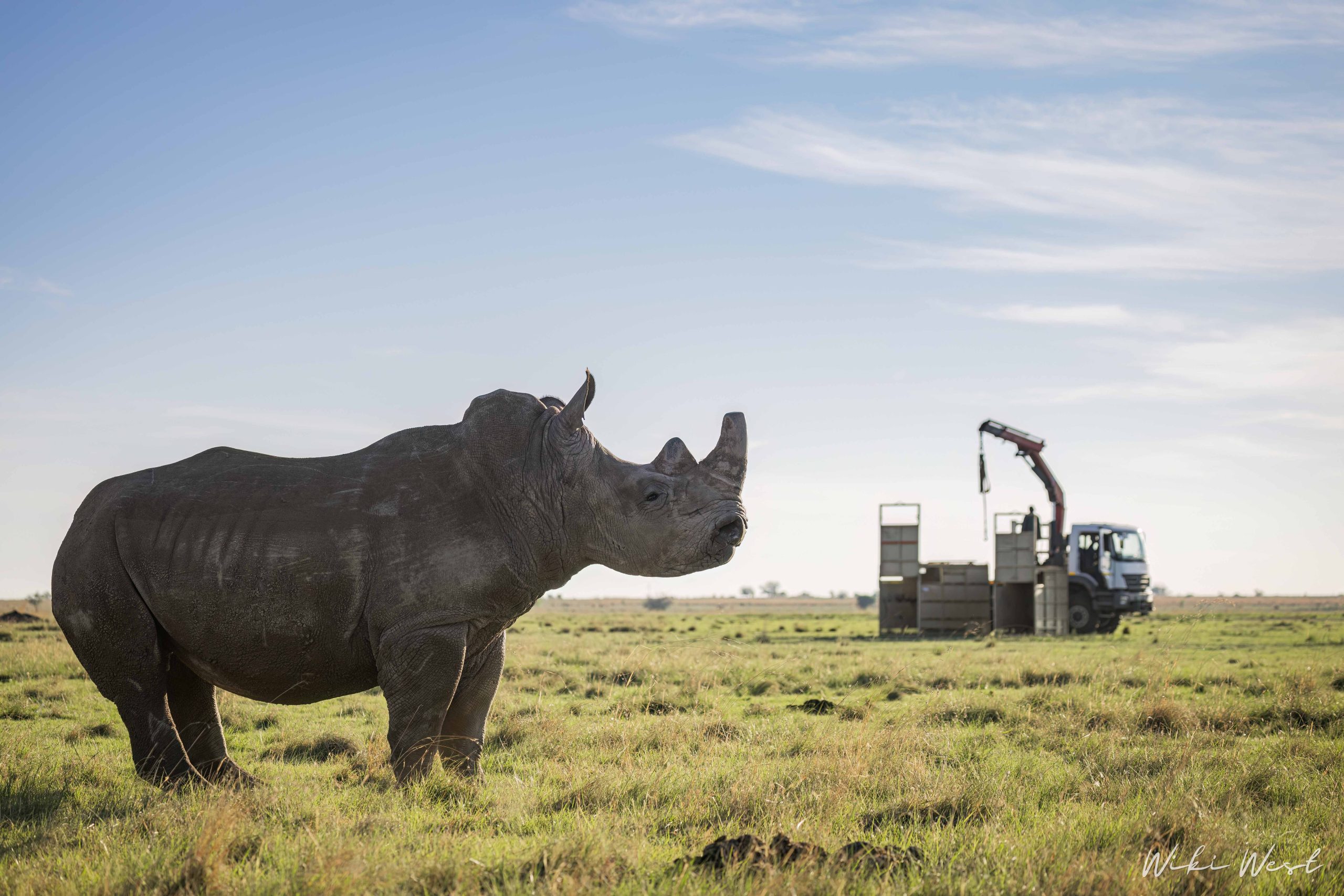
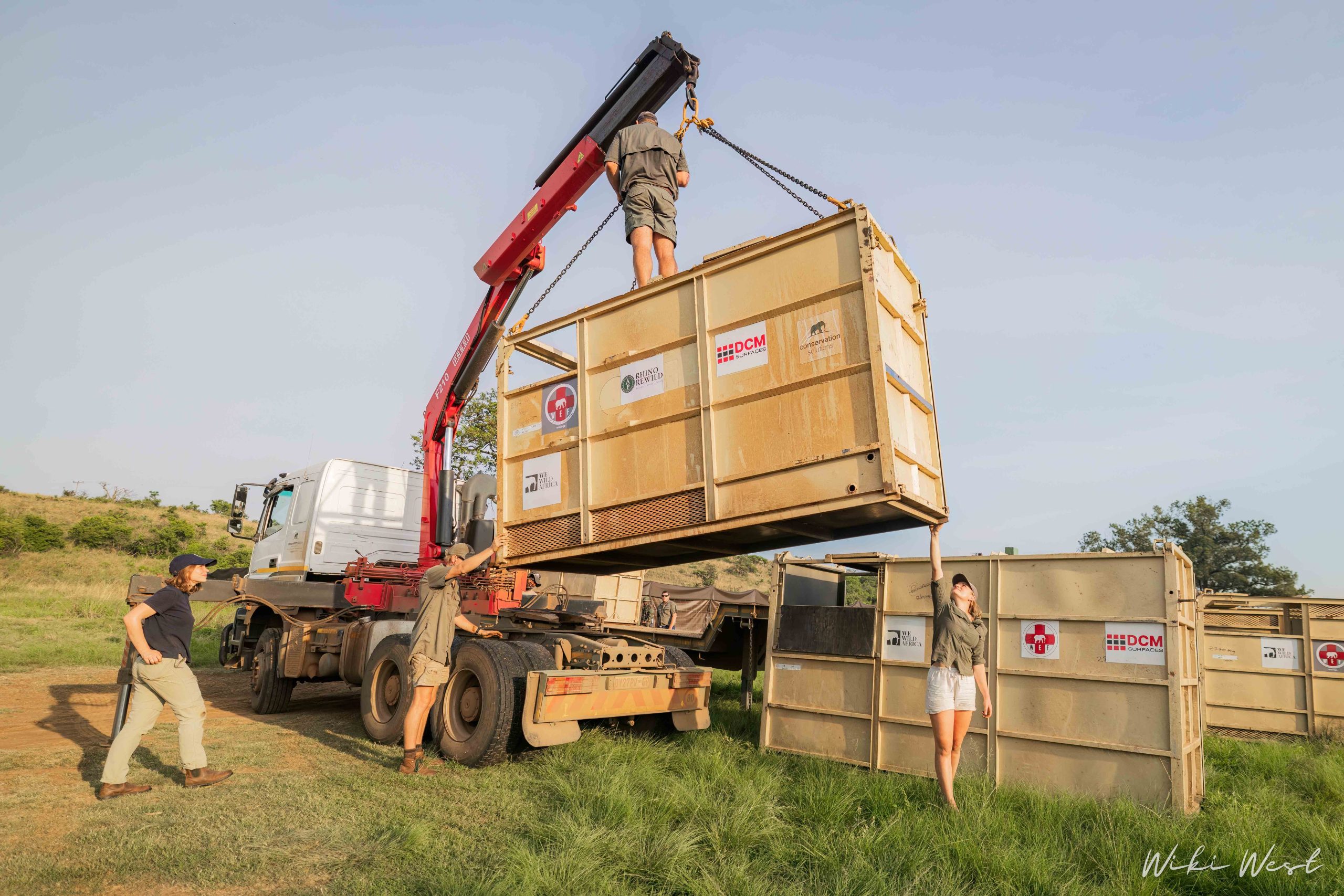
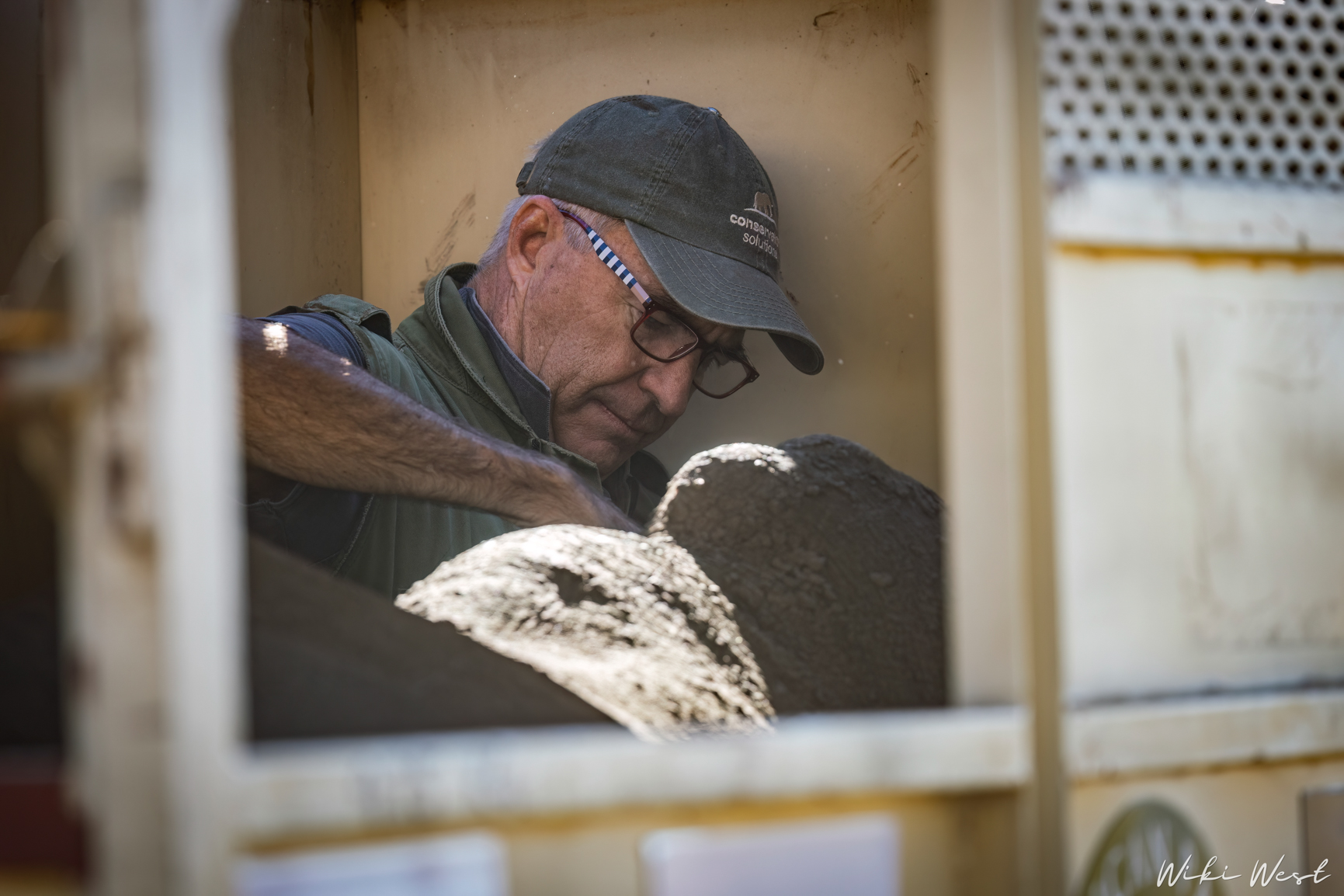
At the crates, another team was ready to guide the rhinos inside. Once secured, each crate was cautiously lifted by a crane onto the loading trucks. Throughout this process, veterinarians continuously monitored the rhinos’ vitals to ensure their well-being.

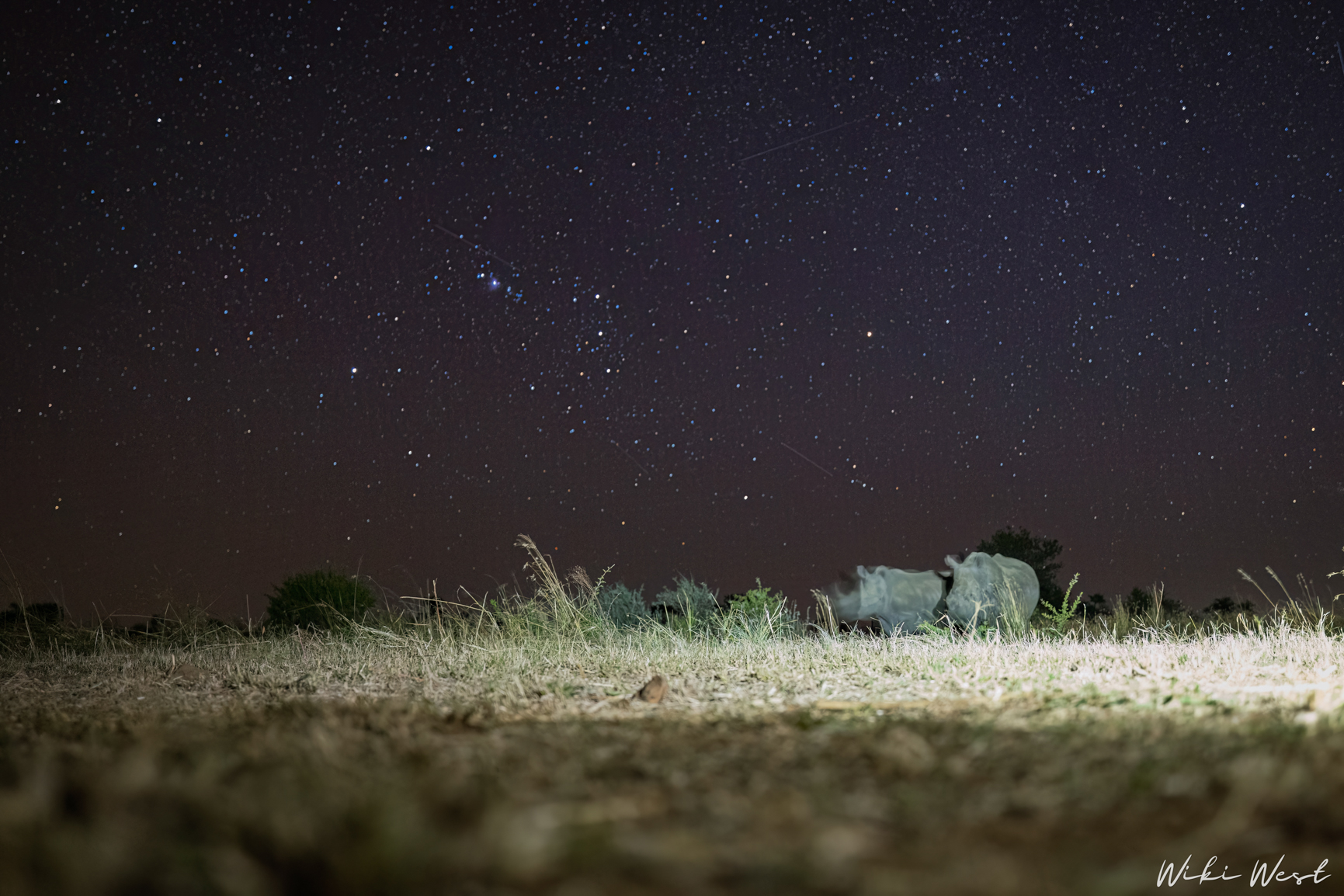
The team bonded like a family, united by a shared goal, driven by determination and positivity. By dusk, as the last crates were loaded, the team, exhausted yet exhilarated, watched the convoy of trucks and security personnel begin their 12-hour journey to Munywana Conservancy. As the trucks faded into the night, a profound sense of accomplishment set in. It became clear what could be achieved when passion, experience, and teamwork converge for wildlife protection.

At the end of the first long day, Dereck Milburn, Director of the Wildlife Emergency Fund, recapped the day: “Firstly, it’s a privilege to be here and witness such a monumental conservation effort in Southern Africa, on the continent, and worldwide. It’s not every day that one sees so many rhinos in one place, and then has the opportunity to work with them. The teams collaborated effectively today; all the rhinos are safe, and we had four teams in action. It’s been a fantastic experience to be part of this team. We have thousands of rhinos to relocate, and we’re just getting started.

We’ve already identified additional reserves to which we will transfer more rhinos—safe reserves that can accommodate them. South Africa must unite to aid African Parks in achieving the goal of rewilding these rhinos. This is not just their challenge; it’s a global concern, a heritage we must all celebrate and protect. The cost of moving a single rhino is significant, let alone 40.”

The rhinos will be released into the conservancy through a phased environmental acclimatization approach. Following our strict security protocols, these rhinos will undergo continuous monitoring. Additionally, we will assess their body condition and adaptation to local parasites, alongside overall safety checks to ensure their successful acclimatization to the new habitat.

Photography:  © Wiki West

JOIN THE FRONTLINES

© 2026 All Rights Reserved. Powered by Mosquito Media.

Addo’s Historic Elephant Relocation

Addo’s Historic Elephant Relocation

Addo’s Historic Elephant Relocation

A significant milestone in elephant conservation was marked by the first-ever relocation of family groups of elephants from Addo Elephant National Park to three separate reserves.

Addo Elephant National Park, famous for its biodiversity and home to over 600 elephants, has recently encountered challenges linked to overpopulation in certain regions. This oversaturation posed threats to the environment, leading to overgrazing and habitat degradation. Acknowledging the pressing nature of the issue, we initiated a groundbreaking effort to move these elephants to more suitable environments.

We successfully captured and relocated two family groups of elephants, plus two bulls, from Addo. These elephants now inhabit several reserves, including Shambala Private Game Reserve, Babanango Private Game Reserve, and Bellevue Forest Reserve.

The relocation bears deep historical importance. Bellevue Forest Reserve, formerly called Olifantskop (‘Elephant’s Head’), used to be a natural habitat for elephants. This verdant area, abundant in Albany thicket, is now the new home for the relocated elephants. Covering 2,500 hectares, Bellevue Forest Reserve previously acted as a temporary sanctuary for two prominent elephants, Hapoor and Bellevue, which frequently strayed from Addo. Currently, it’s likely that their descendants are returning to their ancestral land.

Babanango Game Reserve has been pivotal in achieving this conservation milestone. It brought in a small breeding herd from Manyoni Private Game Reserve and two bulls from Tembe Elephant Park, both of which have genetic ties to Kruger National Park. The introduction of seven elephants from Addo Elephant National Park marks a significant return of these creatures to Zululand, KwaZulu-Natal, a region where they have been absent for more than 150 years.

This significant project is a joint effort involving SANParks, Babanango Game Reserve, and Bellevue Forest Reserve. The relocation was funded by the Wildlife Emergency Fund, with support from John and Mary Lee Malcolm, Ezemvelo KZN Wildlife, Over and Above Africa, Conservation Outcomes, Conservation Solutions, DCM Surfaces, and WeWild Africa. Special thanks to Andrew Malcolm Films for his assistance in documenting this operation.

JOIN THE FRONTLINES

© 2026 All Rights Reserved. Powered by Mosquito Media.

Partner Highlight: Metapopulation Initiative, University of Pretoria, the Wildlife Emergency Fund, and Andrew Malcolm Films

Partner Highlight: Metapopulation Initiative, University of Pretoria, the Wildlife Emergency Fund, and Andrew Malcolm Films

Partner Highlight: Metapopulation Initiative, University of Pretoria, the Wildlife Emergency Fund, and Andrew Malcolm Films

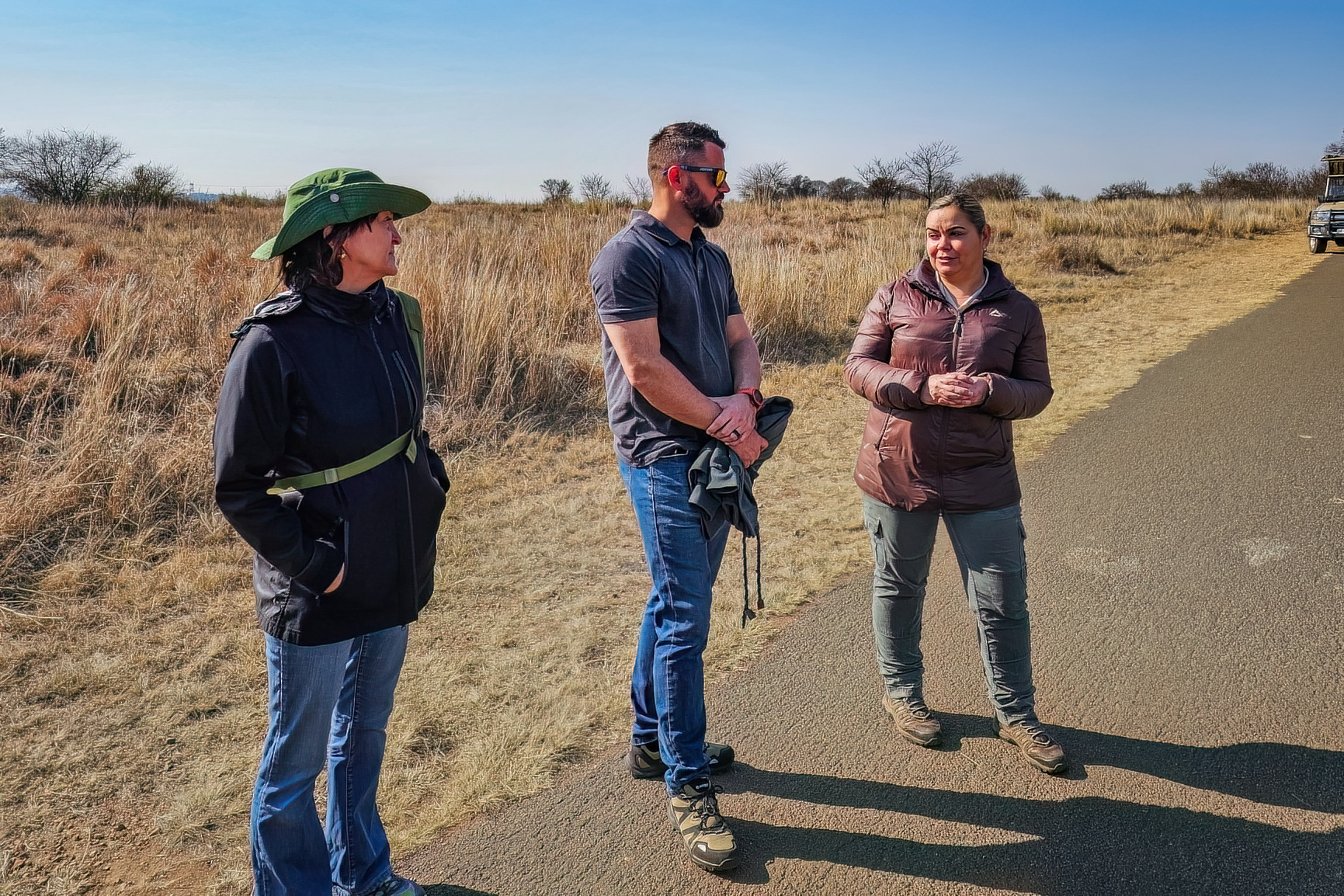
Collaboration is essential in wildlife conservation. We recognize this importance, which is why our partnership with the Metapopulation Initiative, alongside the University of Pretoria, Wewild Africa, and Andrew Malcolm Films—takes center stage in today’s update.

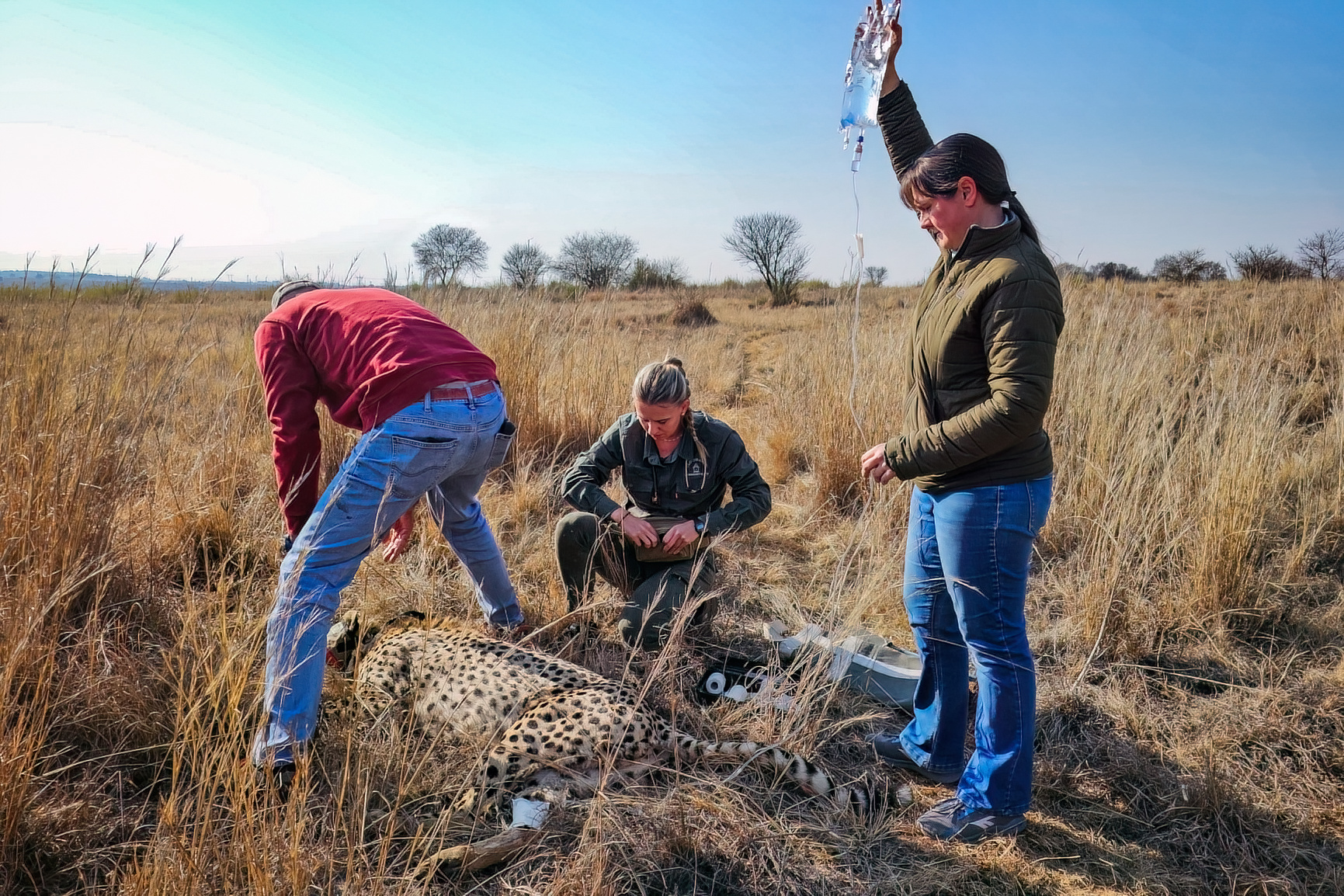
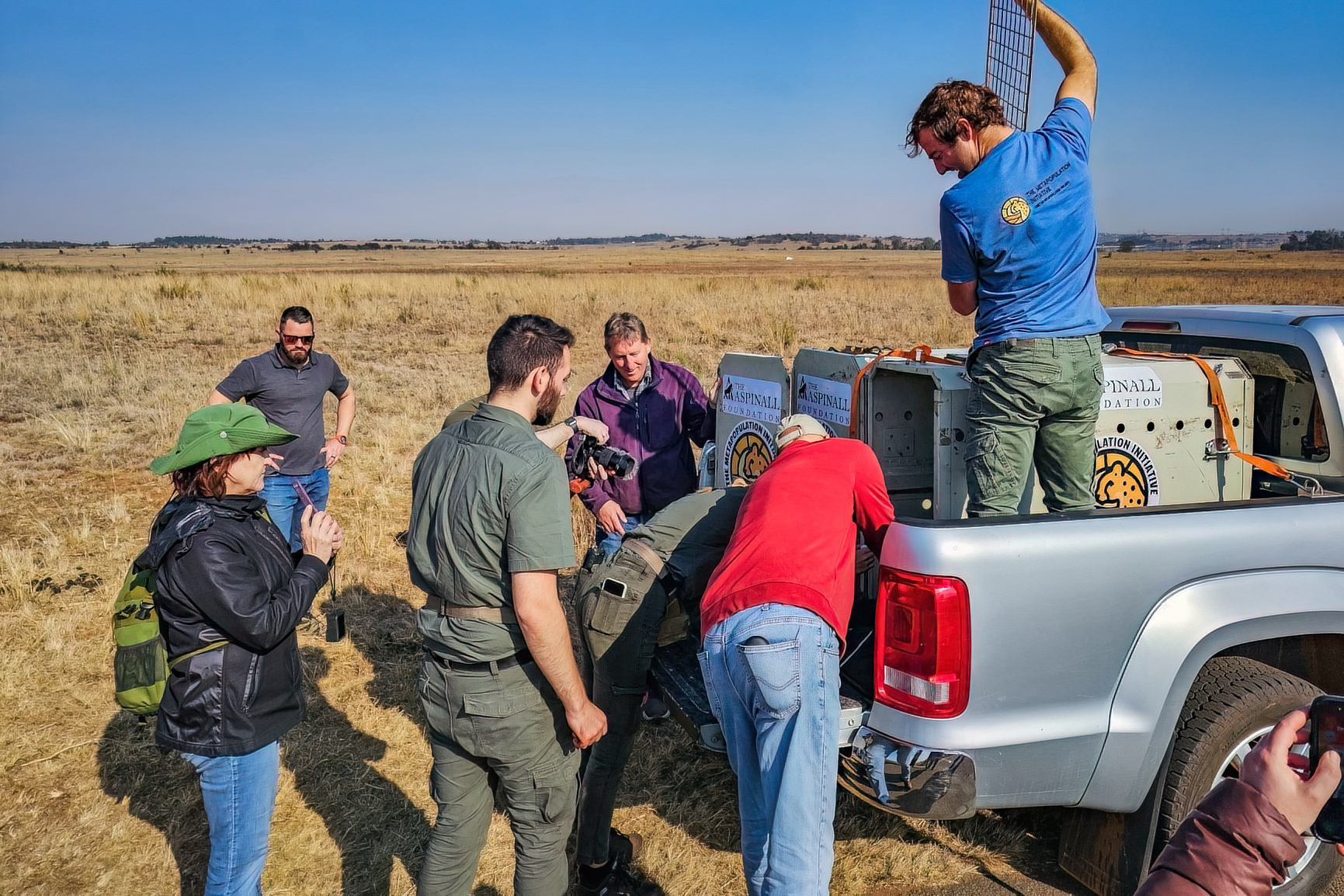
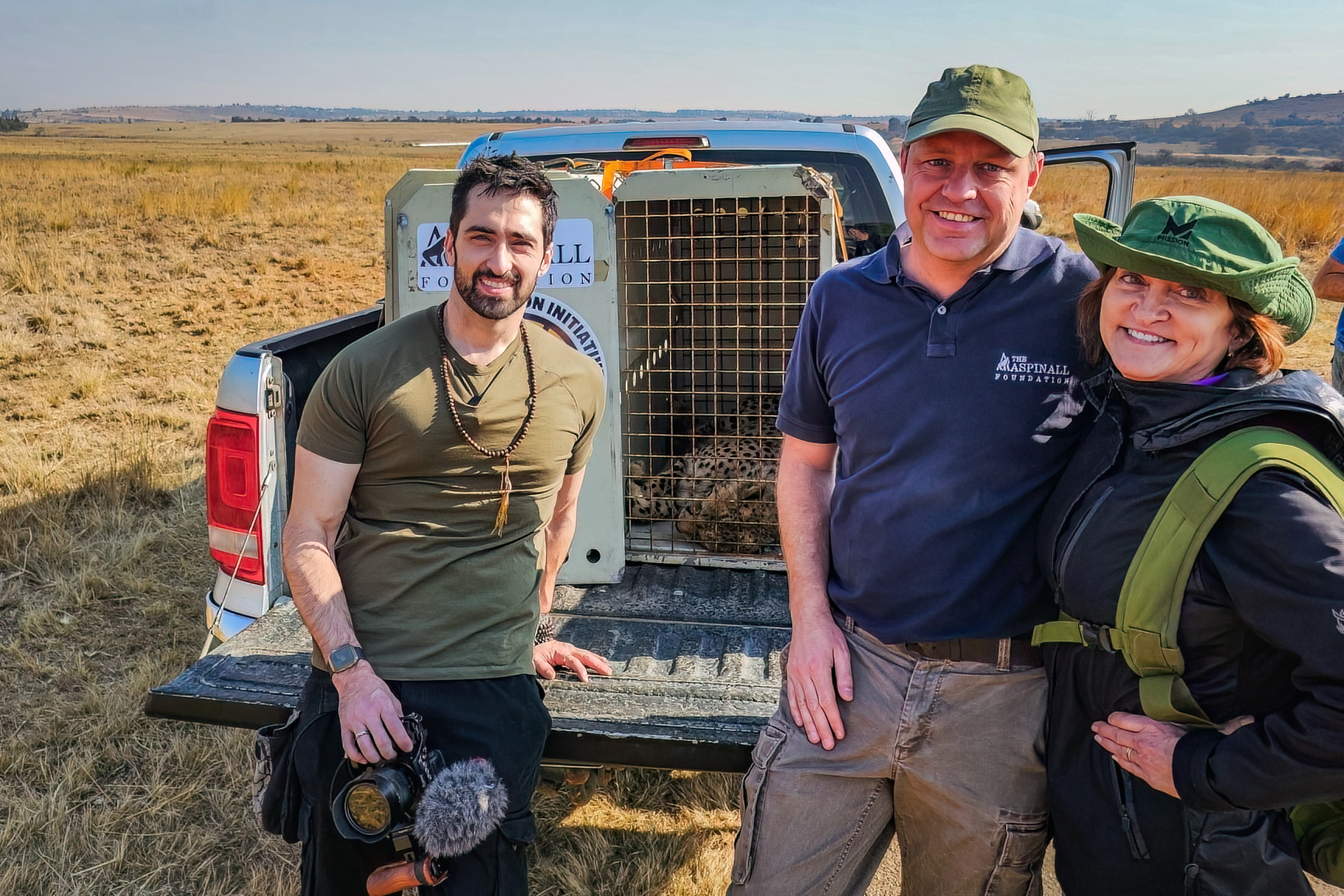
The location is the Rietvlei Nature Reserve, a place we have been involved with for many years. Today, we are moving a young cheetah cub to a new reserve in the Lowveld. This relocation is part of the broader Metapopulation Initiative, which aims to maintain genetic diversity among cheetah populations across Southern Africa. By transferring these animals between fenced reserves, the initiative helps prevent inbreeding and supports robust, genetically diverse populations.

The success of this project relied heavily on the continuous involvement of the Faculty of Veterinary Science at the University of Pretoria, including knowledgeable wildlife veterinarians Dr. Jacques O’Dell, Dr. Bart Gazendam, and their students. The team conducted comprehensive health evaluations, delivered necessary vaccinations, and collected significant research samples. Their expertise in safely darting and monitoring the cheetahs was crucial in ensuring the animals’ welfare throughout the relocation process.

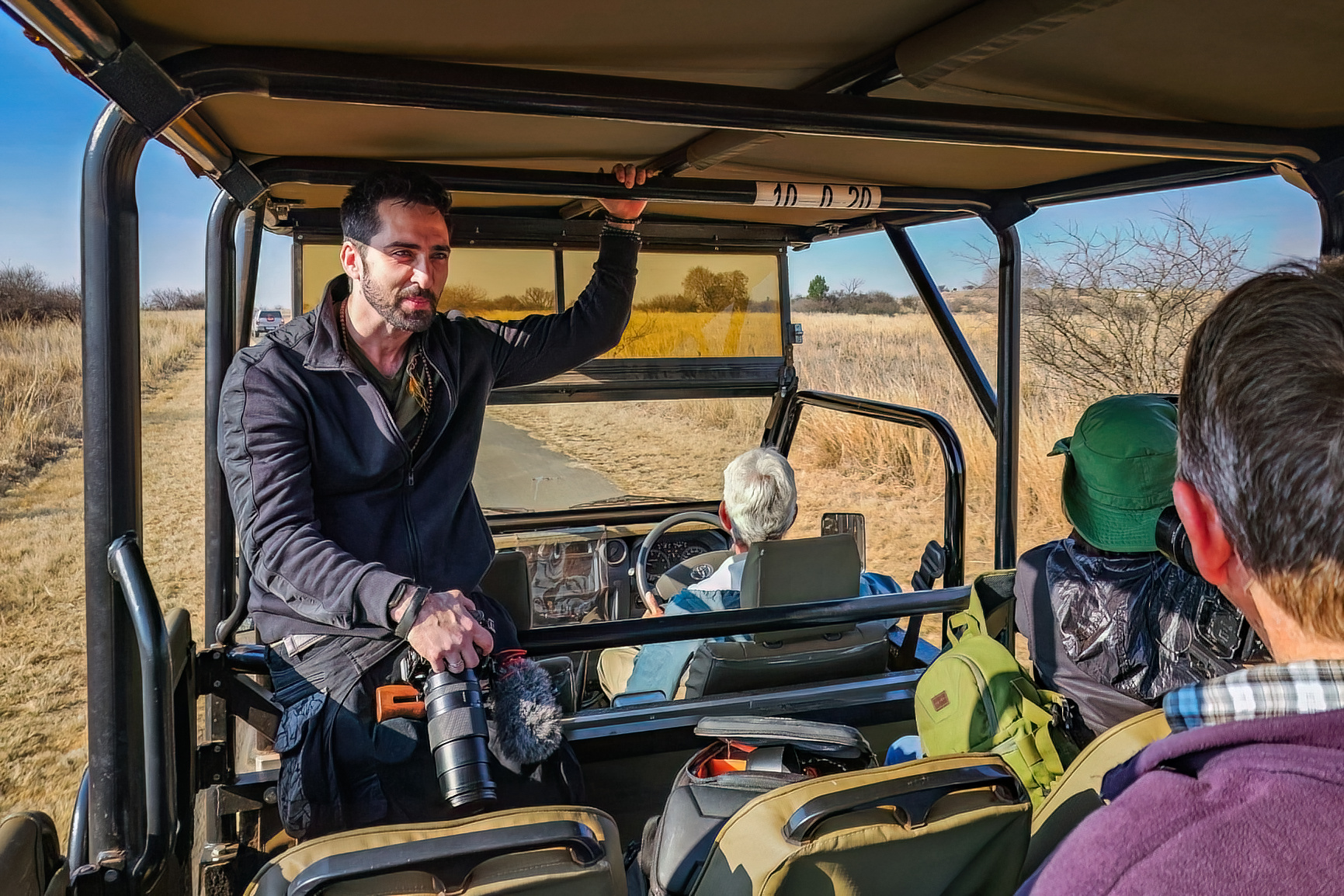
Capturing conservation efforts is essential for raising awareness and garnering support. Andrew Malcolm, with his background in wildlife filmmaking, collaborates with us to document these moments. His work highlights the importance of these initiatives while also displaying the beauty and pressing need for wildlife conservation to a broader audience. 
Certainly, none of this progress would have been possible without the commitment of the safe space managers for cheetahs. We extend our sincere gratitude to Rietvlei Nature Reserve, managed by the City of Tshwane, which has demonstrated a steadfast dedication to cheetah conservation since the establishment of a breeding population in 2014. The recent relocation of five offspring, born to Njozi—a cheetah relocated from the Garden Route Game Lodge—represents a significant accomplishment in their conservation efforts.

JOIN THE FRONTLINES

© 2026 All Rights Reserved. Powered by Mosquito Media.